





Exercise and illness - when to continue training and when to skip it?
 Author:
 It's really cold outside, and with that comes a higher incidence of flu and other viral illnesses. Everyone has probably had one of these viruses. It has been reported that the average person has a virus up to 6 times a year. But what about training during such an illness? Can we continue going to the gym or should we take a break?
Article content:
- A little theory to start with, or... what is immunity?
- Training in illness
- So are there any rules when it is better to skip training?
- Tips to boost immunity
- Foods for better immunity
- Conclusion
A little theory to start with, or... what is immunity anyway?
The immune system is what protects us from attacks by viruses, parasites, fungi, bacteria and also fungi. These "pests" usually attack especially the upper respiratory tract and can make life pretty unpleasant. Fortunately, we have an immune system that protects us from them in many cases.

The immune system has a total of 3 lines of defence. The basic protection of the body is the so-called innate immune system. This is divided into internal and external. It is made up of basic protective barriers such as the skin, gastric juices, mucous membranes in the nose and other physical or chemical protective cells or tissues. The third line is then provided by the adaptive or acquired immune system. This is slightly more sophisticated and complex than the innate immune system. This type of immune system kicks in at the precise moment when the second barrier of defence, the internal innate protective mechanisms, is breached. A huge advantage of the adaptive immune system is that it has the ability to remember the virus that has attacked it. When, God forbid, it returns, the adaptive immune system will use its previous experience and be able to fight it much more effectively and in a shorter time frame. This process of "remembering viruses" is referred to as immunological memory.
Training in illness
First of all, we must realize that training is a burden on the body. Even if you think of training as rest, especially for the mind, training is a great stress for the body. If we are healthy, the body can cope with the training load quite easily. However, if the body is also battling an illness, training can be a really unreasonable blow to the immune system. However, on the other hand - it depends very much on the intensity, volume and duration of the training. In some cases, there are activities that you can do even while your immune system is battling some sort of illness, and what's more - some of them are even actually healthful! Such walking, or other low-intensity cardio, or training with light weights can actually help boost immunity or speed up healing.
On the other hand, heavy weight training or long cardio can have the opposite effect, making the body more susceptible to developing infection. Heavy training in the gym can weaken the body's defences for up to 72 hours. Since our immune system is suppressed after a workout, we are much more susceptible to catching a bacteria.

Research suggests that regular sporting activity, even going to the gym on a regular basis, can actually strengthen the immune system. But if the body is currently battling an illness, it's better to skip the heavy workouts, as they further weaken the body, which is already busy fighting the ailment that has attacked it. In general, people who don't exercise have a compromised immune system. But on the other hand, there are people who overdo it with sports. So the rule of thumb is that regular sporting activity in moderation over a long period of time is definitely beneficial, and not only for your immune system (so-called progressive adaptation).
So are there any rules about when it is better to skip training?
If you are suffering from a mild upper respiratory tract virus with not very pronounced symptoms (e.g. light cold, cough) you can continue training, but it is definitely advisable to reduce the intensity. Research suggests that low-intensity training does not worsen the symptoms in any way, and in some cases, lighter training may even help to speed up treatment. However, if the virus has already invaded the lower respiratory tract - i.e. the bronchial tubes, lungs, etc., you have a fever, a dry irritating cough, or perhaps vomiting, it is best to avoid training altogether, as such exertion could make your treatment more difficult. Definitely avoid heavy and long workouts during your illness, as they could have a negative impact on your immune system and cause you more complicated problems in the future.
However - be mindful of others too! Even with a mild cold or cough, avoid exercising in groups in particular, so that you don't pass the illness on to others. A couple of days without exercise will not kill you, but if you need to move, choose a light walk, yoga or exercise at home so that you do not infect others unnecessarily at the gym.
Tips to boost immunity
While fighting the virus, focus on a good diet, increase the amount of fruit and vegetables and drink enough. The digestive system is up to 70% of the human immune system. A healthy and sufficient diet is important, and this is doubly true in illness. Also make sure you get enough good quality sleep.
Food, for better immunity:
Broth
Soup is the grunt! Chicken or other broth is one of the best foods to indulge in while fighting the flu. Because it's warm, it will quickly relieve chills, for example, and help relax your airways, and it's also usually nutritionally rich.
Garlic
Vampires avoid it, but you definitely shouldn't, at least during flu season. Garlic needs no long introduction. It is widely known for its powerful antibacterial effect, making it not only a potent weapon in the fight against germs, but also a perfect prevention against them!
Ginger
Ginger has a thermal effect, so it warms the body and also has antibacterial and antioxidant effects. Ginger is great for fighting sore throats, but also for nausea. It actually behaves quite similarly in the body to drugs like aspirin or ibalgin.
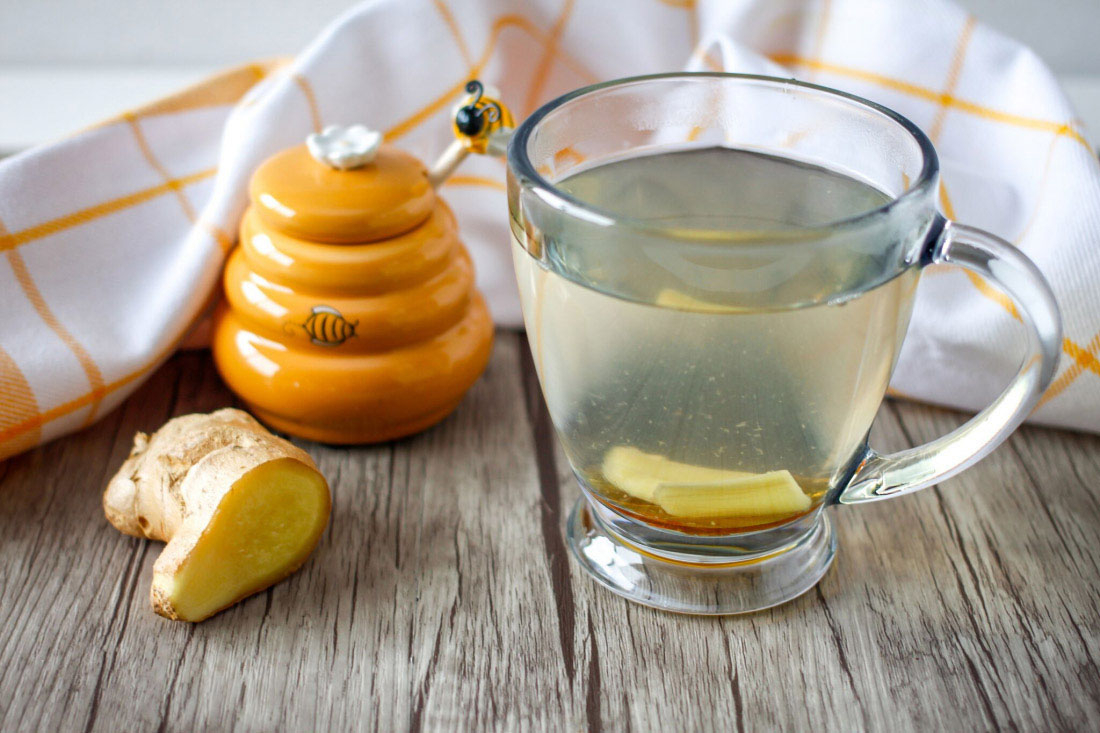
Honey
Honey is definitely not just a sweetener similar to regular sugar! Especially when you are sick, honey has an important function for the body - it also has antibacterial properties. Honey is an antibacterial and antiviral substance that will reliably help you with a cough. Just don't add it to hot tea, as this will destroy its healing effects.
Salmon
It's not news that you need plenty of essential fatty acids in your diet. In fact, these acids will boost your immune system and foods containing them can help speed up the fight against bacteria and viruses.
Fermented foods
Yogurt, kefir, pickles, kimchi, sauerkraut, or kombucha are foods that are very rich in probiotics. As we have already mentioned, up to 70% of immunity is found in the digestive system. Probiotics are beneficial living organisms that play an important role in the body, especially in the digestive system. Therefore, probiotics are very important for immunity as well as for optimal digestion and metabolism.
In addition to diet, you can also benefit from some dietary supplements. The basic helpers include omega-3 fatty acids and a multivitamin. You can also include these supplements:
Vitamin C
During illness, you can easily increase your intake of vitamin C, which is a very effective helper both for supporting the immune system and fighting when it is hit by viruses.

Echinacea
This plant can potentially increase the ability of white blood cells to destroy harmful bacteria, even up to three times.
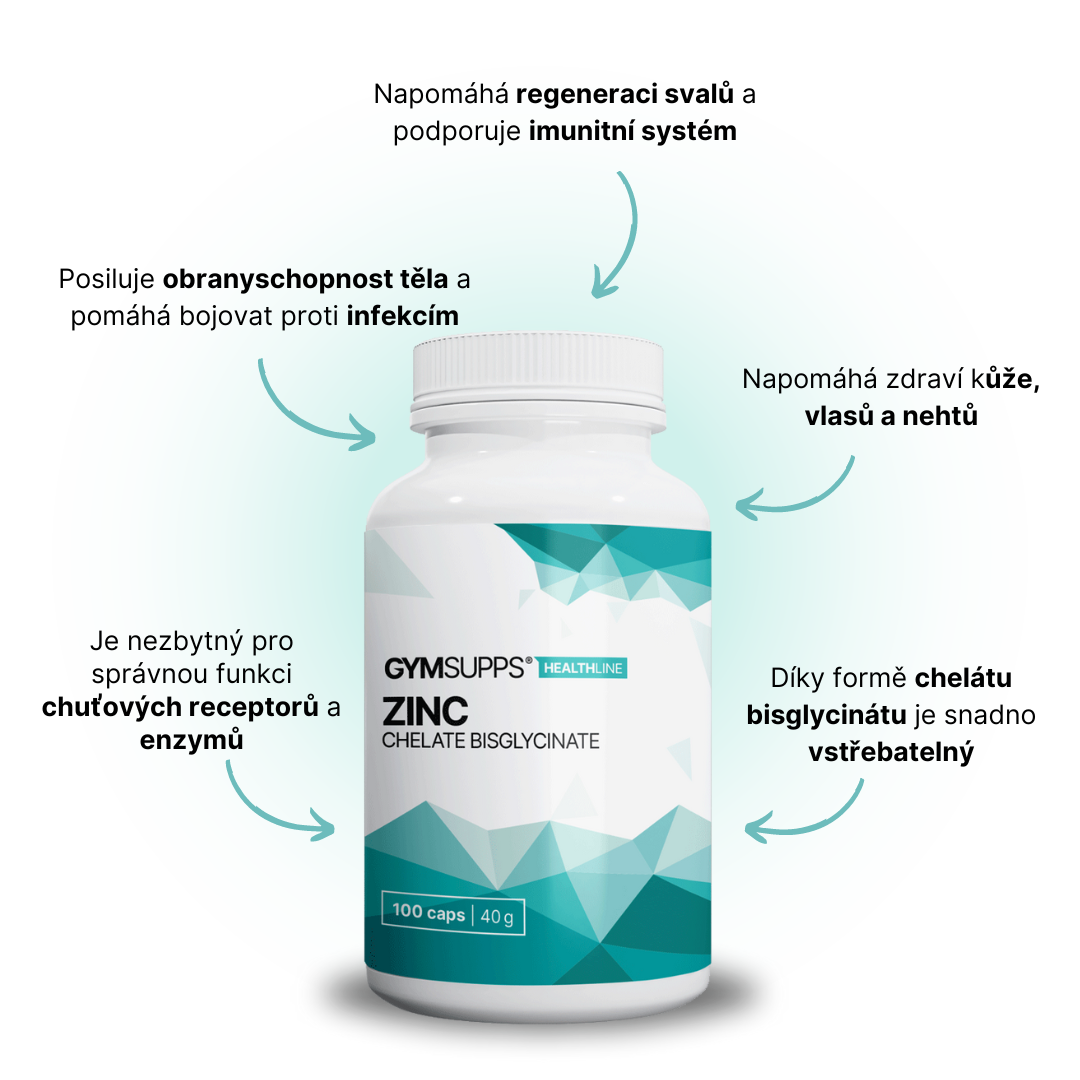
Zinc
This mineral is also known to improve the white blood cells' ability to heal infections.
.png)
Vitamin E
Vitamin E supplementation helps the body produce more B-lymphocytes, which are cells that produce antibodies that help destroy harmful bacteria.
Glutamine
From our last article on glutamine, you'll know that the benefits of taking this amino acid include its ability to support post-workout recovery, as well as your overall immune system.
Conclusion
Whether or not you go workout if you don't feel well is your decision. Above all, be guided by your feelings. If you only have symptoms of a mild cold, a low-intensity workout may even help you get better faster. On the other hand, if you have more severe symptoms, such as a fever or a strong cough, avoid sporting activity altogether.
If you are thinking about going to the gym or other sports facilities with a viral illness, please bear in mind that these sports facilities are frequented by other people who you could infect.
Recommended
GymSupps L-Glutamine

GymSupps Vitamin C
L-Glutamine 500g 1+1
Vitamin C 100cps 1+1
Sources:
https://www.intechopen.com/books/current-issues-in-sports-and-exercise-medicine/exercise-and-immunity
https://fitclan.sk/zdravie/nevicit-pocas-choroby-alebo-to-vypotit-vo-fitku-zisti-kedy-je-lepsie-dat-si-pauzu-a-aky-pristup-k-cviceniu-zvolit/
https://www.uwo.ca/ccaa/research/pdf/ExerciseandCommonCold.pdf
https://www.precisionnutrition.com/working-out-when-sick
https://www.ncbi.nlm.nih.gov/pubmed/11238820
https://www.ncbi.nlm.nih.gov/pubmed/16696665
https://www.ncbi.nlm.nih.gov/pmc/articles/PMC2532567/
No posts have been made yet.








