





Are you suffering from high blood pressure? Then these 13 foods should not be missing from your diet!
 Author:
 Heart disease and stroke are among the most common causes of death in the modern world. High blood pressure is one of the main factors that contribute to these serious health complications. But the good news is that if you do develop high blood pressure, it is relatively easy to control it naturally. This can be achieved through lifestyle changes and eating foods that have a positive effect on blood pressure. And it's foods that can help with blood pressure regulation that we'll be looking at in today's article.
Theoretical window - what is high blood pressure?
An increasing percentage of the world's population is suffering from some sort of blood pressure problem. The latter should be neither high nor low, as both extremes carry their own risks. Nowadays, high blood pressure no longer affects only the elderly, as it used to be, but much more often it also affects representatives of the young or middle generation. You may know high blood pressure by the term hypertension. Hypertension is dangerous because over time it can cause damage to blood vessels that leads to heart disease, kidney disease, stroke and other serious problems.
Hypertension is called the silent killer. In fact, high blood pressure usually produces no symptoms and you can suffer from them for years without noticing, and especially without treatment. By the time the first "observable" problems appear, it is usually too late. Risk factors for its development include a sedentary lifestyle, inappropriate diet composition, overweight, prolonged exposure to stress, excessive drinking, but also genetics and age. Fortunately, we can maintain blood pressure at the right level ourselves quite naturally. All we have to do is apply the principles of a healthy lifestyle, i.e.: enough exercise, good quality sleep, stress management, limiting alcohol consumption and, above all, a balanced diet. If you have developed high blood pressure, you can enrich your diet with a variety of foods that can help regulate it thanks to their beneficial substances.
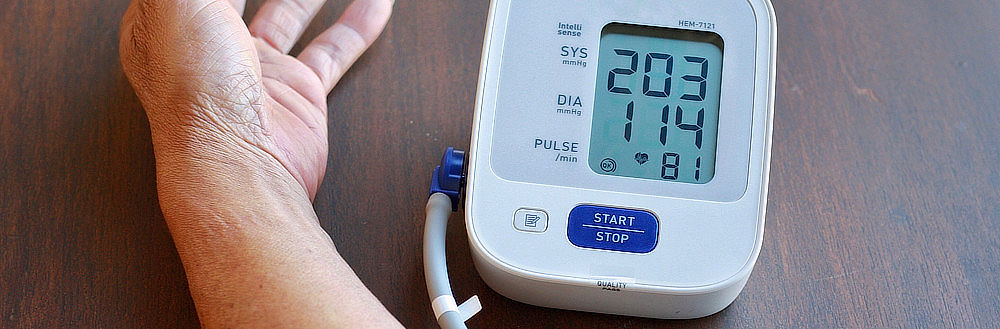
List of foods that help regulate blood pressure
There are plenty of foods that can affect blood pressure - both for good and, of course, for bad. Today, let's take a look at a few of those that are good to add to the diet when we're plagued by high blood pressure. It should be noted, however, that they are not self-sustaining and that in order for the lowering of blood pressure to really happen, we need to adjust the diet as a whole and add other aspects belonging to a healthy lifestyle.
Beetroot and beetroot juice
The list of benefits from eating beetroot in its various forms is very rich indeed. Beetroot is an important source of nitrates, which help to relax blood vessels and can lower blood pressure. Beetroot juice has been used since the Middle Ages to treat a range of ailments - from maintaining a healthy sex drive, to regulating LDL cholesterol, to detoxifying the blood.
Multiple studies have proven that beetroot juice does indeed play a rather significant role when it comes to blood pressure regulation - in fact, it significantly lowers both systolic and diastolic blood pressure. Interestingly, for lowering blood pressure, research suggests that beetroot juice is actually more effective directly than cooked beetroot. But if you roast beetroot as a side dish, make a great spread with it, or perhaps make sweet brownies, you definitely won't go wrong!
Fatty fish
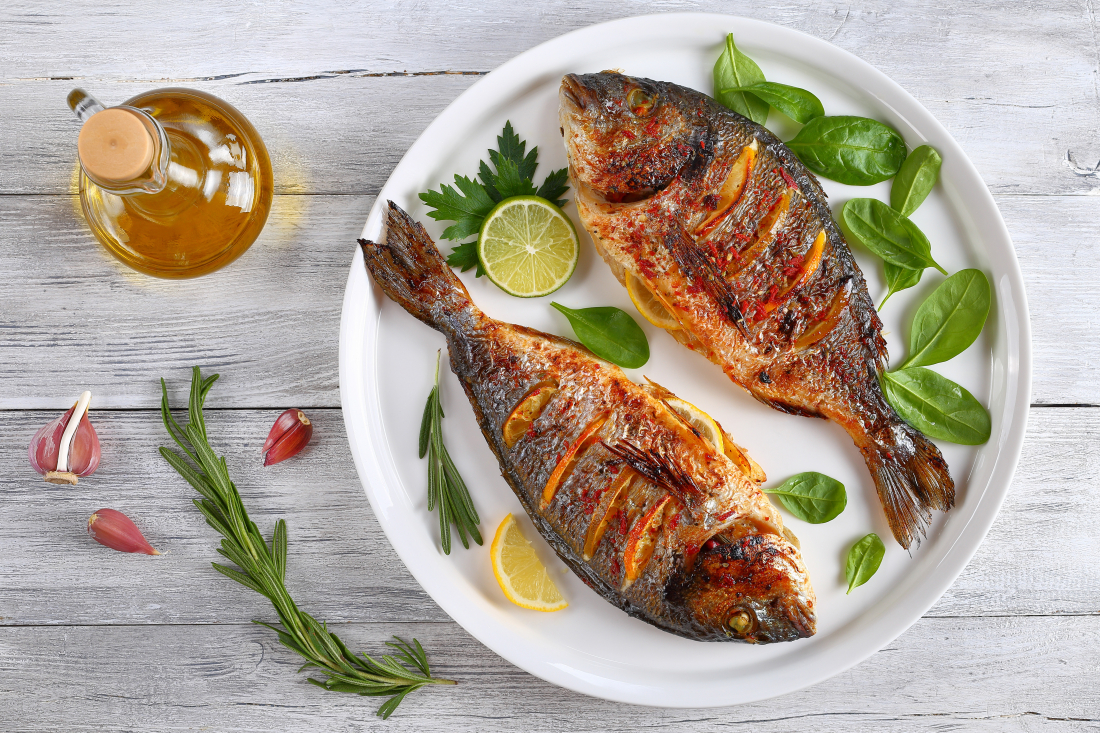
Oily fish is an excellent source of omega-3 fatty acids, which have really important benefits (not only) for heart health. These fats can help regulate blood pressure levels by reducing inflammation and also positively affect triglyceride levels, another contributing factor to the development of heart disease. In addition, fish is an important source of easily digestible protein, which is beneficial for overall health, the optimal functioning of our bodies and, last but not least, for maintaining a healthy weight. Fattier fish such as salmon, mackerel or sardines should appear in our diet at least 3 times a week.
We also recommend supplementing with omega-3 fatty acids in the form of a supplement, which is a convenient way to get these fats. In addition to their positive effect on blood pressure levels, omega-3s have a really long list of benefits in other areas of human health and are rightly promoted as one of the essential nutritional supplements that are really worth investing in.
Pomegranate juice
While most commercially available fruit juices or juices are literally loaded with refined sugar and virtually devoid of beneficial nutrients, 100% pomegranate juice is actually one of the healthiest juices in the world as it is a rich source of polyphenols. These plant substances are antioxidant, meaning they protect our cells from aggressive radicals. One of the most desired benefits of pomegranate juice is precisely its ability to naturally lower blood pressure.
Indeed, according to research, pomegranate juice has a significant ability to regulate blood pressure, both in the short and long term, even in patients with diabetes and those undergoing kidney dialysis. This juice is relatively rarely found in our stores, but you will do your body a favour by consuming the seeds themselves.
Spinach
We all know that spinach is an extremely healthy food and the substances it contains have been shown to help reduce inflammation that causes various serious diseases. The large amount of antioxidants that can be found in it puts spinach on the list of foods that lower blood pressure. In addition to antioxidants, spinach also contains nitrates, potassium, calcium and magnesium, which are other substances that may be involved in lowering blood pressure. In addition, spinach is incredibly versatile - the leaves can be eaten raw in a salad, steamed and used as part of a side dish, added to pasta sauce, tossed into a smoothie, or used to make pancakes.
Berry fruit
Small berries are associated with a number of impressive health benefits, including their potential to reduce risk factors for heart disease, such as high blood pressure. Berries are a rich source of antioxidants, especially anthocyanins, the pigments that give berries their iconic colour. Anthhocyanins have been shown to increase nitric oxide levels in the blood and reduce the production of blood vessel-blocking molecules, which can help lower blood pressure levels. So which fruit to reach for? Throw blueberries, raspberries, cranberries, mulberries, strawberries or even blackberries into your diet. They taste great on your morning porridge, in yoghurt with granola, or perhaps in a good smoothie with kefir and protein powder.
Greek yoghurt and cottage cheese
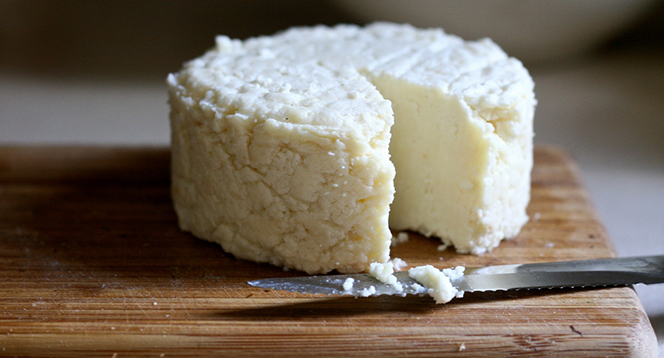
Greek yogurt and cottage cheese are nutrient-rich dairy products and are full of minerals that help regulate blood pressure. Greek yogurt and cottage cheese are great sources of calcium and magnesium, two extremely important minerals for blood pressure control. In addition, Greek yoghurt and cottage cheese are great sources of protein, contain very little fat and fill us up well, which comes in handy (not only) when you need to lose some pounds due to high blood pressure. Greek yoghurt and cottage cheese are both a great part of the diet. Besides the fact that they can be eaten on their own - just like that with fruit, nuts and homemade granola, you can mix them into your morning porridge to create a complex meal that will fill you up for longer, make a great spread with them, thicken soup with them, or use them to conjure up all sorts of desserts.
Dark chocolate
Chocolate lovers beware, your moment is coming and you can rejoice. Quality dark chocolate with a cocoa content of at least 85% can actually be beneficial when trying to lower high blood pressure. Chocolate, or rather cocoa, is a rich source of flavanols - antioxidants that research shows have a very positive effect on heart health, precisely because they can regulate high blood pressure while increasing blood flow to the heart and brain. Flavanols can also help prevent platelets from clotting, which can reduce the risk of stroke.
To get the most out of the benefits mentioned above, however, you need to make the right choices. So forget the various chocolates with lollies, gummy bears or white wannabe chocolates and reach for good quality dark chocolate - the higher the cocoa content, the better. As well as supporting your efforts to lower blood pressure, eating chocolate can be beneficial in other areas of human health. Check out the article below where we covered chocolate in detail.
Pistachios
Another food that is very beneficial in regulating blood pressure is pistachios. This is because they contain a significant proportion of nutrients essential for heart health and blood pressure regulation, especially potassium. In addition to potassium, they contain iron, copper, vitamins (A, B, E), phosphorus, calcium, zinc, selenium and all essential amino acids.Pistachios also contain phytosterols, substances that reduce the amount of LDL cholesterol in the blood, and according to studies, these substances may even have the ability to block the development of certain cancers. You can throw pistachios in yoghurt, munch on them just like that, or make a great peanut butter. But beware, this is highly addictive stuff!
Tomatoes
Tomatoes - in whatever form - are rich in many nutrients, but when we're talking about blood pressure control, it's worth mentioning the potassium content and the carotenoid pigment lycopene. Lycopene in particular is significantly associated with beneficial effects on heart health, and eating foods high in this substance has been shown to help reduce risk factors for heart disease, such as high blood pressure. An article summarizing the results of 21 different studies concluded that eating raw tomatoes and improves blood pressure and may help reduce the risk of heart disease and heart disease-related deaths. Toss tomatoes in a salad, skewer them along with mozzarella cheese and take them for a snack, or make some good salsa. Imagination runs wild here too.
Celery
Celery is a not-so-favourite vegetable, but it is one big surprise. It is incredibly low in calories, yet very rich in nutrients. For example, it contains compounds called phthalides, which can help relax blood vessels and thus reduce high blood pressure. It also contains B-complex vitamins, vitamin C, E and K, is an important source of fibre and, among minerals, potassium, calcium, phosphorus, magnesium, iron and zinc. Studies show that, like carrots, celery is richer in nutrients after cooking. Try using it to make soup, a great side dish or bake it with other vegetables.
Flaxseeds
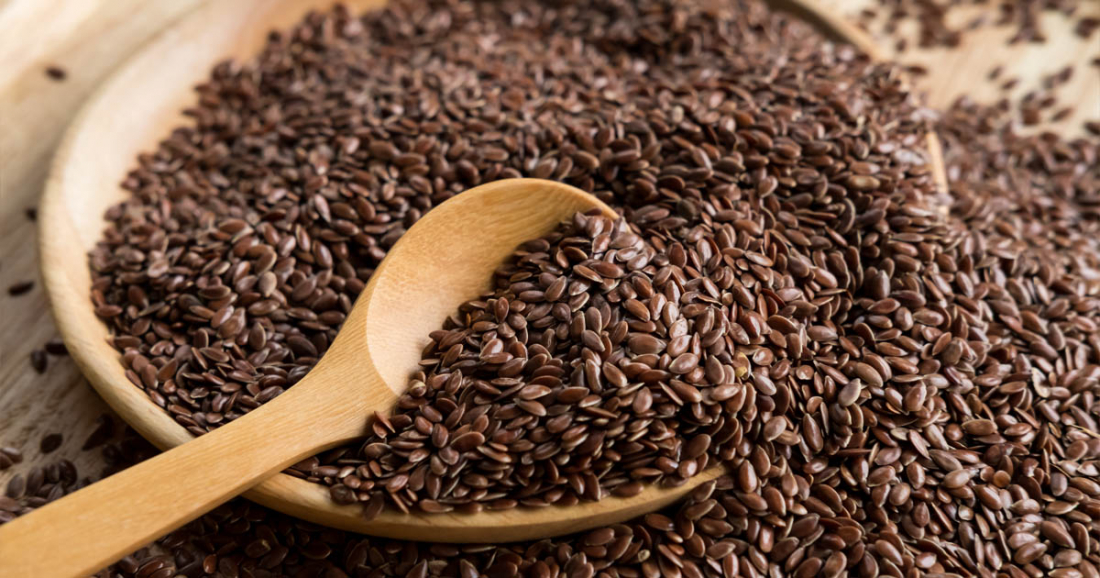
Flaxseeds are an important source of omega-3 fatty acids, the beneficial fats mentioned earlier today. But in addition to these important fats, they also contain a good amount of magnesium, calcium and potassium, three other nutrients that play an important role in regulating blood pressure. Flaxseeds are also very rich in fibre. Consumption of flaxseed is recommended, among other things, for people who have problems with high LDL cholesterol, another factor that leads to the development of cardiovascular disease. Flaxseed may further reduce the risk of arterial calcification. Flaxseeds are great in salads and as a garnish for spreads, but you can also reach for flaxseed oil, which is particularly useful in cold cooking.
Olive oil
Since biblical times, olive oil has been considered one of the healthiest staple foods. Especially in the Mediterranean regions, it is an absolutely common part of the diet, and it is widely known that the inhabitants of Mediterranean countries are among the longest-lived peoples in the world and also boast fewer cases of heart disease and deaths due to it.
Consumption of extra virgin olive oil, which is rich in polyphenols, is particularly recommended for heart health. These substances have the ability to dilate blood vessels and thus help lower blood pressure. Olive oil is more suited for cold cooking - so ideal for making salad dressings or finishing dishes.
What to take away from the article?
High blood pressure is a major contributing factor to the development of cardiovascular disease or stroke, the world's leading cause of death. Yet, high blood pressure can be controlled relatively easily by lifestyle modifications. The basis should be a healthy diet rich in various nutrients, enough exercise, proper rest, working with stress and so on. In addition, the diet can be enriched with foods that contain substances that can contribute to lowering blood pressure. These include beetroot, celery, tomatoes, dark chocolate, pistachios, Greek yoghurt, olive oil, oily fish and others.
Recommended

Sources:
Basu, A., & Penugonda, K. (2009). Pomegranate juice: a heart-healthy fruit juice. Nutrition reviews, 67(1), 49-56. Asgary, S., Keshvari, M., Sahebkar, A., Hashemi, M., & Rafieian-Kopaei, M. (2013). Clinical investigation of the acute effects of pomegranate juice on blood pressure and endothelial function in hypertensive individuals. ARYA atherosclerosis, 9(6), 326-331.Asgary, S., Sahebkar, A., Afshani, M. R., Keshvari, M., Haghjooyjavanmard, S., & Rafieian-Kopaei, M. (2014).Clinical evaluation of blood pressure lowering, endothelial function improving, hypolipidemic and anti-inflammatory effects of pomegranate juice in hypertensive subjects.Phytotherapy research : PTR, 28(2), 193-199.Shema-Didi, L., Kristal, B., Sela, S., Geron, R., & Ore, L. (2014). Does Pomegranate intake attenuate cardiovascular risk factors in hemodialysis patients. nutrition journal, 13, 18. Yang, Y., Marczak, E. D., Usui, H., Kawamura, Y., & Yoshikawa, M. (2004). Antihypertensive properties of spinach leaf protein digests. Journal of agricultural and food chemistry, 52(8), 2223-2225. Mohammadifard, N., Salehi-Abargouei, A., Salas-Salvadó, J., Guasch-Ferré, M., Humphries, K., & Sarrafzadegan, N. (2015). The effect of tree nut, peanut, and soy nut consumption on blood pressure: a systematic review and meta-analysis of randomized controlled clinical trials. The American journal of clinical nutrition, 101(5), 966-982. West, S. G., Gebauer, S. K., Kay, C. D., Bagshaw, D. M., Savastano, D. M., Diefenbach, C., & Kris-Etherton, P. M. (2012). Diets containing pistachios reduce systolic blood pressure and peripheral vascular responses to stress in adults with dyslipidemia. Hypertension (Dallas, Tex. : 1979), 60(1), 58-63. Siervo, M., Lara, J., Ogbonmwan, I., & Mathers, J. C. (2013). Inorganic nitrate and beetroot juice supplementation reduces blood pressure in adults: a systematic review and meta-analysis. The Journal of nutrition, 143(6), 818-826. Moreno-Luna, R.., Muñoz-Hernandez, R., Miranda, M. L., Costa, A. F., Jimenez-Jimenez, L., Vallejo-Vaz, A. J., Muriana, F. J., Villar, J., & Stiefel, P. (2012). Olive oil polyphenols decrease blood pressure and improve endothelial function in young women with mild hypertension. American journal of hypertension, 25(12), 1299-1304. Sayon-Orea, C., Carlos, S., & Martínez-Gonzalez, M. A. (2015). Does cooking with vegetable oils increase the risk of chronic diseases?: a systematic review. The British journal of nutrition, 113 Suppl 2, S36-S48. Zomer, E., Owen, A., Magliano, D.. J., Liew, D., & Reid, C. M. (2012). The effectiveness and cost effectiveness of dark chocolate consumption as prevention therapy in people at high risk of cardiovascular disease: best case scenario analysis using a Markov model. BMJ (Clinical research ed.), 344, e3657. Caligiuri, S. P., Aukema, H. M., Ravandi, A., Guzman, R., Dibrov, E., & Pierce, G. N. (2014). Flaxseed consumption reduces blood pressure in patients with hypertension by altering circulating oxylipins via an α-linolenic acid-induced inhibition of soluble epoxide hydrolase. Hypertension (Dallas, Tex. : 1979), 64(1), 53-59. Chan, Q., Stamler, J., Brown, I. J., Daviglus, M. L., Van Horn, L., Dyer, A. R., Oude Griep, L. M., Miura, K., Ueshima, H., Zhao, L., Nicholson, J. K., Holmes, E., Elliott, P., & INTERMAP Research Group (2014). Relation of raw and cooked vegetable consumption to blood pressure: the INTERMAP Study. Journal of human hypertension, 28(6), 353-359.
No posts have been made yet.








