



Adequate hydration is essential for overall health! But what is the optimal amount?
 Author:
Water is vital for human health. It is a part of literally every cell and is essential for the proper functioning of the whole organism. For this reason alone, there are many reasons why we should make sure that our bodies stay adequately hydrated. When dehydration occurs, headaches and fatigue can occur, the body's detoxification processes are often impaired, the immune system is weakened, and dehydration can even affect weight gain. Optimal drinking is essential, but it is not the only way to keep the body hydrated. Let's take a look today at what role hydration actually plays in our lives and how to ensure that our bodies are adequately hydrated, i.e. well-functioning in every way, without having to think too much about it.
Theoretical window - the importance and benefits of optimal hydration
Proper hydration is absolutely essential for overall health and is a prevention against many diseases, but also, for example, heat exhaustion and heat stroke. Adequate hydration is key to ensuring that all the vital processes in our bodies function as they should. Adequate fluid intake serves, for example, as a prevention against constipation, headaches, kidney stones, helps regulate blood pressure, supports proper kidney function, is essential for optimal mental and physical performance and good concentration, and plays a role in maintaining the fresh appearance of our skin, which is more supple, clearer and can even reduce the appearance of cellulite thanks to proper hydration. The optimal amount of water in the body is also important for the proper distribution of nutrients and oxygen and for the optimal progress of regenerative processes.
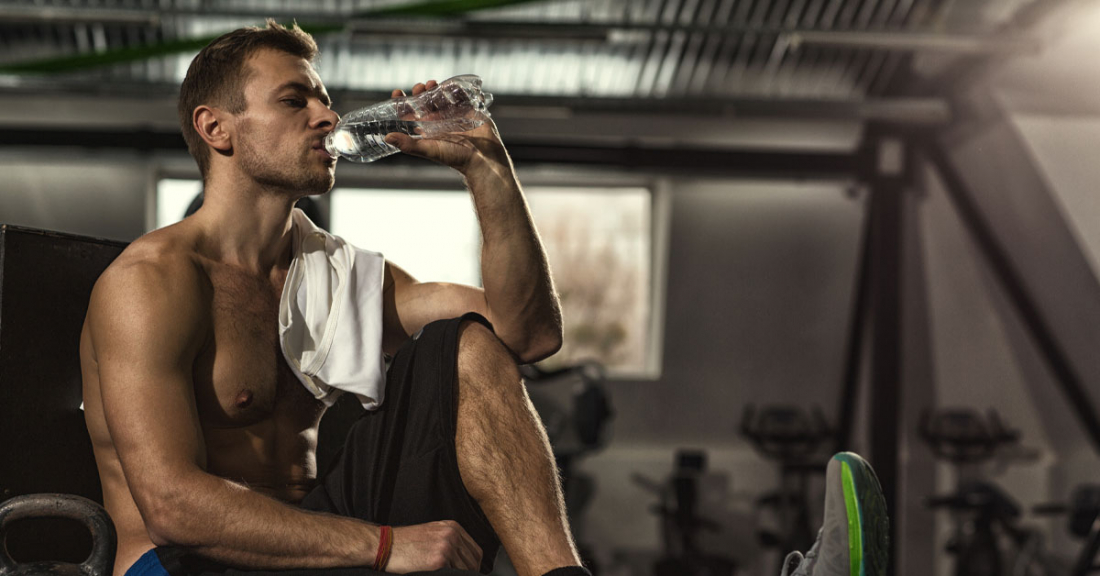
Crucially, dehydration can also seriously affect not only physical well-being but also mental health, and in a very significant way indeed. The results of many studies suggest that even mild dehydration - i.e. a loss of just 1 to 2 per cent of body water - can impair cognitive function, cause fatigue and a decline in physical and mental performance.
Without proper hydration, we expose the body to serious (even life-threatening) consequences. For example, the body needs water for the following very important processes:
- creating electrolyte balance
- regulating body temperature
- normalising blood pressure
- stabilising the heart rate
- nutrition and oxygen transport
- detoxification of the body from waste and bacteria
- digestive processes
- muscle regeneration
- proper joint function
- strong immune system
...and much more
Besides all of the above, water is also an important component in weight loss! In fact, water helps to prolong our feeling of satiety, which can help us keep a lid on our calorie intake. However, be careful - we are certainly not saying that we need to overdrink in order to eat less, or that water should be substituted for regular food! Of course, the body needs energy and it is up to us to give it enough, even when we want to reduce weight.

Risks and side effects of dehydration
Dehydration is generally a very adverse condition that we should try to avoid. However, there are some factors that require extra attention for optimal hydration. For example, people over the age of 65 are more prone to dehydration, or conversely, children and infants. Pregnant women, people with health problems such as obesity, diabetes and heart disease, and people who take long-term medications (especially if they are diuretics or thyroid medications) should also be careful about drinking. Then, of course, there are logical factors such as very warm weather, going to the sauna, or playing sports.
Given the key role water plays in our bodies, dehydration affects many areas of the body and can cause minor and major problems. The most common side effects of dehydration include:
- Dizziness
- difficulty concentrating
- nausea
- bloating and indigestion
- muscle and joint pain
- sweating
- headaches
- skin deterioration, dry skin
- fatigue
- changes in pulse rhythm
Although hydration is really important, there is no need to overdo it at all costs. Just like dehydration, hyperhydration has its negative consequences. Particularly in people who suffer from kidney or liver problems, excessive fluid intake can have fatal consequences. Excessive water intake can also cause headaches, dizziness, impaired concentration and, in more serious cases, kidney problems or urinary tract infections.

How can we ensure that our bodies are adequately hydrated?
Let's take a look at the ways in which we can actually ensure that our bodies are sufficiently hydrated
Drinking
Of course, drinking enough is the key. It's very difficult to give a generally valid amount of optimal daily fluid intake because, as is usual in nutrition, each of us will be satisfied with a different amount and each human body has slightly different needs depending on factors such as occupation, intensity and frequency of sporting activities, outdoor temperature, eating habits and more. General recommendations say that an adult should take in 30-45 millilitres of fluid per day for every kilogram of their weight. This recommendation is much more accurate than some guidelines ala 8 glasses a day and so on.
Drinking should optimally consist of plain water, but you can also vary it with a variety of fruits, herbs or even cucumber slices. Coffee, sports drinks and some foods, which we'll get to later, also count towards your drinking regime. Be careful with sports and energy drinks, however, as they are often a significant source of sugar and caffeine, which may not be entirely desirable, especially when consuming large quantities. The same applies to sweetened sodas. It is also very important to observe how much water your body is actually leaving. If you play sports, stay in warm weather or simply sweat more, you need to increase your fluid intake proportionally. Recreational athletes only need a few millilitres, while top athletes need to increase their fluid intake a little more radically.
Sweating is a kind of "cooling system" by which the body tries to regulate the body temperature and return it to normal when the body gets hotter. Sweating causes a large loss of body fluid reserves and if not continuously replenished, fatigue, performance and cognitive decline occur more quickly. This is why drinking is one of the most important elements of training for athletes who want to perform at their best. If we train intensively for more than an hour, we should also think about a drink containing electrolytes, which are not replenished by plain water and are also lost during intense activities.
A simple tool to check that your drinking regime is sufficient is the colour of your urine. If it is slightly yellowish to almost transparent, we are hydrated enough. If it is strongly yellow, on the other hand, the body is lacking fluids and needs to be gradually replenished. We should not drink only once, but continuously throughout the day.
Eat more fruit and vegetables
The second step, which is essential for adequate hydration, is to incorporate more fruits and vegetables into the diet, as these are hydrating and nutritious foods that can contribute significantly to ensuring that our body is adequately supplied with water. In addition to water, fruits and vegetables also contain other health benefits, so eating them is a good idea. Which fruits and vegetables contain the most water? Celery, watermelon, cucumber, kiwi, citrus, pineapple, lettuce, tomatoes, broccoli, cauliflower, zucchini, avocado, grapes, onions and berries.
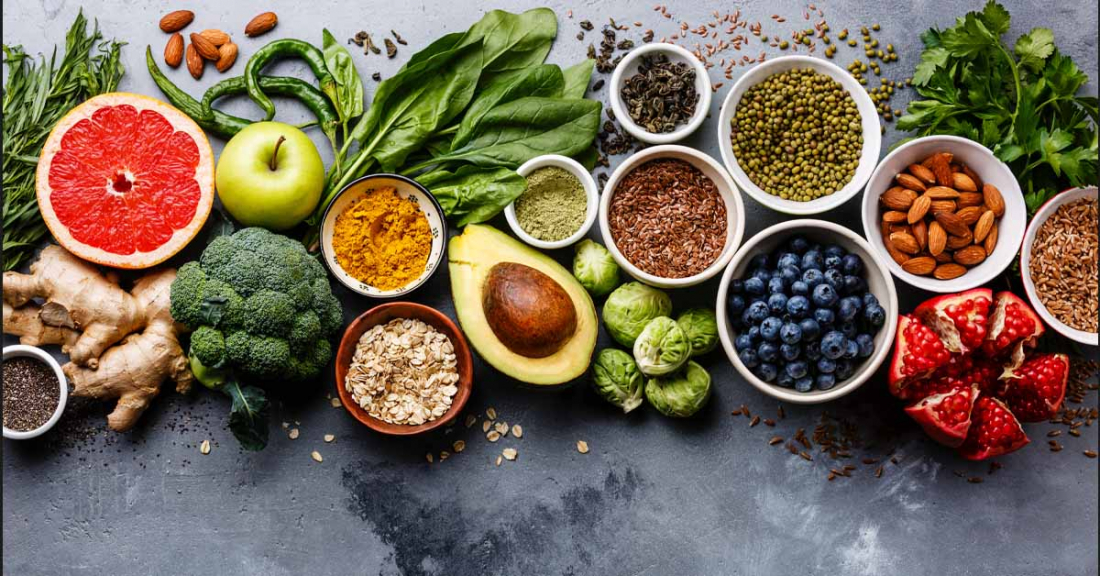
In addition to their water content, fruits and vegetables also contain important electrolytes such as magnesium, calcium, potassium and sodium, which are closely related to hydration and help regulate water in the body. In general, it is recommended to consume 3-5 portions of fruit and vegetables every day, and they can be eaten fresh, cooked or even canned. In addition to fruit and vegetables, potatoes or cooked rice are also good sources of fluid. Soups and broths are also included in the drinking regime. In addition, foods contain other vitamins and minerals that are important for the overall health of our body and also give it the energy it needs to function.
Beware of foods and drinks that dehydrate
To stay properly hydrated, it's important to avoid sugary drinks (and foods), alcohol and large doses of caffeine. In addition, sugar-laden drinks and alcohol can cause inflammation, and excessive intake can result in unpleasant side effects such as brain fog, fatigue, headaches and blood sugar fluctuations. If you're going to consume alcohol, remember to drink plain water while you're doing so, as this is the only way to avoid headaches and total fatigue the next day.
Taking ionic drinks before or during training is advisable. After the workout, it's a good idea not to worry about the salt in your food and feel free to indulge in a slightly saltier portion.
Recommended
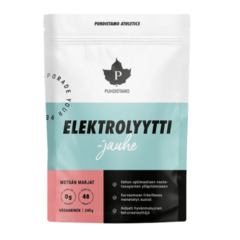
Puhdistamo Electrolyte Powder
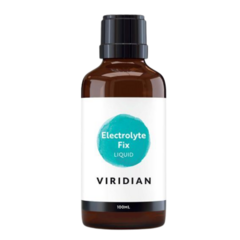
Viridian SPORTS Electrolyte Fix
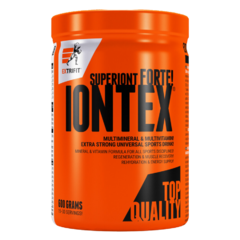
Extrifit Iontex Forte

Prom-in SUPREME Iont Drink
What to take away from the article?
Adequate hydration is essential for the overall health and optimal functioning of our bodies. Water is absolutely essential for the human body and if our body does not have enough of it, it can have more or less serious consequences. For example, dehydration can lead to a decline in physical and mental performance, headaches and fatigue, dry skin or even dizziness. Drinking should ideally be filled with plain water or water-rich foods, such as fruit and vegetables in particular. How much water should I actually take in each day? General recommendations say that an adult should take in 30-45 millilitres of fluid per kilogram of their weight per day, but of course there are situations where fluid intake needs to be increased - warm weather, sport or excessive sweating.
Sources:
Riebl, S. K., & Davy, B. M. (2013). The Hydration Equation: Update on Water Balance and Cognitive Performance. ACSM's health & fitness journal, 17(6), 21-28. https://doi.org/10.1249/FIT.0b013e3182a9570f
Nakamura, Y., Watanabe, H., Tanaka, A., Yasui, M., Nishihira, J., & Murayama, N. (2020). Effect of Increased Daily Water Intake and Hydration on Health in Japanese Adults. Nutrients, 12(4), 1191. https://doi.org/10.3390/nu12041191
Cuddy, J. S., Ham, J. A., Harger, S. G., Slivka, D. R., & Ruby, B. C. (2008). Effects of an electrolyte additive on hydration and drinking behavior during wildfire suppression. Wilderness & environmental medicine, 19(3), 172-180. https://doi.org/10.1580/07-WEME-OR-114.1
Shaheen, N. A., Alqahtani, A. A., Assiri, H., Alkhodair, R., & Hussein, M. A. (2018). Public knowledge of dehydration and fluid intake practices: variation by participants' characteristics. BMC public health, 18(1), 1346. https://doi.org/10.1186/s12889-018-6252-5
Polhuis, K., Wijnen, A., Sierksma, A., Calame, W., & Tieland, M. (2017). The Diuretic Action of Weak and Strong Alcoholic Beverages in Elderly Men: A Randomized Diet-Controlled Crossover Trial. Nutrients, 9(7), 660. https://doi.org/10.3390/nu9070660
No posts have been made yet.