





How to use electrolytes correctly?
 Author:
 As soon as it starts to get warmer, a number of athletes start sharing photos of various electrolyte-containing products on social media, claiming that it is an absolute must for training on hot summer days. However, most of the time, not many people will write about how electrolytes should actually be used to get the most out of them. In our article today, we'll take a closer look at electrolyte use and dosage.
Article content:
- What are electrolytes?
- Why do they always appear in summer?
- How much electrolytes do we lose by exercising?
- Extreme situations require extreme solutions
- What electrolytes to choose?
What are electrolytes?
We have already written a separate comprehensive article about electrolytes on our website, which we definitely recommend to read before buying electrolytes. However, for the purposes of today's article, you should know at least some basics, which we will present in this article. Electrolytes are usually referred to as particles with a positive or negative charge that makes them capable of generating electrical impulses in the body. These in turn influence a variety of activities, from muscle contractions to heart rhythms to the proper functioning of the nervous system. Some of the most well-known electrolytes include magnesium, potassium, sodium, phosphorus, calcium and chlorine.
Why do they always appear in summer?
Electrolytes are naturally occurring in our bodies and we can influence their levels primarily by the composition of our diet - it is good to have as much variety in our diet as possible with dairy products, vegetables, fruit, meat including fish, seeds, legumes and other foods. Once our body gets electrolytes from the diet, it naturally tends to keep the levels as stable as possible. In summer, however, our bodies have a slightly more difficult time because we sweat, which can lead to dehydration. This, combined with, for example, strenuous strength training, causes a fairly significant depletion of electrolytes from the body, leading to electrolyte imbalance, which can manifest itself, among other things, in fatigue, nausea, susceptibility to cramps, dry mouth and frequent urination. And of course, it also negatively impacts your training performance, which is an important reason to replenish your levels during training in the summer when people sweat a lot more.

During hard workouts, when you sweat a lot, a lot of electrolytes leave your body.
How much electrolytes do we lose by exercising?
As we hinted in the previous paragraph, electrolytes leave the body primarily through sweat - this is, after all, why human sweat is salty. And it's safe to say that the saltier it is, the more electrolytes leave the body - this is largely determined by genetic predisposition, diet composition, and how your body reacts to heat. If you feel dizzy, light-headed or have muscle cramps at the end of (or during) a hard workout, it's likely that a lot of electrolytes have left your sweat.
Extreme situations require extreme solutions
Naturally, our bodies naturally try to maintain as stable an environment as possible. But the problem is that strenuous workouts in already extreme weather aren't exactly ideal for the body, and while fluid replenishment in the heat is extremely important, water alone may not be quite enough to maintain electrolyte balance. Elite athletes, people with excessive sweating and athletes training in extreme heat are therefore advised to use electrolytes in some form before, during and even after training. Let's look at each situation in more detail:
Don't be afraid of salt before training
If the temperature outside is far above 30 degrees and you are about to train, we have an important tip for you. Salt your pre-workout food properly - although sodium is much demonised, it is actually extremely important and in a litre of sweat, it can remove grams of sodium from the body, which is a really incredibly large number. So it's not a bad idea to either take plenty of salt with the pre-workout meal consumed roughly 90 minutes before sport, or drink some sort of ionic drink roughly half an hour before training, which we'll cover in the next section of our article.

Don't be afraid to properly salt your pre-workout meal if you know you're in for a tough workout.
Drink both water and an ion drink during your workout
When training, most athletes primarily drink water - and this is of course correct and can't be faulted. However, once it's warm and your workout lasts for an extended period of time, it may not be a bad idea to alternate water with an ionic drink. The two most important ingredients that any intra-workout should contain are simple carbohydrates in some reasonable amount and, again, a sufficient load of sodium. But many products today are much more complex and contain other electrolytes as well.
Eat well again after your workout
If you feel like you've sweated through your shirt on a workout and your workout was really intense, don't be afraid to re-supplement with enough salt in your post-workout meal. It's good to drink water too, of course, but water alone may not rehydrate your body as effectively. Since salt helps to retain water in the body, it's not a bad idea to treat yourself to a salted meal again or to reach for a protein that already contains salt. Typically, these are proteins like our New 100% Whey Protein in a salted caramel variant.
Which electrolytes to choose?
As we have discussed in the previous three paragraphs, ionic drinks are primarily intended before and during training, after training a salty meal or a salty protein is quite sufficient. But which electrolyte replenishment products to choose? The following products in particular are popular in our store and actually represent other available products well:
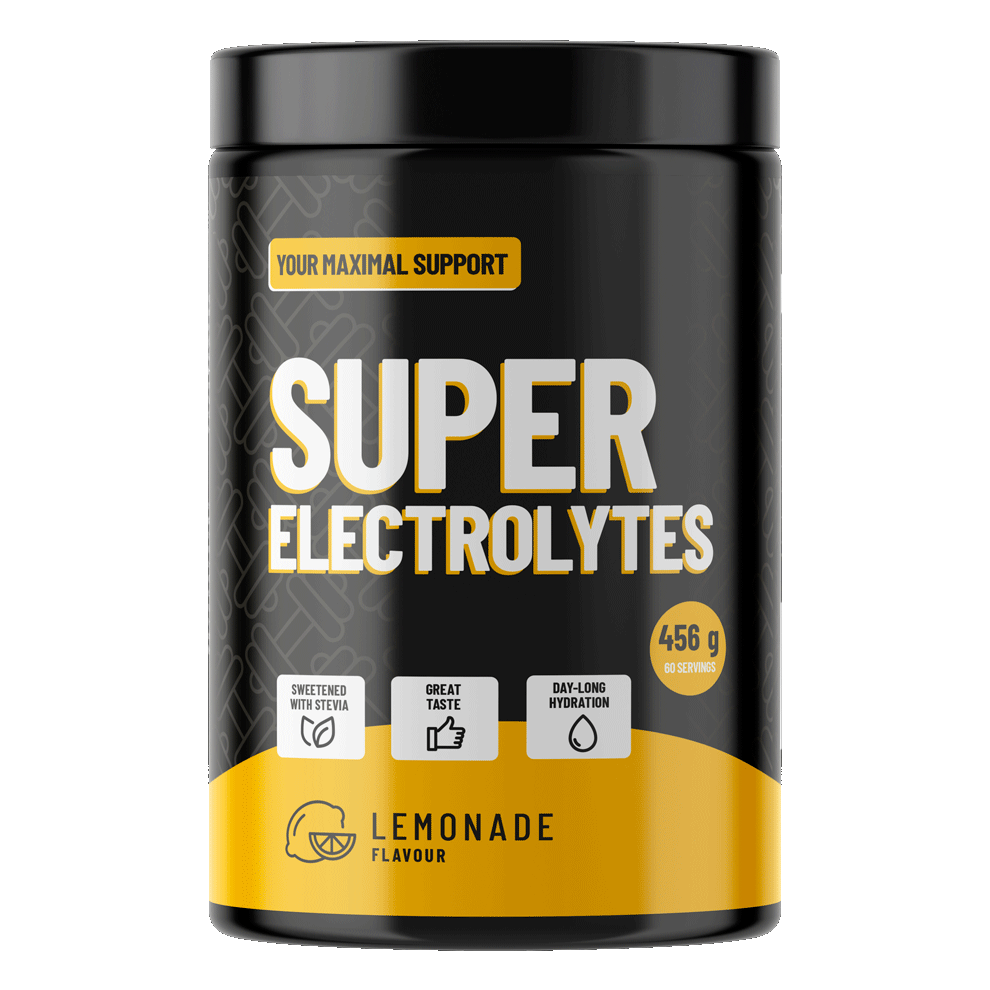
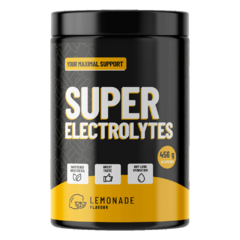
Bodybuilding.com Super Electrolytes
The market leader among electrolytes is definitely Super Electrolytes, designed by Robert Humpál from the Supertrener.cz project!
What does our Super Electrolytes contain?
Our Super Electrolytes are carefully designed to provide maximum support for your body. They contain:
- D-robose - for fast energy
- Potassium - for proper muscle function
- Magnesium (taurate and malate) - to reduce fatigue
- Vitamin B6 - for metabolic support
- Creatine - for increased physical performance
Plus, they have a refreshing lemon flavour and are sweetened with natural stevia so you'll love drinking them!
Easy to use anytime, anywhere
Our Super Electrolytes are in bulk form, which means you can easily add them to water and have your refreshing drink available anytime, anywhere. Just dissolve one scoop (7.6g) in 300-500ml of water and enjoy a great feeling of refreshment and energy.
Supertrainer recommends taking 1-2 scoops per day, dissolved in water.
Be active and be super with our Super Electrolytes! Feel free to treat yourself to a product that will give you performance and refreshment all in one. Try Bodybuilding.com Super Electrolytes today!
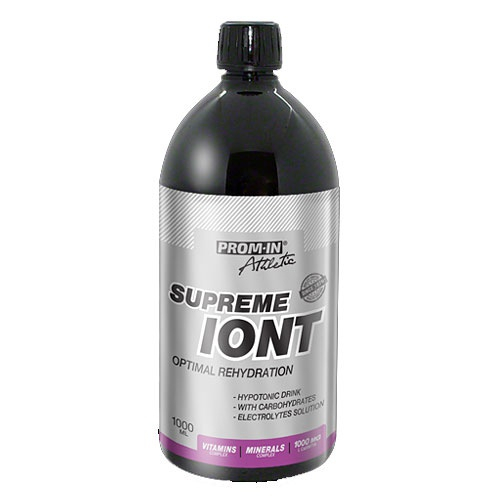
Prom-in SUPREME Ion Drink
This ionic drink represents liquid sources of electrolytes. In the case of already mixed products, you have to take into account that they contain some preservatives - in this product, for example, there is potassium sorbate. But apart from that, SUPREME is actually an incredibly high quality product that contains exactly what a good ion drink should have - magnesium, sodium, potassium and the addition of l-carnitine and B vitamins, which are very important for athletes, are worth mentioning. It is not a bad idea to add a dosing pump to this product.
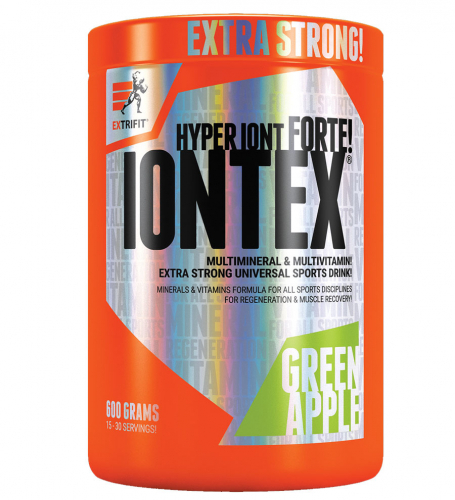
Extrifit Iontex Forte
Very similar in terms of composition is Iontex Forte, which also contains primarily magnesium, potassium, sodium, B vitamins and carbohydrates. The main difference, however, is the powder form, which may be a more practical option if you need to take, say, a few doses on a longer trip. If you prepare your ionic drink at home and take it exclusively to the gym, the form doesn't matter much. For preparation outside the home, however, the powder is a bit more practical.
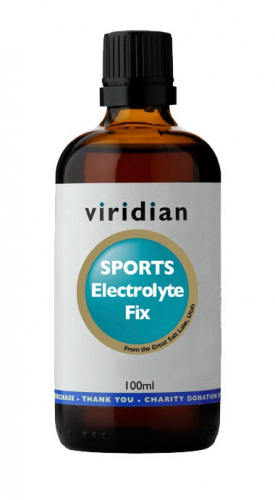
Viridian SPORTS Electrolyte Fix
Viridian's ionic drink is a concentrate of minerals from the Great Salt Lake located in the western Utah state. In this electrolyte complex you will find only chlorine, magnesium, sodium and potassium. The composition of Viridian SPORTS Electrolyte Fix is therefore slightly less extensive than the previous two products, but it is a 100% pure natural product without any colorants, flavorings or other additives.
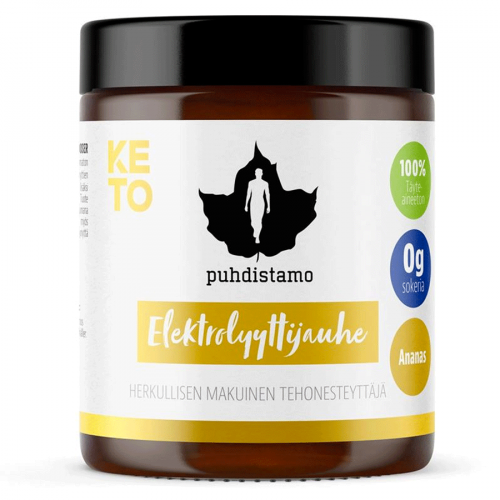
Puhdistamo Electrolyte Powder
This supplement is the imaginary counterpart of the above mentioned supplement from Viridian. In fact, Puhdistamo Electrolyte Powder is a complex of a large number of substances - besides the important potassium, sodium and magnesium, you can find vitamin C and a portion of MSM, which helps to reduce muscle soreness.
In addition to powder and liquid forms, you can also find (especially abroad) various chewing gum, tablets and candies. These products do not contain water and you don't even have to mix them in anything, which actually makes them ideal for endurance athletes such as marathon runners who cannot drink, for example, half a litre of liquid at a time due to the extreme load.
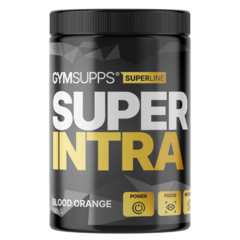
At the same time, it is good to say that not all products that are suitable for training are presented and sold as electrolytes. For example, such Super Intra is actually more of an essential amino acid complex, but it contains sodium and potassium as an additive. However, due to the good price per dose, many people will definitely prefer it to electrolytes as such.

How do I know how much electrolytes I should replenish?
The dosage of electrolytes is usually indicated on each product by the supplement manufacturer. And unfortunately, it is impossible to define a universal amount of electrolytes that you should take during training, because it depends on the level of sweating, the intensity of training and the composition of the diet. If we're talking about some average values, most athletes will lose roughly 1-2% of their weight during an hour and a half of intense training in the summer. So the athlete's weight multiplied by this number defines how much fluid you should take in. In terms of electrolyte intake alone, you'll often see recommendations for at least 60 mg of sodium and 15 mg of potassium - but athletes exposed to extreme exercise may need many times more of both minerals. More essential is the supplementation of the aforementioned sodium, of which common table salt is also a source; potassium is a very nice bonus.
What to take away from today's article?
The main thing you should take away from today's article is that electrolytes are an indispensable part of our body and influence a wide range of reactions. Even though the body tries to keep them in some kind of balance naturally, hard training in the summer months makes it quite fundamentally more difficult. And work, therefore, is not out of place taking ionic drinks suitable before or during training. After the workout, it's a good idea not to worry about the salt in your food and to enjoy a slightly saltier portion. When training, you can then reach for either liquid SUPREME from Prom-in, or powdered Iontex Forte from Extrifit, or choose our product, which is the market leader on Bodybuilding.com Super Electrolytes.
Recommended
GymSupps Super Intra
No posts have been made yet.








