What are these electrolytes that are so often talked about?
 Author:
 Electrolytes are a much talked about topic, and not only when it comes to sports nutrition. Not only are they found throughout the human body - in blood, sweat and urine - but they also play a vital role in virtually every process that takes place in the body, from handling fluid balance, influencing heart function, coordinating muscle contractions and being important for optimal brain function. Athletes in particular are a highly vulnerable group who often suffer from a lack of these.
Fortunately, electrolytes are naturally present in a variety of commonly available foods, making it easy to replenish them, or supplements are now very readily available to help make up for deficiencies quickly. We too often mention electrolytes and their importance in articles, but it's important to give them a solo one where we explain their function in the body and look at why it's important to have the right ratio of electrolytes, what they do and where to actually get them from.
Article Content:
- Theoretical window - what are electrolytes?
- So what do electrolytes actually do in the body?
- How does electrolyte imbalance occur?
- The best sources of electrolytes
- How can you ensure that your body has enough electrolytes?
- Electrolytes in supplements
Theoretical window - what are electrolytes?
When we dig into physics, we find a definition that says electrolytes are non-metallic electrical conductors in which current is carried by the movement of ions. I can see the horrified expressions now as you imagine an electric current passing through your body. Simply put, electrolytes are particles that acquire and carry either a positive or negative charge when dissolved in water. The most common and important electrolytes in the body are magnesium, phosphorus, sodium, potassium, calcium and chlorine.
So what do electrolytes actually do in the body?
These important minerals are involved in a number of metabolic processes, all of which are essential for overall health. Logically, electrolyte imbalances have many negative effects on the body, ranging from excessive fatigue, lethargy, nervous breakdown, excessive water retention, muscle cramps, headaches, heart rhythm disturbances and more.
Our bodies alternate electrolytes in one of three places: inside the cells, outside the cells, or in the blood. Having these important minerals in different reservoirs helps the body distribute water evenly, as electrolytes affect fluid retention, thus our appearance, and even bloating. For example, too much salt, or conversely too little salt, can cause bloating as a result of our body trying to find balance. Further, electrolytes affectheart health, bone strength, brain function, nervous system function and muscle processes such as contractions, and also affect the appearance and fullness of muscles through water retention.

If we focus on the electrolytes found in the blood, they are actually capable of conducting electricity. These charges create electrical impulses important for controlling many functions in the body, such as stimulating muscle contractions, controlling the rhythm of the heart, and regulating nerve cell function. With electrolytes, it's actually like paying your electric bill. When you do, everything works as it should - regular heart rhythm, proper muscle function and energy distribution. But just like when you don't pay your electric bill, your provider cuts off your supply and you're home in the dark, insufficient electrolyte intake is "punished" - cellular function is disrupted, which can lead to heart rhythm disturbances and arrhythmias, or even muscle cramps.
How does electrolyte imbalance occur?
The electrolyte levels in the blood are tightly regulated by the body to keep them as stable as possible. However, in some cases, electrolyte concentrations can increase or decrease and get above or below normal levels, which can cause an electrolyte imbalance that is not good for the body. Electrolyte levels can be disrupted by several factors and conditions that can have detrimental effects on health. The most common situations that cause electrolyte imbalances in the body include:
- Dehydration.
- Food intake disorders.
- Excessive training.
- Poor diet composition.
- Kidney disorders.
- Overuse of certain medications such as laxatives, diuretics, or antibiotics.
- Fluid loss caused by vomiting or diarrhea.
- Excessive sweating.
- Hormonal imbalance.
- Malabsorption (difficulty absorbing nutrients from food)
Symptoms of electrolyte imbalance can vary depending on the severity, the specific minerals thatare currently skewed, and also the direction in which your levels are skewed - that is, whether they are too high or too low. Although a slight imbalance may not cause any serious problems, significant fluctuations can have serious side effects and in some cases can even be fatal. Common symptoms of imbalance include:
- Irregular heartbeat
- Lethargy
- Fatigue
- Muscle weakness and cramps
- Headaches and nausea
- Constipation
- Frequent urination
- Dry mouth
- Mood changes
- Increased thirst
- Vomiting
- Loss of appetite
- Difficulty sleeping
- Digestive problems
If you experience these or other symptoms of imbalance, ideally consult your doctor about how to compensate for the deficiency and the best course of treatment. The best way to detect an electrolyte imbalance is with a urine test, blood tests and kidney tests. If you suspect, contact your doctor to have the tests done.
Caution should be exercised by people who follow any restrictive diet, such as modern keto right now . This is because ketosis and higher water intake can lead to more frequent urination, which causes certain nutrients to be flushed out of the body more quickly. Ensuring adequate electrolytes can help minimize symptoms of the so-called "keto flu" such as headaches, fatigue and mood changes. People taking diuretics and laxatives and those with heart and kidney disease are also a critical group.
The best sources of electrolytes
We've talked enough about how we actually lose electrolytes. Wondering how to replenish electrolytes and where to actually look for them to keep your levels at the levels they should be? One of the easiest and most effective methods to get electrolytes is a healthy and balanced diet that includes a bunch of electrolyte-rich foods like fruits, vegetables, legumes, fatty fish, avocados, nuts or seeds.
Not only are these foods rich in natural electrolytes, but they also provide a variety of other important nutrients that your body needs, including vitamins, minerals, fiber, and antioxidants. Let's take a look at each electrolyte and tell you the best sources to include in your diet so that you can get enough of them.

Calcium
It affects muscle contraction, nerve signaling, blood clotting, cell division, and the formation and strength of bones and teeth.
- Recommended daily allowance: 1,300 milligrams/day
- Best sources: yogurt, kefir, milk, cheese, sardines, leafy greens, almonds.
Sodium
It is a very important electrolyte for athletes and should definitely not be too restrictively excluded from the diet. It helps maintain the fluid balance needed for muscle contraction and is involved in nerve signalling.
- Recommended daily allowance: no more than 2 400 milligrams/day
- Sources: cottage cheese, salt, pickles, olives
Phosphorus
Phosphorus plays an important role in the mineralization and construction of bones and teeth, phosphate circulating in the blood ensures the maintenance of acid-base balance in the blood, and influences muscle contraction and the conduction of nerve impulses.
- Recommended daily allowance: 1 250 milligrams/day
- Sources: meat, fish, poultry, dairy products, nuts, seeds, legumes
Magnesium
We devoted an entire article to magnesium quite recently. In short, it is needed for muscle contraction, proper heart rhythm, nerve function, bone building and strength, plays an important role in treating depression, affects digestion and maintaining a stable fluid balance.
- Recommended daily dose: 300-400 milligrams/day
- Sources: nuts, seeds, dark chocolate, avocados, whole grains, beans, bananas
Potassium
Helps maintain stable blood pressure, regulates heart function, helps coordinate muscle function.
- Recommended daily allowance: 4,700 milligrams/day
- Sources: bananas, potatoes, spinach, lentils, beans, beets, dried fruit
Chlorine
Important in balancing fluids in the body.
- Recommended daily allowance: 2,300 milligrams/day
- Sources: table salt, seaweed, tomatoes, celery, olives
How to ensure that your body has enough electrolytes?
A healthy diet
The first step to correcting an electrolyte imbalance is to identify its development. For many people , it is an inappropriate diet high in processed foods that contains high amounts of sodium but is poor in other electrolytes such as magnesium or potassium that is the main indicator in the development of an imbalance. In many cases, minor electrolyte imbalances can be corrected simply by making changes to the diet.
Focus on eating unprocessed foods, especially a bunch of fruits and vegetables, which are good sources of magnesium and potassium. Some of the best ones include leafy greens, broccoli or cabbage, starchy vegetables like sweet potatoes or squash, bananas and avocados. Some very good foods that will give you plenty of electrolytes and hydrate at the same time are celery, coconut water, watermelon, cucumber, kiwi, citrus, pineapple, fermented dairy products, salmon or peppers.
Another thing to consider is whether you are consuming enough calcium. Add plenty of dairy products to your diet , ideally yogurt with probiotic cultures, hard cheeses or a variety of fermented products , and it is also possible to get calcium from leafy greens, other vegetables, beans and legumes.

Drink plenty of water, but not too much
Electrolyte imbalances can develop when the amount of water in the body changes, i.e. when dehydration or over-hydration occurs. Drinking sufficient, but not excessive, amounts of water without diluting the cells helps regulate sodium and potassium levels so they are neither high nor low. How much water do you optimally need? That depends on everyone's individual needs. It's very hard to give any general recommendation on how much water to actually drink -it depends on age, physical disposition, sports activity, climate, etc.
Keep in mind that during sports, in hot weather and also during illnesses that include symptoms such as vomiting or diarrhea, the need for hydration is increased. Higher fluid intake should also be observed by pregnant and breastfeeding women. Is it possible to drink too much water? Overhydration is rare, but yes, it is possible. The kidneys are unable to excrete high amounts of excess water, which can lead to diluted electrolytes in the blood. This could result in low sodium levels, which is more common in endurance athletes (who often try to compensate for sweating by drinking lots of water), but rarely occurs in the general population.
After physical activity, reach for electrolytes
Athletes and those who exercise regularly need to be aware of the fact that their bodies use electrolytes significantly more than inactive individuals and need to be aware of the need for increased intake. Sweating occurs during physical activity , and sweating is one of the ways in which the body loses valuable electrolytes - sweating during exercise usually results in the greatest loss of sodium and chlorine. The rate of electrolyte loss usually exceeds our body's ability to reabsorb them.
What exactly does this mean? That athletes, or people moving in warm or humid environments for more than an hour, have increased electrolyte needs than inactive people, so we need to replenish these minerals with a carefully balanced diet or sports drink.

To optimize hydration, athletes (and not only them of course) should drink plenty of water. You can tell that you are drinking enough simply by the color of your urine, which should be light. If your workout lasts longer than 60 minutes, it is advisable to replenish your electrolyte stores during or after your workout, for example with an electrolyte drink, to compensate for lost electrolytes.
The biggest barrier to consuming sports drinks is the concern that sports drinks contain sugar. This may be true, but sugar actually helps the small intestine to absorb electrolytes quickly and without much difficulty. Athletes who exercise for more than an hour can even benefit from the calories taken in through sugar to aid muscle nutrition and recovery. These calories just need to be accounted for and somewhere to balance their intake. Training under 60 minutes, or low intensity training, is unlikely to require the consumption of an electrolyte drink and it will be fine to top up your electrolyte levels with a suitable post-workout meal.
Beware of medications
Antibiotics, diuretics, hormone pills, blood pressure medication and corticosteroids can all affect electrolyte levels. Laxatives or diuretics also alter potassium and sodium levels in the blood and urine. It is also possible to develop electrolyte imbalances due to hormonal interactions of antidiuretic hormone, aldosterone, and thyroid medications . Even high levels of physiological stress can affect hormones to the extent that fluid and electrolyte levels become out of balance.
Patients undergoing chemotherapy are also at risk . If you have just started a new medication and have noticed mood changes, a drop in energy, changes in heart rhythm or difficulty sleeping, then discuss the situation with your doctor as it could just be an electrolyte imbalance.
Keep your sodium intake under control
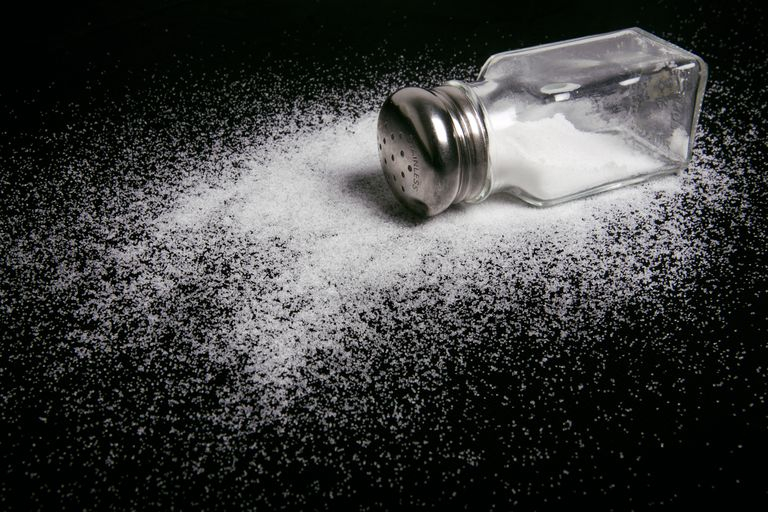
If you consume large amounts of highly processed and packaged foods, control the amount of salt added. Sodium is an electrolyte that plays an important role in the body's ability to retain or release water, so if your diet is very high in sodium, the body will bind more water, which can cause complications with balancing other electrolytes. Optimal sodium levels are a very important consideration , especially for diabetics and the elderly who have increased needs for this mineral. Therefore, those who consume excessive amounts of processed foods and convenience foods must also be cautious.
When suffering from diarrhoeal diseases, vomiting or taking diuretics or laxatives, it is important to ensure adequate hydration, as there is a significant loss of sodium. These can also occur as a result of extreme exercise or overtraining. Monitoring the amount of sodium you consume helps prevent symptoms of deficiency or excess, including bloating, lethargy, dehydration, weakness, irritability and muscle cramps. Drinking water, being sensible with salt and eating plenty of unprocessed foods will provide you with important electrolyte balance.
Electrolytes in supplements
In addition to taking in electrolytes through plenty of food, you can also reach for supplements containing them. For healthy adults, consuming supplements or drinks with electrolytes is usually not particularly necessary, as most people can meet their needs with a healthy diet rich in whole, minimally processed foods. But there are situations where supplementation is a very appropriate tool to ensure the body receives an adequate supply of minerals.
This is true for athletes, for example, but in general for all active individuals, including us recreational exercisers. Magnesium and potassium are the two most commonly deficient electrolytes. By taking magnesium you can prevent muscle cramps, fatigue, anxiety, depression and sleep problems.
However, excessive use of supplements containing it is not beneficial either . Yes, even high levels of certain minerals can wreak havoc on the body similar to that wreaked by a deficiency.This is why electrolyte supplementation needs to be taken sensibly - most ordinary athletes really just need to follow the principles of healthy eatingand include supplements such as a good quality multivitamin, calcium or magnesium to achieve optimal mineral intake and take according to the recommended dosage.
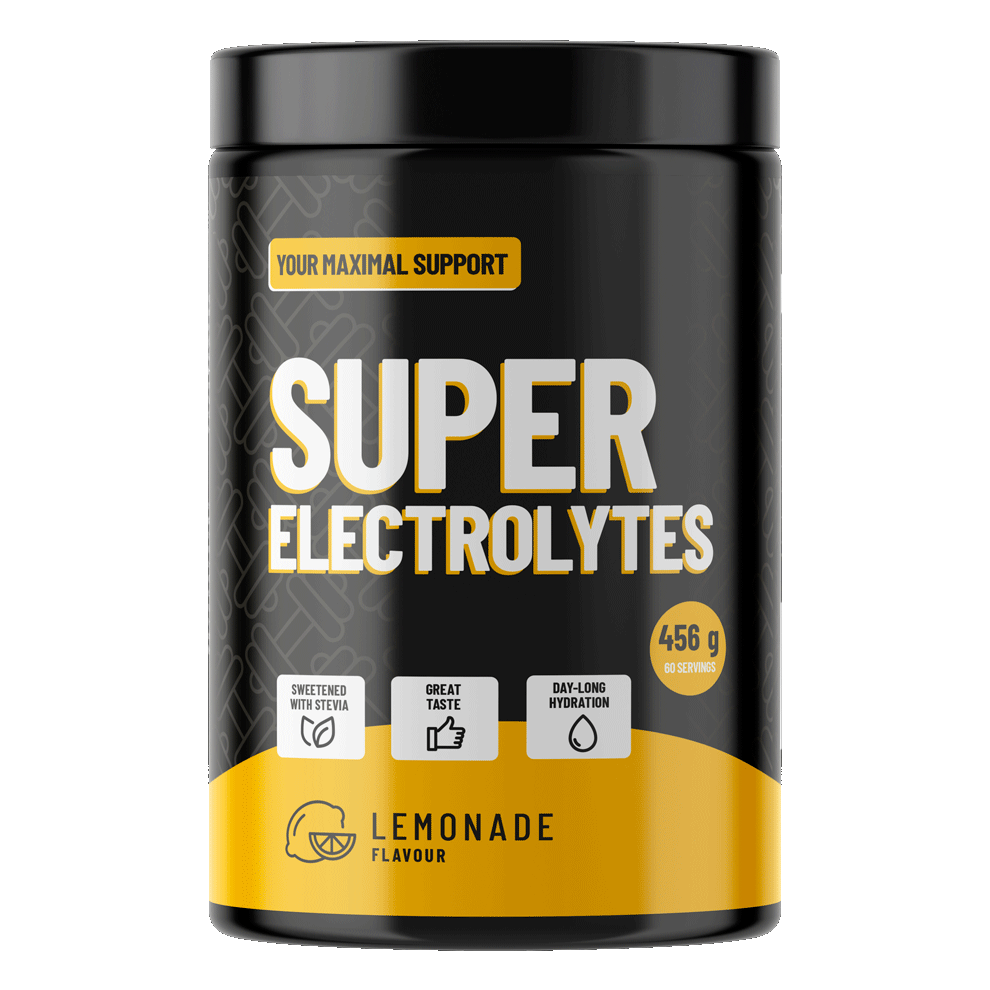
Bodybuilding.com Super Electrolytes - the best electrolytes on the market!
Super Electrolytes are designed to provide you with energy and refreshment. Whether you are an athlete or live an active lifestyle, Super Electrolytes is perfect for you. You may already be familiar with the term electrolytes from sports drinks. But did you know that everyone needs electrolytes? Because electrolytes are essential for the proper functioning of our bodies. They are crucial for many bodily functions that keep us going and ensure our vitality.
Without enough electrolytes, our bodies could not function as they should. For example, electrolytes play a vital role in fluid regulation, nerve signal transmission and muscle contraction. It is therefore important to replenish them regularly. Our Super Electrolytes are exactly what your body needs to keep it strong and fit.
What to take away from the article
Electrolytes are very important nutrients that are involved in many important functions in the body. For athletes, they are important in the manipulation of water in the body, which affects the appearance and strength of the muscles, and also their sufficient intake is a good prevention against cramps, muscle pain, heart rhythm disturbances and ensure enough energy. Balanced electrolyte levels are important for overall health not only in sports, but in every person.
Athletes are a group that has increased demands on electrolyte intake because they lose them during activity due to sweat. Their balance can be ensured by proper diet, exercise, regulating the intake of processed foods and therefore large amounts of sodium, adequate, but not excessive, hydration and by not overusing certain medications. In addition, we can take supplements which can very easily help us replenish electrolytes.
Recommended
GymSupps Super Intra
Sources:
https://www.ncbi.nlm.nih.gov/pmc/articles/PMC4602249/
https://academic.oup.com/nutritionreviews/article/73/suppl_2/57/1930269
https://www.ncbi.nlm.nih.gov/pubmed/15656483
https://www.ncbi.nlm.nih.gov/pmc/articles/PMC4129840/
https://www.ncbi.nlm.nih.gov/pubmed/22150427
https://medlineplus.gov/fluidandelectrolytebalance.html
http://chemocare.com/chemotherapy/side-effects/electrolyte-imbalance.aspx
https://www.ausmed.com/cpd/articles/normal-electrolyte-levels
No posts have been made yet.