





8 tips to make grilling a really healthy affair!
 Author:
 Summer is in full swing, and what would summer be without a good barbecue! Barbecues are a very popular summer pastime, not only in homes, cottages and patios, but also in restaurants. And we're not surprised, because the taste of grilled meat or fish is simply divine. The advantage is that you can throw basically anything on the grill - from different types of meat, fish, cheese, but also vegetables, fruit, bread, corn or even potatoes. However, few people realise that although grilled meat is often presented as a healthy option, when grilled incorrectly, it produces toxic and carcinogenic substances that can have a negative impact on our health. In particular, polycyclic aromatic hydrocarbons (PAHs) and heterocyclic amines (HCAs). Read our tips, avoid common mistakes and enjoy a really healthy summer barbecue!
Theoretical window - what are PAHs and HCAs and how are they formed?
Heterocyclic amines (HCAs) and polycyclic aromatic hydrocarbons (PAHs) are chemicals that are formed during the cooking of animal foods (especially meat) at high temperatures, for example when pan-frying or grilling directly over an open flame. In laboratory experiments, HCAs and PAHs have been found to be mutagenic - that is, they cause changes in DNA that may increase the risk of developing cancer.
HCAs form when amino acids (the building blocks of proteins), sugars, and creatine or creatinine (substances in muscles) react at high temperatures. PAHs form when fat and juices from cooked meat drip directly onto a hot surface or into a fire, causing flames and smoke. The smoke contains PAHs, which then stick to the surface of the meat and we consume them. HCAs are not found in significant quantities in foods other than meat prepared at high temperatures. PAHs can be found in smoked foods, for example, but also in cigarette smoke and car exhaust fumes.
The formation of HCAs and PAHs varies according to the type of meat, the method of cooking and, of course, the cooking time (i.e. the degree of browning). If meat (regardless of type) is exposed to direct flames, especially at temperatures up to over 300 °C, then PAHs are formed directly on the surface of the food. Okay, enough negative talk about the pollutants produced during grilling, let's go over some tips on how to prevent their formation so we can enjoy our summer barbecues to the fullest.

1. Don't underestimate the selection and preparation of your grill
The key to a healthy summer barbecue is a suitable grill. For healthy grilling, it's important to do everything you can to keep the grill smoking as little as possible. Although many of you won't like to hear it, the classic charcoal or wood grill, where the meat is in direct contact with the fire, is the worst choice. The fat, juices and marinade dripping from the meat directly into the fire during cooking causes the aforementioned smoke, which contains carcinogens and toxic substances that then attach themselves to the meat.
Contact, gas or lava grills are therefore far preferable. If you don't want to give up your charcoal grill, buy charcoal of sufficient quality to burn without residue. When cooking meat, make sure you always grill over hot coals, not direct flames. Ideally, get a grill that drains the dripping liquid into a channel to prevent it from coming into contact with the coals or other heat source. You can also mitigate dripping fat and juices by using grill trays.
Be sure to clean the grill well before and after each use. We know, after a good meal, cleaning the grill is the last thing you want to do, but by all means go do it. Wash the grease off the grill, remove any burnt bits of food that will start to char and catch on the next time you put new food on the grill. Also wipe the grill clean of dust and pollen before use, this will definitely not spoil anything.

2. Quality and lean meat
One of the basic steps of a healthy barbecue is the right choice of meat. First and foremost, avoid all kinds of grilled meats. No pre-made burgers, sausages or sausages. Sausages, as a type of ultra-processed food, have nothing to do with a healthy diet, God knows what's in them and the fats from them will definitely not be healthy. Choose leaner cuts of meat - poultry, lean beef or fish. Grilled trout, perhaps? That's a luxurious gastronomic experience! If you're in the mood for a burger, grind up a lean piece of meat, mix it at home with fresh herbs, a clove of garlic, salt and pepper and get it on the grill! Rest assured, you'll never want to see a store-bought burger again!
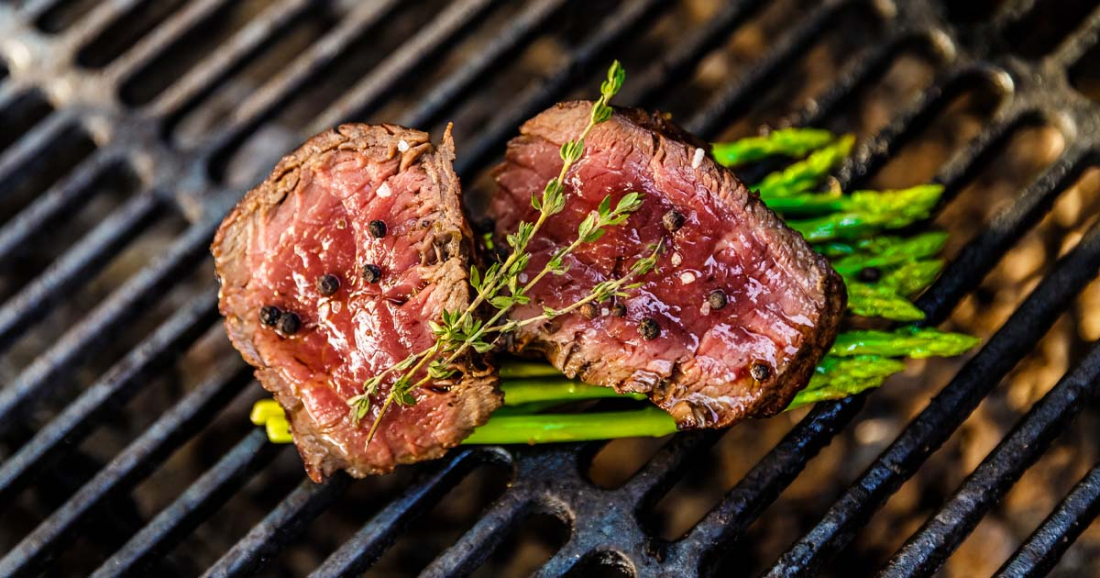
If you're a fan of fattier meats, remove the skin and try to trim the visible fatty parts at least a little. Slice the meat, regardless of the type, into thinner slices or perhaps cut it into cubes and skewer it. This will reduce cooking time and the risk of harmful substances. Never sear meat completely through - not only will it taste like a sole, but it will also be on the grill for an unnecessarily long time, increasing its exposure to potential carcinogens and toxins. A great way to prepare food that you can also use when grilling is papillote. You can wrap your meat in baking paper, with vegetables, potatoes and herbs. Papillote is great for preparing fish, which has more tender meat and can fall apart when cooked on the grill.
3. The right marinade can work wonders
Choosing the right marinade can make all the difference to the formation of carcinogenic compounds during grilling. The composition of the marinade will tenderise the meat, give it a great flavour and speed up its preparation. However, forget about bought marinades and make a simple one yourself at home. In fact, bought marinades often contain added sugar or high-fructose corn syrup, two problematic ingredients that make grilling much more dangerous because they increase the likelihood of charring, which can lead to a threefold increase in the production of carcinogens.
To make a homemade marinade, feel free to use something more acidic - vinegar, wine or lemon juice, add garlic, ginger, soy sauce and be sure not to forget the herbs. It has been scientifically proven that the use of these ingredients can reduce HCA (heterocyclic amines) levels by up to 95%. For an unusual taste experience, try a marinade made from yoghurt. You can also use a good quality oil - it is advisable to choose one that can withstand high temperatures, such as avocado, rapeseed or sesame oil. But don't overdo it with the amount of oil!
4. Don't use a fork, get stylish grill tongs
When grilling, forget about piercing the meat with a fork or knife. Pricking the meat will release the juices, which may start to burn or drip onto the coals. The dripping juices make the meat unnecessarily dry. So only use grill tongs on meat. As well as avoiding the needling of the meat, which you miss out on, tongs also make it much easier to handle the food on the grill and avoid burns and meat coming off the fork and falling into the fire.
5. No meat? Grill cheese, tofu or even tempeh
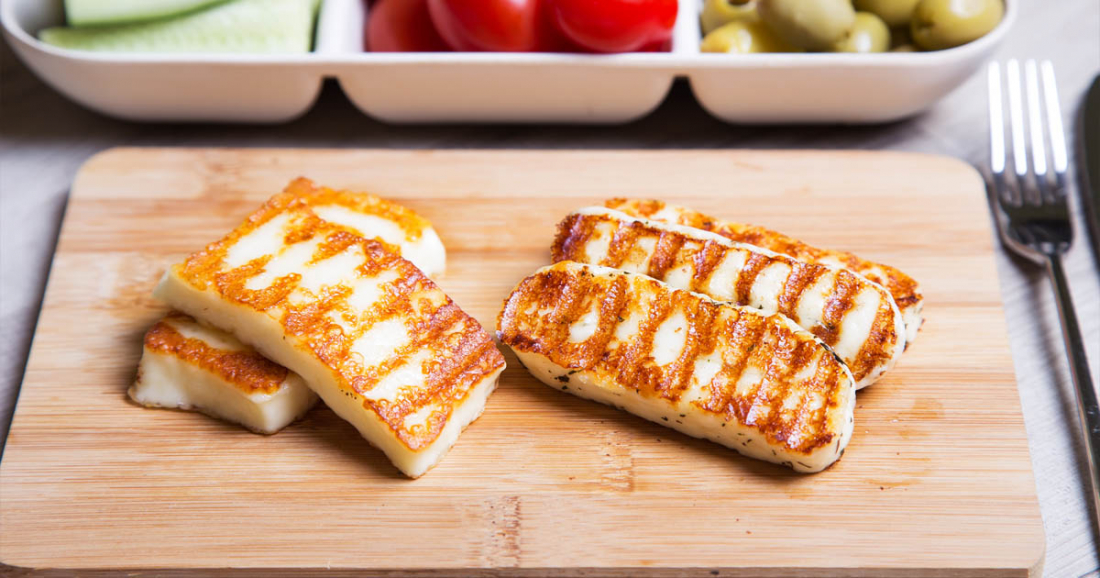
So far we've mainly covered meat, but of course you can also throw cheese or a plant-based meat substitute on the grill. The only problem with cheese is the high fat content - so in this case, it's definitely a good idea to go for the light option and save some fat. The most popular grilling cheese is probably ermine or the currently popular halloumi cheese. However, both cheeses have at least 25g of fat per 100g and you need to allow for a higher fat intake. Other alternative sources of protein are also great for grilling - escargot, tofu or even tempeh. In short, there is something for everyone of any diet!
6. Don't forget the vegetables!
The fact that vegetables are healthy probably doesn't need to be debated at length. All kinds of fresh vegetables go perfectly with grilled meat, fish or cheese. Check out our article on how to turn a salad into a balanced meal and use grilled meat or cheese as a source of protein. But vegetables can also be thrown on the grill! Grilled vegetables are easy to prepare, and they produce the absolute minimum of toxic and harmful substances. Popular grilled delicacies include tomatoes, onions, courgettes and aubergines. But you don't have to keep a low profile! Try throwing corn, avocados, carrots or even pumpkin on the grill. Grilled vegetables are best eaten on their own, but you can also use them to make spreads, dips, toss them in a salad or turn them into a great soup. You can also skewer the vegetables together with the meat - not only does it look great, it tastes great too!
Recommended

Czech Virus Joint MAX InflamaCare

Puhdistamo Digestive Enzymes
Amix Carb Blocker
7. Beware of bought sauces and dips
A good marinade will do a lot, but if you are a fan of various sauces, ketchups and dips, without which you can't imagine eating grilled meat, then you'd better prepare them at home. Such a bought dip can turn your food into a calorie bomb. Take white yoghurt, mix it with garlic, salt and herbs and we guarantee that you will enjoy it immensely! This simple yoghurt dip can be prepared in countless ways - change the herbs, add turmeric or even lemon juice. You can also use light sour cream.
The same goes for store-bought salad dressings. For example, you can make a simple dressing for a fresh vegetable salad by mixing olive oil, balsamic vinegar, salt, pepper and lemon juice. Even homemade salad dressing can be made in countless variations.
8. Sweet spot? Try grilled fruit!
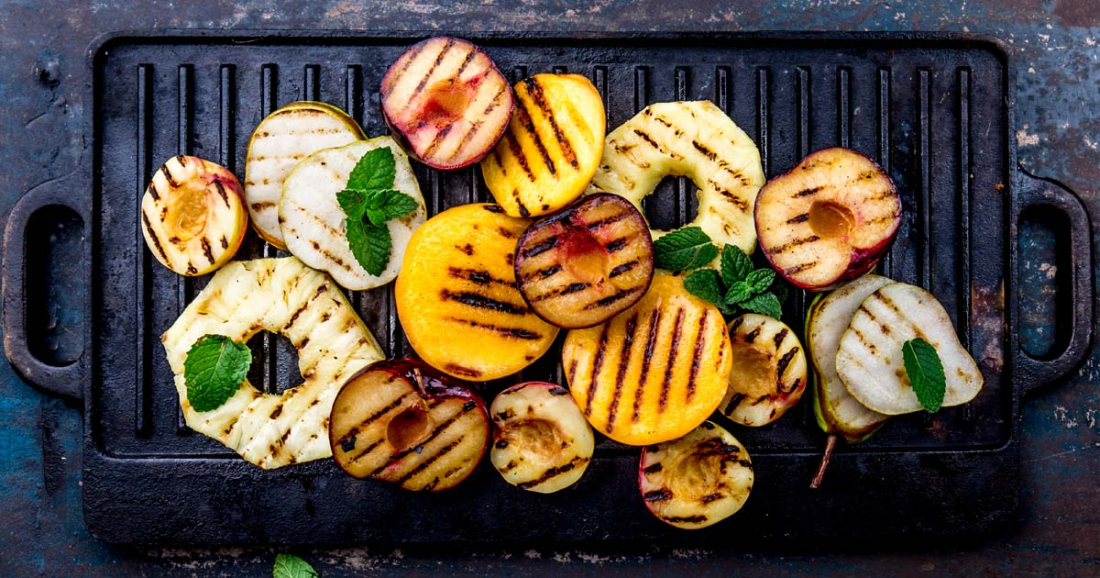
You can also use the grill to prepare a healthy dessert - grilled fruit is a great accompaniment to any barbecue and everyone will enjoy it. Pineapples, peaches, apricots or even bananas are perfect for the grill. You can skewer the fruit and grill it as a skewer, or cut it into rounds or halves and simply grill it on the grill. Once the fruit is toasted, eat it just as it is, or top it with white yogurt or garnish with a dollop of sour cream. You can also add nuts.
What to take away from this article?
Barbecuing is a favourite summer activity for many of us. Many people make unnecessary mistakes when grilling that lead to carcinogenic and toxic substances. But thanks to our tips, you don't have to make them and can enjoy the summer grilling season completely stress-free! From today's article, we know that healthy grilling starts with choosing the right grill. The type of meat and the length of time it takes to cook also play a role. We also said that if we use a suitable marinade (for example, with vinegar, wine or lemon juice) we can reduce the formation of harmful substances. Vegetables, fish or cheese are also great for the grill. We should be wary of store-bought sauces, dips and salad dressings, as these things can subtly turn a barbecue into a high-calorie affair! Luckily, making a homemade dip or salad dressing is no chore. You can also put a variety of fruits on the grill as a sweet spot. Finally, if you want to make your barbecue really healthy, you shouldn't overdo it with alcohol while grilling.
Sources:
Cross, A. J., & Sinha, R. (2004). Meat-related mutagens/carcinogens in the etiology of colorectal cancer. Environmental and molecular mutagenesis, 44(1), 44-55. https://doi.org/10.1002/em.20030
Jägerstad, M., & Skog, K. (2005). Genotoxicity of heat-processed foods. Mutation research, 574(1-2), 156-172. https://doi.org/10.1016/j.mrfmmm.2005.01.030
Cai, T., Yao, L., & Turesky, R. J. (2016). Bioactivation of Heterocyclic Aromatic Amines by UDP Glucuronosyltransferases. Chemical research in toxicology, 29(5), 879-891. https://doi.org/10.1021/acs.chemrestox.6b00046
No posts have been made yet.








