





How to get rid of excess fat after the bulking phase? Step by step instructions!
 Author:
 Now that you've gained weight, it's time to get rid of the unwanted fat that's covering up your hard-gained muscle mass! Follow the instructions in this guide for fat reduction after the bulking phase.
The most common problem with post-volume weight loss
Most exercisers have a choice between reducing and bulking. After all, during the bulking phase, you can eat plenty of high-calorie foods, you don't have to worry about hunger, you can indulge in a few junk foods and treats, and you should feel stronger.
Cutting out always means a stricter diet. This means that some people end up with their perpetual fatness, which in fitness parlance means they just get fatter! Sure, they lift heavy weights and look big and muscular, but they also end up carrying a lot of extra fat. Not only does this affect their appearance, but excess body weight is bad for your health, even if you exercise regularly.
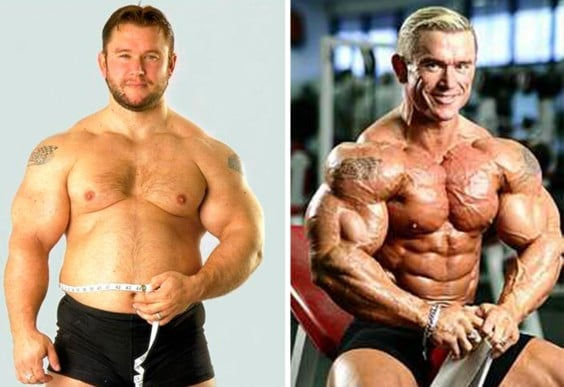
Smart exercisers get rid of excess pounds of fat after volume training. The result should be a lean, muscular physique. However, if you try to reduce too aggressively or follow an inappropriate training regime, you may lose a lot of muscle mass as well as fat. After weeks or months of volume dieting, that's really the last thing you want. So the key to successful reduction is losing fat while retaining as much muscle mass as possible. This can be a difficult process, but if you follow the steps outlined in this guide, your chances of success are much higher!
Instructions on how to do it:
How do you know when it's time to switch from the bulking phase to dieting? It's really a matter of personal decision, but the main reasons to start include:
1. You've reached your goal body weight.
2. You have reached the end date you set for the bulking phase.
3. You want to start preparing for a big event, e.g. a competition or holiday etc.
You are tired of forcing yourself to eat.
4. You miss looking at your abs!
5. Whatever the reason, if you want your reduction to be successful, following these steps will make the whole process much easier.
Step 1 - Choose a start date and set a goal
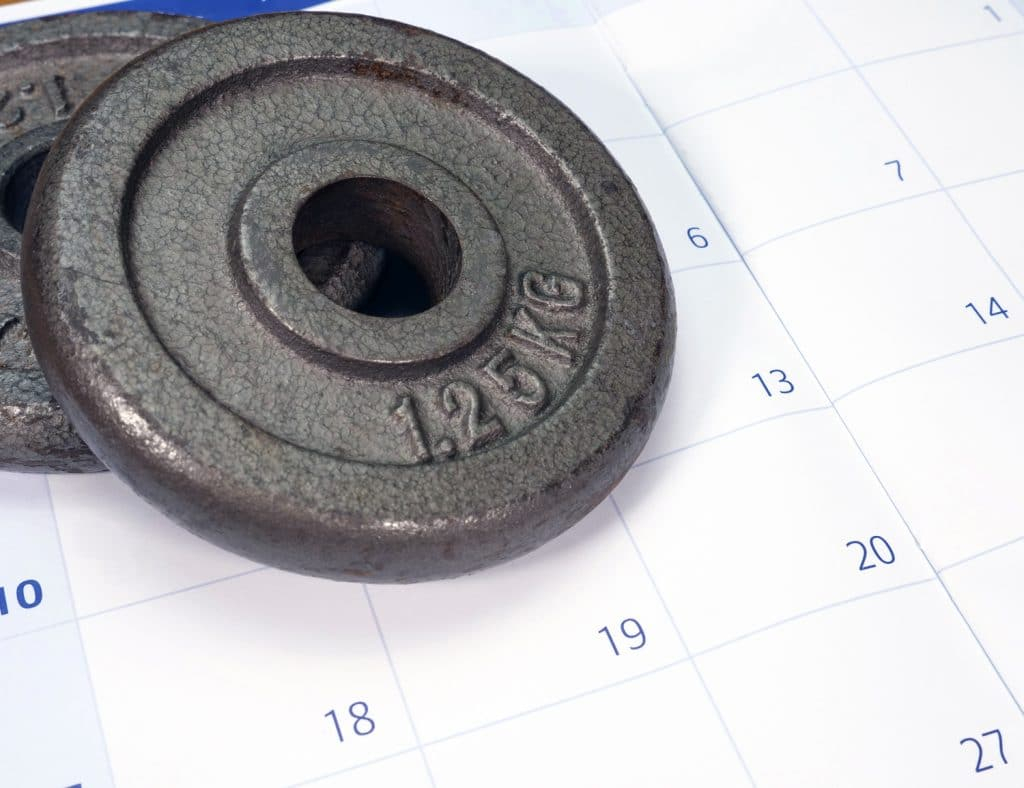
As mentioned, the bulking phase is always more enjoyable than the "cutting out" phase. That's why it's very tempting to put off weight loss for as long as possible. "I'll start next week" can quickly become "I'll start next month" and so on. Unfortunately, the longer you wait before you start, the longer your reduction will have to be because you will have more fat to get rid of afterwards.
Avoid procrastination by choosing a date to start losing weight. Write it down on your calendar and stick to it.
Also decide how much fat or weight you want to lose. Although your goal may change up or down, it's always good to have a goal to work towards. Alternatively, you can choose an end date, such as in 12 weeks or the date of an event you want to peak.
Having a time frame will help you focus on what you are going to do.
Step 2 - Plan a suitable diet
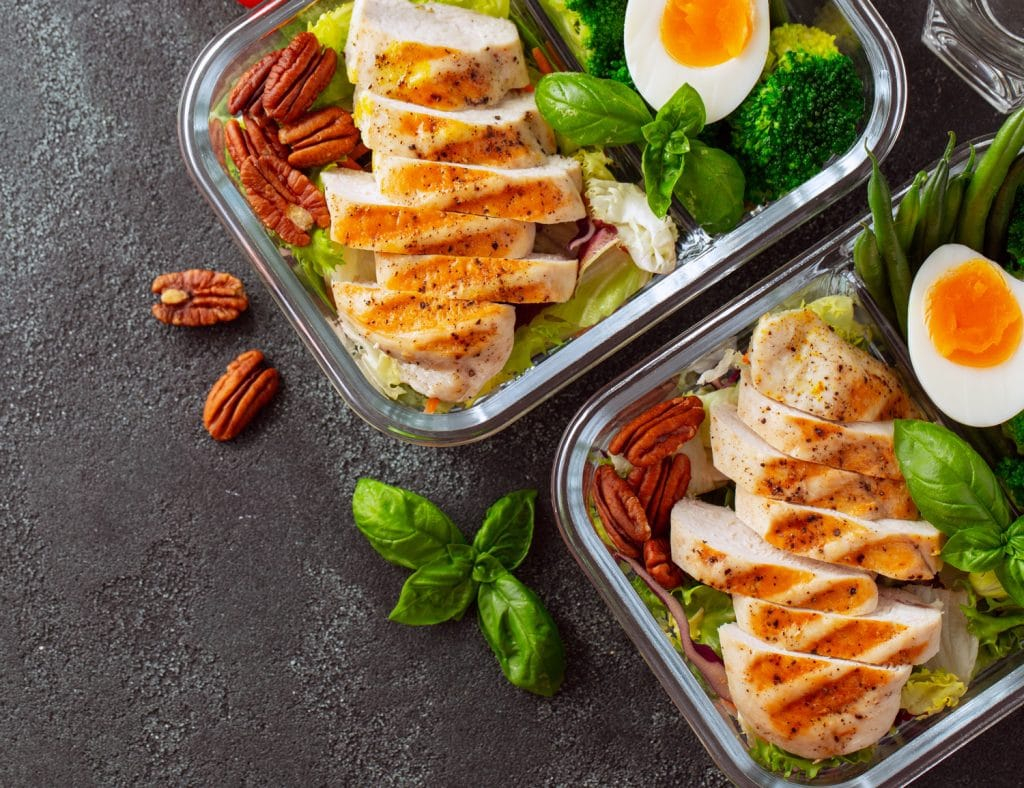
Failing to plan is planning to fail, well at least that's what they say. Planning your diet will make it easier for you to lose weight. If you find yourself feeling hungry and haven't planned your next meal, you may be cheating on your diet. If you plan your meals in advance, you are much less likely to cheat.
There are many diets that can help you cut back, including carb cycling, intermittent fasting, and the keto diet. However, it's important to remember that diets only work if they lead to a calorie deficit. Have a diet plan drawn up and then stick to it, making sure it brings you into a calorie deficit first.
When choosing a diet, you need to pay attention to:
Enjoyment - don't you like to skip meals? Forget intermittent fasting. If a diet doesn't suit you, the chances of you sticking to it are slim.
Affordability - can you afford to buy the foods that are part of the diet? Not for a week or a month, but for as long as it takes to reach your goal.
Practicality - how easy is it to follow your chosen diet plan? If it involves the preparation of special foods or the use of exotic ingredients, do you have the means to follow it? Choose a diet that integrates seamlessly into your lifestyle to avoid unnecessary termination.
Protein - to maintain muscle mass, you need to take in sufficient amounts of protein. Diets low in protein are not a good choice for the weight loss we want. Most exercisers need approximately two grams of protein per kilogram of body weight, and much less could contribute to muscle loss.
Health - This is the most important thing. Some diets are better for you than others. Ideally, losing weight should be a healthy experience in life. Some diets are definitely unhealthy and are better avoided. Look for diet plans that are backed by a lot of research and that have been proven to be safe, or really choose the person you have your diet plan from carefully.
Once you've chosen a diet, start preparing by buying the foods you'll need and cleaning out your cupboards of foods that could ruin your reduction. After all, if you still have a freezer full of ice cream left over from your bulky phase, having easy access to it could mean you'll be more tempted to cheat!

Step 3 - Track your calories and macros
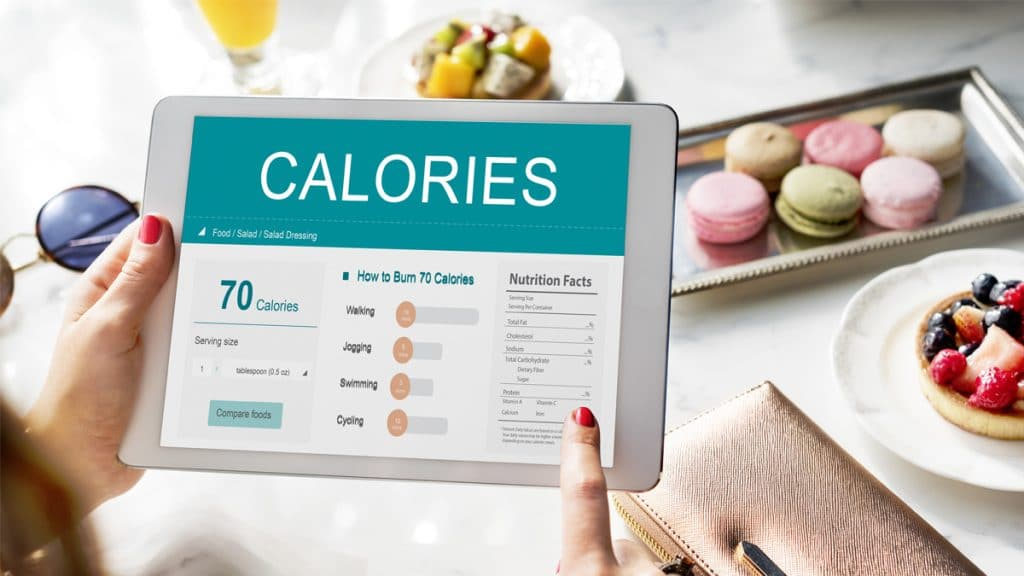
The best way to make sure you're sticking to your diet is to start tracking your calories and macros. While it can be time consuming, you're much more likely to meet your daily calorie and macros goal. Get in the habit of recording every bite of food you eat. Do this during the meal, not after, when it's easy to forget or enter inaccurate data. This will mean weighing your food. However, this step is very worthwhile as it will ensure that you are still maintaining a calorie deficit.
You should also find that you are still eating the same foods. Save your favourite foods and meals so that you can record them more easily next time. After a few weeks, you will probably find that recording your food intake takes seconds rather than minutes. Tracking calories can also be motivating. Once you start to develop an unbroken streak of calorie deficit days, you'll want to keep it up.
Step 4 - Incorporate regular cardio

If you're in a calorie deficit and you're working out hard and intensely, you shouldn't need a lot of cardio to lose weight. Still, if you want to lose fat faster, cardio can help. However, if you feel like you have to do hours of cardio to burn fat, it may be that you are overeating and it may be easier to just tighten up your diet.
Regardless, both low-intensity steady-state training (LISS) and high-intensity interval training (HIIT) can help you burn fat faster by increasing your caloric expenditure and contributing to your caloric deficit. However, be careful not to perform too much cardio exercise as this could lead to faster muscle loss, especially with LISS.
Three or four twenty to forty minute cardio workouts a week should be enough to help you lose weight faster. Supplement cardio workouts with plenty of walking, such as 10,000 steps a day. This will not tire you out, will not cause muscle atrophy, but will increase your caloric deficit.
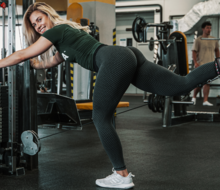
Step 5 - Don't be afraid of heavy weights
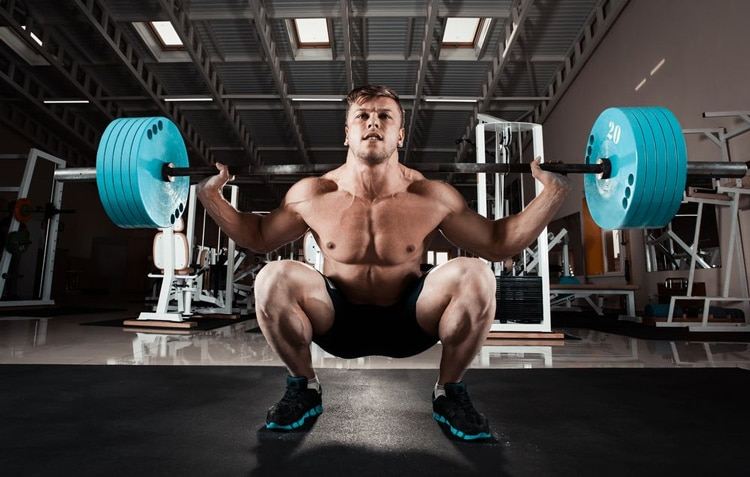
In the golden era of bodybuilding, many exercisers followed so-called "cutting" workouts. This has always meant moving from heavy compound lifting to lighter weights and isolation exercises. This approach is NOT recommended for natural exercisers. If you are taking steroids, you probably won't lose much muscle mass and may even gain some by "cutting out" and lifting light weights. But for someone not taking AS this approach will lead to significant muscle loss.
Your body operates on the "use it or lose it" principle. So if you want to maintain muscle mass, you need to constantly load your muscles and the best way to do that is through intense strength training. Isolated exercises with high repetitions and low weight are not as demanding as heavy, complex training. Therefore, it is a mistake to switch to light workouts when you are transitioning from the volume phase to the reduction phase. Instead, you should try to continue lifting heavily and avoid lowering weights.
Since you are working with a caloric deficit, some loss of muscle mass and a decrease in strength is quite inevitable. However, you can minimize any losses by continuing to train with heavy weights.
Step 6 - Constantly monitor your progress

Stay motivated and monitor your progress to make sure your efforts are paying off. After all, you may think you're in a calorie deficit and you're getting enough in, but that's not guaranteed either. We're all different and something works for everyone, so you'll need to check your progress to make sure you're actually losing fat.
Some ways to do this include:
1. Waist measurements
2. Checking body fat percentage
3. Tracking body weight
4. Progress photos (same light, same place, same distance)
Source: FitnessVolt, Author: Patrick Dale
Recommended
No posts have been made yet.








