





What are the best tools for stretching? These 3 are a must have!
 Author:
 If you ask people around you why they go to the gym, many of them will probably tell you that they just like to lift weights. Unfortunately, working out isn't just about heavy weights and new maximums, it's also about recovery and stretching, which should be an integral part of your workout. But do you know why and how to do it? In our article today, we'll answer that question, plus give you 3 tips on tools that will make pre-workout stretching really fun.
Article content:
- Why Stretch Anyway?
- What should a stretch look like?
- What kind of tools to use?
- What to take away from today's article?
Why stretch?
Although many people stretch before a workout by trying to touch their toes and such, this is absolutely wrong. We covered the detailed reasons why static stretching before training is nonsense in a separate article, and for the purposes of today's one, the primary thing you should know is that stretching before training needs to be dynamic. This is the only way to effectively boost performance, provide some injury prevention and also switch into some sort of training mode. This last point is extremely important - it is naive to think that after a day spent on an office chair, your body will suddenly switch to a state of maximum performance in the gym.
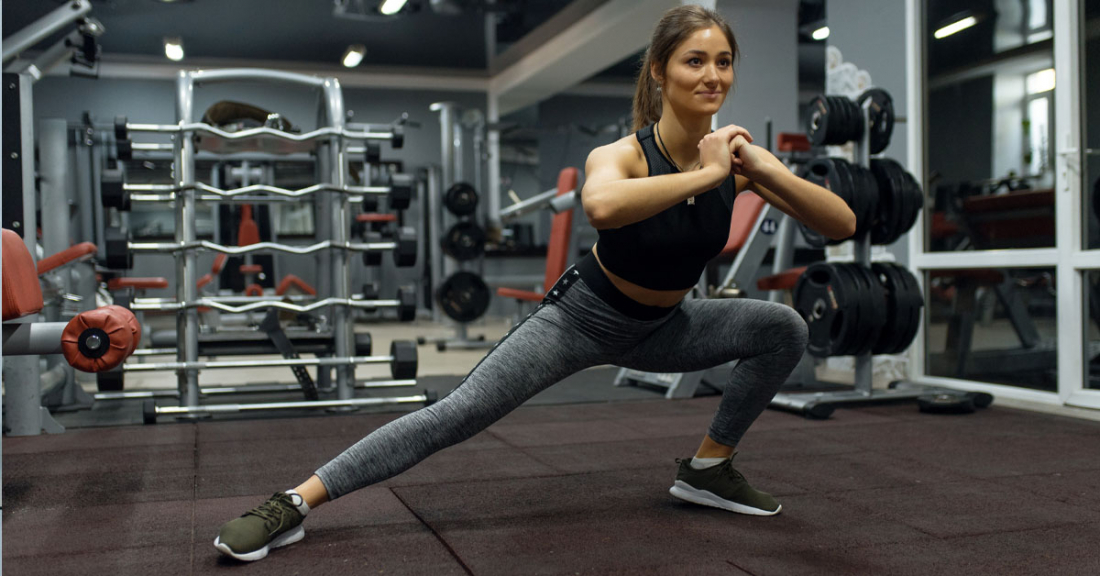
Static stretching before a workout is definitely not recommended.
What should such a stretch look like?
Now that you already know that a proper stretch should be dynamic, you should also know that ideally it is a half-hour affair and should consist of three independent parts. The first part should consist of some kind of general warm-up - you can achieve this on a treadmill, a stationary bike or perhaps an athletic alphabet. The length of this part is very individual, but it is important that you do not get tired before the workout - so do not spend more than 10 minutes on it. About the same amount of time is good to allocate for the dynamic stretching itself, and we will talk about the form of specific exercises in the next part of the article. And the third part of the dynamic warm-up should consist of completing warm-up series for individual exercises. So if you're going to train your legs, for example, do a few sets of squats with your own weight, a few lunges and maybe a few sets with minimal weight on the leg press. While it may sound tedious, this warm-up will actually prepare you for a proper workout.
What equipment to use?
Although many athletes aren't too fond of stretching before training, it's actually a very good activity where you can choose from dozens of different movements and, if you're even a little bit interested, it will avoid any training stereotype. Even more so if you use any of these three aids:
Foam roller
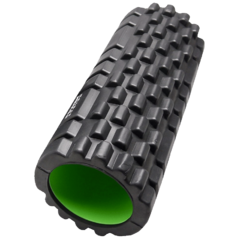
Certainly the most famous of the aids, which we must not leave out in today's article, is the foam roller. As the name suggests, it is a foam roller that is used to massage more or less all parts of the body. And of course, there are many reasons to do this before a workout. Firstly, the foam roller is proven to be good for improving overall flexibility, but secondly, it also ensures proper blood circulation to the massaged parts and thus actually reduces the level of muscle tension. Therefore, you should definitely stretch at least those parts that you are going to load in a particular workout using the foam roller. The great advantage is that most good gyms already have a foam roller available, so you most likely won't have to take anything extra to the gym. You can also read a separate article about this equipment on our website, which may well convince you that buying a good quality foam roller is a really good investment. You can see what stretching with a foam roller looks like in the following video:
Lacrosse ball
A lacrosse ball will help you focus on more specific parts of each muscle. You don't see it as often, but it costs a few crowns and does a good job. It is usually a rubber and quite hard massage ball, which is able to exert a lot of pressure on individual muscle groups. Many experts recommend it especially for activating the foot, which is extremely important before training squats and deadlifts, but a lacrosse ball comes in handy more or less every time. Of course, other types of balls can also be used, but the lacrosse ball is generally the most recommended because of its hardness. Again, the following video can help you activate your foot before training:
Resistive rubbers
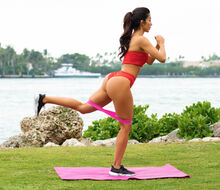
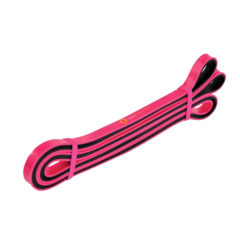
The last piece of equipment that should not be missing from any athlete's repertoire are resistance bands. These also have a huge range of uses and can be used both for stretching before training and as a variable weight on dumbbells. A great one is the deadlift, for example, where you have one end of the rubber wrapped around the axle and stand on the other. This is because as you lift the dumbbell off the ground, the rubber stretches and makes the load heavier for you. But in addition, you can also use the elastics for stretching or for light home training. We wrote more about the selection and use in a separate article.
What to take away from today's article?
The main thing you should take away from today's article is that stretching should be an integral part of your training. In doing so, you should always strive to make your warm-up dynamic and set you up well for your training regimen. A short run should be followed by a stretch, which is great to use, for example, the aforementioned foam roller, resistance bands or even a lacrosse ball. You'll find that with these tools, your warm-up will never be quite the same and you'll enjoy it every time.
Recommended
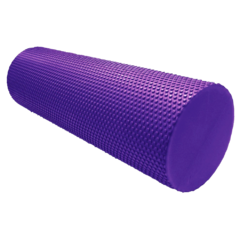
Power System Prime Roller
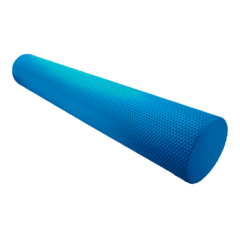
Power System Prime Roller Plus
No posts have been made yet.








