





Get rid of stabbing knee pain once and for all!
 Author: Šárka Randáčková
 Stabbing pain of iliotibial syndrome
Iliotibial (IT) syndrome is a pain on the side of the knee that can disrupt even the best workout. It happens to many of my charges. It's as if someone is stabbing the side of their knee with a spike on the ice with every step. It sounds dramatic, but that's how the injury is commonly described.
It can be disturbing because it's often a precursor to a more serious injury. Sometimes it starts as a warm spot just above the outer part of the knee, but quickly develops into a searing pain as you twist and flex the knee. Walking down stairs, running downhill and side stepping are the activities that IT syndrome hurts the most.
If you have a sharp, burning pain just above the outside of your knee, this is often a sign of IT syndrome.
Let's describe how the syndrome develops and how to get rid of it once and for all.
Exercises that will make you hate life
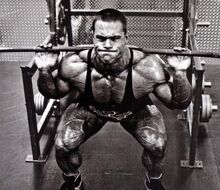
Exercises that are problematic for IT syndrome include squats, single leg squats, side squats and bench presses. Before you know it, you'll find that you can't actually do any squat and lunge exercises ... eventually you'll struggle to get any lower body work done at all.
The real frustration starts as soon as you sit down to Google, see a doctor, physical therapist or trainer.
Foam roller or stretching won't help
 Most expeditions to the professional help area end up getting the same advice: rest, stretch and roll on a roller a few times a week, and it should pass.
If you've been down this road before, you probably know where it ends. The pain will relatively subside, but once you get to some of the problematic activities, you're back to square one.
Before we get to the solutions, let's briefly talk about why this solution will be more of a frustration in the long run.
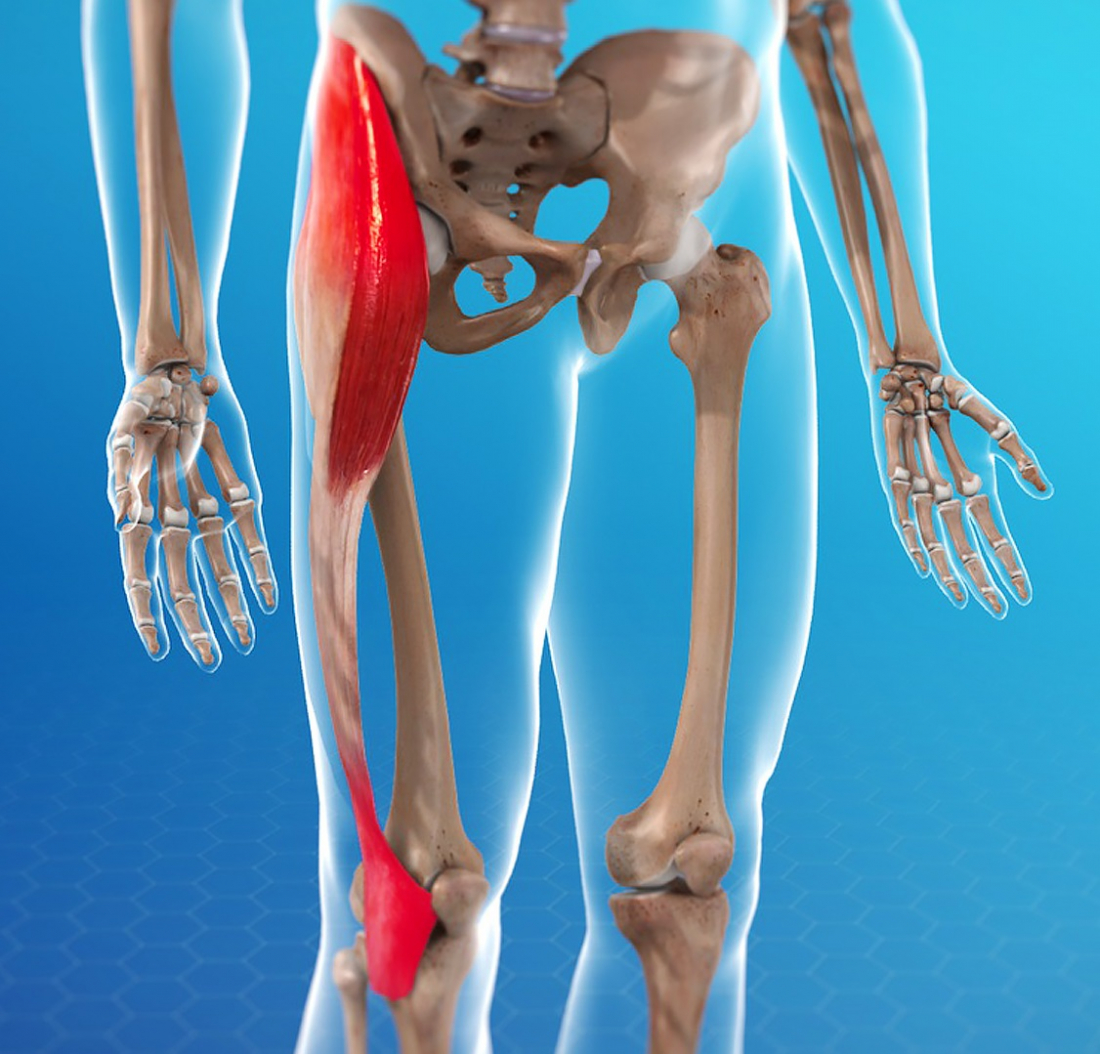
It is often (incorrectly) assumed that IT syndrome is the result of excessive friction around the femoral protrusion. In terms of anatomy, this makes sense. The iliotibial tract stretches around the protrusion of the bone, and it irritates it.
But it's not entirely accurate. Research shows that it's a compression problem rather than friction. The underside of the IT tract is tightly attached to the femoral protrusion, so there can't be much friction.
So why does it sting so much if it's not friction, and the far end of the IT tract is not bothered in any way?
It's probably a bundle of fatty tissue between the IT tract and the femoral protrusion. This bundle is heavily innervated and therefore very sensitive. Compression can make it very angry.
So rolling it with a foam device is the opposite of what you should be doing.
The purpose of the IT tract, and why it matters
The IT tract serves, to some extent, to stabilize the knee laterally. Mostly, however, it exists to transfer energy between the hip, the knee, and ultimately the floor. Think of it as a spring that must be flexible to function properly. Not only do we not want to solve the compression problem with another compression cylinder, but we don't want to stretch a spring that is primarily meant to spring.
So what helps? Let's take a look at that. Then we'll introduce some exercises.
How to fix the IT syndrome
The key? Strengthening the side and back muscles around the hips. By loading them, you'll also improve their relationship to the IT tract. This is important because the IT tract is just a strengthening of the fascia coming from the gluteal muscles. Therefore, strengthening these muscles will improve its basic function: downward force transmission.
Once again, grating the end of the IT tract with a roller doesn't make sense because there is likely a compression issue in this area.
You also want to avoid specializing in stretching, for two reasons:
- The thick, collagenous fibers of the IT tract cannot be stretched long and well.
- Even if you could stretch them, you wouldn't want to do it because you would be depriving them of their main function - elasticity.
You should concentrate on strengthening. Passive strategies like rolling and stretching only occasionally and logically sugarcoat it.
Yes, a comprehensive strategy to address this problem involves hip mobility and flexibility as well as rolling. But roll the muscles around the hip, not the side of the knee.
1. Plank sideways with knees bent and hips lifted
- Feet under each other. Knees in line with hips and shoulder.
- Do not sit with your butt back, but push your hip toward the floor.
- No arch in the lower back.
- You should feel it in your hips and middle of your body.
- Use as a warm-up, an end-of-workout exercise, or part of a superset with a more intense exercise.
- Try pairing with an intense grip exercise.
- Aim for 2-4 sets of 8-15 reps.
2. Plank sideways with hip lift
- Feet under each other.
- Knees in line with hips and shoulder.
- Do not sit with your butt back, but push your hip towards the floor.
- No arch in the lower back.
- You should feel it in your hips and middle of your body.
- Use as a warm-up, an end-of-workout exercise, or part of a superset with a more intense exercise.
- Try pairing with an intense grip exercise.
- Aim for 2-4 sets of 8-15 reps.
3. Plank aside with chain
- Feet under each other.
- Knees in line with hips and shoulder.
- Do not sit with your butt back, but push your hip towards the floor.
- No arch in lower back.
- You should feel it in your hips and middle of your body.
- Use as a warm-up, an end-of-workout exercise, or part of a superset with a more intense exercise.
- Try pairing with an intense grip exercise.
- Aim for 2-4 sets of 15-20 seconds.
4. Backward lunges with kettlebell
- Keep your chest upright.
- Step back and sideways.
- You should feel it in your hips and standing leg.
- Practice this as a superset and lower body strengthening exercise.
- Aim for 2-4 sets of 6-12 reps.
5. Goblet squat with landmine attachment
- Keep your chest upright.
- Step back and sideways.
- You should feel it in your hips and standing leg.
- Practice this as a superset and lower body strengthening exercise.
- Aim for 2-4 sets of 6-12 reps.
When to include exercises for IT syndrome and other tips
If you can handle your heavy exercises without compromising or compensating in execution, these are the exercises for you in your warm-up, on your days off, or in between sets of real training.
Start by adding exercises for IT syndrome to your workouts in place of all the ones you had to scrap due to pain. After 2-4 weeks, slide them into the warm-up, where you leave them as a form of active recovery and a guarantee that you can improve pain-free.
In general, I recommend strengthening the thigh adductors, hamstrings, quadriceps, and midsection. Also, regularly indulge in plenty of hip mobility exercises, dynamic stretching and soft tissue mobilization around the hips. This can all be considered a comprehensive approach.
Overcoming a little discomfort in your workout is pretty normal, but once you're talking about a pain level of 5 out of 10, you're going too far.
Recommended

Nebbia Tvarující bezešvý crop top FLOW SEAMLESS 499
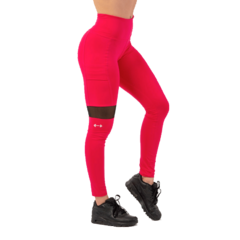
Nebbia Legíny Sporty s vysokým pasem a kapsou na boku 404
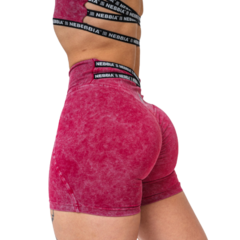
Nebbia Washed legínové šortky s vysokým pasem HERITAGE 780
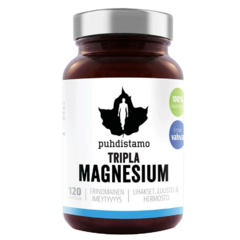
Puhdistamo Triple Magnesium
Source: www.t-nation.com - How to Fix IT Band Syndrome For Good
Author: Dr. Tim DiFrancesco
Translated by Jaromír Uhlíř
Author: Šárka Randáčková No posts have been made yet.








