





8 tips to make training at home more difficult
 Author:
 Do you feel that training at home doesn't give you enough work and is too easy? Here are 8 tips to take the difficulty of home training to the next level and make it a breeze.
1) Unilateral training
Unilateral or one-sided training means that we train each limb of the body in isolation - e.g. first we do 10 reps with the right arm and then the left. Unilateral training increases force production, helps to compensate for imbalances and strengthens the middle of the body as it places more emphasis on stability when performing the exercise. Exercising each side separately has a positive effect on improving muscular development, as we engage more muscle fibres and are able to develop greater strength than if we exercise both limbs simultaneously.
Examples of exercises:
- Bulgarian squats - place one leg on a chair or other elevated position and lean on the thumb or toe, bend the other leg with a sigh and lower into a lunge. With an exhale, extend the knee of the leg standing on the ground.
- Shoulder presses with one arm - legs are straddled at shoulder level, torso is braced, one arm is held at the hip, a piece away from the body or along the body, the other grasps the one arm and moves it to the starting position. Fix the shoulder blades downwards, with an inhale lift the one arm up until the arm is almost extended, with an exhale return to the starting position.
2) Working with resistance
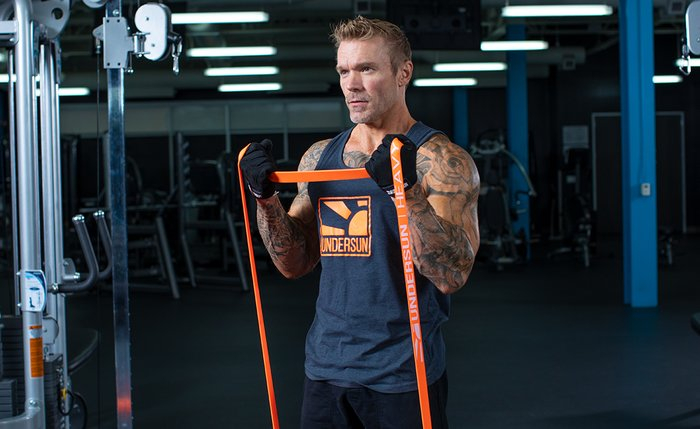
Different types of resistance bands are a great tool when we want to increase the intensity of our workout and don't have heavier weights available. Resistance work also helps to improve muscle soreness, which is essential if you're looking to make progress. Resistance bands vary in material, size and resistance level.
Longer and more flexible elastics are most commonly used for exercises such as squats, lunges, overhead presses, push-ups, biceps raises and triceps extensions. Tighter and shorter elastics with more resistance are suitable for strengthening the lower limbs in exercises such as squats, standing lunges, lunges and kneeling lunges. Very flexible elastics with low resistance find their use in stretching and are ideal for those who want to improve their mobility and flexibility.
3) Slightly different weights
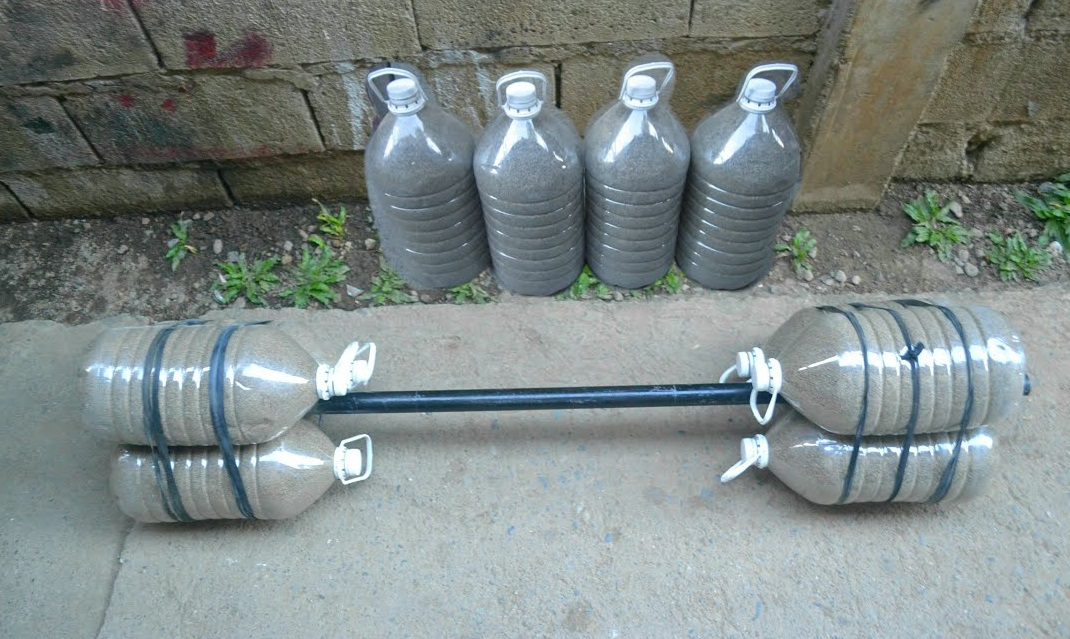
If we don't exactly want to get dumbbells and axles at home, it doesn't mean we are relegated to training with our own weight. Just use your creativity - we can work out with bottles filled with water or sand or a whole pack of water, if we need more weight, with a full backpack, a kettlebell can be replaced with a water canister.
Larger DIYers can attach the water bottles to a broom handle and use it instead of a large kettlebell for biceps lifts or squats, for example. Family members can be helpful too, just put your loved one on your back for squats or push-ups and they'll be challenged in no time.
4) Superseries
A superseries involves combining multiple exercises, in practice this means that we do one set of exercises and then immediately follow up with another set of another exercise without a pause, followed by a short break. There are two basic types of superseries:
- a) superseries on the same muscle part - we choose two exercises that strengthen the same muscle part, these exercises should not be of the same nature (e.g. both push-ups). This style can be used for example chest presses with one-armed push-ups + chest extensions with one-armed push-ups.
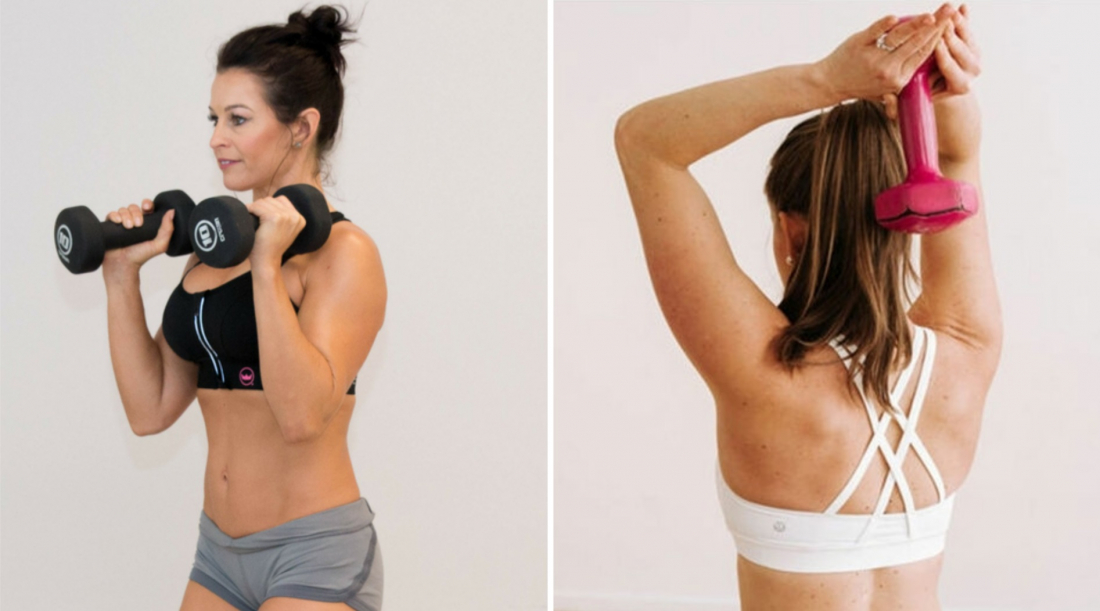
- b) Superseries on opposite muscle parts - choose two exercises that strengthen opposite muscle parts. For example, the biceps and triceps work opposite each other, so we can combine biceps hammer raises with one arm + triceps overhead extensions with one arm in a superseries.
5) Balance-intensive exercises
Balance-intensive exercises are challenging, they engage multiple parts at once and activate the deep stabilization system. We all know squats, push-ups and deadlifts, but how about a one-arm or one-legged variation? Getting their technique right isn't easy, three points are key - strength, flexibility and stability.
Examples of exercises:
- Singlelegsquats - stand on one leg, bend forward and extend the other leg out in front of you. Slowly walk down with a downward breath until the back of the thigh touches the calf. Then, with an exhale, return to the starting position.
- Deadlift on one leg - standing upright, chest off, with an inhale go into a slow forward bend of the torso while lifting one leg to the point where the extended leg and torso are parallel to the ground, not bending at the hips. We can keep our hands vertical to the ground or lightly rest the knee of the leg we are standing on. With an exhale, we come back.
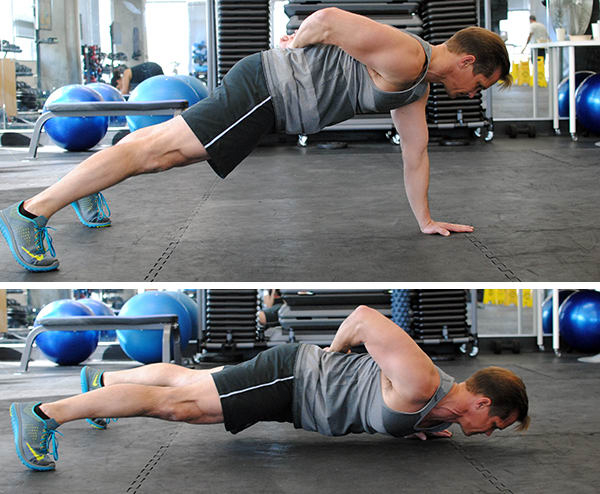
- One-arm push-ups - as a starting position we can take a classic push-up, one arm extended, the other behind our back, legs spread far enough apart so we don't overbalance, body braced. Inhaling, we go down into the push-up, exhaling up until the arm we are leaning on is fully extended.
6) HIIT
HIIT, or high intensity interval training, takes a minimum amount of time (about 10-25 minutes) but is very effective. The condition is that we have to give it our all and aim for the maximum intensity we can handle. Apart from the endorphins we will be rewarded with a faster metabolism and muscle mass gain (especially in the legs and torso).
Advanced HIIT ( warm up before the workout - e.g. jumping rope):
Total time 20 minutes - do as many rounds as you can manage, with a 30 second break between each round (walking in place). Each round includes 5 exercises, always in direct succession, without pause.
1 round = 10 English lunges, 20 alternating lunges with a lunge, 10 push-ups, 10 squats with a lunge, 20 seated knee extensions
7) Exercises with pulsation
Pulses are smaller movements involving movement just a few inches above and below the point of maximum tension. Adding pulses during an exercise extends the time under tension, increases muscle activation, and are a great way to maximize load when lifting lighter weights with higher repetitions.
Examples of exercises:
- Goblet squats with pulses - stand upright, feet shoulder width apart, hands joined in front of the body (can hold a one-handed kettlebell, water bottle, kettlebell). With an inhale we go down into a squat, about halfway through the movement we stop and perform 5 pulses, then with an exhale we return to the starting position.
- Stretching with pulses - legs are staggered to shoulder level, torso is braced, shoulder blades locked downwards. With an inhale, tighten the arms with one hand and perform 5 pulses, with an exhale, tighten the arms.
8) Change stance and grip
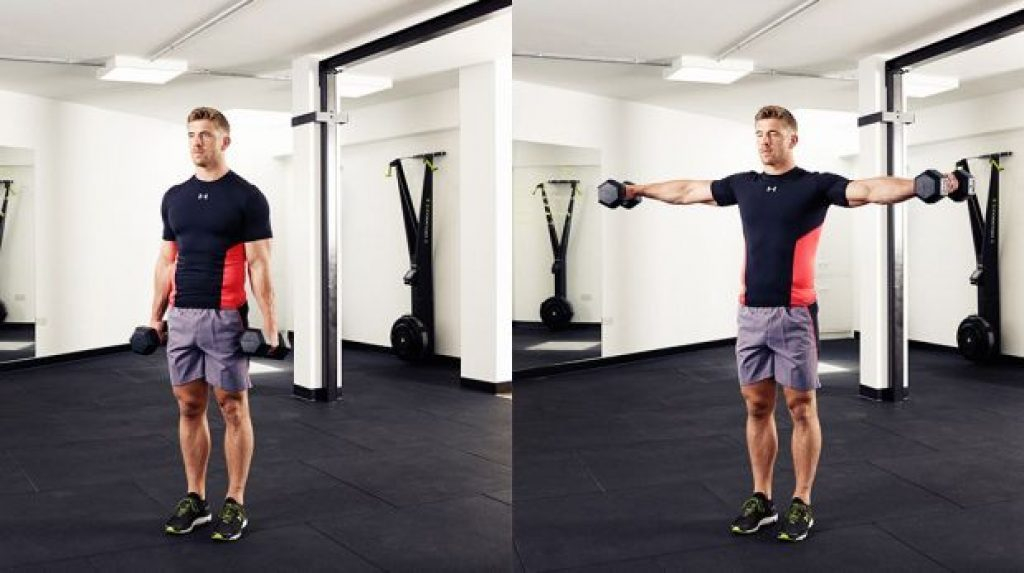
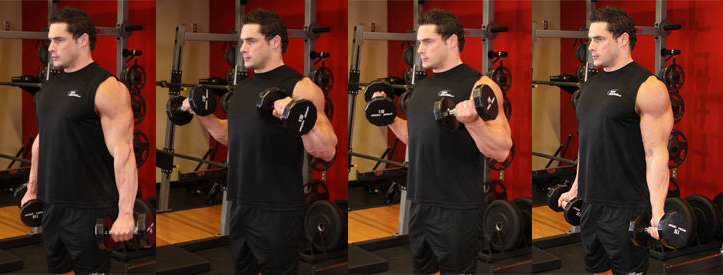
Many times all it takes is a little to give a muscle a new stimulus to grow, even a small difference in posture can greatly affect how specific muscles work and how much load we are able to lift. There are different ways to grip the barbell, it's good to vary them from time to time. Instead of doing seated shoulder presses we can stand, a narrower squat stance can be changed to a wider one, a biceps underhand lift can be replaced with an overhand grip, a regular axle grip can be replaced with an inchless one, etc.
Do you have any other proven tips to increase the difficulty of your home workout? Share them with others in the comments below this article!
Recommended
Nebbia Washed-off Tepláky s kapsami NO SHORTCUTS 372
Prom-in Creatine HPLC
Nebbia Washed-off oversized košile 90s THROWBACK 347
Image and information sources: bodybuilding.com, lesmills.com, openfit.com, youtube.com, coachmag.co.uk, shefit.com, bell-coaching.com
No posts have been made yet.








