





Put a stop to the autumn gloom, or 6 tips to keep your spirits up!
 Author:
 Autumn. Cool mornings, more frequent rain, dropping temperatures, early darkness and cold knocking at the door. It's no wonder that autumn is one of the times when we are most often plagued by bad moods, anxiety, low energy, and even more frequent depression. So sit back and read today's article, where we'll give you plenty of tips on how to shake off the autumn blues, feel good and keep your cheerful mood, despite the fact that summer is long gone.
Make getting enough quality sleep your number one priority
We mention the importance of sleep without exaggeration in every article we write for you. And it's no coincidence. Quality sleep is essential to looking good, feeling good, being productive, being in a good mood and performing at our best at work, sport and school. In short - sleep is absolutely essential for overall health. As the days get shorter, we are often a little more tired during the day, without energy, and somehow naturally need a little more sleep. And it's perfectly okay to give our bodies this comfort, because the moment we are tired, we are annoyed, obnoxious and out of sorts just on principle. No wonder lack of sleep is one of the main causes of depression.
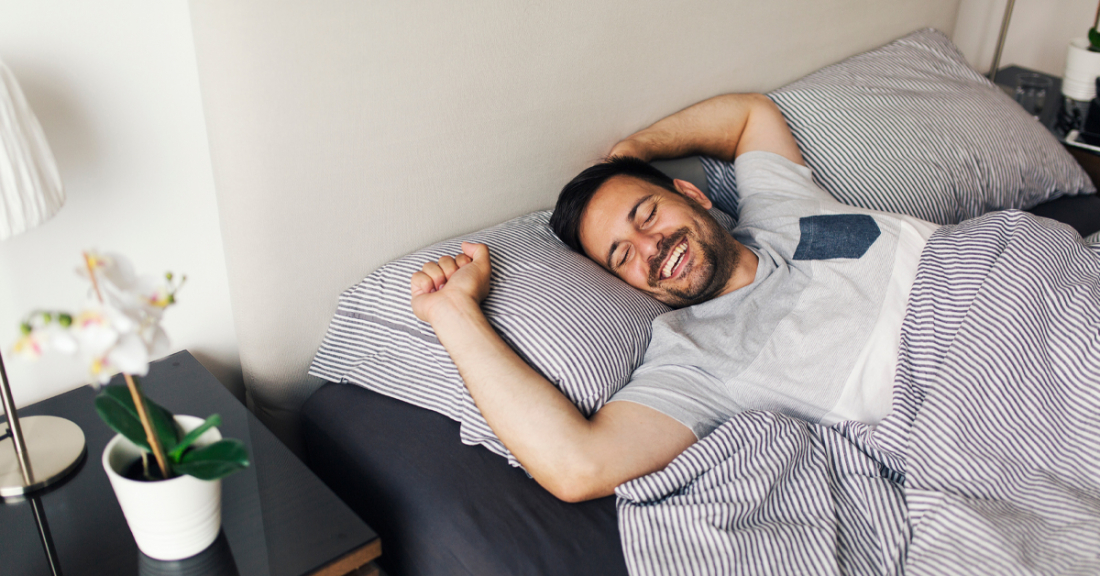
Try to go to bed at around the same time every day, as well as getting up at around the same time, even on weekends. Set up a routine so that you can get 7-9 hours of sleep and give your body adequate space to rest and recharge. Create a comfortable environment for sleep, don't overheat, choose a comfortable mattress and pillow and practice sleep rituals. If your daily schedule allows, you can take an extra short (20-30 minutes max) "power nap" during the day each day to boost your productivity, increase your energy levels and maybe even improve your mood a little.

Bet on a healthy diet
The way we eat has the power to affect a whole range of bodily processes, how we look and, not least, how we feel and our mood. The first, and in fact the most important point, is that we give our bodies the energy they need to function in the form of the highest quality foods. To eat a varied and balanced diet, without too many extremes. Because if we put our body in an extreme calorie deficit or follow an overly restrictive diet, our mood will be the first to be affected. And since autumn is usually gloomy in itself, there is no need to feed it with something like that, don't you think?

If you read our website regularly, you will know that beyond the normal effects that a balanced diet with sufficient calorie intake has on our bodies, there are still foods that have a beneficial effect on our mood. Some of these foods include dark chocolate, salmon and other fatty fish, bananas, oatmeal, yogurt, eggs, nuts and seeds, fermented dairy products, avocados and coffee. These foods contain substances that can stimulate the release of serotonin, the happiness hormone, in the brain and make us feel better mentally and in a better mood. In addition, these foods are also rich in other substances that benefit our brain, cognitive function and mental health.
Don't forget to drink enough - ideally in the form of pure water or herbal or green teas. Avoid alcohol, excessive caffeine, energy drinks and sugary sodas. The intake of such beverages is definitely not conducive to a good mood and can also have a nice effect on our weight. If you lack energy, you can try matcha tea or yerba mate tea. These drinks will really warm you up and also boost your mood, energy and mental performance.

Move regularly
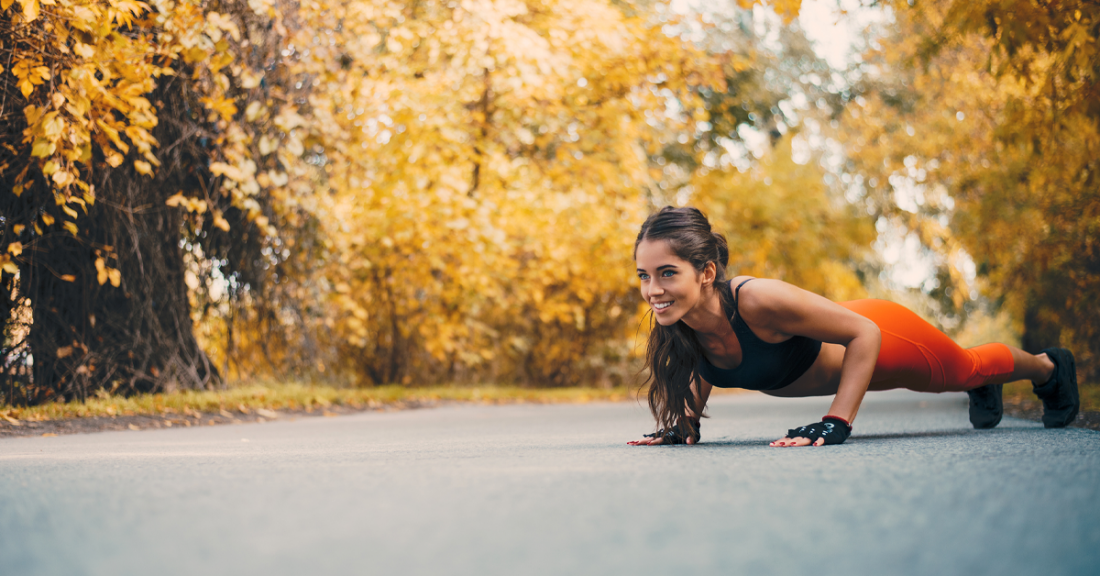
Movement, whether we're talking about weight training, running, team sports or a simple walk, is well known to have the ability to reduce feelings of stress, anxiety and is even a good way to combat depression. In addition, exercise can increase the production of endorphins, hormones that are known to help create positive feelings and make us feel happier. Exercise also releases serotonin, another hormone that can positively affect mood, relieve anxiety and depression, making it safe to say that regular exercise is also beneficial for our mental health and can be an effective weapon in the fight against the excessive stress that accompanies many of our lives. That's why we shouldn't forget about regular physical activity - ideally on a daily basis - even in autumn. Moreover, the length of physical activity is not only important, but also confirmed by the results of a number of studies. Movement is such a therapy, free of charge and constantly available to anyone who wants to engage in it.
And we don't mean that you have to go to the gym every day! Vary your activities and intersperse strength training with walks in the air, which we'll get to in the next point, go out for some group fun with friends, or try a new indoor activity. Yoga is also a great option to help you tune in, get your thoughts straight and relax your muscles. You can definitely hit the pool too. Swimming is a great way to work the muscles of your whole body, relieve your skeleton, get a good workout, and you can combine your visit with a stop in the sauna to warm up your body.
Get out in the fresh air often
Fresh air and being outdoors are other proven tips to keep your spirits up, no matter how cold it gets outside. Putting aside the warmer boots, sweater and jacket, the fall outdoors definitely has its charms! Colourful trees, falling leaves and cooler air caress the body and soul. It's scientifically proven that a regular walk in the fresh air can boost mental health, combat depression and get us in the right frame of mind. And it doesn't matter whether you walk slowly, fast, uphill, downhill, in the fields or around town - exercise, including walking, is a very effective natural cure for depression and a positive side effect is that it puts you in a good mood.
Whether you go for a walk in the morning, on your way to lunch, with a work meeting in your ears or after work to calm down, you will always be rewarded with a clear head, lots of energy and a happy feeling. And that's really worth it! To make matters worse, regular walking is also linked to longevity and a higher quality of life. In fact, regular exercise in the fresh air not only supports the heart, but also oxygenates the brain, which appears to be a very beneficial protection against the onset of Alzheimer's disease, dementia, memory loss and other manifestations of mental degradation. To make matters worse, you'll also strengthen your immune system, which is really useful especially in the fall. Being outdoors regularly is also important for the proper functioning of our circadian rhythm, i.e. for a good night's sleep... well, how many more reasons do you need to get outside?
Do something nice for yourself every day
If you feel sad, lack energy or even suffer from anxiety or depression, try to do something nice for yourself. Go to the cinema, get a massage, go to the sauna, have a good coffee or dinner with your partner or friends. In short, treat yourself, relax, buy yourself something nice, a treat to eat, a hot flight, a wellness weekend or even tickets to a sports match or theatre. But even more ordinary things can help - like a mug of cocoa, a warm blanket and a favourite book or a good comedy on TV. Don't underestimate the power of socialising or the human touch. If you're feeling frazzled, tired or out of sorts, call friends and hang out, or use your significant other to ask for a long hug. Even that can work wonders.
You can also try various herbs or fragrance oils. Try lighting a scented candle at home, or get a diffuser and some essential oils to get you in the mood. Add your favourite music and a cup of herbal tea and you'll be in a good mood! Bath salts or even scented body lotion can work similarly.
Recommended
Nebbia 3/4 sportovní legíny s vysokým pasem 406
Nebbia Dámský sportovní overal INTENSE Focus 823

Nebbia Dámská mikina na zip INTENSE Warm-Up 833
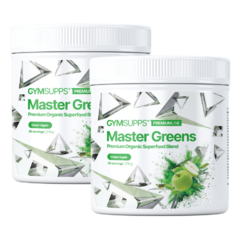
Master Greens 216g 1+1
Surround yourself with positive people and limit your time on social media
Surroundings work wonders - that's why it's so important to surround yourself with people who are on the right wavelength. Because that positive energy is very contagious. So seek out the company of people who make you feel good. Plan a lunch together, a trip to the countryside, a workout, relaxation or maybe just a trip to the cinema. If you can't physically see someone like that, use the magic of your mobile phone and at least call someone nice. There's nothing like having a good laugh or sharing your troubles with someone who understands and can support you.
On the other hand, be mindful of the time you spend on social media. Things are not always as they really are, and they can often make us feel like we're not actually having a good time, which is not good for our mood. In addition, social networks are quite a significant time-sucker and if we find that they are not only a source of pleasant feelings, it is a good idea to cut down or at least clean up the content we consume. Social networks are a great convenience nowadays, a source of inspiration and motivation, but if we start taking them too seriously, using them to compare ourselves to others, or spending too much time on them, it would be better to limit or delete them altogether.
What to take away from the article?
The autumn season is often associated with frequent gloom, anxiety, low mood and often depressive states. And it's no wonder - shorter days, dropping temperatures, less sunshine... on the other hand, autumn is the most colourful season and there are plenty of ways to improve your mood. From getting enough quality sleep, to diet, to regular exercise, to socializing, to small pleasures or getting plenty of fresh air. If you're suffering from autumn blues, definitely give our tips a try and let us know what works best for you!
Sources:
Ruegsegger, G. N., & Booth, F. W. (2018). Health Benefits of Exercise. Cold Spring Harbor perspectives in medicine, 8(7), a029694. https://doi.org/10.1101/cshperspect.a029694
Luan, X., Tian, X., Zhang, H., Huang, R., Li, N., Chen, P., & Wang, R. (2019). Exercise as a prescription for patients with various diseases. Journal of sport and health science, 8(5), 422-441. https://doi.org/10.1016/j.jshs.2019.04.002
Larun, L., Brurberg, K. G., Odgaard-Jensen, J., & Price, J. R. (2016). Exercise therapy for chronic fatigue syndrome. The Cochrane database of systematic reviews, 12(12), CD003200. https://doi.org/10.1002/14651858.CD003200.pub6
I., Morgan, K., & Stevinson, C. D. (2015). Increased physical activity improves sleep and mood outcomes in inactive people with insomnia: a randomized controlled trial. Journal of sleep research, 24(5), 526-534. https://doi.org/10.1111/jsr.12297
Halpern, J., Cohen, M., Kennedy, G., Reece, J., Cahan, C., & Baharav, A. (2014). Yoga for improving sleep quality and quality of life for older adults. Alternative therapies in health and medicine, 20(3), 37-46.
Blackwelder, A., Hoskins, M., & Huber, L. (2021). Effect of Inadequate Sleep on Frequent Mental Distress. Preventing chronic disease, 18, E61. https://doi.org/10.5888/pcd18.200573
Mead M. N. (2008). Benefits of sunlight: a bright spot for human health. Environmental health perspectives, 116(4), A160-A167. https://doi.org/10.1289/ehp.116-a160
Firth, J., Gangwisch, J. E., Borisini, A., Wootton, R. E., & Mayer, E. A. (2020). food and mood: how do diet and nutrition affect mental wellbeing. BMJ (Clinical research ed.), 369, m2382. https://doi.org/10.1136/bmj.m2382
No posts have been made yet.








