





Why include buckwheat flakes in your diet?
 Author:
 Are you a lover of sweet porridge for breakfast? We have a great tip for you. Swap oatmeal for buckwheat oatmeal from time to time, or use half and half! Buckwheat is a pseudo cereal that offers a range of health benefits, including being suitable for gluten-intolerant individuals as it is completely gluten-free.
Buckwheat has become very popular in recent years and is valued for its high mineral and antioxidant content. Buckwheat is considered a superfood by many nutritionists. Let's introduce this cereal a little more today and we can guarantee you that you will gain a lot by incorporating it into your diet!
Article content:
Theoretical window - what is buckwheat?
As mentioned in the introduction - buckwheat is a pseudo-cereal that originated in Asia. However, in recent years it has been gaining popularity in Europe and America. Buckwheat provides a high source of amino acids, vitamins, minerals and antioxidants - all with relatively few calories, virtually no fat and zero gluten.
Buckwheat's main advantage over other grains is that it has a unique amino acid composition that gives it special biological activities, and it results in a decent list of interesting health benefits.
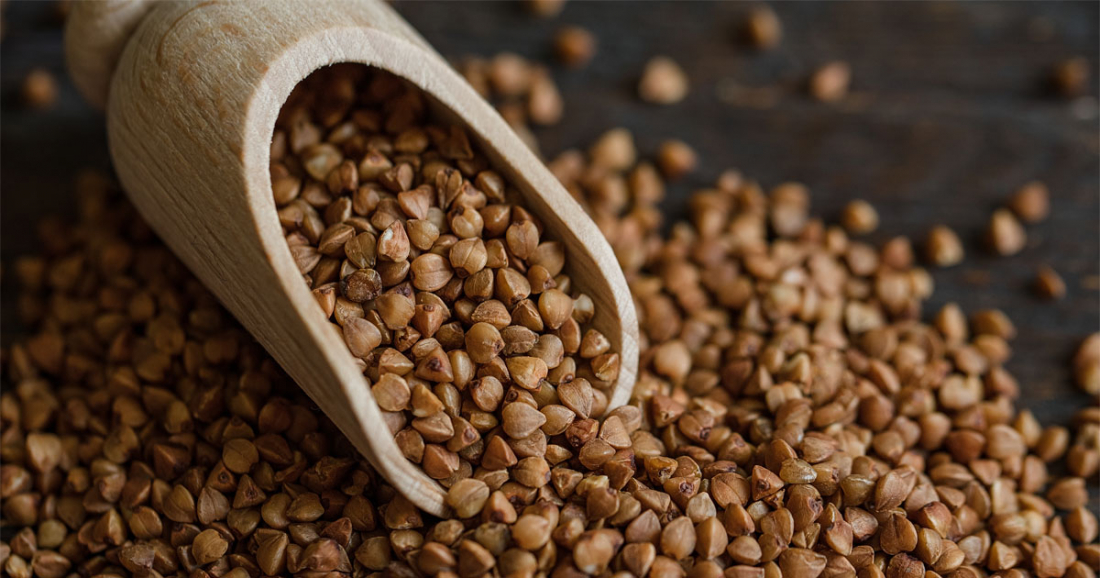
From a nutritional point of view, buckwheat is indeed a very interesting food. Complex carbohydrates are the largest part of its composition and are a great source of gradually releasing energy for the body. Buckwheat has a low to medium glycemic index (GI) score and should not cause any significant fluctuations in blood sugar levels. Also buckwheat, or buckwheat flakes, are a great source of insoluble fiber, which is very important for the health of our gut.
In addition, buckwheat hulls contain resistant starch, which is fermented by gut bacteria in the large intestine. These beneficial bacteria produce short-chain fatty acids (SCFAs) such as butyrate. Butyrate and other SCFAs serve as nutrition for the cells lining the colon, improving gut health and reducing the risk of colon cancer.
As far as protein is concerned, buckwheat boasts a near-optimal ratio of essential amino acids and high levels of arginine, lysine, threonine and tryptophan, making it a so-called complex plant protein. In particular, the arginine and lysine content is very important. Buckwheat actually has more protein than any form of rice, wheat or millet and is about the same as oats. It contains roughly 11-14 grams of protein for every 100 grams.
Plus, it contains other beneficial minerals such as manganese, copper, phosphorus, potassium, magnesium and iron. The minerals in cooked buckwheat are particularly well absorbed compared to other cereals. This is because buckwheat is relatively low in phytic acid, which is a common inhibitor of mineral absorption found in plant foods.

Buckwheat is rich in various antioxidant plant compounds that are responsible for many of its health benefits. In fact, buckwheat contains more antioxidants than other cereals. For example, it is a significant source of rutin, which is a powerful antioxidant that helps reduce inflammation in the body, lowers blood pressure and is important for blood vessel elasticity.
It also contains quercetin, an antioxidant that may have a number of beneficial health effects, including reducing the risk of cancer and heart disease. Buckwheat also contains D-chiro-inositol, a unique type of soluble carbohydrate that lowers blood sugar levels, which may make it beneficial for the treatment of diabetes. Buckwheat is the richest source of this plant compound ever. Despite its really packed nutritional profile, buckwheat has relatively few calories, which makes it even more appealing.
The main benefits of eating buckwheat and its products
As mentioned earlier - buckwheat offers a range of health benefits thanks to its very interesting nutritional profile. Let's take a look at the most important ones.
It is beneficial for the health of the cardiovascular system
Recent research suggests that buckwheat can help reduce inflammation and unhealthy cholesterol levels, thereby helping to prevent cardiovascular disease. Its consumption is associated with lower serum total cholesterol levels, and it also lowers LDL "bad" cholesterol levels while increasing HDL "good" cholesterol. Studies also show that rutin, a phytonutrient found in buckwheat, is an important antioxidant for cardiovascular health.
This compound supports the circulatory system and helps fight high blood pressure and high cholesterol. In addition, rutin is also used in the treatment and prevention of varicose veins. Also, quercetin, another phenolic metabolite found in buckwheat, has been evaluated in studies as an aid in reducing hyperlipidemia, optimizing blood pressure, and may even be beneficial in weight management.

It is completely non-allergenic and is packed with a variety of minerals
Buckwheat is very similar to barley in taste, appearance, size and texture, yet it has one major advantage - namely, it is gluten-free. It is also safe for individuals suffering from celiac disease or gluten sensitivity, making it a very suitable alternative to conventional gluten cereals. Thanks to its really packed nutritional profile, it can even be considered a much more convenient and healthier choice.
Buckwheat and its products are important sources of energy-boosting B vitamins, plus minerals including manganese, magnesium, zinc, iron and folic acid. Magnesium supplementation can help improve digestion, aid muscle growth and recovery, and help fight depression or the negative effects of stress on our bodies. B vitamins, manganese, phosphorus and zinc - all of these nutrients are important for optimal blood circulation and blood vessel function. They are also needed for neurotransmitter signaling in the brain that fights depression, anxiety and headaches.
It is a complex source of protein with high biological value
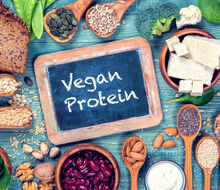
As already mentioned, buckwheat is a plant-based protein source that has an absolutely amazing spectrum of amino acids, making it a "complete source". This is especially appreciated by vegetarians and vegans, who often struggle to meet the full spectrum of essential amino acids, i.e. those that the body cannot produce on its own.
If you belong to one or the other group, buckwheat should definitely not be missing from your diet, as it provides two types of essential amino acids - lysine and arginine, which are rarely found in large quantities in plant sources and are absolutely crucial for maintaining overall health.
Blood sugar regulation
Compared to many other carbohydrates and whole grains, buckwheat has a low glycemic index, which means that the complex carbohydrates it contains are absorbed slowly into the bloodstream. This helps you feel fuller for longer and provides a longer-lasting source of energy. It also helps to combat blood sugar imbalances that can lead to inflammation, fatigue, and even diabetes or metabolic syndrome.
Research shows that buckwheat metabolites such as rutin may have protective effects while maintaining insulin signaling and the ability to help fight insulin resistance. Buckwheat is highly recommended for diabetics because, according to multiple research studies, it can lead to improved blood sugar control and reduced insulin resistance.
Again, the fibre
Buckwheat has a relatively high fibre content. Fiber helps to satiate and speeds the passage of food through the digestive tract, which is important for regulating bowel movements. Buckwheat may even protect the digestive organs from cancer, infection and other negative symptoms by preventing oxidative stress in the colon and digestive tract.
When buckwheat is fermented to create alcoholic beverages or certain types of sourdough bread, it can act as a valuable prebiotic that nourishes healthy bacteria in the digestive tract. Studies show that consuming fermented buckwheat products can improve the body's pH level - or the balance between acidity and alkalinity - which prevents the formation of harmful bacteria and disease. Fiber also has the ability to fill us up, which is beneficial in weight loss and allows us to consume fewer calories, among other things.

How to use buckwheat?
Buckwheat comes in many forms. The basic type is paddy buckwheat, which is not suitable for direct consumption, but can be used for making tea. The second variant is hulled buckwheat, which is already intended for consumption and is actually the basic product from which other buckwheat products are made.
Hulled buckwheat can be in the form of groats or broken buckwheat. One of the other buckwheat products is buckwheat flour, which is suitable for desserts, sweet and savoury pancakes, pancakes, savoury pastries and is also excellent in Christmas cakes. It is ideal to combine it with another type of flour in a 1:3 ratio. We can also find buckwheat bulgur, buckwheat porridge or buckwheat flakes. Buckwheat flakes can be used in the same way as oatmeal - to make sweet and savoury porridges, to thicken sauces or soups, or to bake some goodies.
Recommended
Wolfberry Pohanková kaše
What to take away from the article?
Buckwheat is a gluten-free pseudocereal that has a very interesting nutritional profile and thanks to this, its consumption brings a variety of health benefits. It contains complex carbohydrates, fibre, a good proportion of protein and a range of minerals. As one of the few plant sources, buckwheat has a full spectrum of amino acids and therefore should not be missing from the diet of any plant-eating individual. Buckwheat can be found in a wide range of variations - from groats, flakes, flour, bulgur, porridge to buckwheat flakes, which can be a great alternative to oatmeal and a nice addition to a healthy diet.
Sources:
Hosaka, T., Nii, Y., Tomotake, H., Ito, T., Tamanaha, A., Yamasaka, Y., Sasaga, S., Edazawa, K., Tsutsumi, R., Shuto, E., Okahisa, N., Iwata, S., & Sakai, T. (2011). Extracts of common buckwheat bran prevent sucrose digestion. Journal of nutritional science and vitaminology, 57(6), 441-445. https://doi.org/10.3177/jnsv.57.441
AHMED, A., KHALID, N., AHMAD, A., ABBASI, N., LATIF, M., & RANDHAWA, M. (2014). Phytochemicals and biofunctional properties of buckwheat: A review. The Journal of Agricultural Science, 152(3), 349-369. doi:10.1017/S0021859613000166
Steadman, Kathryn & Burgoon, Monica & Lewis, Betty & Edwardson, Steven & Obendorf, Ralph. (2001). Minerals, phytic acid, tannin and rutin in buckwheat seed milling fractions. Journal of the Science of Food and Agriculture. 81. 1094 - 1100. 10.1002/jsfa.914.
Topping, D. L., & Clifton, P. M. (2001). Short-chain fatty acids and human colonic function: roles of resistant starch and nonstarch polysaccharides. Physiological reviews, 81(3), 1031-1064. https://doi.org/10.1152/physrev.2001.81.3.1031
Klevay L. M. (2000). Cardiovascular disease from copper deficiency--a history. The Journal of nutrition, 130(2S Suppl), 489S-492S. https://doi.org/10.1093/jn/130.2.489S
Giménez-Bastida, J. A., & Zielinski, H. (2015). Buckwheat as a Functional Food and Its Effects on Health. Journal of agricultural and food chemistry, 63(36), 7896-7913. https://doi.org/10.1021/acs.jafc.5b02498
Kawa, J. M., Taylor, C. G., & Przybylski, R. (2003). Buckwheat concentrate reduces serum glucose in streptozotocin-diabetic rats. Journal of agricultural and food chemistry, 51(25), 7287-7291. https://doi.org/10.1021/jf0302153
Yang, N., & Ren, G. (2008). Application of near-infrared reflectance spectroscopy to the evaluation of rutin and D-chiro-inositol contents in tartary buckwheat. Journal of agricultural and food chemistry, 56(3), 761-764. https://doi.org/10.1021/jf072453u
Tomotake, H., Shimaoka, I., Kayashita, J., Yokoyama, F., Nakajoh, M., & Kato, N. (2001). Stronger suppression of plasma cholesterol and enhancement of the fecal excretion of steroids by a buckwheat protein product than by a soy protein isolate in rats fed on a cholesterol-free diet. Bioscience,
Li, L., Lietz, G., & Seal, C. (2018). Buckwheat and CVD Risk Markers: A Systematic Review and Meta-Analysis. Nutrients, 10(5), 619. https://doi.org/10.3390/nu10050619
Habtemariam S. (2016). Rutin as a Natural Therapy for Alzheimer's Disease: Insights into its Mechanisms of Action. Current medicinal chemistry, 23(9), 860-873. https://doi.org/10.2174/0929867323666160217124333
Giménez-Bastida, J. A., , Laparra-Llopis, J. M., , Baczek, N., , & Zielinski, H., (2018). Buckwheat and buckwheat enriched products exert an anti-inflammatory effect on the myofibroblasts of colon CCD-18Co. Food & function, 9(6), 3387-3397. https://doi.org/10.1039/c8fo00193f
Qiu, J., Liu, Y., Yue, Y., Qin, Y., & Li, Z. (2016). Dietary tartary buckwheat intake attenuates insulin resistance and improves lipid profiles in patients with type 2 diabetes: a randomized controlled trial. Nutrition research (New York, N.Y.), 36(12), 1392-1401. https://doi.org/10.1016/j.nutres.2016.11.007
No posts have been made yet.








