





Why are you deficient in magnesium, and why doesn't the kind you buy at the pharmacy usually work?
 Author:
 Most of us have heard at some point that we should take magnesium supplements. Perhaps you’re experiencing muscle cramps, fatigue, difficulty concentrating, or poor sleep. The fact is that roughly half of the adult population doesn’t get enough of this essential mineral from their diet. Your doctor probably won’t mention it during a routine checkup, but the scientific evidence is clear: we desperately need magnesium.
And this is where we run into a major problem. It’s not just a matter of whether you’re taking magnesium supplements, but more importantly, in what form.
Diet should always come first
Before you even start thinking about pills and powders, take a look at your plate. Magnesium occurs naturally in very healthy foods, but we often overlook them in our daily diet.
To naturally increase your magnesium intake, try incorporating these foods into your daily routine:
- Leafy greens: Plain spinach is a staple and a great source.
- Nuts and seeds: A handful of almonds makes for an ideal, quick snack packed with magnesium.
- Legumes: Black beans, chickpeas, and lentils should definitely be on your menu.
- Whole grains: They provide your body not only with magnesium but also with much-needed fiber.
If you know you rarely eat these foods and your plate is looking rather bare, a dietary supplement is a sensible “health insurance” measure.

The Trap Called Magnesium Oxide
But here’s the catch—one you often won’t hear about at the pharmacy. Most common and inexpensive supplements sold in supermarkets contain magnesium oxide.
Why is this a problem? From a purely biological standpoint, this form is extremely poorly absorbed by the human body. A large portion of magnesium oxide simply passes through your digestive tract without ever entering the bloodstream. This is also why many people feel absolutely no change after taking inexpensive magnesium supplements. Furthermore, this form can act as a strong laxative, leading to unpleasant and urgent side effects.
Which type of supplement is worth investing in?
If you’re going to spend money on a dietary supplement, choose one that your body can actually use. Bioavailability tests consistently show that organically bound forms of magnesium work much better than cheap oxides. A great example of innovation is magnesium L-threonate (often patented under the name Magtein). Scientists developed this form with a clear goal: to solve the problem that most magnesium cannot cross the blood-brain barrier (the protective layer between the bloodstream and the brain).
Recommended
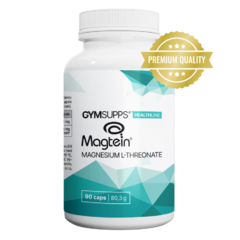
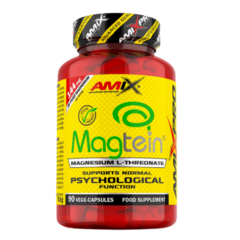
L-threonate, however, can do this with ease. As a result, it offers several specific benefits:
- Cognitive benefits: Studies directly link it to improved concentration, memory, and overall mental acuity.
- Gentle on the stomach: It does not cause unpleasant digestive issues or urgent trips to the bathroom, which are typical of oxide.
- Maximum absorption: Your body actually absorbs and utilizes the mineral.
Final Summary
Magnesium deficiency is a very real problem, but fortunately, the solution is straightforward. First and foremost, focus on a varied diet rich in almonds, spinach, and beans. However, if you decide to take a supplement, remember that the form of the supplement is just as important as the decision to take magnesium itself. Read the label carefully and leave magnesium oxide on the shelf. After all, a health supplement only makes sense if it’s proven to work.

No posts have been made yet.








