Vitamin D in cancer
 Author:
 Attention has long been drawn to the potential role of vitamin D in the prevention and treatment of cancer. The idea that a substance synthesized in the skin by sunlight or ingested through diet and supplements could have a significant impact on such complex and devastating diseases as cancer is extremely appealing. Research in this area has produced a number of interesting, though not always consistent, findings that paint a picture full of nuances and open questions. And in this article, we take a closer look at this issue.
Article content:
- From laboratory to epidemiology: Promising beginnings
- From laboratory to clinical practice: a sobering reality
- Causes of variability and methodological challenges
- Current status and outlook for the future
From laboratory to epidemiology: Promising beginnings
Initial enthusiasm linking vitamin D and oncology stemmed from different lines of research. A considerable amount of preclinical data, i.e., knowledge gained from experiments in cell culture and animal models, provided a strong theoretical foundation for the anticancer action of vitamin D. The active metabolite of vitamin D, 1,25-dihydroxycholecalciferol, known as calcitriol, has been shown to possess a variety of potentially tumor growth-inhibiting properties. These include the ability to slow cell division (anti-proliferative effects), induce programmed cell death (pro-apoptotic effects), promote cell maturation and specialization (pro-differentiation effects), and limit the formation of new blood vessels nourishing the tumor (anti-angiogenic effects). These mechanisms suggest that vitamin D could theoretically interfere with key processes of tumorigenesis.2
Parallel to the laboratory research came encouraging results from epidemiological studies. Observations of large groups of people in their natural environment have suggested that there is an association between blood levels of vitamin D and cancer risk. A number of observational studies have repeatedly shown that low blood levels of 25(OH) vitamin D are associated with a higher risk of cancer as well as poorer cancer-specific survival.2 The correlation between plasma levels of vitamin D metabolites and cancer risk has been the subject of much research.1 These epidemiological findings have supported the hypothesis that optimizing vitamin D levels could represent a simple and affordable strategy to reduce cancer risk or improve prognosis in cancer patients.
.png)

From laboratory to clinical practice: a more sobering reality
Despite the promising findings from preclinical and epidemiological research, translating these findings into convincing results in clinical trials has proven considerably more difficult. Clinical trials designed to directly test the effect of an intervention (e.g., vitamin D administration) on an outcome of interest (e.g., cancer incidence or patient survival) have not yet been as clearly encouraging as originally hoped.2
Evaluating the effect of vitamin D on cancer risk and treatment outcomes has been the subject of many studies, including original research and meta-analyses that combine data from multiple studies. However, results from these clinical trials are characterized by considerable variability. Indeed, some studies suggest beneficial anti-cancer effects of vitamin D, while others show no significant effect, and in some cases there have even been findings suggesting potentially adverse effects on cancer risk. This inconsistency is one of the biggest puzzles in current research.1

Causes of variability and methodological challenges
Why do the results of studies on vitamin D and cancer vary so much? Experts believe that there are a number of factors behind this variability that need to be carefully analysed. One possible reason may be differences in the methodology of the studies themselves, the pharmacological properties of the forms of vitamin D used or the pharmaceutical aspects of the products. For example, one study reported no difference in overall or disease-free survival, with the authors speculating that the lack of effect may have been due to poor patient adherence to treatment (lack of supplementation) and a lack of verification that supplementation actually led to an increase in serum 25(OH)D levels. This highlights the importance of careful monitoring and ensuring that the intervention is indeed effectively administered and achieves target body levels.1
Another factor contributing to variability may be individual differences in vitamin D metabolism and response to supplementation, which may be partly due to genetic predisposition. For example, single nucleotide polymorphisms (SNPs) have been investigated that could influence the efficacy of vitamin D supplementation. This suggests that the relationship between genetics, vitamin D metabolism and cancer risk is complex and requires further research.1
Variability may also be related to specific types of cancer. Although studies evaluating the impact of vitamin D supplementation on the risk of different types of cancer have been examined, there have not yet been robust analyses that clearly identify which cancers are most likely to be prevented or clinical outcomes improved by vitamin D supplementation. For example, a meta-analysis of 19 prospective cohort studies associated elevated 25(OH)D levels with an increased risk of prostate cancer, which is in contrast to some other findings and highlights the complexity of the relationship of vitamin D with different types of cancer. On the other hand, patients with newly diagnosed acute myeloid leukemia (AML) who had 25(OH)D levels greater than 20 ng/ml (whereas patients with AML often have deficiencies below 20 ng/ml) were observed to have shorter hospital stays and higher rates of complete remission after induction chemotherapy. This finding suggests that in specific tumor types and in specific clinical situations, vitamin D status may be important for prognosis and response to treatment.1
.png)
Current status and future outlook
In summary, although preclinical and epidemiological findings strongly suggest a potentially positive role for vitamin D in cancer, results from clinical trials are not yet as conclusive and are characterized by considerable inconsistency. Practice evidence suggests that vitamin D deficiency/insufficiency is associated with increased cancer risk and poorer outcomes, an important finding for clinical care. However, it is clear that further rigorously designed studies are needed to properly assess the clinical value of vitamin D, its metabolites and analogues in cancer prevention and treatment.2
The research agenda in this area is therefore clear: appropriate formulations of calcitriol for clinical use need to be developed and carefully evaluated within a rigorous clinical development plan that targets specific cancer types, clinical settings and combinations with other treatment regimens such as chemotherapy. Other vitamin D analogues should also be evaluated to determine biologically optimal doses and regimens. It is also essential to conduct prospective studies to evaluate the effect of correcting vitamin D deficiency/insufficiency.2
In conclusion, the relationship between vitamin D and cancer remains a fascinating but complex area of research. Existing evidence suggests that vitamin D likely plays a role, either in modifying risk or influencing disease progression, but its precise mechanism of action in human cancer and the optimal way to use it in clinical practice have not yet been fully elucidated. Continued research and efforts to overcome methodological and pharmacological hurdles are crucial to fully understand the potential of vitamin D in the fight against cancer and to be able to use it effectively to benefit patients.
Recommended



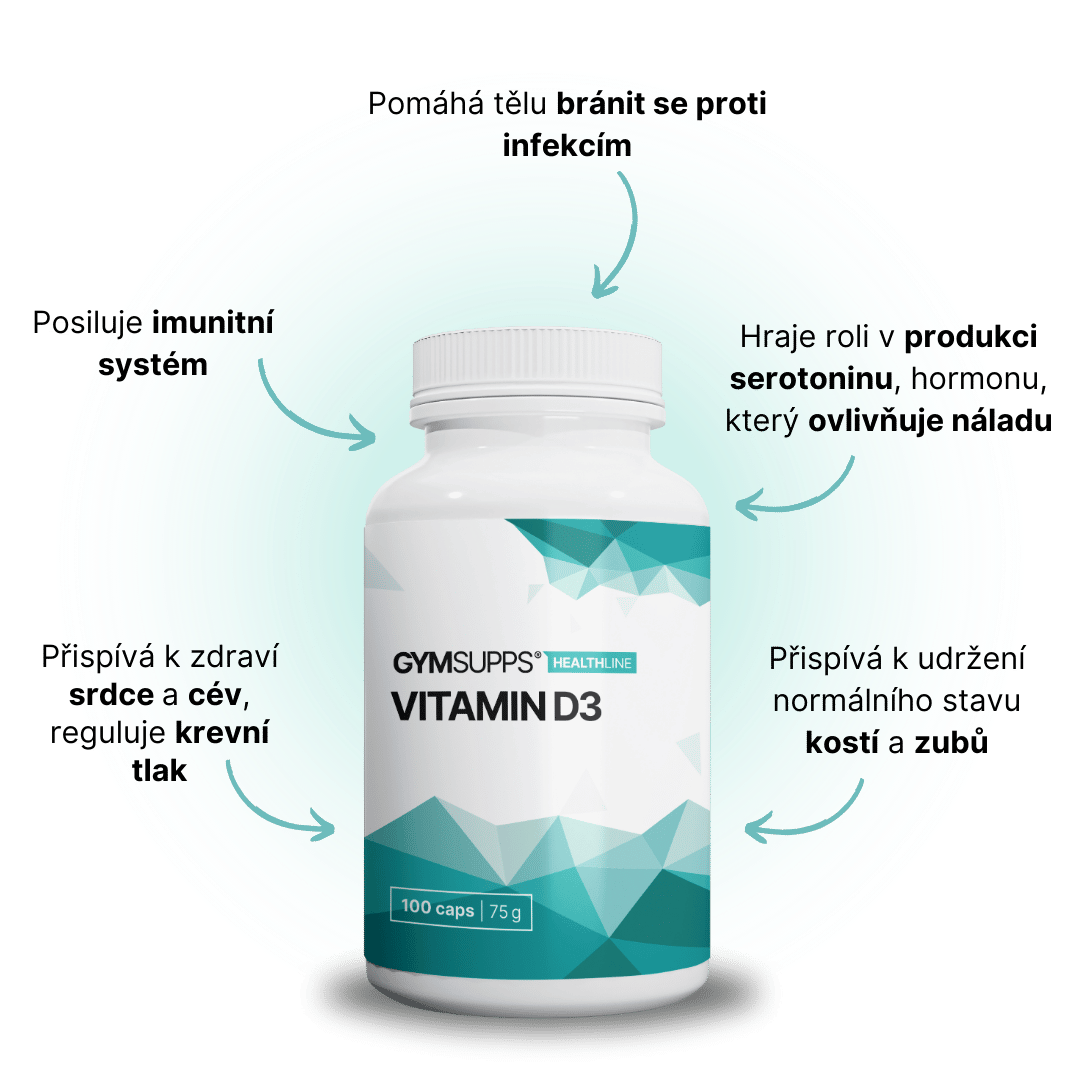
GymSupps Vitamin D3

Vitamin D3 100cps 1+1
Source:
- 1) Influence of vitamin D on cancer risk and treatment: why the variability? - PMC
- 2) Vitamin D and cancer: clinical aspects - PMC
No posts have been made yet.