





TOP 10 healthy foods for ectomorphs
 Author:
 Having a hard time gaining muscle mass? In desperation, are you already thinking about getting a gainer? Give your diet another chance! Include these 10 foods with high energy and nutrient density in your diet.
There are other ways to bulk up, of course, but if you want muscle, strength and physical health, you can't do it through fast food.
What are foods with high energy and nutrient density?
- High energy density foods = foods that contain high amounts of energy (calories) even at low weights
- high nutrient dense foods = foods that are high in health benefits - vitamins, minerals, complex carbohydrates, proteins and healthy fats
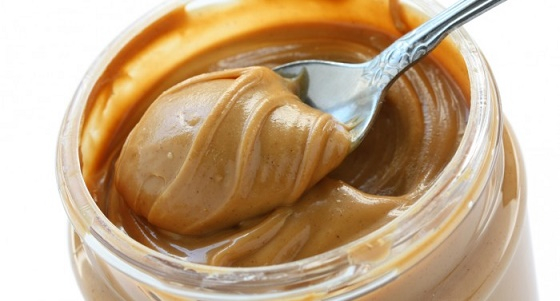
Nut butters
Butters made from nuts taste great, no doubt about it. They are also a source of quality fats, fibre, protein, B vitamins, vitamin E, potassium, calcium, magnesium, zinc and copper. There are as many types of nut butters as there are types of nuts - e.g. almond, cashew, hazelnut, pistachio. Peanut butter is also very popular - peanuts are not nuts but legumes and you can use it too.
Tips:
- Ingredients first - choose butters without added palm fat and sugar.
- Different types of nuts have different health benefits, so it's best to rotate their consumption.
- You can eat nut butters "just like that" with a spoon straight from the jar (a very popular option), spread on pancakes, whole wheat toast, in porridge, cottage cheese, muffins, etc.
- Peanut butter can also be used in savoury dishes - chicken noodles with rice and peanut butter sauce are delicious.
Almond butter
Nutritional values per 2 tablespoons (32 g)
- 200 kcal
- Protein 6 g
- Carbohydrates 6 g
- Fat 17 g
Peanut butter
Nutritional values per 2 tablespoons (32 g)
- 188 kcal
- Protein 8,1 g
- Carbohydrates 6 g
- Fat 16 g
Ghee - clarified butter
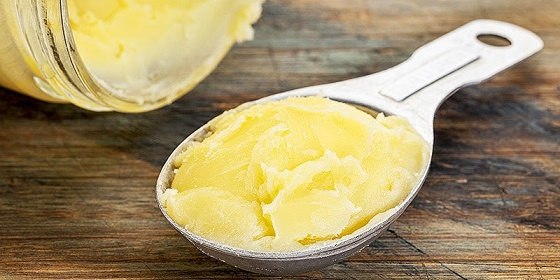
Ghee is a special kind of butter in its purest form. It is created by lightly cooking butter to the point where all the water has evaporated from it. It is also free of milk protein, so unlike conventional butter, it is lactose-free. It contains vitamins A, D, E, K, calcium, phosphorus, sodium, iron and magnesium. It is widely used in alternative medicine - it aids digestion, improves metabolism and immunity, regulates cholesterol levels, nourishes nerve cells and increases the activity of enzymes in the liver.
Tips:
- Ghee has a high smoke point, so it is great for cooking food and does not burn when fried.
- It adds a subtle, slightly nutty flavour to dishes - you can spread it on potatoes/ sweet potatoes, add it to porridge, spread it on wholemeal bread or use it in baking healthier desserts instead of traditional butter.
- It does not go rancid due to over-oiling and will stay fresh at normal room temperature for several months.
Nutritional values per 2 tablespoons (32 g)
- 264 kcal
- Protein 0 g
- Carbohydrates 0 g
- Fat 29 g
Avocado
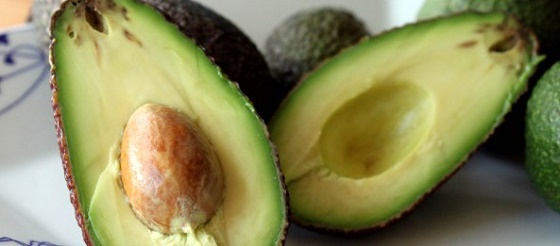
Avocado, nicknamed the butter pear, is one of the fruits richest in fat. Unlike other fruits, it is not sweet, has no distinctive taste or smell and, when ripe, its consistency is smooth and creamy. It contains good quality healthy fats (palmitic, linoleic and oleic acid), is the fruit richest in vitamin E, and also contains vitamin A, C, magnesium, phosphorus, potassium, copper and folic acid. Around 7% of the weight of avocados is fibre.
Tips:
- Avocados oxidise in the air, so if you don't want to eat them after cutting them, cover the flesh with lemon juice to prevent browning.
- Avocados can be used to make sweet and savoury dishes such as Mexican guacamole, salads, avocados stuffed with egg or brownies.
Nutritional values for 1 medium avocado
- 250 kcal
- Protein 3 g
- Carbohydrates 13 g
- Fat 21 g
High-quality chocolate
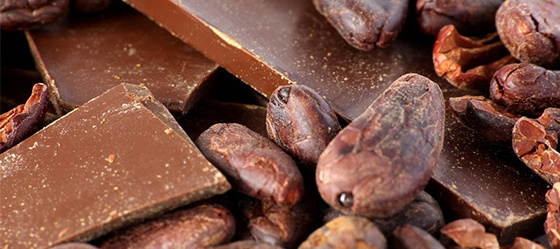
High-quality chocolate without added sugar is one of the so-called "superfoods". It contains a number of flavonoids - substances that act as antioxidants, smaller amounts of caffeine and theobromine, which have a stimulating effect, potassium, calcium, phosphorus, magnesium, copper, vitamin A, B1, B2, B3, C, E and the amino acid tryptophan, the conversion of which produces the 'happiness hormone' serotonin. It is made up of healthy fats and helps to lower blood pressure and "bad" cholesterol levels.
Tips:
- The more % cocoa chocolate has, the more health benefits it has, so choose varieties with at least 70% cocoa.
- You can eat chocolate "just like that", add it to porridge, melt it and spread it on pancakes or use it to make sweet treats - such as chocolate truffles with an extra portion of protein, for which you will find a recipe in this article.
Nutritional values per 50 g (1/2 bar) 75% chocolate with no added sugar
- 270 kcal
- Protein 4.2 g
- Carbohydrates 13 g - of which sugars 0.4 g
- Fat 22 g
Minced beef
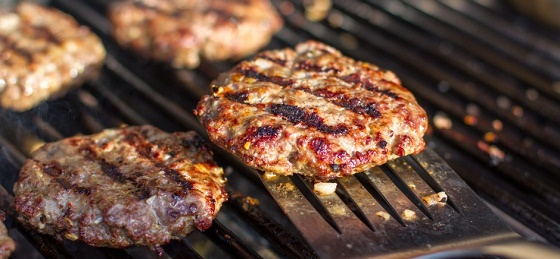
If you want big muscles, you can't do without quality protein. Chewing beef steaks can take forever, make it easier on your teeth and digestion by reaching for the ground version. At a quality butcher shop, it's no problem to have any cut of meat you choose ground on the spot. Beef is not only a source of protein, but also creatine - a substance that promotes strength and muscle growth. It also contains B vitamins (especially the important vitamin B12), iron, zinc, selenium and folic acid. Its consumption is also important for proper blood formation.
Tip:
- You can use minced meat to make meatballs, burgers - recipe in this article, "meatza" or meat pizza - recipe in this article, stuffed tortillas or a mixture with rice and vegetables.
Nutritional values per 1 serving (150 g)
- 255 kcal
- Protein 31 g
- Carbohydrates 0 g
- Fat 14 g
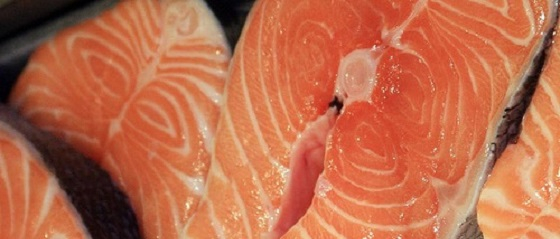
Salmon is one of the fattiest fish, but it contains mainly unsaturated fats containing omega-3 fatty acids (EPA and DHA), which are very beneficial to the body and most people are deficient in their diet. Eating salmon is recommended as a prevention against heart disease, helps to lower 'bad' cholesterol, regulates high blood pressure and improves skin problems. It contains B vitamins (especially B12, which is important for the proper functioning of the nervous system), vitamin A, D, selenium, iodine, calcium, magnesium and iron.
Recommended
Nebbia Fitness legíny s kapsou DISCIPLINE 708

Mars Snickers Low Sugar High Protein Bar
HellGel 80g 5+1
XGen 90cps + Omega 3 90cps
Tips:
- When choosing salmon , choose wild species, not farmed - farmed salmon is lower in omega-3 and higher in omega-6.
- Atlantic salmon has the highest concentration of omega-3 fatty acids (2 g per 0.5 kg of meat).
Nutritional values per 1 serving (150 g)
- 304 kcal
- Protein 28 g
- Carbohydrates 0 g
- Fat 22,5 g
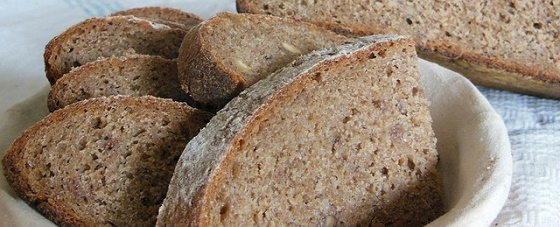
Wholemeal sourdough bread
Sourdough bread is a balm for your digestion compared to traditional bread. Traditional sourdough is created by the natural fermentation of flour (usually rye) with water, and contains healthy probiotic bacteria that regulate digestion and boost immunity. Sourdough bread rises for a longer period of time, making it more digestible and its nutrients more easily absorbed by the body. Phytic acid, which often causes bloating in conventional bread, is also broken down during the rising process. It contains B vitamins, vitamin E, calcium, magnesium, selenium and zinc.
Tip:
- If stored properly (wrapped in a cloth), sourdough bread will keep for up to 14 days.
Nutritional values per 2 slices
- 208 kcal
- Protein 4.7 g
- Carbohydrates 40 g - of which sugars 2.4 g
- Fat 1.2 g
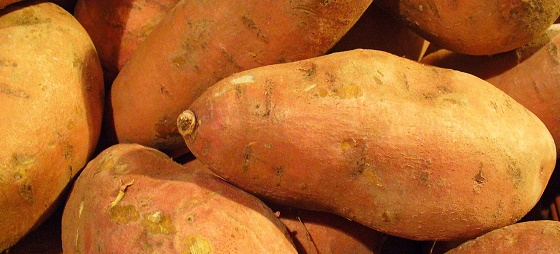
Sweet potatoes
Sweet potatoes are a good source of complex carbohydrates and have an advantage over conventional potatoes - they contain a large amount of beta-carotene, which acts as an antioxidant, as well as vitamin B, C, E, potassium, magnesium and manganese.
Tip:
- Sweet potatoes are close in taste to pumpkin and can be used to make sweet and savoury dishes such as mash, chips - recipe in this article, pies, pancakes, salads.
Nutritional values per 1 large sweet potato
- 162 kcal
- Protein 4 g
- Carbohydrates 37 g
- Fat 1 g
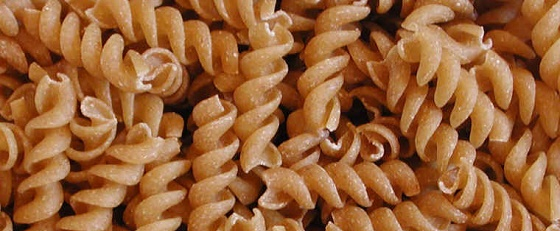
Wholemeal pasta
Wholegrain pasta is another good source of complex carbohydrates. They can be made from different types of wholemeal flour - e.g. rye, spelt, buckwheat. Compared to conventional pasta, they contain more vitamins (especially B vitamins), minerals (phosphorus, magnesium, calcium, zinc) and fibre.
Tip:
- Cook pasta "al dente" (to bite), if you overcook it, you will unnecessarily increase its glycaemic index.
Nutritional values per 100 g wholemeal rye pasta (dry)
- 341 kcal
- Protein 18 g
- Carbohydrates 72 g
- Fat 2 g
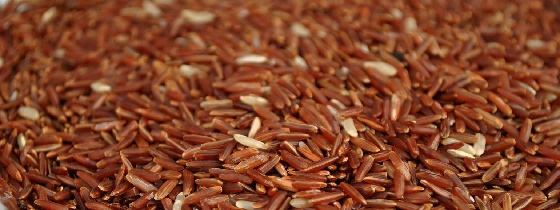
Wholemeal rice
Complex carbohydrates can also be obtained from whole grain rice, which, compared to white rice, contains more fibre, vitamins B1, B2, B3, B6 and E, phosphorus, zinc and magnesium. It is naturally gluten-free.
Tips:
- There are several types of whole grain rice - e.g. black, red, Indian - we've covered the five healthiest types inthis article.
- Rice doesn't have to be prepared as a side dish, it can be made into risotto, sweet porridge, pudding or pancakes.
Nutritional values per 100 g wholemeal red rice (dry)
- 363 kcal
- Protein 7,3 g
- Carbohydrates 77 g
- Fat 2,3 g
[Image and information sources: medicaldaily.com, medicalnewstoday.com, ncbi.nlm.nih.gov, draxe.com, whfoods.com,bodybuilding.com, ifedelicious.wordpress.com, indianapublicmedia.org, myfitnesspal.com, pixabay.com]
No posts have been made yet.








