





Ten things you didn't know about eggs!
 Author: Šárka Randáčková
 If you're a strength or conditioning athlete, chances are you eat eggs. A lot. But what the heck do you know about them, other than that they're a convenient source of protein?
You're like a member of one of those couples that have been together for years but know nothing about each other. Shame on you.
Well, it's not too late to make amends and learn about the food that has accompanied you through good times and bad. Here are ten things about chicken eggs. Some useful, some good for trivia fans only, and some downright weird.
1. Eggs increase testosterone and protein synthesis
Some people, probably in an effort to avoid cholesterol or maybe just to avoid extra calories, avoid the yolks and gobble only the whites. This is a big mistake. Especially for strength or conditioning athletes.
Scientists have found that eating whole eggs leads to increased testosterone production, probably because they supply the testes with arachidonic acid, an intermediate in testicular steroidogenesis. Whole eggs also induce a sharp increase in mTOR, arguably the most important cell signaling complex for muscle growth. The higher the mTOR level, the greater the proteosynthesis.
Most importantly, eating whole eggs increased muscle protein synthesis after exercise by about 45% more than eating egg whites alone.

2. Eggs do not raise cholesterol
The average large egg contains 187 mg of cholesterol, which is a lot, especially since medical science recommends limiting daily consumption to 300 mg or less.
Because eggs contain so much cholesterol, it has always been assumed that they carry large amounts of it into the blood, but the findings have been inconsistent. While some studies have shown that they raise blood levels, many have shown that eating eggs has no effect on cholesterol levels at all.
Eat one egg a day. Eat two eggs a day, or none at all. Even eating four eggs a day has shown in some studies that eggs are largely harmless in terms of clogging your pipes.
The authors of a recent study (Kim, et al. 2018) think they may know why. They believe that the cholesterol in eggs is poorly absorbed by the human body. According to them, a pair of phospholipids contained in egg yolk (phosphatidylcholine and sphingomyelin) affect intestinal lipid metabolism and reduce lymphatic absorption of cholesterol. Then there is the egg white itself. This too appears to limit cholesterol absorption by impairing the micellar solubility of cholesterol in the intestine.
If these theories are confirmed, it seems that nature has equipped eggs with a built-in safety method to protect the people who consume them.

3.That whitethread is not a little chicken
Many people look at the stringy, blistery mass that often clings to the egg yolk and automatically assume it is a chicken embryo. It isn't. The only unfertilized eggs sold in stores are from respectable virgin hens who are saving themselves for their soulmate.
These leaky strings are in fact what are called "chalazae" and are just twisted membranes which, if intact, attach the yolk to the inside of the shell. They are quite edible and their presence suggests that the egg is fresh.
4. Have you no eggs?Bake with blood!
If you are going to bake but are out of eggs, you can substitute pig's blood. Sixty-five grams of blood will replace one large egg. Eggs and blood seem to have similar protein compositions, especially albumin, which is largely responsible for the clotting ability of both.
All of this comes to us thanks to the Nordic Food Lab, which is actually considering using pig's blood in baked goods and even ice cream. (Remember, these are the people who sacrifice people by stuffing them into a disemboweled bear carcass and then putting it on the fire... at least that's how I saw it in the movie "Midsommar").

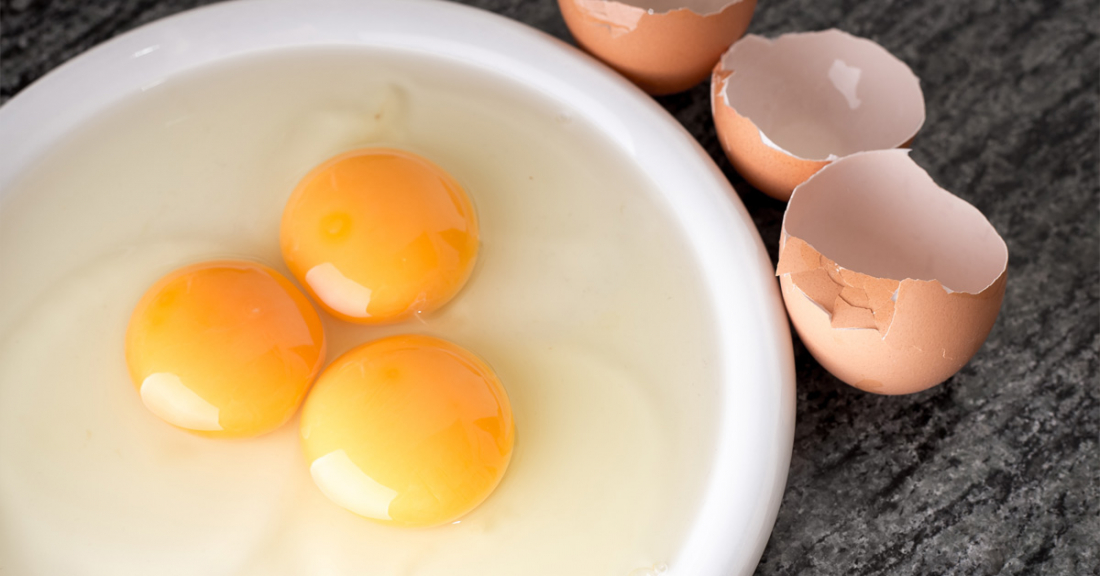
5. You may be able to get around egg allergy
Egg allergies are relatively common in children, but they also affect some adults. For some reason, the immune system becomes overly sensitive to the proteins in eggs and overreacts, causing symptoms such as skin rashes, hives, stuffy nose and indigestion.
These reactions are caused by one or more of the five main potentially allergenic proteins in eggs. When one or more of these proteins are ingested, they trigger an immune response.
However, there may be a solution. Proteins are made up of individual amino acids that form one or more long chains. However, when heated, proteins break down into individual amino acids.
Do you see what I'm getting at? If you "destroy" the proteins with enough heat, you make it impossible for the egg to cause an allergic reaction. Soft-boiled or even scrambled eggs still retain a problematic amount of intact amino acids, while intensely heated eggs (hard-boiled or fried) do not.
However, there are some people who are super-allergic to eggs, and for them, even over-heated eggs might not be tolerable. These people should proceed with caution and consider seeing an allergist.
6. Your eggs may be fake
Counterfeit eggs are making their way into several countries around the world, but are especially common in India. Fake eggs, which are produced at about half the price of real eggs, are likely to come from China. Ingredients include resin, starch, coagulant, pigments and sodium alginate from algae for the white, resin and pigments for the yolk, and gypsum powder, paraffin and calcium carbonate for the shell.
A talented forger can produce up to 1,500 of these a day. It sounds absurd, but according to an article in Time Magazine, the cheaper but less tasty and potentially unhealthy eggs look so realistic that some consumers are giving up on real eggs altogether.
7. Eating raw eggs is stupid
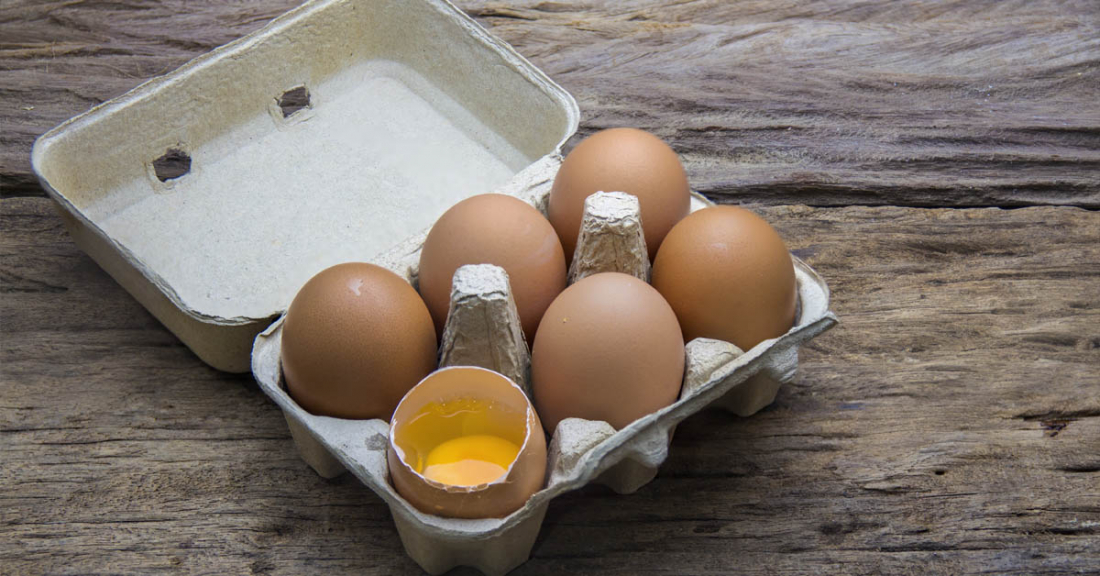
Remember the scene in the first Rocky movie where Balboa eats a jar full of raw eggs? Well, if he did that every morning, he'd look a lot different for his fight with Apollo than he was shown in the movie.
He'd have conspicuous blotchy, red, eroded lesions on his face and also, if his bathing suit slipped down, on his crotch. He might also have been missing eyebrows and eyelashes, and he wouldn't have lasted a single round because he would have suffered from depression, lethargy, numbness in his limbs, and even hallucinations.
All of the previous symptoms are signs of biotin deficiency and this is what can happen if someone has a penchant for eating raw eggs. The problem is that raw eggs (specifically egg whites) contain the chemical avidin, which binds to biotin, leading to a biotin deficiency. However, because avidin is a protein, it denatures when the egg is cooked, preventing its ability to bind biotin.
So don't be like Rocky. Boil the eggs.

8. Old eggs float
The shell of an egg is porous, so air passes through it to the extent that eggs form internal air pockets as they age. This property makes it possible to test whether the egg in question is fresh or old.
Just dip it in a glass of water. If it floats, it's a retired egg. If it sinks, it's young and idealistic. Boil it quickly and kill all its dreams.
9.You can spin the egg to see if it's boiledorraw
To find out if a whole egg has been hard-boiled, spin it on its side. If it tries in vain to pick up speed and slows down quickly, it is raw. But if it is still turning rapidly, it is hard-boiled. This is because a raw egg is liquid, its stability is compromised. The liquid inside spills out and prevents smooth turning.
A hard-boiled egg, however, is solid inside, so it can continue to turn quickly.
Recommended

Nebbia Tvarující legíny s vysokým pasem GLUTE PUMP 247
BiotechUSA Zero Bar

Master Greens 216g 1+1

Nebbia Volné baggy tepláky s kapsami GYM BRO 365
10. In some countries, eggs are not refrigerated
Eggs pass through the same dark cloacal tunnel as chicken feces, making them susceptible to contracting salmonella and other bacteria. Egg experts from other countries will tell you that salmonella poisoning is very rare, so they don't bother refrigerating eggs. Instead, they sit on the shelves just like their cocoa nibs, or as they are called in some of these countries where eggs are not refrigerated, Choco Krispis.
The eggs have a protective layer on the outside, known as a "bloom," which could normally protect the eggs from microbial intrusion. But U.S. egg distributors inadvertently wash off this coating to make sure the eggs don't contain salmonella.
It is likely that they would have been better off leaving the natural bacterial barrier in place, leaving the egg to protect itself. In any case, Americans are advised to keep eggs refrigerated to minimize bacterial infection.
Source: www.t-nation.com - 10 Things You Don't Know About Eggs
By TC Luoma
Translated by Jaromír Uhlíř
Author: Šárka Randáčková No posts have been made yet.








