





Everything you need to know about cholesterol
 Author:
 Cholesterol has been used in various meanings in recent years, which has led to a lot of myths about it. You've probably heard about the importance of keeping an eye on your total cholesterol levels and the ratio between good (HDL) and bad (LDL) cholesterol. But what is cholesterol, what is the difference between good and bad cholesterol, and why is there such a fuss about high levels? Let's find the answers to all these questions together!
Article content:
- What is cholesterol?
- Good vs. bad cholesterol
- What can cause high cholesterol?
- Can cholesterol levels be affected or how can they be lowered?
- What to take away from the article?
What is cholesterol?
Cholesterol is a steroid substance that is a natural part of every cell. Cholesterol is a precursor for the production of vitamin D, certain hormones (such as testosterone) and bile salts, which are necessary for the digestion of fats. Also, the human brain needs cholesterol because it helps make certain neurotransmitters, such as serotonin and dopamine. The body makes most of it itself, specifically in the liver. Cholesterol is only produced in the liver in the amount necessary to fulfil its functions in the body. However, cholesterol is also ingested in the diet, and it is through inappropriate eating habits that cholesterol levels can rise. Cholesterol is indispensable for the body, but on the other hand it must not be present in excess in the blood. It is therefore true that not all cholesterol is bad.
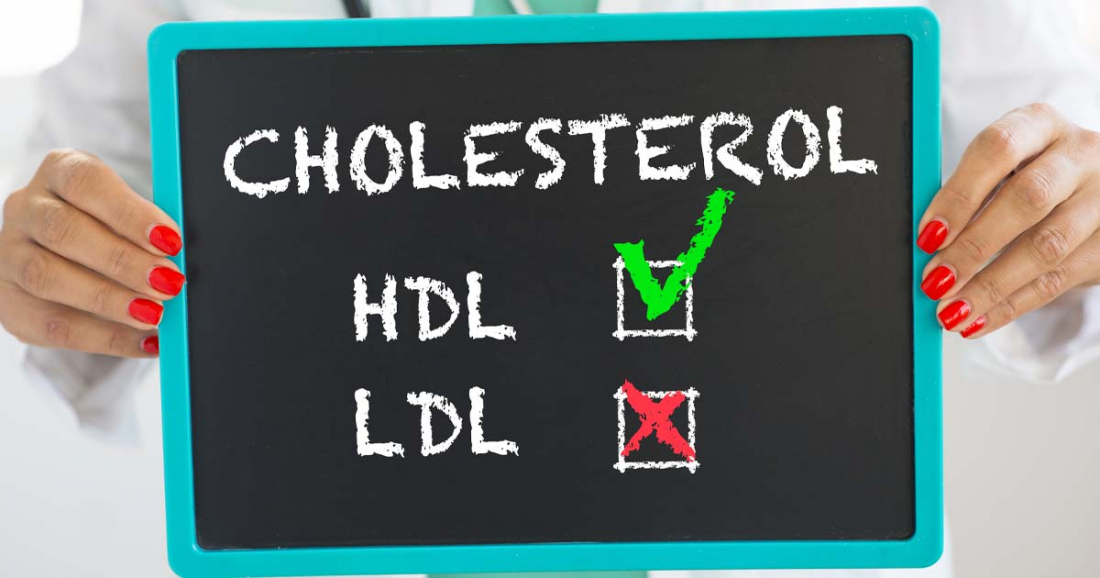
Good vs. bad cholesterol
As mentioned above, in the context of cholesterol we often see the labels good/good (HLD cholesterol) or bad/bad (LDL cholesterol). Let's review the different types of cholesterol and other important terms.

HDL - High Density Lipoprotein
They were not "good" cholesterol. HDL cholesterol is, as the name implies, high density lipoprotein. It is formed in the liver and intestinal cells. It has a protective function because it helps transport excess cholesterol back to the liver where it can be metabolized and then used or removed. By this mechanism, it helps to regulate the deposition of cholesterol on the walls of the arteries. In the liver, cholesterol is degraded (broken down) into other components. Its level tells us to what extent the body can get rid of excess cholesterol by transport to the liver. It should be no lower than 1.2 mmol/l in men and 1.0 mmol/l in women. This type of cholesterol accounts for about 20-30 per cent of the total cholesterol in the body.
LDL - Low Density Lipoprotein
LDL cholesterol is a low-density lipoprotein, nicknamed the "bad" cholesterol. Its level should be maintained in a specific ratio to HDL cholesterol to avoid increasing the risk of developing heart disease. This ratio should be 1:2.5 (HDL : LDL). In higher concentrations, it is then deposited in the walls of blood vessels in the form of atherosclerotic plaques, which lose elasticity, become narrower (atherosclerosis) and may even become blocked.
Elevated LDL cholesterol may be due to a high intake of LDL cholesterol due to an inappropriate diet, but it may also be due to increased production in the liver. LDL cholesterol levels above 3 mmol/l are considered critical. It is not news that high levels of LDL, or 'bad' cholesterol, increase the risk of heart disease and stroke. These are exactly the most common causes of mortality in the world. LDL makes up about 60-70 percent of the total cholesterol in the body.

VLDL - Very Low Density Lipoprotein
There is a third "type" of cholesterol that is not tested for in normal cholesterol tests, but rather estimated based on triglyceride levels. VLDL cholesterol is very low density lipoprotein. It is a precursor to LDL and makes up about 10-15 percent of the total cholesterol in the body.
Triglycerides
There is one more very important concept to mention in relation to cholesterol and that is triglycerides. These are the source of energy for human cells. If the body has an excess of them (simply put, we eat more energy-dense foods than we need), it stores them in fatty tissue. It is therefore not surprising that high levels of triglycerides in the blood are often found in obese or overweight people. High triglyceride levels are associated with an increased risk of cardiovascular disease. Elevated triglyceride levels tell us about the amount of cholesterol-carrying particles in the blood. The triglyceride level should not exceed 1.7 mmol/l.
Total cholesterol
If you go for a check-up, you may still see a total cholesterol value. This value represents the TOTAL amount of cholesterol in the blood, its concentration is given in mmol/l and a level above 5.2 mmol/l is considered bad.
What does it mean to have high cholesterol and how does it manifest itself?
We already know that cholesterol is necessary to a certain extent. We also know that there are different types and that we need to keep them in a certain proportion to avoid negative health effects. The good news is that a healthy body can maintain an optimal ratio in the blood and digestive system on its own. The problem arises when a person eats in an inappropriate way, or in obese people.
According to the US National Library of Medicine, there are no known "obvious" symptoms of high cholesterol. The reason why high cholesterol is considered problematic is not because of any specific symptoms, but because the moment we have consistently elevated levels, the risk of developing heart disease, the world's leading cause of death, increases. For most people, following a healthy diet and being active enough to control cholesterol levels in a completely natural way is enough to ensure optimal cholesterol levels.
Recommended
Big Zone Citrus Bergamot

GymSupps Omega 3
What can cause high cholesterol?
Unfortunately, high cholesterol is often genetically determined, i.e. by a family predisposition, but there is no need to "throw in the towel" at such times. Adherence to a healthy lifestyle is the best remedy and can be a very effective weapon against cholesterol elevation in this case as well. The most common risk factors that lead to an increase in cholesterol levels are obesity, unhealthy eating, overeating and a sedentary lifestyle. However, other diseases such as diabetes or reduced thyroid function can also cause an increase in triglycerides and cholesterol.
Increases in cholesterol also occur when there is a significant imbalance between omega-6 and omega-3 fatty acids in the diet. As you are well aware from our recent article on omega-3 fatty acids, this ratio should be 1:1 max 3:1 in favour of omega-6 fatty acids, but in the diets of most western populations the dominance of omega-6 is much more pronounced, about 10:1a. This condition leads to the formation of inflammation in the body and also to an increase in LDL cholesterol levels. Excessive intake of processed foods, inappropriate sources of fat, fast food, and of course excessive intake of refined sugars are also a stimulus for increased cholesterol levels. Smoking, obesity and a sedentary lifestyle also contribute to high cholesterol levels.
Can cholesterol levels be influenced or how can they be lowered?
Yes, of course you can, and it's actually not particularly difficult. There are several tools that you can use to combat high cholesterol levels without having to resort to medication right away. Let's take a look at those key tools together!
Bet on a healthy diet
Diet can influence a variety of factors, and cholesterol levels are no exception. First and foremost, we should focus on making sure that our diets contain as much fresh food as possible - that is, limiting semi-processed foods, overly processed products, cured meats, sources of trans fats and refined sugars. In short, we should eat food that is real food, in quantities that meet our needs and goals. We should also make sure we get enough fibre, especially soluble fibre, which is found in cereals (ideally oats, rye, barley), pulses, vegetables and fruit. Fibre can slow the absorption of cholesterol from the intestines. Foods rich in fibre also contain other beneficial substances that contribute to keeping our blood vessels in shape. We should also not forget about our drinking regime, which should ideally consist mainly of clean water.
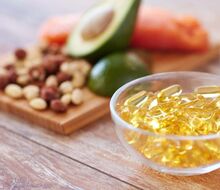
Let's go back to fats for a moment, because they are the most important nutrient in terms of cholesterol - we already know that there are different types of fat, each with its own specific properties and all of them important in their own way. That is, except for trans fats, which can be described as negative. They are produced artificially, by adding hydrogen to vegetable oil, so that the resulting food product has the longest possible shelf life. Trans fats can have a very significant effect on total cholesterol levels by lowering HDL levels and increasing LDL levels. Therefore, our diets should contain as little trans fat as possible. In their natural form, trans fatty acids are found in small amounts in various foods, especially of animal origin, such as meat, milk or dairy products, but they can be found in various products such as processed cheese, fast food, margarines, over-processed foods and sweets, and it is the consumption of these foods that we should limit.
Unsaturated fatty acids are then an important player in the fat field, as omega-3 fatty acids belong to this group. Like most of the Western population, we have a dietary imbalance between omega-3 and omega-6 fatty acids, and this can cause an increase in LDL (or 'bad') cholesterol. Omega-6 fatty acids are included in most very popular European foods such as sausages, cold cuts in general, butter, cream, but also sweets, so it is very unlikely that we are deficient in them. The richest source of omega-3 fatty acids is fatty marine fish, which unfortunately in our conditions few people consume enough of. Therefore, it is advisable to take them by supplement and to enrich your diet with other sources of omega-3 fatty acids, such as flaxseed or walnuts.

Not only diet, but also exercise.
A sedentary lifestyle is a factor that contributes significantly to increased cholesterol and the development of obesity. So it will come as no surprise that regular physical activity can have an impact on cholesterol levels. And in two ways. It can both lower total cholesterol and raise 'good' HDL levels. And it doesn't have to be extreme activity, just a simple walk or a spot of gardening. In order for physical activity to have a positive effect on our cholesterol, we should engage in it for at least 150 minutes a week. In addition, physical activity can help when trying to lose weight, which is another way you can protect your heart and keep your cholesterol levels in check.
Limit alcohol.
Excessive alcohol intake is not beneficial to your health in any way and thus, logically, more alcoholic beverages can raise cholesterol levels. In reasonable amounts, although alcohol only raises LDL cholesterol levels very slightly, consuming alcoholic beverages is definitely not advisable when trying to lower cholesterol levels.
Do you smoke? That too contributes to high cholesterol levels!
Smoking is not only associated with the risk of developing lung cancer and other heart and lung diseases, but it also has a negative effect on cholesterol levels. Smoking also damages the inner lining of blood vessels, making it easier for cholesterol to work in the formation and development of atherosclerosis.
Prevention is the best treatment
Another effective way you can keep your cholesterol levels at bay is to check them regularly. If you have someone in your family who struggles with cholesterol, it is highly advisable to have your cholesterol measured regularly while following the advice above. If you are suffering from obesity or simply have a few extra pounds, your goal should be to reduce your body fat percentage and slowly reduce your weight, as this is also a very good strategy for maintaining reasonable cholesterol levels.
As can be seen, the principles for lowering cholesterol and maintaining normal cholesterol levels are the same as those for a healthy lifestyle. If you take good care of your body, you probably don't have to worry about elevated cholesterol levels.
What to take away from this article?
Cholesterol is an often-debated topic, yet many people don't know why it is actually problematic or when it is problematic. Today, we've explained all the important terms that are related to cholesterol, and we've also covered when to go ahead and start addressing high cholesterol issues. But it's very easy to do so - all you need to do is switch to a healthy lifestyle, make sure you have a good diet, get enough exercise, keep your weight in check and cut down on smoking and alcohol.
Sources:
DuBroff, R., & de Lorgeril, M. (2015). Cholesterol confusion and statin controversy. World journal of cardiology, 7(7), 404-409. https://doi.org/10.4330/wjc.v7.i7.404
Van Gaal, L. F., Wauters, M. A., & De Leeuw, I. H. (1997). The beneficial effects of modest weight loss on cardiovascular risk factors. International journal of obesity and related metabolic disorders : journal of the International Association for the Study of Obesity, 21 Suppl 1, S5-S9.
Ramsden, C. E., Zamora, D., Majchrzak-Hong, S., Faurot, K. R., Broste, S. K., Frantz, R. P., Davis, J. M., Ringel, A., Suchindran, C. M., & Hibbeln, J. R. (2016). Re-evaluation of the traditional diet-heart hypothesis: analysis of recovered data from Minnesota Coronary Experiment (1968-73). BMJ (Clinical research ed.), 353, i1246. https://doi.org/10.1136/bmj.i1246
Kanter, M. M., Kris-Etherton, P. M., Fernandez, M. L., Vickers, K. C., & Katz, D. L. (2012). Exploring the factors that affect blood cholesterol and heart disease risk: is dietary cholesterol as bad for you as history leads us to believe? Advances in nutrition (Bethesda, Md.), 3(5), 711-717. https://doi.org/10.3945/an.111.001321
Ramsden, C. E., Zamora, D., Majchrzak-Hong, S., Faurot, K. R., Broste, S. K., Frantz, R. P., Davis, J. M., Ringel, A., Suchindran, C. M., & Hibbeln, J. R. (2016). Re-evaluation of the traditional diet-heart hypothesis: analysis of recovered data from Minnesota Coronary Experiment (1968-73). BMJ (Clinical research ed.), 353, i1246. https://doi.org/10.1136/bmj.i1246
Batic-Mujanovic, O., Zildzić, M., Beganlić, A., & Kusljugić, Z. (2006). Efekat pusenja cigareta na nivo HDL-cholesterola [The effect of cigarette smoking on HDL-cholesterol level]. Medical Archives, 60(6 Suppl 2), 90-92.
No posts have been made yet.








