Testosterone for women: busting myths!
 Author: Šárka Randáčková
 Testosterone for women? Yes.
Although testosterone (T) has long been referred to as the male hormone, it is actually also the most abundant active hormone in women. Sure men have higher circulating levels, but even in women T dominates over estrogen, or so say researchers Rebecca Glaser and Constantine Dimitrakakis.
The two scientists writing for the publication Maturitas urge us to examine how estrogen levels in women are measured (picograms per milliliter) while T is measured in nanograms per deciliter, a 10x larger unit.
In addition to estrogen, women also have exponentially higher amounts of pro-androgenic substances like DHEA and androstenedione circulating in their bodies, which supply additional T.
Heck, even the gene for androgen receptors, which T and other sex hormones bind to, is on the X chromosome, not the Y. Thus, both scientists lament that, despite the evidence, estrogen is used for hormone therapy in women.
So why is T not used to treat female menopause? I've been thinking about this for some time, and I only do endocrinology as a hobby. We administer the two cornerstones of hormonal well-being, estrogen and progesterone, to women, but completely neglect the third. It's crazy.
However, when you take a closer look at some of the myths that T is shrouded in and thus neglected in male hormone therapy, it starts to become clear what's really going on.
Myth 1: Testosterone makes women men.

This myth is probably the brainchild of the female East German and Soviet Olympic team members of the 1970s and female competitive bodybuilders.
I personally know women who had angelic voices, and stupid amounts of steroids changed them so that they could do beer commercials and Ford pickup trucks. Women who had to start shaving their faces every day, except on weekends when they didn't move from the garage.
So clearly, it's no wonder the medical community and patients abhor T. Unfortunately, it must be understood that all of this scary stuff is dose dependent, and T therapy actually promotes femininity by increasing fertility and promoting ovulation. T was even previously used as a remedy for the nausea accompanying early pregnancy.
Even so, side effects occasionally occur, but Glaser and Dimitrakakis point out that masculinization is not achievable at normal doses. And the positive effects are often so strong that many women prefer to treat side effects rather than reduce doses.
While the authors acknowledge that T is used in the treatment of transgender patients and can lead to beard growth and slight clitoral enlargement, these effects are often reversible by dose reduction. Furthermore, an enlarged clitoris is not a medical problem. It is a cosmetic defect that can also bring increased sexual pleasure.
- Conclusion: No, at normal doses T does not turn women into men. To a substantial degree, it actually does the opposite.
Myth 2: Women only need T for sex

Yes, T therapy promotes declining libido, but women have androgen receptors everywhere, not just in the brain and reproductive areas. They're in the heart, breasts, blood vessels, lungs, spinal cord, bladder, peripheral nerves, bones, marrow, synovia, adipose tissue, muscles, and of course, uterus, ovaries, and vaginal tissues.
As in men, T levels begin to decline with age, bringing on anxiety, irritability, depression, fatigue, bone decalcification, muscle wasting, insomnia, changes in perception, memory loss, breast pain, urological problems, and yes, sexual dysfunction as well as indifference.
- T is clearly also responsible for far more in women than ladies wanting to put on a nice record on the turntable when their partner gets home from work.

Myth 3: Testosterone damages the heart
It's clear how it started. Men have more T and are more likely to have heart attacks. This is a classic misconception. It's like thinking that every time you turn on the TV show The Young and the Restless, the neighbor's dog starts barking. It's more likely that the postman is walking by at the same time than that the dog is allergic to a good American soap opera.
Back to men's hearts: If T has an effect on heart attacks, it's probably because of its low levels, which are associated with all sorts of risks. Conversely, there is countless evidence that T is beneficial to cardiovascular health, helping with glucose metabolism and lipid profile, both factors that play a role in heart disease.
Testosterone also dilates arteries, allowing blood to bypass potential blockages. It also has an effect on immunity, reducing the risk of blockages forming themselves. Clinical studies have also confirmed T's ability to improve functional capacity, insulin resistance, and muscle strength in people suffering from heart failure.
Of course, a certain amount of T is converted to estrogen, which can have an adverse effect on patients' hearts. Such side effects would include swelling, anxiety and weight gain. In addition, drugs that are commonly given in the treatment of heart disease can have an adverse effect on this conversion and multiply the side effects.
- Thus, T is largely beneficial for the heart and its healthy levels in turn reduce the risk of cardiovascular problems.
Recommended

Czech Virus SuperVita PRO 2.0

Czech Virus Synephrine MAX

Omega 3 240cps 1+1

Nebbia Slim fit legíny s kapsami SLEEK 482
Myth 4: Testosterone will fry your liver
T doesn't damage the liver, but it's easy to see where this belief came from. Bodybuilders, professional athletes, and vain people often take staggering doses of oral versions of testosterone, which they then have to process with their livers, which can damage them in the long run.
- However, T itself is not taken orally, but is injected, implanted or absorbed through the skin in the form of a cream or gel. All these methods allow him to avoid the liver, which comes out spotless.
Myth 5: After testosterone, your hair falls out

As Glaser and Dimitrakakis state, hair loss is a complicated, multifactorial and genetically determined process that we don't fully understand. However, the evidence for the influence of T is minimal, especially in the treatment of women. It is true that women with polycystic ovarian disorder and insulin resistance experienced hair loss after T therapy, but this does not demonstrate an association. Moreover, hair loss is common in both women and men with insulin resistance.
What happens is that insulin resistance (and obesity) increases levels of the enzyme 5-alpha-reductase, and thus some T is reduced to dihydrotestosterone, or DHT, which is the androgen involved in balding.
However, this does not happen to healthy women, quite a few of whom (about a third) start to bald with age and declining levels of T. Remarkably, and most people, including doctors, don't really want to believe this, two-thirds of women undergoing hormone therapy instead start to grow their hair back. And the rest often have some associated problem like thyroid dysfunction, iron deficiency or obesity.
- As proof of T's innocence in the case of female pattern baldness, I can point out that none of the 285 ladies treated with hormone therapy for up to 56 months complained of hair loss.

Myth 6: Testosterone in women causes giant irritability

Despite men blaming their natural emotional instability and aggressiveness on "roid rage", this problem simply does not exist in women. The doses are too small.
Moreover, there is considerable evidence that it is estrogen that causes aggression. Some T of course aromatizes and converts to estrogen in both men and women, but it's not enough to turn women into the Hulk, the monster you don't want to see angry.
- On the contrary, researchers have found that subcutaneous implantation of T reduces aggression, irritability, and panic in 90% of those treated for T deficiency.
Myth 7: Testosterone may increase breast cancer risk
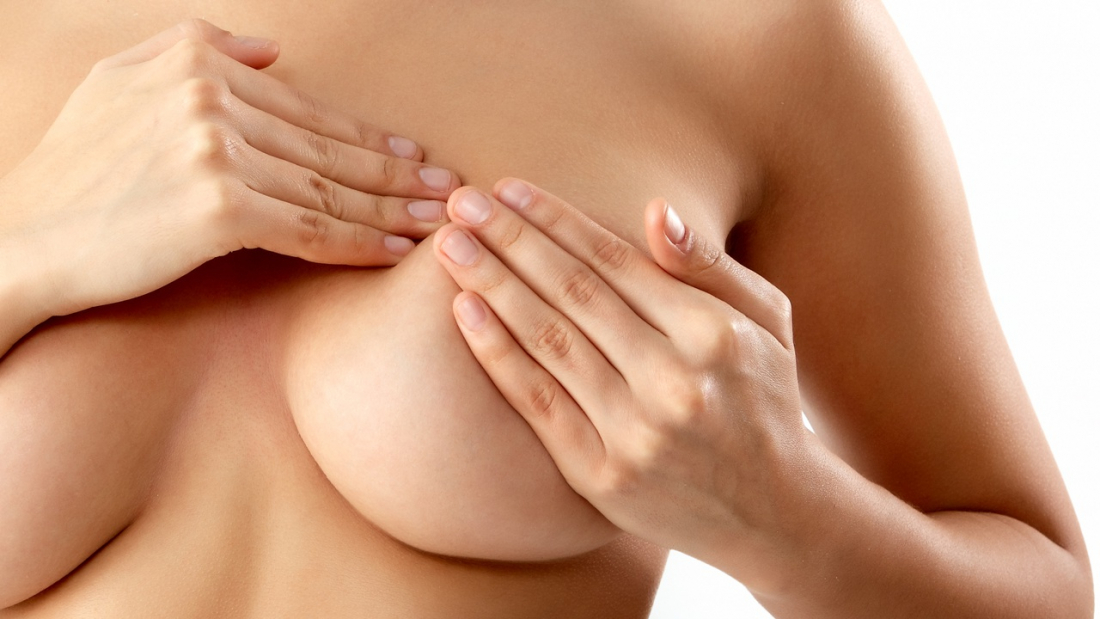
It has long been known that breast cancer is sensitive to estrogen, while T has beneficial effects on breast tissue.
It seems that we should rather thank the ratio of both hormones. Moreover, once androgen receptors are activated, they acquire cancer-suppressing properties in both normal and cancerous breast tissue.
- I will mention once again, however, that some T is converted to estrogen, which is a risk to hormonal balance. Still, T does seem to reduce the risk of breast cancer, especially in women who have been treated with estrogen.
Myth 8: Testosterone therapy is new in women and not well studied
England and Australia have been using it safely for almost 70 years, since 1938. Long-term data shows that women can safely use doses up to 225 mg, which is an extremely high amount for them.
Knowing this, the conversion of T to estrogen increases with age, obesity, amount of alcohol, breast cancer, insulin resistance, medication, light drugs, sedentary lifestyle, and uncontrolled intake of processed foods. Combine this with the potential transformation arranged by hormone therapy and the risk of hormonal imbalance increases. Therefore, doctors must carefully monitor hormone levels in people on hormone therapy.
And one that is not a myth
Testosterone is unfortunately still considered a banned substance causing unfortunate side effects. And in fact, if it is administered and monitored incorrectly, this may be true. However, the same is true for aspirin or Martians.
Although some doctors are not so opposed to treating women with T these days, its classification still discourages enough of them from prescribing it. The biggest obstacle to its wider use is the widespread mythology that surrounds it. I hope this and other articles will help change some of that.
Source: www.t-nation.com - Testosterone for Women: Busting the Myths
Author.
Author: Šárka Randáčková No posts have been made yet.