





Six amazing benefits of regular kefir consumption
 Author:
 Kefir. A healthy drink that our grandmothers knew and in the 21st century is experiencing a new boom. It is a probiotic drink that contains many bioactive compounds, including up to 30 different strains of beneficial bacteria. These are able to help boost immune function and fight harmful microbes and carcinogens - plus they are often considered key when trying to eliminate or alleviate digestive problems. Today, let's take a closer look at this beverage that benefits our health in many ways.
Article content:
- Theoretical window - what is kefir?
- Kefir from a nutritional point of view
- Six amazing benefits of regular kefir consumption
A theoretical window - what is kefir?
Kefir is a fermented milk drink made using starter "grains" that are a combination of bacteria and yeast. The kefir grains interact with milk to produce a slightly fermented drink, which can also usually be drunk by people who are lactose intolerant. Scientifically speaking, milk kefir grains contain a complex microbial symbiotic mixture of lactic acid bacteria and yeast in a polysaccharide-protein matrix.

Kefir can be made from almost any kind of milk. Goat, sheep, cow, soy, rice or coconut milk can be used. It can even be made from coconut water. This probiotic drink has been used for thousands of years in many different cultures around the world, but it is most common in Eastern Europe. Its name comes from the Turkish word keyif, which translates as 'feeling good', and its full origins date back to the eastern European mountains of the Caucasus. It is believed to have been first discovered by sheep herders who were randomly fermenting milk in their leather bottles. The strength and powerful effects of the mixture soon spread through the tribes and was later picked up by Russian doctors, who began to use kefir to treat other diseases such as tuberculosis.
Kefir is booming today and is popular all over the world. This popular probiotic drink is widely available and can be bought in almost every shop. However, it's also possible to make it from your own kitchen and it's actually not complicated at all. There are plenty of recipes for making kefir grains and interesting ways you can use them. For example, they can be incorporated into soups, stews, smoothies, baked goods and more, but we'll come back to that later.
Kefir from a nutritional point of view
Like other dairy products, kefir is a good source of calcium and also contains a fair amount of vitamin B12, magnesium, vitamin K2, biotin, folic acid, enzymes and probiotics. According to a 2019 study, kefir may contain more than 50 species of probiotic bacteria and yeast. As for specific nutritional values, they will vary depending on the ingredients used - especially the milk, its type and fat content. It is always better to choose pure white products and flavour them with fruit if necessary. As far as fat content is concerned, you can't go wrong with kefir by choosing a low-fat version, but of course there are also semi or full-fat versions available which have a richer taste.

Six amazing benefits that regular kefir consumption offers
Kefir has been described in studies as an almost miracle drink that benefits human health in many ways. Thanks to its high content of probiotics and yeasts, it helps in solving various digestive system problems, can harmonize the intestinal biome, helps strengthen the immune system and has strong antioxidant and antimicrobial effects. Let's now highlight together six of the biggest benefits of drinking kefir regularly.
It contains probiotics that can boost immunity
Kefir contains many probiotics, compounds and nutrients such as biotin and folate that help boost the body's immune system. The particular probiotic strain that is specific to kefir itself is called Lactobacillus Kefiri. Studies say this bacteria species helps create a protective shield against harmful bacteria such as salmonella and E. coli. This bacterial strain, along with several others, helps modulate the immune system and inhibit the growth of harmful bacteria.
But kefir also contains another active compound found only in this probiotic drink, an insoluble polysaccharide called kefiran, which has been shown to have antimicrobial properties that can fight candida. In addition, kefir has been shown to have the ability to help reduce oxidative stress, cholesterol levels and blood pressure. There are even studies that suggest that the bacterial populations contained in this drink may have beneficial effects on a number of metabolic syndrome parameters.
A drink for stronger bones
Kefir made from whole milk products is a good source of calcium along with vitamin K and other minerals that promote bone health. Perhaps even more importantly, it contains bioactive compounds that help absorb calcium into the body and thus inhibit natural bone degeneration. In addition, it appears that kefir and other dairy products may be effective in preventing the development of osteoporosis.
Vitamin K2 has also been shown to be vital for improving calcium absorption as well as bone health and density. The probiotics in kefir drinks improve nutrient absorption, and kefir also contains all the most important nutrients for promoting bone strength, including phosphorus, calcium, magnesium, vitamin D and vitamin K2.
Supports digestion and gut health
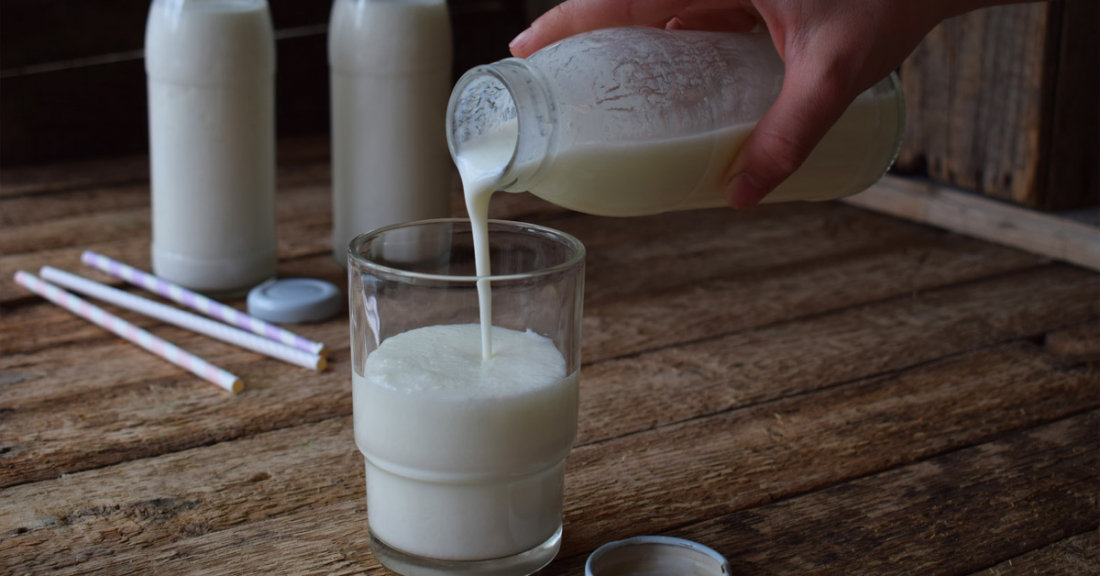
Research shows that eating probiotic foods can help restore balance to the gut biome and fight gastrointestinal diseases such as irritable bowel syndrome, Crohn's disease and ulcers. The intake of probiotics is also a great help to harmonize the intestinal microflora after taking antibiotics and help restore its natural form. Probiotics can also help against diarrhea and other gastrointestinal side effects caused by taking these types of medications. Because kefir can positively alter the composition of the gut microbiota, there is evidence to suggest that drinking kefir can help improve physical performance and combat physical fatigue. So even for athletes, regular consumption of kefir has quite substantial benefits.
Recommended

GymSupps Master Greens
Helps relieve allergy symptoms
Various forms of allergies and asthma are associated with inflammatory processes in the body. Kefir can help to treat inflammation at its source, helping to reduce the risk of developing respiratory problems such as allergies and asthma, or easing their course. According to studies, the live microorganisms present in this quasi-miracle drink seem to help the immune system naturally suppress allergic reactions and help change the body's response to allergy outbreaks. Some scientists even believe that these allergic reactions may be the result of a lack of good bacteria in the intestinal system. Hence, consuming probiotic foods can be very effective in preventing the development of such diseases.
Kefir for healthy and beautiful looking skin
In addition to its "from the inside" effects, kefir also helps to keep in shape the largest organ of our body - the skin. Not only does it help in dealing with skin problems, but it can help to heal burns, scrapes, rashes and psoriasis faster. In addition to probiotics aiding immune system health, the carbohydrates in kefir known as kefiran have also been shown to promote and speed up the healing of skin wounds and may also protect connective tissue.
It can alleviate the symptoms of lactose intolerance
Surprising as it may sound, kefir can be very beneficial for individuals suffering from lactose intolerance. The good bacteria found in dairy products are essential for the proper functioning of our intestines and health in general. However, there are many people who are intolerant to dairy products because they are unable to digest lactose, the main sugar found in milk.
The active ingredient in kefir helps to break down lactose and makes it easier to digest. In addition, this beverage has a greater variety of bacterial strains and nutrients, some only specific to kefir, that help eliminate almost all of the lactose that the product contains. However, we recommend discussing consumption with your doctor first and starting on a small amount so you can observe your body's reactions. In case of allergies and intolerances, kefir made from goat's milk or coconut or other plant milk is the ideal choice. If even this does not suit, allergy sufferers can try water-based kefir.
Helps relieve allergy symptoms
Various forms of allergies and asthma are associated with inflammatory processes in the body. Kefir can help to treat inflammation at its source, helping to reduce the risk of developing respiratory problems such as allergies and asthma, or easing their course. According to studies, the live microorganisms present in this quasi-miracle drink seem to help the immune system naturally suppress allergic reactions and help change the body's response to allergy outbreaks. Some scientists even believe that these allergic reactions may be the result of a lack of good bacteria in the intestinal system. Hence, consuming probiotic foods can be very effective in preventing the development of such diseases.
Kefir for healthy and beautiful looking skin
In addition to its "from the inside" effects, kefir also helps to keep in shape the largest organ of our body - the skin. Not only does it help in dealing with skin problems, but it can help to heal burns, scrapes, rashes and psoriasis faster. In addition to probiotics aiding immune system health, the carbohydrates in kefir known as kefiran have also been shown to promote and speed up the healing of skin wounds and may also protect connective tissue.

It can alleviate the symptoms of lactose intolerance
Surprising as it may sound, kefir can be very beneficial for individuals suffering from lactose intolerance. The good bacteria found in dairy products are essential for the proper functioning of our intestines and health in general. However, there are many people who are intolerant to dairy products because they are unable to digest lactose, the main sugar found in milk.
The active ingredient in kefir helps to break down lactose and makes it easier to digest. In addition, this beverage has a greater variety of bacterial strains and nutrients, some only specific to kefir, that help eliminate almost all of the lactose that the product contains. However, we recommend discussing consumption with your doctor first and starting on a small amount so you can observe your body's reactions. In case of allergies and intolerances, kefir made from goat's milk or coconut or other plant milk is the ideal choice. If even this does not suit, allergy sufferers can try water-based kefir.
Types of kefir
If you belong to the group of people who cannot tolerate any dairy products, there are types of kefir that are also rich in probiotics and have virtually identical benefits to dairy kefir, but are completely lactose and milk free. Basically, there are two main types of kefir. The first type is milk kefir, which is made from cow, sheep or goat milk, but also from coconut milk. The second type is water kefir, which is made from fresh water or coconut water and contains no lactose.
While the base liquid used in the different types differs, the process of making kefir is still the same and both types are thought to provide similar health benefits. All kefirs are made from kefir grains, which are the yeast/bacterial trigger for fermentation. All types are similar to kombucha (another probiotic-rich health drink) in that they must contain sugar either naturally present or otherwise added to allow healthy bacteria to grow and the fermentation process to take place. The end result, however, is that both kombucha and kefir are very low in sugar because the live, active yeast essentially "eats" the vast majority of the added sugar during the fermentation process.

How to use kefir?
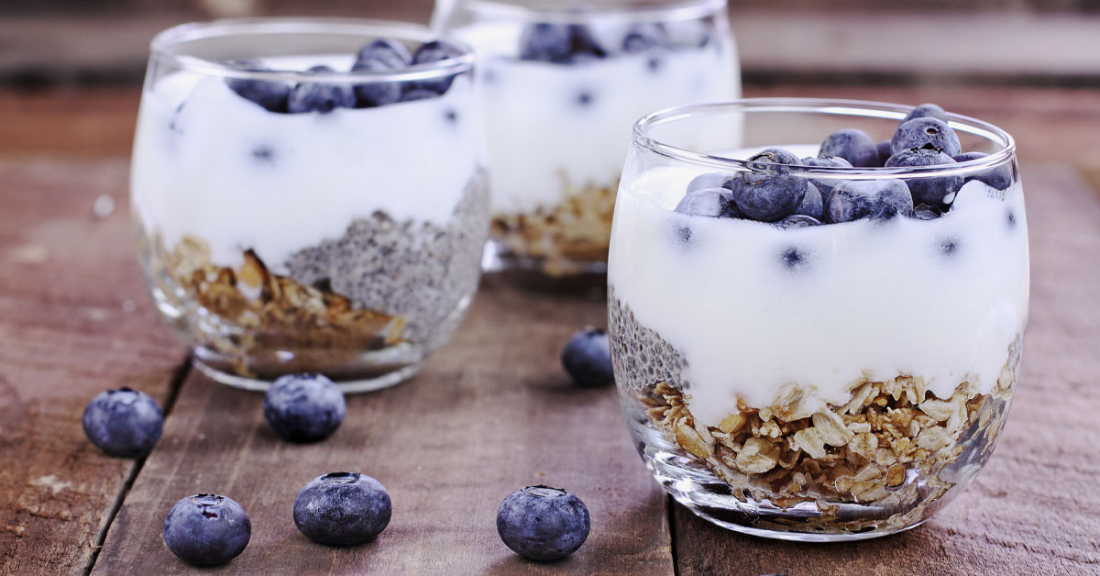
Kefir has a slightly sour taste. As well as tasting great on its own, kefir can be used to create all sorts of delicious things. It can be blended with fruit and a scoop of protein to create a great, nutritionally packed smoothie. You can use it to make fermented porridge, overnightoats, pour it over cereal or homemade granola, or add it to desserts instead of yogurt or milk. It can be a great base for soups and stews to which buttermilk, sour cream, regular cream or yogurt is normally added. You can even use it to make kefir cheese, which is a type of hard, crumbly cheese that you can sprinkle on top of things like spaghetti. In short - kefir is very versatile and we believe you'll love it for its amazing health benefits as well as its great refreshing taste.
What to take away from this article?
Kefir is a drink that our grandmothers knew well and has experienced a new boom in recent years. And that's a good thing. Its regular consumption brings many interesting health benefits. Kefir is rich in probiotics, beneficial bacteria that are essential for a strong immune system and the proper functioning of our intestines. In addition, it contains substances essential for bone health and strength, can promote healthy-looking skin and helps to alleviate difficulties caused by allergies. There are two basic types - milk kefir, which is made from virtually any kind of milk you can think of, and water kefir, which is most commonly made from coconut water. Both types have similar benefits and are definitely worth a try. In addition, kefir tends to be very well tolerated even by lactose intolerant individuals.
Sources:
Prado, M. R., Blandón, L. M., Vandenberghe, L. P., Rodrigues, C., Castro, G. R., Thomaz-Soccol, V., & Soccol, C. R. (2015). Milk kefir: composition, microbial cultures, biological activities, and related products. Frontiers in microbiology, 6, 1177. https://doi.org/10.3389/fmicb.2015.01177
Farag, M. A., Jomaa, S. A., El-Wahed, A. A., & El-Seedi, A. (2020). The Many Faces of Kefir Fermented Dairy Products: Quality Characteristics, Flavour Chemistry, Nutritional Value, Health Benefits, and Safety. Nutrients, 12(2), 346. https://doi.org/10.3390/nu12020346
Carasi, P., Díaz, M., Racedo, S. M., De Antoni, G., Urdaci, M. C., & Serradell, M. (2014). Safety characterization and antimicrobial properties of kefir-isolated Lactobacillus kefiri. BioMed research international, 2014, 208974. https://doi.org/10.1155/2014/208974
Rodrigues, K. L., Caputo, L. R., Carvalho, J. C., Evangelista, J., & Schneedorf, J. M. (2005). Antimicrobial and healing activity of kefir and kefiran extract. International journal of antimicrobial agents, 25(5), 404-408. https://doi.org/10.1016/j.ijantimicag.2004.09.020
Chen, H. L., Tung, Y. T., Chuang, C. H., Tu, M. Y., Tsai, T. C., Chang, S. Y., & Chen, C. M. (2015). Kefir improves bone mass and microarchitecture in an ovariectomized rat model of postmenopausal osteoporosis. Osteoporosis international : a journal established as a result of collaboration between the European Foundation for Osteoporosis and the National Osteoporosis Foundation of the USA, 26(2), 589-599. https://doi.org/10.1007/s00198-014-2908-x
Didari, T., Mozaffari, S., Nikfar, S., & Abdollahi, M. (2015). Effectiveness of probiotics in irritable bowel syndrome: An updated systematic review with meta-analysis. World journal of gastroenterology, 21(10), 3072-3084. https://doi.org/10.3748/wjg.v21.i10.3072
Hsu, Y. J., Huang, W. C., Lin, J. S., Chen, Y. M., Ho, S. T., Huang, C. C., & Tung, Y. T. (2018). Kefir Supplementation Modifies Gut Microbiota Composition, Reduces Physical Fatigue, and Improves Exercise Performance in Mice. Nutrients, 10(7), 862. https://doi.org/10.3390/nu10070862
Hertzler, S. R., & Clancy, S. M. (2003). Kefir improves lactose digestion and tolerance in adults with lactose maldigestion. Journal of the American Dietetic Association, 103(5), 582-587. https://doi.org/10.1053/jada.2003.50111
Rodrigues, K. L., Caputo, L. R., Carvalho, J. C., Evangelista, J., & Schneedorf, J. M. (2005). Antimicrobial and healing activity of kefir and kefiran extract. International journal of antimicrobial agents, 25(5), 404-408. https://doi.org/10.1016/j.ijantimicag.2004.09.020
Yang, G., Liu, Z. Q., & Yang, P. C. (2013). Treatment of allergic rhinitis with probiotics: an alternative approach. North American journal of medical sciences, 5(8), 465-468. https://doi.org/10.4103/1947-2714.117299
No posts have been made yet.








