Kombucha: Genius detox, or just more trendy nonsense?
 Author:
 Have you ever heard of a drink called kombucha? Honestly, we'd be pretty surprised if you haven't. It's been experiencing a real boom lately, and besides the fact that there are various premium brands that have built their entire careers on this drink, you can also buy kombucha in a regular supermarket or drugstore. But is it really a revolutionary drink that has been sort of forgotten, or is it just a new gimmick to turn the gullible out of money? In our article today, we'll take a look at what benefits scientific studies attribute to kombucha and what's just a little bit far-fetched.
Article Content:
- What is kombucha, anyway?
- How is kombucha made?
- Does it have any health benefits? What do the studies say?
- Where to get kombucha and how to use it
- What to take away from today's article?
What is kombucha?
There are a lot of misconceptions about kombucha. If you ask someone what it is, they'll probably tell you that it's a mushroom used to create a drink. In reality, however, the nomenclature is a bit more complicated and kombucha is not a mushroom, but the beverage itself, which is either green or black tea fermented through what is called SCOBY(symbiotic colony of bacteria and yeast). Since the fermentation is carried out by the aforementioned bacteria and yeast, it is in no way a fungus.
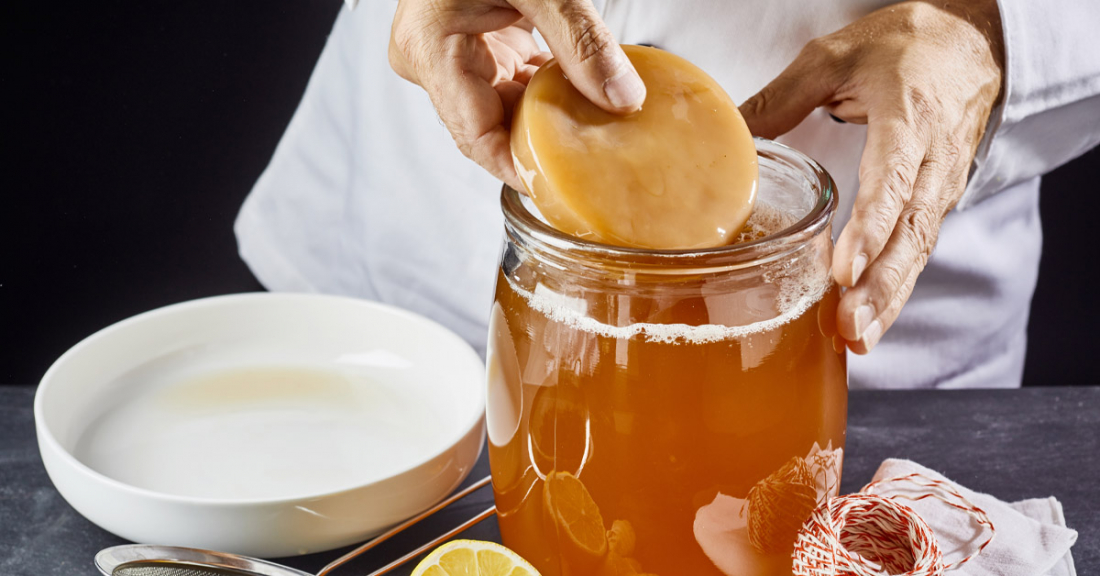
Although it is very much like a fungus, it is not actually a fungus.
How is kombucha made?
The process of making kombucha isn't really all that complicated. SCOBY is usually readily available for example in various Facebook groups that deal with the subject and once you have it at home, all you need to do is make a strong black or green tea infusion, sweeten it and mix it with cold water after infusing and straining. Once the resulting mixture has a temperature somewhere between 25 - 35 degrees, you can put the SCOBY in, cover with a napkin and leave it somewhere dark for 1-2 weeks. If you don't feel like making this drink at home, it is of course quite commonly available in drugstores, supermarkets and health food stores.
Does it have any health benefits? What do the studies say?
If you've ever wondered whether there are any health benefits of kombucha at all, you've probably found a certain amount of controversy - after all, even the Czech version of wikipedia, with a link to the following study, mentions that "Although kombucha is attributed some positive health effects, there is no conclusive scientific evidence." Let's review some of the information we know so far:
It carries the benefits of green or black tea
The base of kombucha is usually green or black tea. And these two drinks are extremely popular and have many scientific studies behind them. For example , some types of tea can lead to lower cholesterol levels in people with high levels, or that they can help to optimise blood sugar levels.But for most of you, that's no reason to buy a multiply expensive kombucha instead of a bag of black or green tea for a few crowns, right?
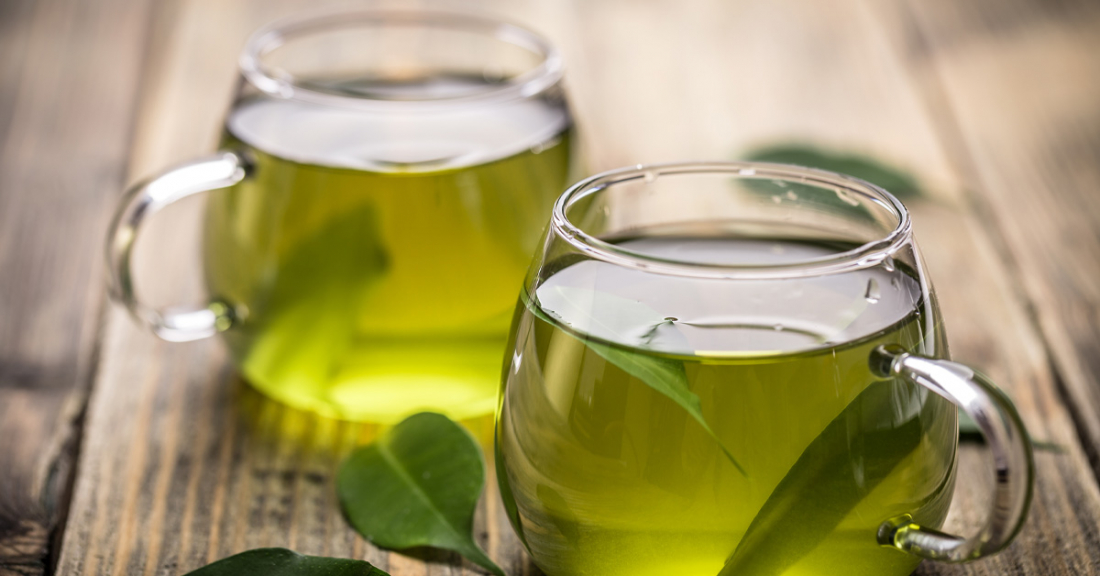
Green tea costs a lot less than kombucha. And surprisingly, the difference may not be as much as it might seem at first glance.
There's too much we don't know
If you're any more interested in kombucha, you should definitely know that we don't know very much about it. Although various companies present the effect of this drink as clearly given and proven, we don't actually have very many relevant studies. Even prestigious media outlets like the NY Times cite research that actually refutes rather than confirms many of the claimed effects.
Similarly, the reputable website Healthline, for example, in its article on the benefits of kombucha, states the following "Although there is still no evidence for the probiotic benefits of kombucha, it contains several species of lactic-acid bacteria which may have probiotic function." Which, for those of you who don't speak English, can be translated to mean that although there is still no evidence for the probiotic benefits of kombucha, it does contain several species of lactic acid bacteria which may have probiotic function. That doesn't sound so sure, does it?
It may have its negatives
Although kombucha is perceived by many people as a healthy drink, it's not good to forget that it contains sugar. For example, the popular Magu has, according to the Calorie Tables, 6 grams of sugar in 100 ml of the drink - 30 grams in a pint and some 116 kcal. If you drank it regularly several times a day, it could affect your dieting efforts quite significantly. At the same time, it is often stated that kombucha is not suitable for pregnant and breastfeeding women, and people with serious illnesses (e.g. cancer) should first consult a doctor about drinking kombucha.
It contains healthy substances, but...
Of course, this does not mean that kombucha is completely useless. As many experts mention, kombucha does contain healthy substances. Unfortunately, however, the amount is quite small and you can get much more of the active substances at a better price from many other foods. So don't believe that kombucha will save you from cancer, radically lower your blood pressure, prevent infections or who knows what else.
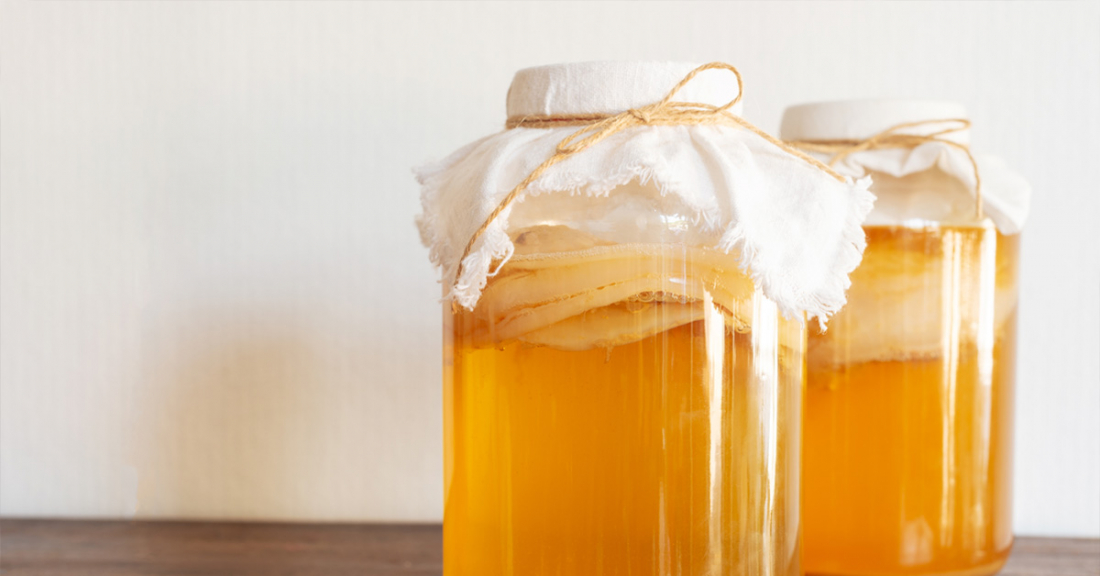
Don't forget that kombucha is a source of calories. On the other hand, its vitamins and minerals aren't so hot.
Where to get kombucha and how to use it
At the beginning of our article today, we described how to actually prepare kombucha at home. And in fact, there's really nothing hard about it, and lots of people do it that way. But as some expert sources cleverly point out, kombucha can become contaminated with some undesirable substances. For example, as reported by the Czech dTest, there are recorded cases of people getting poisoned by lead released from the ceramic container due to the increased acidity of the environment, various allergic reactions, nausea or muscle inflammation. So if you've never had kombucha and just want to try it, it might be most practical to buy it. For example, in our e-shop, BIO kombucha costs just under 69 crowns (67 crowns after registration).
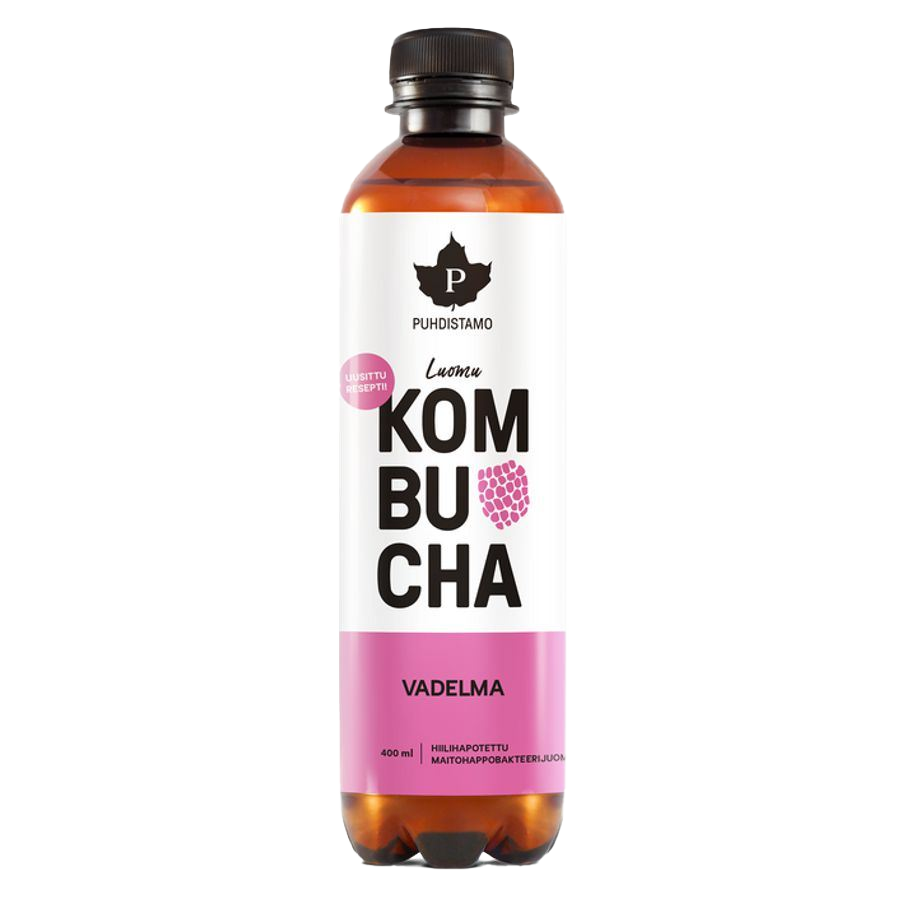
You can buy kombucha HERE
What to take away from today's article?
The main thing you should take away from today's article is that we don't know much about kombucha yet and although many producers try to present this drink as a guaranteed cure for all your ailments, this may not be the case at all. It's not clear yet whether it has any significant effect on our gut health, and it doesn't even seem like it should be a miraculous source of vitamins or minerals. If you're in the mood for something fermented (and we recommend fermented foods), reach for fermented cabbage, which doesn't pretend to be anything, costs a few crowns, and in some ways may be better than whole kombucha. However, if you want to give it a try, we recommend maybe adding a bottle to your purchase of your favourite supplements first.
Recommended

Nebbia Lifting Effect Bubble Butt legíny s vysokým pasem 587

Nebbia Teplákové šortky 6” MUSCLE MOMMY 624
Ashwagandha 100cps 1+1

Nebbia Teplákové šortky HERO 295
No posts have been made yet.