





Why eat fruit of a specific color? It's not about vitamins and minerals, it's about phytochemicals!
 Author:
 You may have noticed, but I use a lot of blueberries and blackberries in my porridge in particular. I always try to stock up in the summer. It's not a coincidence, but it makes sense because the blue, red and purple colors in particular signify "healthy fruit." They are generally lower in sugar and higher in nutrients, especially antioxidants and especially very powerful phytochemicals.
Yes of course, you should eat fruits and vegetables. It's like telling someone they should breathe clean air and drink clean water without pesticides, basic knowledge. But despite the general recommendation to eat fruits and vegetables, few people know why, beyond the usual generalities. Feel free to ask anyone and maybe a slightly knowledgeable person will say, "fiber, vitamins, minerals," but they'll only be partially right.
The reason fruits and vegetables are so good for us is not just because of the vitamins and minerals (although that's definitely a plus), but because of the incredibly wide range of phytochemicals they contain. Whenever you hear someone attribute some miraculous power to a fruit or vegetable, such as avocados cure cancer or pomegranates give you better erections, it's because of the biologically active compounds in plants known as phytochemicals.
However, some species seem to be much more powerful than others and can maintain the health of say your liver, support your heart, give you better vision, support your diet and the associated fat loss and allow nutrients to be stored in your muscles. Fortunately, the most potent of these phytochemicals are easily identified by their color.
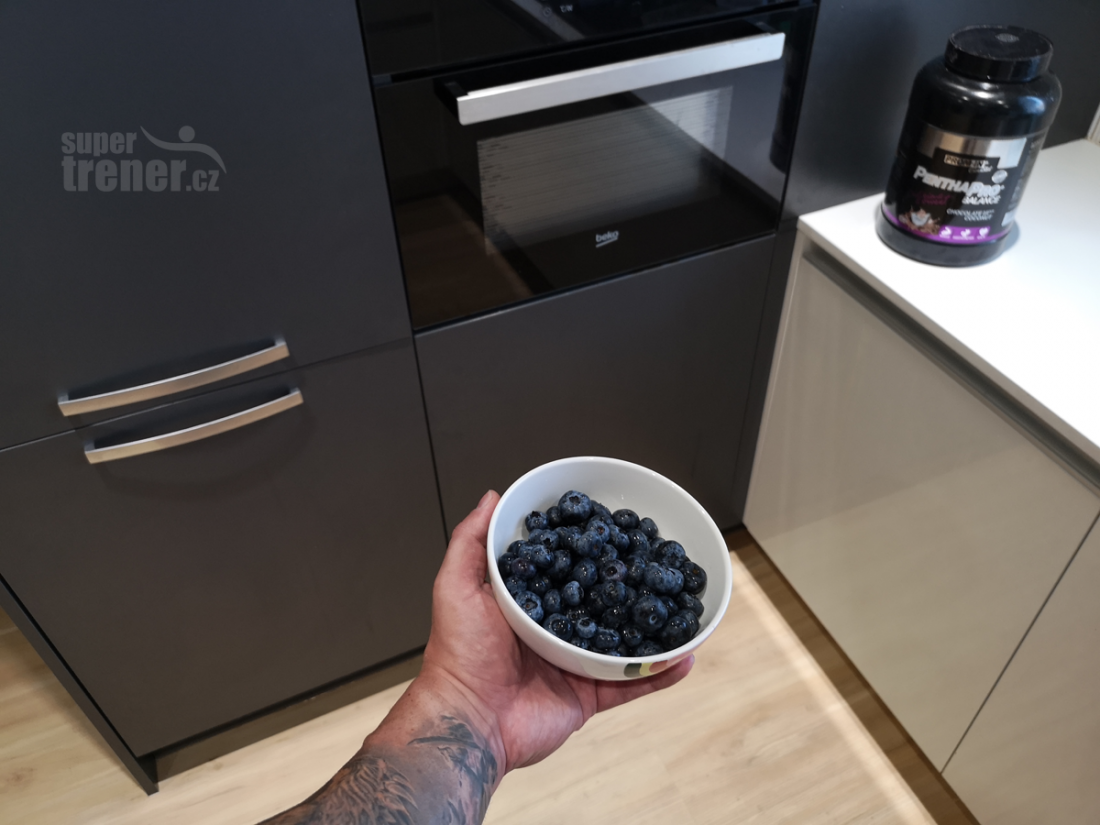
The colour you need to eat
Phytochemicals include the main categories of carotenoids and polyphenols. These major categories also include phenolic acids, flavonoids and lignans. Flavanoids include flavones, flavonones, flavanols, isoflavones and anthocyanins. They can be subdivided further, but we are interested in the last subcategory, which contains phytochemicals of particular interest, and these are the anthocyanins. They are found in tea, honey, wine, nuts, olive oils, cocoa, cereals and certain fruits and vegetables. However, some foods, especially if they are red, purple or indigo (blue) in colour, are more full of anthocyanins than others, and blue is one of the strongest.
Why anthocyanins are important
- They reduce body fat and increase muscle mass: Science is still looking for a pill that mimics the effects of exercise. We already have one, with exaggeration of course. Its name is blueberry. This fruit is rich in a certain anthocyanin called Cyanidin 3-glucoside and several studies have shown that it causes better utilization of carbohydrates from the blood by our muscles. In this way, you are supplying your muscles with what they need to grow while at the same time preventing the expansion of fat cells.
- They fight diabetes: Since anthocyanins, especially Cyanidin 3-glucoside, help muscles become more sensitive to insulin and absorb more sugar, they have the potential to be functional against diabetes. In one study, they were able to inhibit alpha-amylase and alpha-glucosidase, two enzymes that break down starches into glucose, better than an antidiabetic drug called acarbose.
- They prevent cancer:Various studies have shown that they stop breast cancer cells from metastasizing, block cancer cell formation in cases of prostate cancer, fight colon cancer, and serve to prevent malignant tumors.
- Increase brain power: They have been shown to slow cognitive decline.
- Improve vision: They can improve night vision and prevent eye fatigue.
- Promote liver health: A liver enriched with anthocyanins is much less susceptible to damage from, for example, alcohol.
- They ensure heart health: A study using more than 93,600 young and middle-aged women found that anthocyanins reduced the risk of heart attack by 32%. Phytochemicals also keep blood pressure low.
What foods contain anthocyanins?
As mentioned, all natural foods that are red, indigo (blue) or purple are likely to contain large amounts of anthocyanins. These include blueberries, blackberries, cherries, cranberries, eggplant, plums, grape juice, red wine, beets, and strawberries.
The only problem is that the bioavailability of anthocyanins is extremely low. Studies have shown that after consuming anthocyanin-rich plant substances, less than 1% were detectable in plasma and urine, which is all the more reason to eat these foods as much as possible and regularly.
Recommended

Nebbia Sportovní podprsenka STRONG BEAUTY 424

Czech Virus Essential Liver
Czech Virus L-Tryptophan & Valerian Root
Czech Virus L-Glutamine
Source: t-nation.com
No posts have been made yet.








