





The difference between fresh, frozen and canned vegetables
 Author:
 I get a lot of questions about whether there is a difference between fresh, frozen or canned vegetables and fruits. Of course, fresh vegetables and fruit are intuitively the best, and a freshly prepared salad is beautifully light and refreshing. But what happens to the nutrients when the fruit or vegetable is frozen or canned?
Article Content:
Bioavailability
Let's talk about bioavailability first. Some micronutrients are very easy for our bodies to digest and others are difficult for our bodies to absorb. The ease with which a nutrient is released and absorbed is called bioavailability.
Cooking can increase the bioavailability of some nutrients and decrease that of others. For example, fat-soluble vitamins (A, D, E and K) are easier for our bodies to absorb if we eat them with fat. In other words, the compounds in and around fruits and vegetables can positively or negatively influence the bioavailability of nutrients.
Fresh produce
I've said several times that fresh fruits or vegetables are not necessarily the best choice. We need to distinguish whether the fruit or vegetable is ripened during transport (usually by the supermarket) or whether it is harvested ripe and sold immediately at a farmers' market, for example. Ripe produce will be more nutritious because it has more time to absorb nutrients from the soil. However, this is not necessarily guaranteed as the nutritional content of each type of produce will depend on a number of other factors such as soil, season, weather, growing method and storage conditions. Of course, none of us are likely to study this, nor is there time for it in our fast-paced lives, and in my opinion it is pointless to be such a fanatic. It is enough to know that fresh ripe fruit is great for our bodies.
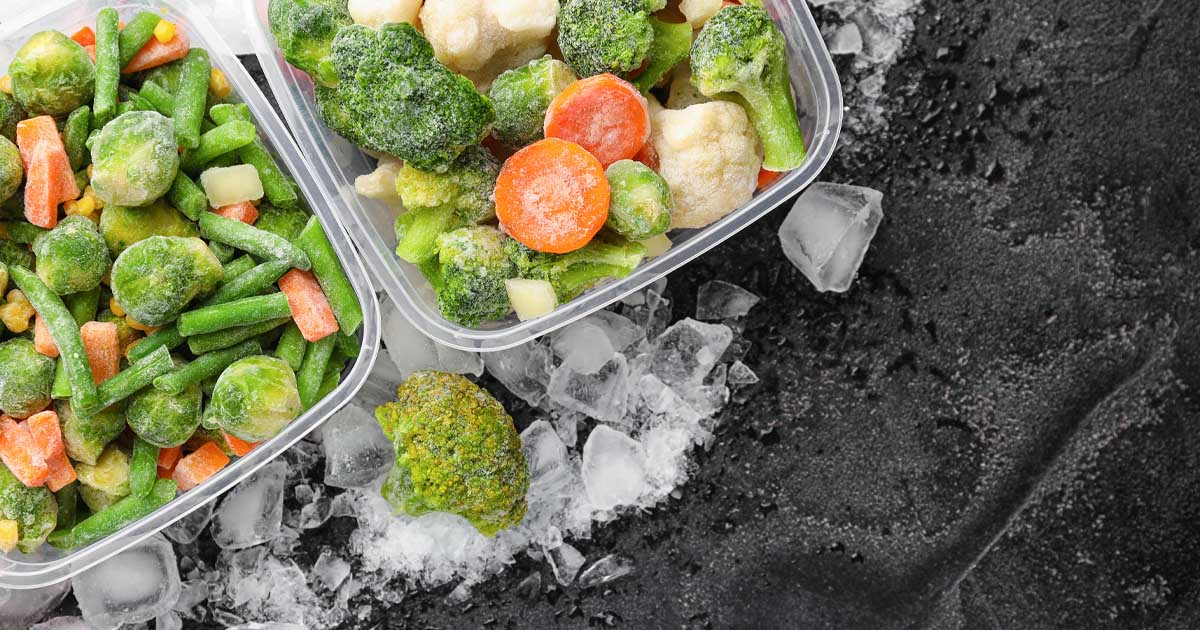
Frozen products
In general, frozen fruit is ripe and undergoes only minimal processing. Most vegetables and some fruits are blanched in hot water for a few minutes before freezing to inactivate enzymes that can cause adverse changes in colour, flavour, taste and nutritional value.
Although blanching can leach minerals and destroy some vitamins, fresh produce and blanched frozen produce have very similar overall nutritional content. The main impact of blanching seems to be on taste, some fruits and vegetables have a unique flavor that is greatly reduced by the blanching and freezing process.
Canned products
Canned fruits and vegetables are usually ripe, like frozen produce, but tend to undergo much more processing. Blanching is common, but so is the addition of syrups, salt and various additives that carry certain health risks. Unfortunately, several processing methods can destroy some essential nutrients, such as nitrates, almost completely. In addition, some cans are coated with bisphenol A (BPA), a chemical linked to increased cancer risk (I also reported in a separate article), and the acidity of the products (e.g., tomato sauce) and the heat from sterilization can help BPA leak directly into the food you eat.
So what's best?
Fruits and vegetables will hit your store shelves in a variety of ways, each with its own advantages and disadvantages. Plus, different cooking methods can have some impact on the nutrient content and bioavailability of the product. Personally, I wouldn't be afraid of frozen and fresh vegetables and fruits, avoiding canned and adding them to other foods for better nutrient utilization. Whether they are fresh, frozen or canned, if you eat enough fruits and vegetables every day, you will get some of the nutritional benefits.
Recommended

Nebbia Legíny s vysokým pasem LEG DAY GOALS 248

Nebbia Bandeau podprsenka BACK CHECK 612

Puhdistamo Triple Magnesium

Nebbia Oversized mikina s kapucí OWN YOUR POWER 433
Source:Examine and Supertrainer
No posts have been made yet.








