





Probiotics for children: how to choose and take them?
 Author:
 Probiotics are health-promoting bacteria found in our gut microbiome that perform a huge variety of functions. They are often associated with, among other things, the proper functioning of the immune system, optimal functioning of the digestive system, but also a lower risk of certain autoimmune diseases. But are probiotics suitable for children? And if so, which ones are ideal to choose and in which situations should they be used? That's what we'll look at in this article.
Article content:
- How do probiotics work?
- What are the effects of probiotics on children's health?
- When is it appropriate to give probiotics to children?
- How to choose appropriate probiotics for children?
- How to give probiotics to children?
- Safety of probiotics for children
How do probiotics work?
Probiotics are, of course, an extremely important part of our daily lives, which is why we have covered them in a number of previous articles. For completeness, however, it is worth mentioning that probiotics are live bacteria that are naturally found in a wide range of foods - for example, kefir, some types of yoghurt, fermented vegetables, buttermilk or even apple cider vinegar. Probiotic bacteria can then perform a range of functions in our bodies, from proving to optimise the composition of gut bacteria, to possibly maintaining healthy-looking skin, to supporting immune function.

Among other things, fermented foods are a great natural source of probiotics.
What are the effects of probiotics on children's health?
Probiotics for children can provide generally the same benefits as for adults. Some expert sources claim, for example, that probiotics, in combination with the right medication, can be useful for constipation, diarrhoea or irritable bowel syndrome. It is worth noting, however, that they are particularly relevant in situations where your child is taking antibiotics. As research has shown, antibiotics can negatively upset the balance of gut bacteria, which can cause diarrhoea while taking antibiotics. However, some of the studies conducted show that the risk of developing this type of diarrhea may be lower when taking probiotics.
When is it appropriate to give probiotics to children?
As we discussed in the previous paragraph, taking probiotics may be of particular importance in children in situations where they are taking antibiotics to reduce the risk of intestinal imbalances and associated diarrhoea. For completeness, however, it is worth noting that antibiotics should be taken separately from probiotics, with a minimum of 3 hours between the two. However, the exact dosage and importance of probiotics should be discussed directly with the doctor who will be prescribing antibiotics for your child.

Probiotics are most commonly available in capsule form. However, children's probiotics can be in the form of gummy candies or drops.
How to choose suitable probiotics for children?
When it comes to choosing probiotics for children, it's not a completely easy matter, because you really need to take into account a variety of different factors. For example:
- It has to be one of the species that have a proven effect - there is a really wide variety of different substances, with scientific studies focusing mainly on lactobacilli and bifidobacteria, which are also among the substances often recommended.
- They need to be in an easy-to-apply form - if your children have trouble swallowing tablets, for example, it may not be a bad idea to look at other forms - you can sometimes see water-soluble powders, for example, and some manufacturers offer probiotics in gummy candy form, which are also good tasting and can usually suit children better. For younger children, of course, probiotics are made in the form of drops, which, according to official sources, can be used from three months of age in consultation with the attending paediatrician.
- They should not contain unnecessary extra substances - as with any product, probiotics for children should ideally not contain any unnecessary additives. Before buying a supplement (especially if it is a gummy candy), it is a good idea to look at the ingredients and check, for example, the amount of ethers and other additives.
According to some sources, it is also not a bad idea to take so-called synbiotics, which are a combination of probiotics and prebiotics, which can provide a diverse effect. These combinations are also available in variants aimed at children, a typical example from our range being Viridian Children's Synerbio. However, due to the variety of products on offer, it is best to consult a paediatrician before administering probiotics to children.
How to give probiotics to children?
As each packet of probiotics may have a different concentrated formula, there is no one-size-fits-all way of telling how to dose the product. If you decide to buy probiotics intended for children, we definitely recommend that you stick to the dosage recommended by the manufacturer on the product packaging. In the case of the already mentioned drops from Optibac, one dose can be 8 drops of the product, while for Optibac Gummies it can be one jelly per day.

For younger children, it may be a better option to use drops, which tend to be tasteless and odourless.
Safety of probiotics for children
Generally speaking, probiotics are considered very safe and studies conducted have found no serious side effects. Of course, specific situations are those associated with people taking immunosuppressants such as glucocorticoids or drugs that interfere with DNA metabolism, with premature babies or people with critical illnesses, and there are also specific cases of allergy to some of the products' ingredients. For healthy people (including children) the use of probiotics should not pose any health risk, but on the other hand it is definitely worth considering whether it is necessary for them at all under normal conditions.
If children have a good immune system, it's definitely a good idea to focus on a balanced diet for children that includes, among other things, some of the foods mentioned in our article on 11 foods loaded with probiotics. In case of complications or when taking antibiotics, it is of course possible to use probiotics at your own discretion or in consultation with your doctor, but we do not think it is absolutely necessary to use them preventively.
What to take away from this article?
The primary takeaway from this article is that probiotics are live bacteria to which scientific studies have attributed a range of potential positive benefits, from proper digestion to a possible improved immune system. In the case of children, taking probiotics can be especially important when taking antibiotics, which can upset the balance of bacteria and microorganisms living in our gut. And in this case, taking probiotics proves to be a good prevention of possible digestive problems. Depending on the age of your child, you can choose from our wide range of probiotics. However, in our opinion, their preventive use is not very justified in children who have a sufficiently varied diet. However, you can consult your paediatrician directly and take his/her advice.
Recommended
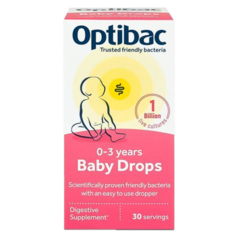
Optibac Baby Drops
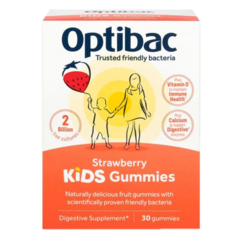
Optibac KIDS Gummies
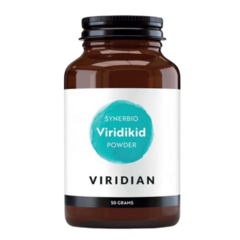
Viridian Children´s Synerbio
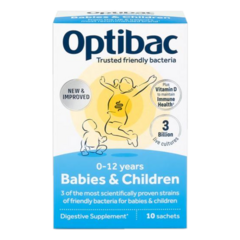
Optibac Babies & Children
No posts have been made yet.








