





Nutrition around training - what to eat after training?
 Author:
 Nutrition around training plays a very important role, whatever sport we are talking about. Adequate intake of the right nutrients before and after activity is crucial for optimizing performance, proper recovery processes, and coordination of fat reduction or muscle building goals. Improperly chosen or timed pre-workout meals can cause digestive discomfort and completely ruin the entire workout. The post-exercise meal, on the other hand, plays an absolutely crucial role for optimal recovery and nutrition of tired muscles. Both meals should be conceived thoughtfully, because both are equally important for our bodies and for quality sports performance. So today, let's take a look at what a post-workout meal should actually look like and how to time it.
Theoretical window - why is post-workout food important?
To understand the importance of post-workout nutrition, it's first important to know how physical activity actually affects our bodies. Any type of training increases our body's demand for energy and nutrients, and it is our job to supply it. Of course, the more intense the activity is, the more energy our body uses. During activity, especially during high-intensity workouts, muscles use up glycogen - the preferred fuel source stored in them. Furthermore, after strength training, muscle fibers break down (called catabolism). In this state, the body breaks down muscle tissue to gain essential amino acids and regenerate the stressed muscles.
Consuming the right nutrients in sufficient quantities after exercise can effectively help the body replenish depleted glycogen levels more quickly, mitigate the effects of catabolism, and in turn increase protein synthesis. This will replenish the energy expended and speed up and streamline the recovery process, which in turn leads to being able to perform better in the long run, grow our muscles, build fitness, etc. Last but not least, post-workout nutrition is also very important for strengthening immunity, which can be weakened due to demanding workouts.
Okay then, but what to eat after training?
A well-chosen post-workout meal is essential not only for top athletes, but also for those who are trying to transform their body, for example in terms of fat reduction or building some muscle. During training, especially during strength training, blood moves from the digestive system to the parts of the body that are stressed during the activity and stays there for some time after the activity is over. It is for this reason that it is not recommended to take solid food immediately after training. To ensure that the body receives the necessary nutrients after an intense workout, which it can immediately use to start the regeneration processes, protein powder, which is designed for this purpose, is perfectly suited. Protein is not as much of a burden on the digestive system after a workout as solid food, allowing the body to focus on important post-workout processes instead of digestion, while also allowing the nutrients in liquid form to be more easily absorbed, making them available to the body faster than those from solid food.
And which protein is actually best suited for such a purpose? For most recreational athletes, a good quality whey protein will be perfectly sufficient. It will help to kick-start the recovery processes, has a positive effect on stimulating muscle protein synthesis, can support immunity, which is usually weakened after a hard workout, and is even a handy helper for fat burning. In the case of endurance or strength-endurance athletes, it is possible to take some carbohydrates along with the protein - perhaps in the form of a gainer or a complex post-workout drink. It is advisable to take the protein or gainer about 20-30 minutes after finishing the workout. Although liquid nutrition offers its advantages after training, it is definitely not a necessity and you can do without it. If drinking protein doesn't appeal to you or you simply don't like protein, don't force yourself to drink it.
What else?
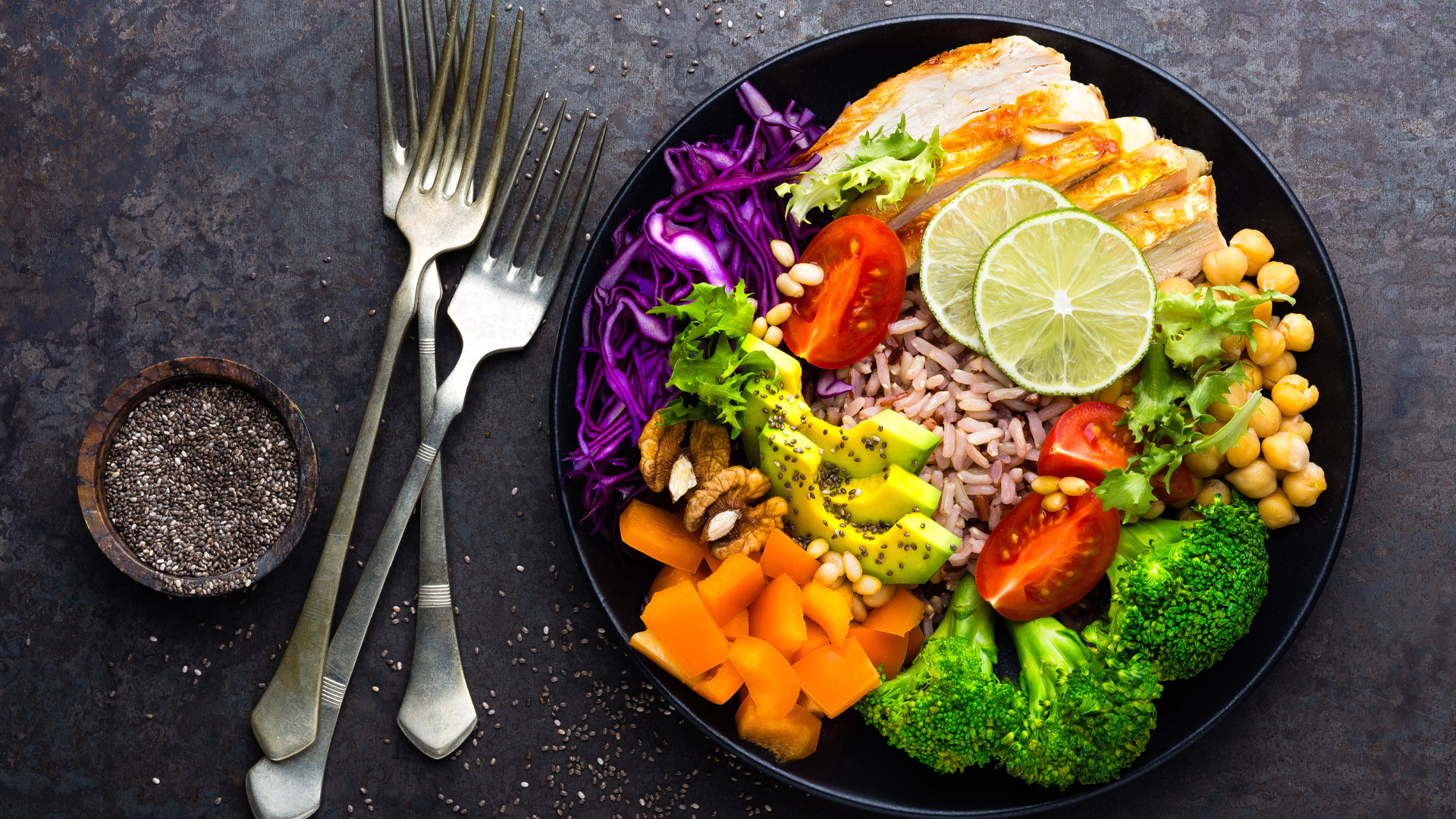
After about ninety minutes, or an hour if you're not taking protein, it's time for the post-workout meal itself. Its composition will be very similar to a meal that is suitable for pre-workout consumption. It is definitely advisable to choose lighter and easily digestible meals that will also be complex and sufficiently nutritious. Easily digestible proteins should be the basis, as they are a source of amino acids that our body will use to nourish the stressed muscles. A good source after a workout is lean meat (chicken, turkey, beef, rabbit), fish, eggs, or a dairy product with a lower fat content (mozzarella light, tvarůžky, Greek yoghurt or cottage cheese).
The post-workout meal should not be devoid of complex carbohydrates, which can be present in slightly larger quantities to replenish the energy expended during training and to support recovery. As for the source, it may be a good idea to give some thought to the fibre content, which tends to slow down the digestion of nutrients. However, again, there's no need to make a complete science of this (especially if we've supplied the body with some nutrients in liquid form after training) and if we don't have racing ambitions, we can choose the side dish we fancy. And that there are many to choose from! Rice, whole wheat pasta, couscous, bulgur, buckwheat, potatoes, sweet potatoes, oatmeal , whole wheat bread or maybe a tortilla. You can even throw in a small portion of vegetables. You just need to test whether the fibre in your post-workout meal will cause you digestive discomfort. If not, you don't have to worry about a larger portion, despite the fact that vegetables contain fibre, which slows down digestion.

As far as fats are concerned, it is generally recommended not to go completely overboard with the amount of them in a post-workout meal, but on the other hand, there is certainly no need to skip them altogether. Fats are generally important for vitamin absorption, are involved in maintaining hormonal health and have many other important functions in the body. However, be more cautious with the amount of fat you consume after a workout. Fats take the longest time for the body to digest of all macronutrients, and in excess could slow down the absorption of other nutrients we need to get to the muscles as soon as possible. But again, what we said above applies - if we have supplied some nutrients to the body in the form of a protein or protein-carbohydrate drink, we can incorporate a little more of them into the post-workout meal. If a solid meal is our first post-activity meal, we recommend not overdoing it with the fats and saving them for the other meals of the day.
How to time meals?
As is common in nutrition and fitness, there is no universally valid time when we should eat after a workout. It is recommended that we take our nutrients in liquid form about half an hour after exercise and a classic meal about another hour later, or a straight classic meal about an hour after training if we are not taking protein. But the truth is that it's best if you test the interval that suits you on your own body. But if you don't take protein, don't delay your post-workout meal too long. Your body might get confused that it's not getting nutrients, which could significantly disrupt the recovery process, and that's the last thing we want. It is not advisable to take solid food immediately after training, but it is also not beneficial to let the body starve for too long after exercise.
If you are exercising in the afternoon and the post-workout meal is your last meal, you don't have to worry about consuming carbohydrates. The body will handle them like any other time during the day. What's more, eating carbohydrates in the evening is also beneficial for quality sleep, which is an essential component for optimal recovery. And most importantly: please don't apply the theory of not eating in the evening and skip meals altogether, even if you are trying to lose weight. The body will preferentially use the nutrients received for muscle recovery and energy replenishment after exercise, not for storage as fat reserves. If you've put your body through the ringer with your workout, give it enough quality nutrients so that it can adequately recover, function properly and you are fit and energised the next day. Post-workout food should be based on your individual needs and goals, total daily calorie intake, not what time of day it is.
From theory to practice...
So what would such a post-workout meal look like? A great example of a balanced post-workout meal might be a grilled slice of turkey, rice and a small amount of vegetables, beef steak with sweet potatoes and a small salad, a light curry withshrimp and rice noodles, pasta salad with cheese and vegetables, a tortilla filled with meat, vegetables and some yogurt dip, or a rye bread sandwich with tuna and Greek yogurt spread or scrambled eggs. It's really important to try out what meals suit you and tailor them to your personal goals, needs, preferences and feelings.
Remember, there is no one universal "best post-workout meal", just as there is no universally valid time to take it after a workout that works 100% for everyone. Test, study and get to know your body. Vary the ingredients, ratios of each macronutrient, amounts and timing. Test yourself to see what works best for you and don't look for guaranteed holy grails. There really are none. You can only get a number of recommendations, look for inspiration, but the really best solution must be based on your individuality, which is true for nutrition and training on every level.
Don't forget to drink!
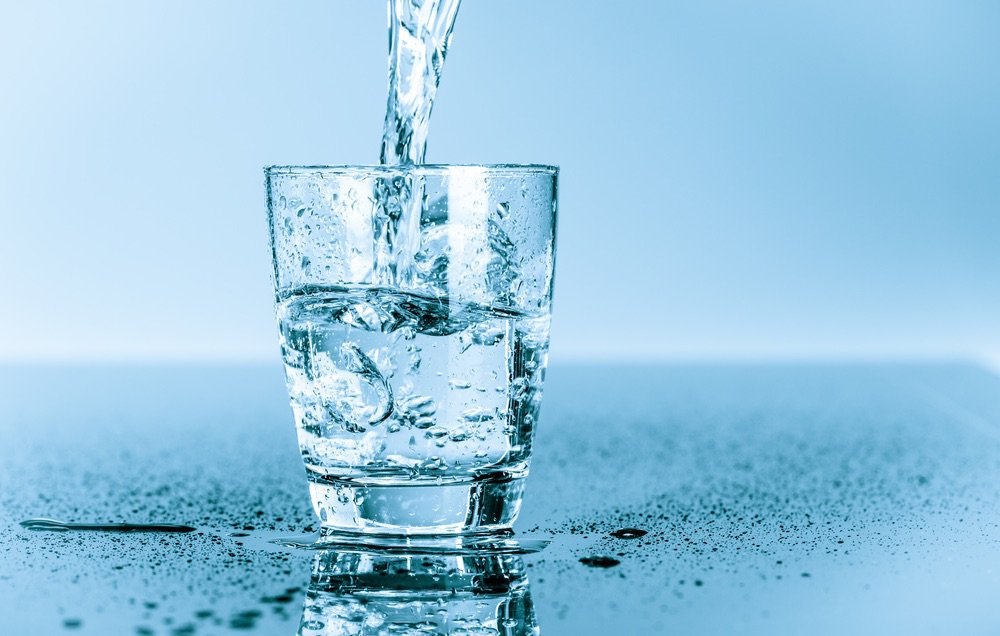
Not only nutrients, but also fluids need to be replenished after training. It will probably come as no surprise that adequate hydration of the body is crucial for its optimal functioning in every way, and sports performance or recovery is therefore no exception. According to research, optimal hydration is one of the key elements for delivering peak performance, while dehydration can lead to impaired recovery processes, poorer nutrient absorption, and even a decline in performance or weight gain. So don't forget to drink plenty of clean water, not just during activity, but throughout the day!
What post-workout supplements to use?
Apart from the already mentioned protein, which is undoubtedly the highlight of post-workout supplementation, you can also benefit from other supplements after your workout. The post-workout period seems to be ideal for taking a dose of creatine. Creatine is very important in the formation of ATP - a substance that is a fast source for energy production. Supplementation with creatine increases the availability of creatine and phosphocreatine (PCr) in the muscles and helps to maintain energy during high intensity, high load exercise. In addition, increasing the availability of PCr can help speed up and improve recovery processes. Furthermore, creatine supplementation helps reduce oxidative stress, supports brain function, improves glucose utilization and increases bone density. To facilitate the absorption of creatine into the cells and maximize its benefits, it is best if you take it together with protein and some carbohydrates.
You can also add glutamine to your post-workout drink for better recovery. Glutamine is an amino acid that helps the body rebuild glycogen stores, stimulates protein synthesis, supports recovery processes quite significantly, improves creatine absorption, is essential for strong immunity and last but not least has a beneficial effect on our digestion. Right after a workout is one of the best times to take it, so don't be afraid to take advantage of its benefits. Endurance athletes, on the other hand, can reach for a drink containing electrolytes, which will help them replenish minerals that are lost from the body through sweat and are important for muscle function and overall health.
What to take away from the article?
The post-workout meal is one of the most important for athletes because the nutrients we take in are crucial for proper recovery processes and energy replenishment. Despite how important post-workout food is, there is no need to make a big deal out of it. Just stick to a few simple principles and remember that every body is individual and something a little different will suit each of us. We can start by drinking a protein drink, and after about an hour to ninety minutes, the classic meal comes next, which should contain easily digestible protein, plenty of complex carbohydrates, and smaller amounts of fat and fiber. Drinking should not be forgotten either, and more advanced athletes can also reach for some dietary supplements, which can be a handy aid for easier recovery, improved athletic performance and muscle building.
Recommended
Maxsport Protein X-Cream
Nebbia NATURE-INSPIRED Sportovní crop top “Racer back” 549
Nebbia Classic Hero legíny s vysokým pasem 570
Nutrend Delicious Bar
Sources:
All About Post-Workout Nutrition-Precision Nutrition . - https://www.precisionnutrition.com/about-post-workout-nutrition
Kerksick, C. M., Arent, S., Schoenfeld, B. J., Stout, J. R., Campbell, B., Wilborn, C. D., Taylor, L., Kalman, D., Smith-Ryan, A. E., Kreider, R. B., Willoughby, D., Arciero, P. J., VanDusseldorp, T. A., Ormsbee, M. J., Wildman, R., Greenwood, M., Ziegenfuss, T. N., Aragon, A. A., & Antonio, J. (2017). International society of sports nutrition position stand: nutrient timing. Journal of the International Society of Sports Nutrition, 14, 33. https://doi.org/10.1186/s12970-017-0189-4
Poole, C., Wilborn, C., Taylor, L., & Kerksick, C. (2010). The role of post-exercise nutrient administration on muscle protein synthesis and glycogen synthesis. Journal of sports science & medicine, 9(3), 354-363.
Jäger, R., Kerksick, C. M., Campbell, B. I., Cribb, P. J., Wells, S. D., Skwiat, T. M., Purpura, M., Ziegenfuss, T. N., Ferrando, A. A., Arent, S. M., Smith-Ryan, A. E., Stout, J. R., Arciero, P. J., Ormsbee, M. J., Taylor, L. W., Wilborn, C. D., Kalman, D. S., Kreider, R. B., Willoughby, D. S., Hoffman, J. R., ... Antonio, J. (2017). International Society of Sports Nutrition Position Stand: protein and exercise. Journal of the International Society of Sports Nutrition, 14, 20. https://doi.org/10.1186/s12970-017-0177-8
Miller, P. E., Alexander, D. D., & Perez, V. (2014). Effects of whey protein and resistance exercise on body composition: a meta-analysis of randomized controlled trials. Journal of the American College of Nutrition, 33(2), 163-175.
Kreider R. B. (2003). Effects of creatine supplementation on performance and training adaptations. Molecular and cellular biochemistry, 244(1-2), 89-94.
Kim, H. J., Kim, C. K., Carpentier, A., & Poortmans, J. R. (2011). Studies on the safety of creatine supplementation. Amino acids, 40(5), 1409-1418. https://doi.org/10.1007/s00726-011-0878-
No posts have been made yet.








