





6 Muscle Gaining Mistakes That Are Ruining Everything!
 Author:
 When you say the word volume in the fitness world, everyone thinks of the process of deliberately gaining weight to maximize muscle growth. Some exercisers set up a nice volume diet that mitigates fat gain and only gains in quality, and for some this process degenerates into unhealthy overeating and shoveling in all sorts of stuff. However, any exerciser who is already lean and experienced with weight training can have success with a bulking diet. It's simple, you can't add significant amounts of muscle mass without eating in caloric excess unless you're a beginner or overweight.
If you really want to stand out, it's time to start bulking up, but you have to be smart about it! Bulking up is not as easy as eating more and exercising more. A lot of people don't know how to do it right and that's why there is a belief that gaining weight is hard.
1. You eat very little food
The purpose of bulk eating is to gain weight. This is no surprise. Of course, gaining weight too quickly sucks, but you just have to gain weight. I see people all the time who try to bulk, but because they don't eat enough, they slack off for months or years at maintenance levels without showing any gain.
Before you even start worrying about the optimal rate of gaining, you need to make sure you're gaining at all in the first place. If you don't, you won't get the muscle building stimulus along with other nutrients from the energy surplus.
Underestimating the difficulty of doing it right is the culprit of underfeeding. Some people will need a caloric surplus that is quite high. They may need to use a gainer, eat at inappropriate times, talk themselves into cramming more food into themselves when they eat, etc. It's work and it's not as easy as "just eat more food".
2. Eating too much food unnecessarily
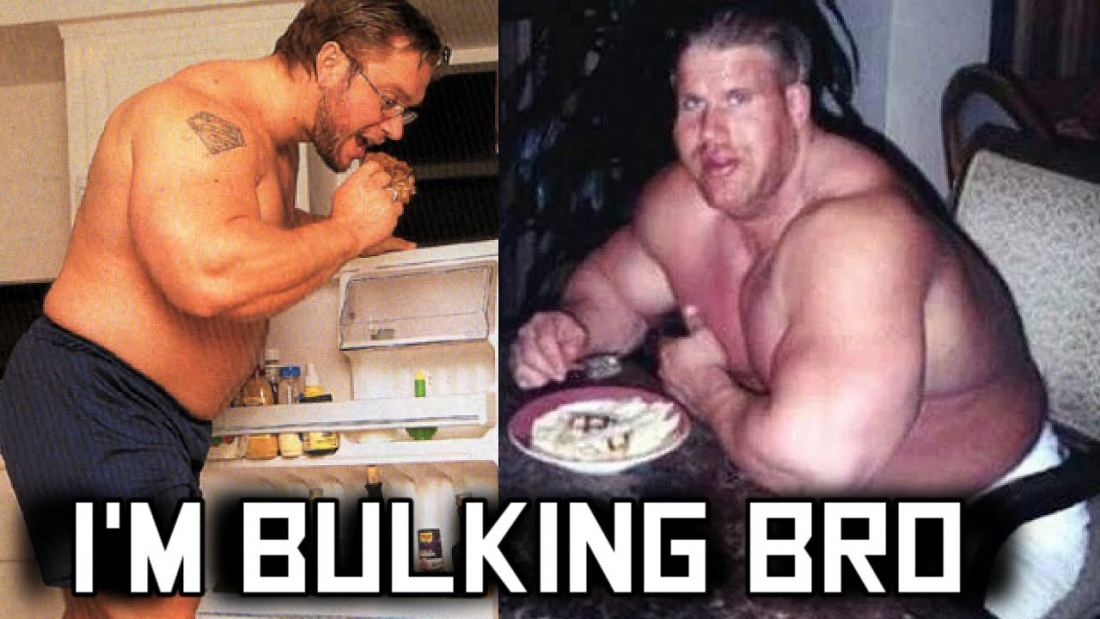
Now comes the other side of eating mistakes. Some people overeat while gaining volume. They consider a bulking diet as an excuse to eat tons of junk food, raid the cafeteria, and not watch their calories. This is the biggest stupidity! Research shows that a caloric surplus does increase muscle growth, but you don't need a big surplus to do it. In fact, your body can only build a certain amount of muscle at a time. With a slight excess, you're already maximizing muscle growth while still staying in shape without excess fat.
However, if you eat beyond this, further muscle growth will not occur. Extra calories are stored as fat, so don't force it by eating like an idiot. All that fat will cost you more time that you'll lose later in your diet.
3. Not watching calories
People normally track calories when they lose weight, but when they start gaining weight, they think that tracking is no longer valid. If you grew up reading bodybuilding magazines, you would think that the key to gaining mass is to drink gallons of milk and eat like Ronnie Coleman. While that may be tempting, you need a more precise approach. So smart "bulkers" will track their calories and macros. This will ensure that you gain weight, but you don't gain weight too quickly.
The ideal is to have a 300 calorie surplus. If you gain approximately 1-1.5% of your body weight each month, you are on track. If you start averaging over 2% each month, it's best to cut calories a little, otherwise you'll become a powerlifter who looks like he's been drinking too much beer.
4. You're not watching your weight
Shoveling in a lot of food can cause some bloating and glycogen spikes, so weight fluctuations can be even more volatile than weight loss. That's why it's important to weigh yourself daily! Daily weigh-ins allow you to compare averages from week to week and make sure you're in the optimal place for gaining muscle.
Again, the last thing you really want is to just gain fat and retain water. So weigh yourself daily and do the math each week. On average, aim for 0.25% to 0.5% weight gain per week.

5. You don't train hard enough
Newbies can get away with any type of training to gain initial muscle. But once they get past this beginner phase, they should realize that they need to focus on a more thoughtful training plan and not continue without proper hypertrophy-focused training.
What will be the result if people train poorly for a long time? They will get fat. Then they'll become the same morons who claim that volume training doesn't work. In reality, volume training always works if you train correctly. The point is to get stronger in a higher rep range. Single repetition maximal performance and super low repetition training involve more neural adaptations. That's what you want to do if your main goal is strength. But training with max 8-15 reps is what stimulates the muscles. Want to hear the good news? With the extra food you're eating, you should get sharply stronger in those rep ranges. If you don't, you're not training hard enough or you're too lazy to track your progress.
But make no mistake: without progressive overload, you're not stimulating muscle growth, which means those extra calories have no choice but to become fat tissue.
6. You're done with volume too soon
The people who say that volume workouts don't work are also the ones who did volume for three weeks and then quit because they got tired of it or got tired of eating. But muscle growth is a painfully slow process for advanced natural exercisers even if you're doing everything right. Top natural bodybuilders spend more than half the year in volume training. They do it year after year just to gain a few pounds of muscle. That's why their physiques get better with each successive appearance on stage. It's work and requires extreme patience.
You won't build much muscle with two weeks or two months of volume training. You'll need to stay in excess for several months to build momentum. We don't have the exact research on this, but it's possible that there is a unique anabolic signal that only comes with chronic excesses, not acute ones. But ask anyone huge and they'll always tell you that they spent extended periods of time in excess to build muscle.
So once you nail everything, the important thing is to keep doing it. Don't quit bulking because your abs are slowly but surely disappearing or because you have to eat so much food. Come to think of it, they're luxury problems anyway, right? It's just that we humans are always complaining about something and we don't stick with anything.
Suffer a little now and you'll have your dream figure later!
Calvin Huynh,, source: T-nation.com
Recommended
Reflex One Stop Xtreme
Nutrend Mass Gain
No posts have been made yet.








