





Natural vitamin C: How to get it from a healthy diet?
 Author:
 Few vitamins are as well-known across the general population as vitamin C. Perhaps everyone knows about its effect on the immune system, but it should be noted that this antioxidant has a huge number of other benefits. We'll look at some of these in this article, which will also introduce you to ways to get vitamin C from nature and boost your health.
Content:
- What is vitamin C?
- What is vitamin C?
- How to get enough vitamin C?
- Recommendations for taking natural vitamin C
- What to take away from this article?
What is vitamin C?
Vitamin C is really famous not only in sports nutrition and has a wide range of benefits. For example, as we mentioned in our article on liposomal vitamin C, it is a water-soluble vitamin that occurs naturally in a wide variety of fruits and vegetables. However, vitamin C is also produced artificially, and you can find it in a wide variety of foods as an antioxidant under the name l-ascorbic acid. Of course, it is also found in sports supplements, with the help of which some athletes artificially supplement C.
The importance of vitamin C for health
The importance of vitamin C is not just when you feel a cold or flu coming on. In fact, in addition to the benefits mentioned above, some sources suggest that vitamin C may also increase nitric oxide production, which is important for optimal blood flow, has been shown to protect against UV rays, and, as we mentioned in our separate article, has also been talked about for its effect on blood sugar levels. Let's take a look at the main potential benefits of vitamin C in a separate section of this article.

Vitamin C is found in a variety of natural sources.
The effects of vitamin C
In addition to its renowned role in boosting the immune system, it plays an important role in iron absorption, is related to collagen synthesis and as an antioxidant, it also defends against free radicals. All these potential benefits deserve our attention. Let's take a look at them.
Antioxidant effects
As we have mentioned several times in this article, vitamin C is one of the most powerful antioxidants according to many studies, which means that it can support the body's natural defences. Ascorbic acid defends our cells from the action of free radicals, the accumulation of which causes the so-called oxidative stress that has been shown to be associated with chronic diseases. A sufficient intake of ascorbic acid is therefore really important for proper immunity.
Supporting immunity
Although many people think that immunity support is directly related to the antioxidant action of this vitamin, in fact vitamin C works on several different fronts. For example, research has shown that it can support the production of white blood cells (lymphocytes), which help protect the body from infection. In addition, vitamin C is an essential part of the skin's defense system and a functional skin barrier.

Citrus fruits, including fresh and gently processed orange or other citrus juices, are great sources of C.
Improving wound healing
Precisely because vitamin C is also present in our skin, it can reduce the time it takes for wounds to heal, according to some studies. On the one hand, it helps to fight the actual infection taking place in the wound, but on the other hand, it also promotes the production of collagen, which is related to proper healing, and subsequently, thanks to vitamin C, the resulting scar formation will occur.
Relief of cold and flu symptoms
When it comes to colds, many people live under the assumption that regular use of vitamin C will protect them from a possible cold. However, as scientific studies show, this vitamin may not actually be very helpful in terms of prevention, but it can reduce the length of time that a cold lasts. It is important to note, however, that preventive and long-term use is necessary to achieve this effect, because if you start supplementing with vitamin C after a cold has broken out, the positive effect will not be seen.
Promoting collagen formation
Scientific research confirms, among other things, that vitamin C plays an extremely important role in collagen synthesis. It is this substance that is found in connective tissue, skin, tendons and bones, and a sufficient intake of it is therefore important not only for the functioning of our musculoskeletal system. If you are looking for suitable collagen supplements, we therefore recommend, for example, Marine Collagen from Allnature, which also contains the aforementioned vitamin C. In case you would like to learn more about collagen, we definitely recommend exploring some of our previous articles on choosing collagen.

Vitamin C is also often recommended in supplement form. However, they are not entirely necessary when your diet is set up correctly.

How to get enough vitamin C?
From the preceding paragraphs, it is probably already clear that vitamin C plays a really important role in our body. Fortunately, you don't have to worry, because you can easily get the recommended daily dose from natural sources and regular supplementation is not entirely necessary.
Recommended daily doses
Although expert sources differ slightly on the recommended daily intake, you'll often come across a recommended dose of 75 mg per day for women and 90 mg for men on reputable websites. And although supplements often contain hundreds of milligrams of ascorbic acid, in reality you can be completely unconcerned, as this substance is very well tolerated by the body and most people will not be harmed by doses of 2000 mg per day. Rather, in rare cases, negative effects such as diarrhoea, nausea, vomiting, stomach cramps or headaches may occur.
Natural sources of vitamin C
The diet of the average athlete who has a sufficiently varied diet contains sufficient vitamin C. Thus, it is not normally necessary to supplement it with supplements. On the other hand, even larger amounts are well tolerated and do not harm the body. However, let's take a look at what foods you can get vitamin C from.
Recommended foods
There are a number of foods that are rich in vitamin C, as well as a number of other micronutrients that are indispensable for our health. Generally speaking, of course, the most commonly recommended sources of vitamin C are fruits and vegetables, especially citrus fruits, broccoli, peppers and kiwifruit, but potatoes, cabbage, parsley and kale also contain a certain amount.
Recommended
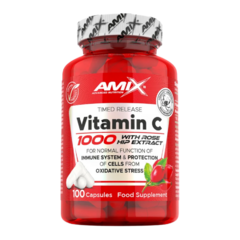

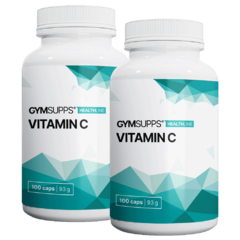
Recommendations for taking natural vitamin C
You can safely take vitamin C only from natural sources, as it is found in a wide variety of foods. However, it's good to remember that vitamin C is heat sensitive, so you'll find most of it in uncooked fruits or vegetables. If you are going to cook vegetables, steaming or short roasting is best in terms of preserving vitamin C.
Taking vitamin C in supplement form is of course possible and particularly important in situations where there is a risk of respiratory disease and where fresh local vegetables are not quite in season, but it is not necessary to take as much as possible at any cost. A good option may be vitamin C in bulk form, for example, where you can adjust the dose to your exact preference.

What can you take away from this article?
The main thing you should take away from this article is that vitamin C plays a wide range of roles in our bodies and, in addition to its antioxidant effects, it is also responsible for supporting immunity, improving wound healing and promoting collagen formation. The recommended dose is less than 100 mg per day, which is the amount you can safely take from foods such as kiwi, broccoli, peppers or various citrus fruits. However, in times of fresh fruit and vegetable deficiency, you can also reach for one of the supplements available in our vitamin C range.
No posts have been made yet.








