





L-lysine: the hidden key to performance you may not know!
 Author:
 We talk about amino acids, the basic building blocks of protein, quite often, so it's no surprise when we say that their importance to overall health, athletic performance and body composition is absolutely crucial. Today, we'll take a closer look at the amino acid L-lysine, which offers many very interesting benefits ranging from supporting regenerative processes, to managing anxiety, to speeding up the treatment of cold sores, to supporting the treatment of diabetes.
This amino acid is found in foods and is also available in supplement form. Let's take a closer look at lysine together and learn how to benefit from the extensive benefits this amino acid offers.
Article content:
- Theoretical window - what is lysine?
- The biggest benefits of L-Lysine
- Benefits for athletes
- Where to look for lysine?
Theoretical window - what is lysine?
L-Lysine is an essential amino acid. From previous articles on this topic, you already know that amino acids are referred to as the building blocks of protein and are required for the proper functioning of a large number of bodily functions. L-lysine was discovered in 1889 by a German scientist known only as "Dreschel". Dreschel was able to isolate the amino acid L-lysine from casein or milk protein.
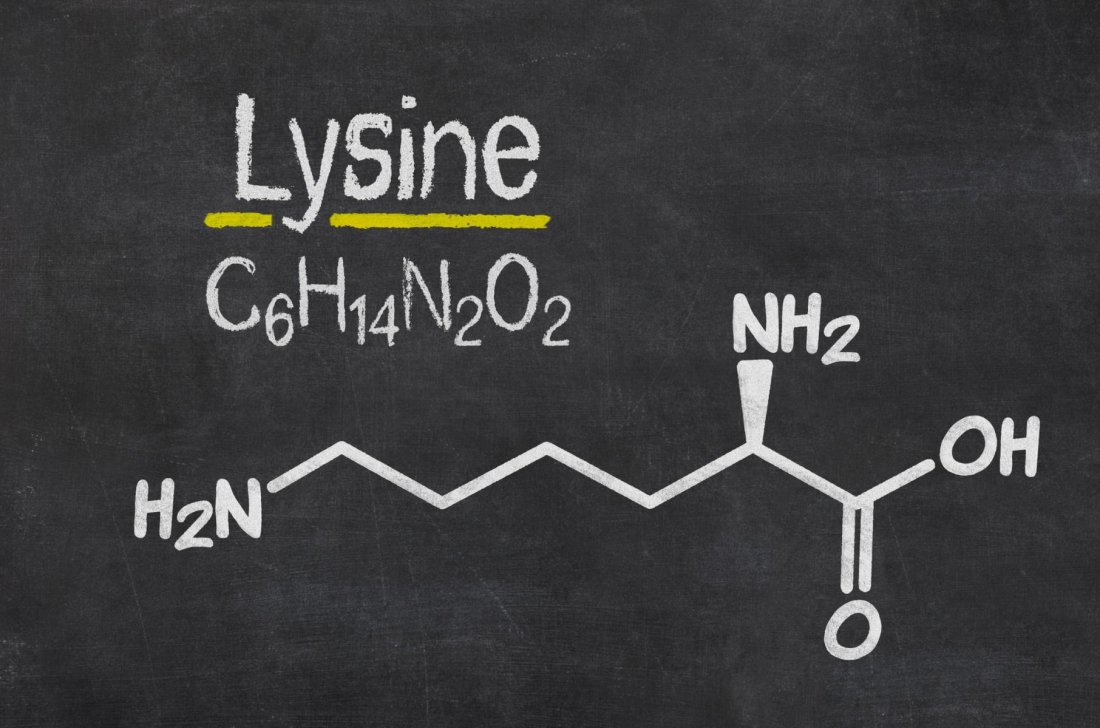
Of the several hundred amino acids found in nature, 20 are essential for protein formation and growth and only 10 of these 20 can be made by the body and are referred to as non-essential. The remaining 10 "essential" amino acids must be ingested through diet and supplements because the body cannot synthesize them, but they are essential for health. A deficiency of amino acids causes cellular degradation and can lead to serious health problems, so it is important that we have adequate amounts in our diet. Lysine is one of the most commonly deficient amino acids in the body. How does its deficiency manifest itself? You may observe great fatigue, hair loss, impaired concentration, lack of appetite, anaemia, reproductive problems or moodiness.
The list of benefits of L-lysine is really very extensive. For example, it is useful in the treatment of cold sores, supports regenerative processes, and even proves to be a useful aid in the treatment of anxiety. Lysine can also be taken in supplement form, but it is best taken through food sources and is best absorbed in that form. It is found in large amounts in various meats, beans, cheese and eggs. We will come back to the sources later.

Lysine, like most essential amino acids, is an isomer. That is, they exist in two variants that are identical to each other as mirror images. They are referred to as the D- and L-form of the amino acids. The L-form is usually used in protein synthesis, and it is the L-form that is found in foods and supplements. Specifically, L-lysine is very important in the formation of carnitine, which converts fatty acids into energy and also lowers cholesterol. It also appears to play a role in calcium absorption and helps the body form collagen, which is important for growth, bone strength and skin health.
L-Lysine's greatest benefits
We've briefly introducedL-lysine, and now it's time to take a closer look at its greatest benefits for the human body.
It helps with the treatment of cold sores and reduces the frequency of their occurrence
One of the most significant benefits of the amino acid lysine is its ability to act as a natural remedy for cold sores. Cold sores affect more than 67% of the world's population. Studies looking at the effects of lysine for the relief and prevention of troublesome cold sores offer promising results and support the claims that L-lysine can reduce the frequency of cold sores or shorten the time it takes to treat them.
How this nutrient helps fight cold sores is not yet fully understood, but one reason may be the principle by which it interacts with arginine, another amino acid that is produced in small amounts in the body. Arginine has been shown to increase the replication rate of herpes virus cells, and high amounts of L-lysine in the body reduce the activity of arginine, so they work against each other. Studies also suggest that combining L-lysine with zinc is highly recommended in the treatment of herpes, as the two substances support each other's effects.


Improves calcium absorption
Consumption of L-lysine is associated with better calcium absorption, leading to the suggestion that it may help people with or at risk of osteoporosis. To date, no relevant studies have been conducted to confirm the link between L-lysine and osteoporosis, but given the important role calcium plays in bone health, logic suggests that it may actually be a very beneficial nutrient, and not just for patients prone to thinning bones. Indeed, calcium is not only important for strong bones, but it also affects, for example, dental health, proper nerve and muscle function, weight, acts as a preventative measure against diabetes, and can reduce PMS symptoms. Athletes often take L-lysine as a protein supplement to improve performance.
It supports the immune system and has strong antibacterial effects
In one study, a treatment where lysine and arginine were present was shown to significantly improve patients' immune systems. Lysine is also useful in paediatric patients who often suffer from viral diseases affecting the respiratory tract, as it can speed up treatment and also act as a prevention of the development of such diseases. Thus, Lysine not only acts antibacterially, but is able to fight viruses and create antibodies in the body that improve immunity. Athletes can also benefit from this, as it is well known that during hard training the immune system takes a beating and can be weakened.

It can fight fatigue, relieve stress and conjure up a better mood
Along with consuming foods high in B vitamins, magnesium and omega-3 fatty acids, you can also increase your intake of L-lysine, in order to minimize the symptoms of anxiety. L-lysine can help your body absorb calcium, another beneficial nutrient for anxiety sufferers. In addition to helping you absorb calcium more efficiently, L-lysine acts as a serotonin receptor antagonist. This is a phrase that means it partially binds to serotonin receptors to partially prevent anxiety reactions. Research shows that L-lysine helps reduce stress-induced anxiety reactions, including diarrhea and other digestive problems.
Lysine may also be a useful aid for individuals suffering from schizophrenia, a mental disorder that disrupts an individual's perception of the outside world, often resulting in an inability to understand reality. Although research in this area is still in its infancy, it is clear that lysine, when combined with appropriate medication, may have the potential to alleviate the negative symptoms of schizophrenia.

Other benefits of L-lysine
The benefits of lysine are truly extensive, with some of the more noteworthy ones being the promising research into supporting the treatment of various types of cancer. Lysine is also very useful for diabetics and can alleviate the negative complications associated with this disease. Studies suggest that it may also play a role in regulating blood pressure. Its antibacterial effects are also linked to its ability to accelerate wound healing and aid in recovery from fracture injuries. In addition, lysine has also been shown to have an effect on digestion and may help patients suffering from irritable bowel syndrome.
Benefits for athletes
Finally, we come to what you're probably most interested in here on the site - what can L-lysine offer athletes? Sufficient lysine intake in athletes can lead to increased growth hormone levels and can also support physical performance. As lysine is a building block of protein, it is also crucial for optimal recovery and active muscle building. In addition, it helps to produce collagen, which is essential for strong cartilage and muscle tissue that is highly stressed during demanding workouts. In combination with other amino acids, lysine can also effectively support fat burning.
Where to look for lysine?
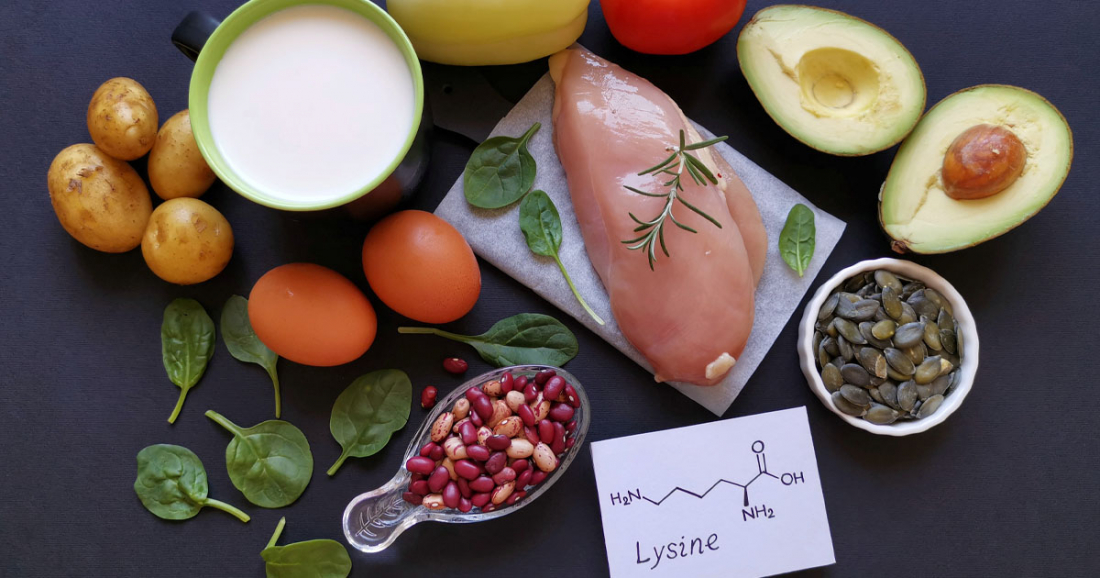
We already know that lysine offers many important benefits that make it worthwhile not to underestimate its intake. But where to look for lysine? Lysine is an essential amino acid, which makes it obvious that its biggest source would be animal tissues - i.e. various types of meat. Some of the richest sources include beef, parmesan cheese, turkey and chicken, tuna, shrimp, eggs, pumpkin seeds and white beans.
What about supplements?
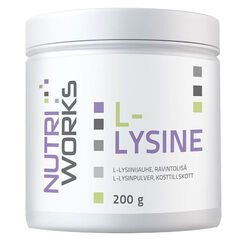
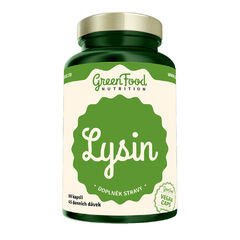
While the most convenient way to get lysine is from food sources, you can of course conveniently supplement it in the form of a supplement as well. A supplement can be extremely beneficial in cases where you know you are unable to meet the recommended daily values through food, or in the case of vegetarians and vegans who do not accept animal products. A person weighing 70Kg should take 800-3,000 milligrams of L-lysine in their diet every day. The dose can be increased in the short term, for example to support the treatment of ulcer disease. Lysine is also available in cream form, often used for external application to cold sores for its healing effect.
Recommended
Are there any negative side effects?
There are very few records of lysine supplementation causing any major difficulties. However, complications such as stomach pain or diarrhea may occur if the recommended daily dose is exceeded. Exceeding the recommended dose occurs virtually only when taking a supplement; when ingested from food sources, negative problems are very rare. People suffering from kidney problems should beware of large doses of lysine and should consult their physician about the advisability of doing so before taking the supplement. Lysine supplementation is also not recommended for pregnant women.
What to take away from the article?
Lysine is one of the essential amino acids, which means that the body cannot make it on its own and we must take it in through food sources or supplementation as appropriate. Lysine is an amino acid that plays a key role in many bodily processes, so its sufficient intake should not be underestimated. Deficiency can manifest itself in excessive fatigue, anaemia, hair loss or frequent anxiety.
On the other hand, its benefits include promoting regeneration, better digestion, it can reduce the frequency of cold sores and speed up their healing, and it also has strong antibacterial effects, which can support the immune system. Lysine is ideally ingested primarily from food sources, but for athletes and followers of plant-based dietary guidelines, it may be helpful to supplement.
Sources:
Singh, B. B., Udani, J., Vinjamury, S. P., Der-Martirosian, C., Gandhi, S., Khorsan, R., Nanjegowda, D., & Singh, V. (2005). Safety and efficacy of an L-lysine, zinc, and herbal-based product on the treatment of facial and circumoral herpes. Alternative medicine review : a journal of clinical therapeutics, 10(2), 123-127.
Pokrovsky, V. S., Treshalina, H. M., Lukasheva, E. V., Sedakova, L. A., Medentzev, A. G., Arinbasarova, A. Y., & Berezov, T. T. (2013). Enzymatic properties and anticancer activity of L-lysine α-oxidase from Trichoderma cf. aureoviride Rifai BKMF-4268D. Anti-cancer drugs, 24(8), 846-851. https://doi.org/10.1097/CAD.0b013e328362fbe2
Mine, Y., & Zhang, H. (2015). Anti-inflammatory Effects of Poly-L-lysine in Intestinal Mucosal System Mediated by Calcium-Sensing Receptor Activation. Journal of agricultural and food chemistry, 63(48), 10437-10447. https://doi.org/10.1021/acs.jafc.5b03812
Smriga, M., & Torii, K. (2003). L-Lysine acts like a partial serotonin receptor 4 antagonist and inhibits serotonin-mediated intestinal pathologies and anxiety in rats. Proceedings of the National Academy of Sciences of the United States of America, 100(26), 15370-15375.
Zeinoddini, A., Ahadi, M., Farokhnia, M., Rezaei, F., Tabrizi, M., & Akhondzadeh, S. (2014). L-lysine as an adjunct to risperidone in patients with chronic schizophrenia: a double-blind, placebo-controlled, randomized trial. Journal of psychiatric research, 59, 125-131. https://doi.org/10.1016/j.jpsychires.2014.08.016
Al-Malki A. L. (2015). Suppression of acute pancreatitis by L-lysine in mice. BMC complementary and alternative medicine, 15, 193. https://doi.org/10.1186/s12906-015-0729-x
No posts have been made yet.








