





What helps with cold sores? We have 5 tips!
 Author:
 Cold sores are a relatively common problem that does not cause any serious health complications, but can still cause a lot of pain. It can be painful and often occurs at the worst possible time - before a work meeting, for example. But do you know what helps with recurrent cold sores? And that, besides all the various girly advice, lysine can be extremely useful for cold sores? In our article today, we will discuss the issue of cold sores in detail and recommend 5 tips on how to get rid of them and what to use.
Article content:
- What is a cold sore?
- What can I do to make a cold sore disappear?
- What can I do to prevent cold sores?
What is a cold sore?
Herpes is a disease caused by a group of viruses known as herpes simplex virus (primarily HSV 1). It appears mainly on the mouth (less often on the genitals) and is transmitted by droplets or close contact - transmission within the family or between partners is therefore characteristic. Re-emergence is very common with this virus - the virus waits in the body for the immunity to weaken, and once you are weakened (whether due to stress, illness or overtraining), it can attack and re-emerge. In appearance, a cold sore resembles a series of small blisters typically concentrated in one place on or near the lips. Although it is often painless, complications can occur in the form of itching of the affected area or a sore throat.

Although cold sores are often painless, they can be very frustrating.
What can I do to make a cold sore go away?
Some may believe that cold sores do not need any major treatment and will go away on their own after a while - as a rule, this type of disease disappears within two weeks, but sometimes it can take up to a month. And if even after this time it does not go away, a visit to the doctor is definitely in order. However, you can theoretically shorten this time slightly and you can reach for commonly available antivirals such as Zovirax. In addition, there are a number of supplements and foods that are not bad to take.
Lysine as a neglected essential amino acid
Lysine is one of the basic essential amino acids, which means that our body cannot make it. However, it is an absolutely essential part of the diet, which, among other things, is responsible for the proper absorption of calcium, the formation of collagen and the production of a number of enzymes. The most common dietary sources of this amino acid include most meats, including cod, chicken, beef and sardines, as well as avocados, tomatoes and peppers. Vegan sources include soybeans and spirulina.
Wondering how lysine in particular can help? In order for herpes to develop, your body needs enough arginine and therefore nitric oxide for proper blood circulation. And it is thought that lysine can interfere with the arginine in the body, thereby reducing the amount of arginine available to the virus. Simply put, they bind to the same transporter, and although under normal conditions they may not compete with each other, if there is a greater intake of one of the amino acids, the other must "give way". But you don't have to worry that this lysine effect will somehow fundamentally disrupt your training efforts or your blood flow and pumping in training. In fact, according to scientific studies, it looks like taking lysine can ease the progression of infection and reduce recovery time.
In addition to the sources mentioned above, lysine is also available as a dietary supplement, which you can find in a separate category in our online store. The recommended dose of lysine for these complications is one to two grams and we recommend not to exceed it - higher doses may cause digestive problems, nausea and abdominal pain.
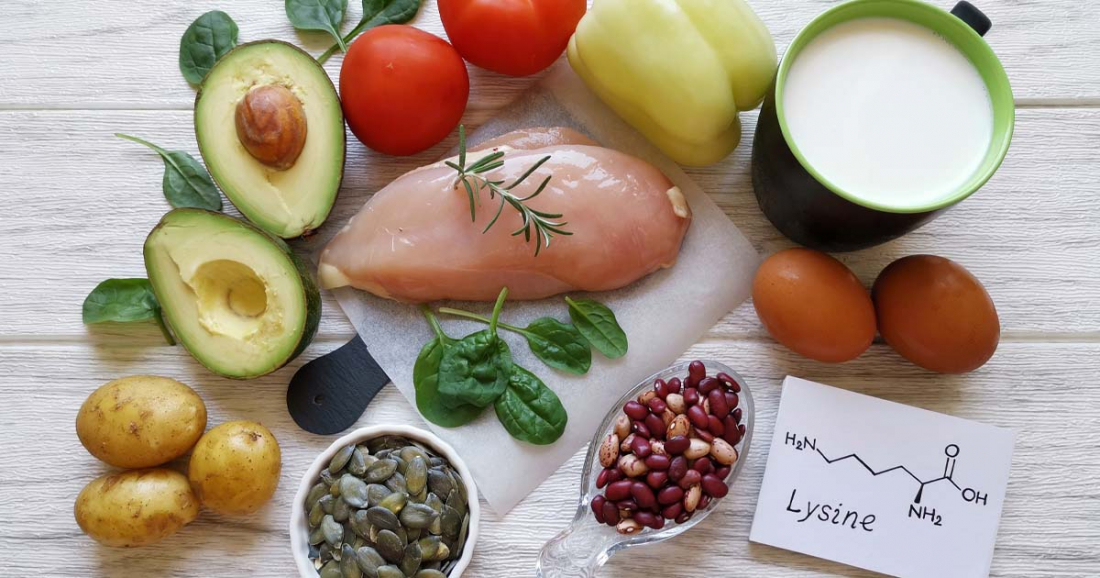
Lysine can be supplemented with a portion of avocado, chicken breast or even tomatoes or eggs.
B vitamins are even more useful than usual
Supplementing with B vitamins is extremely important for athletes - these vitamins are vital for proper digestion, healthy skin and optimal mucosal healing, for example. And it is the latter benefit that you will also appreciate with frequent cold sores. Indeed, expert information suggests that supplementation with B vitamins together with folic acid can actually help speed up healing and reduce the side effects of cold sores. The most important sources of B vitamins include nuts, legumes and wholemeal bread. However, if you have frequent cold sores, it is definitely recommended to take additional B complex supplements. These can be found in a separate category in our e-shop.
Vitamin C for overall support of the immune system
Vitamin C is a water-soluble vitamin that is absolutely essential for the proper functioning of the immune system. In addition, it is also necessary for the metabolism of certain amino acids, supports iron metabolism and is also important for the formation of cartilage, bones or teeth. Despite the fact that many athletes take vitamin C in the order of grams, it is definitely not necessary - although a slight excess of l-ascorbic acid in the diet has no serious side effects. With frequent cold sores, it is definitely a good idea to take vitamin C as a preventative measure, at least 500mg. In this case, it is also possible to buy stronger tablets in our e-shop and take only half of them.
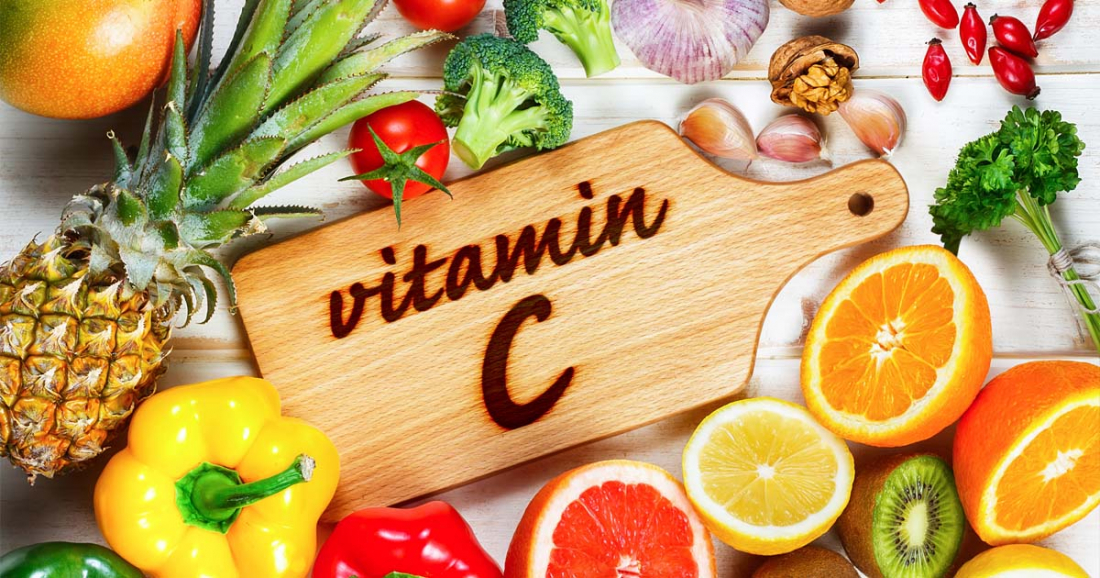
The best way to ensure your vitamin C intake is to eat a variety of fruits on a regular basis.
Don't forget about zinc
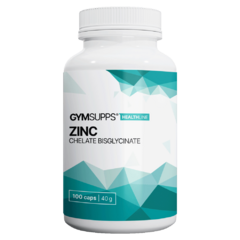
Zinc is one of the most important trace elements, and many athletes' intake does not cover the high demands placed on it by the body. It is important for proper proteosynthesis, a number of enzymatic reactions, it is involved in digestion and, last but not least, it plays an important role in wound healing and has anti-inflammatory effects, which you will definitely appreciate during frequent occurrences of cold sores. Although the normal dose of zinc is around 15mg per day, in the case of a short-term illness or a budding cold sore infection, the dose can be tripled. Zinc is normally available in supplement form, but specifically in the case of cold sores, you can also reach for special ointments containing zinc. These have been shown to reduce the recovery time by more than a day.
Reach for nutritionally valuable foods
You don't just need to take the above nutrients in the form of food supplements, but you can also reach for a variety of foods that are rich in them. Some great examples of foods rich in vitamin C are leafy greens, rosehips, blackcurrants, peppers and kiwifruit. For example, you can supplement B vitamins with yeast (which can even be added to cold sores), legumes, meat, nuts and some intestines, and you can increase your zinc intake by including various pumpkin seeds, legumes, dairy products or eggs.
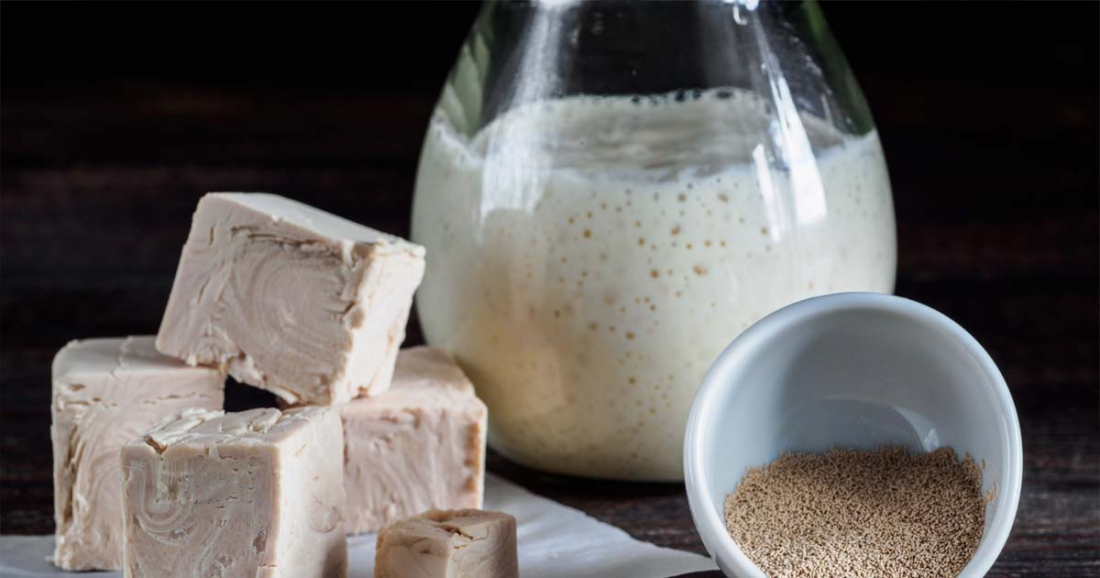
Yeast is a great helper in the treatment of cold sores. It can be used in baking and cooking or applied directly to the affected area.
What can you take away from today's article?
The main thing you should take away from today's article is that herpes is a disease caused by a group of viruses called herpes simplex, and these viruses have the ability to survive in our body and wait for the immune system to weaken so that they can develop again. When treating them, it is certainly advisable to include antivirals such as Zovirax, but the treatment can be supported by supplementing with lysine, vitamins C and B as well as zinc, all of which can also be supplemented from a conventional diet.
Recommended

No posts have been made yet.








