





How to quickly find quality food in the supermarket? We advise what to follow!
 Author:
 Unfortunately, most people don't have a whole day to visit the supermarket, so it makes sense that we don't have time to carefully study each food item we want to buy and look up the ingredients. Fortunately, there are a few ingredients that can give you at least a rough idea of whether a product fits into a healthy eating concept or whether it is completely out of place. And in today's article, we'll introduce them to you.
Article content:
- Best before or best before dates?
- Industrial processing rate
- Nutrition facts
- Does a nutri-score or other colour label help?
- What to take away from this article?
Best before or use by date?
The first indicator to look for when choosing food in the supermarket is the use-by date or best before date. Although many people use these terms interchangeably, there is actually quite a significant difference between them:
- The best before date, as the name itself reveals, refers to the minimum date until which the food should last. If you store it as recommended by the manufacturer, it is possible that it will lose its aroma and flavour, but it should still not be unhealthy.
- The use-by date is then used to indicate the date until which the food is safe to eat, after which it is no longer suitable for consumption. You will find an expiry date on perishable goods that are not as durable.
However, whichever date you choose, the longer the shelf life of the product, the more it needs to use some preservatives and other additives to ensure that all the properties of the product remain unchanged even after several months. The exceptions to this rule are, of course, side dishes, products kept at very low temperatures and other dry foods, which can safely be stored for several years and retain all their properties. However, when you see, for example, some ready-made food on the supermarket shelves that only needs to be reheated, there will be a significant difference in terms of composition between those that last only a few days and those that can be kept in the fridge for months.
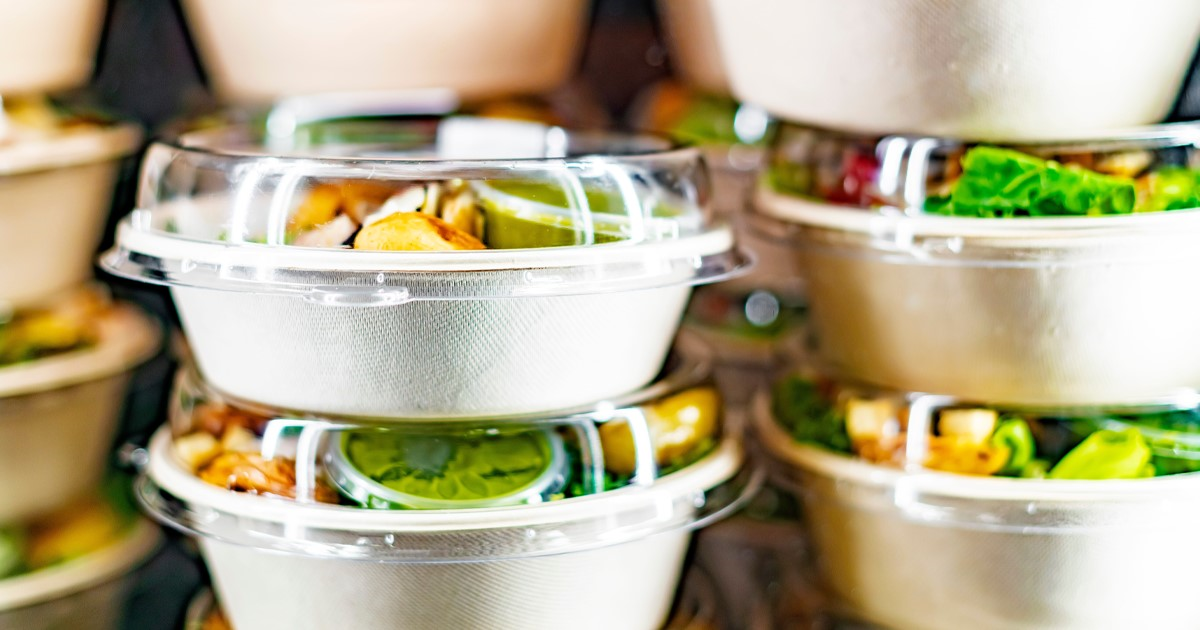
Some ready meals in the supermarket are meant to be consumed almost immediately, others last for months. It's good to distinguish between the two.
Level of industrial processing
The second simple guide to making a relatively easy decision about buying a particular food is the level of industrial processing. As expert articles point out, eating highly processed food can lead to weight gain, and such foods often contain large amounts of simple sugars and salt. Conversely, the content of health-giving substances can be quite substantially reduced by processing. Of course, you don't have to be an expert on how foods are processed, but the difference in the level of processing between a fruit and a hamburger can be seen at a glance. And believe it or not, the difference in health impact between such products is extreme.
Name
Even something as trivial as the name of a product can tell you quite a lot about it. If you take away the marketing trappings of the products, in principle the names have to correspond to certain legislation. So when you see a blueberry yoghurt and a blueberry-flavoured dairy dessert side by side on the shelf, it may be clear at a glance which of these products is closer to a healthy and balanced diet. A big exclamation point for you should be anything labeled "flavored," which in itself indicates that the product probably hasn't absorbed much of the ingredient if it has to be flavored on top of that.
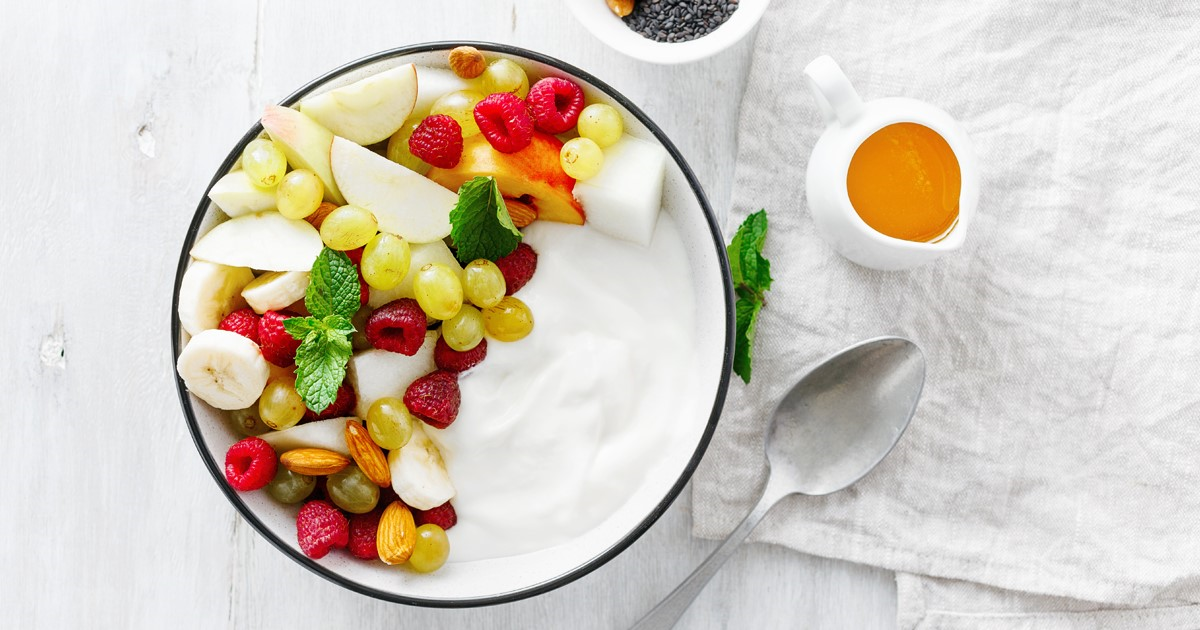
There's a big difference between a white yoghurt with fruit and a blueberry-flavoured fruit dairy product. The name really says it all.
Nutritional data
When you've had time to do some more detailed checking, you can turn the product over and look at its nutritional information. You might be particularly interested in the fibre content, which should obviously be present in the food in some proportion. On the other hand, the food you choose should have as little added salt and simple sugars as possible. Beware of fruit yoghurts, for example, which, even if they are well formulated and contain real fruit, can be intensely sweetened and therefore contain a large proportion of calories.
Does a nutri-score or other colour label help?
This brings us to colour labels, which have been appearing quite frequently on food recently and which, of course, at first glance give the impression that they could simplify your orientation to the nutritional properties of a product without having to study the above factors. The recently widely used nutri-score divides foods into five colour categories, labelled A-E, based on the so-called Rayner score, which is the difference between scores for ingredients that should be limited (e.g. saturated fatty acids, sugar, sodium, energy) and scores for beneficial ingredients (e.g. fruit, vegetables, fibre or protein).
However, as experts from the Institute of Modern Nutrition have informed us, for example, pre-fried chips have a nutri-score of A, so this is a food that should be eaten more often. And rational thinking must tell you that if you continue to fry the fries, they will not be a completely healthy food - the label takes into account the nutritional values before frying, not after. On the label' s official website, you can read that an analysis of more than 220 ultra-processed industrial foods found that 79% of these products fell into the nutri-score C to E category, while 21% scored A or B.
Whether this is a little or a lot we leave to your discretion, but we think it is no mean feat that one in five products realistically, despite a high level of industrial processing (and therefore, for example, a relatively low micronutrient content), is classified with the two best possible scores. This can be a bit confusing for consumers who are completely unfamiliar with the issue, and for these reasons we would definitely recommend checking factors other than the colour label alone. However, of the options available, the nutri-score is a fairly good and reliable indicator that you can take into account when buying food.
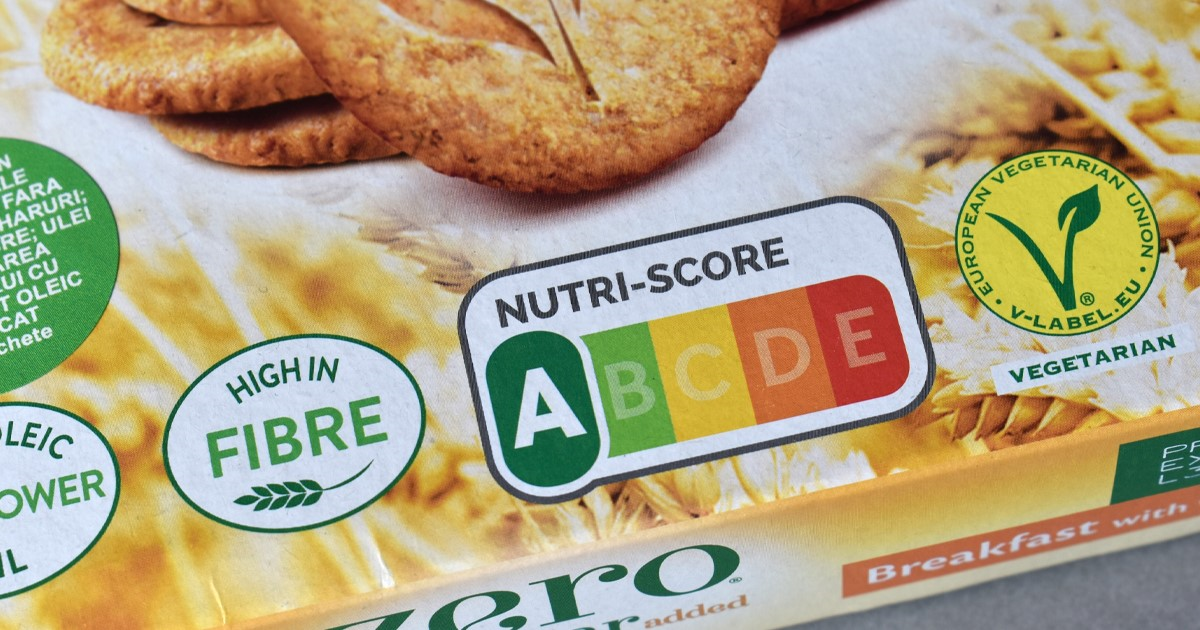
Nutri-score can sometimes be a little misleading, but it does have some telling value.
What can you take away from this article?
The main thing you should take away from this article is that even unfamiliar foods can be explored relatively quickly in the supermarket and you can get an idea of their potential negatives and positives. The best thing to do, of course, is to study the ingredients, but if you don't have the time, just examining the shelf life, the level of industrial processing, the nutritional information and, ultimately, the name and nutritional score can give you a pretty good idea of how your chosen product is doing. And believe it or not, it doesn't take nearly as long as it might seem at first glance.
Recommended
XGen 90cps + Omega 3 90cps

Nebbia Crop mikina s dlouhým rukávem a kapucí GYM TIME 259
Nebbia Clubhouse half-zip mikina CLUB D’OR 644
Nebbia Honey Bunny crop top 821
No posts have been made yet.








