





How to properly dose HMB for maximum performance?
 Author:
 HMB, the full name of beta-hydroxy beta-methylbutyrate, is a dietary supplement that is (not only) in the world of fitness highly controversial and divides experts and athletes into two, completely opposing, groups. On one side are those who label HMB as one of the most useless supplements ever, and on the other side are its "fans" who value it for its potential to aid muscle growth and improve overall performance. HMB is a substance that occurs naturally in the human body and is an active metabolite of the amino acid leucine.
It is leucine that is referred to as the most important branched-chain essential amino acid ever because it is essential for protein synthesis and muscle recovery. However, the actual production of HMB is very low, so it is recommended to take a supplement to reap the potential benefits. Today, let's talk about what role HMB can play in athletic performance and how the existing researches see the effectiveness of this substance.
Article Content:
- Introduction to HMB - a traditional theoretical window to get you started
- Potential benefits of HMB for athletes
- Conclusion - what to take away from the article?
Introduction to HMB - a traditional theoretical window to get you started
As already mentioned, HMB is a substance inherent to the human body. Depending on the size of the molecule, we can come across it under names such as beta-hydroxy-beta-methyl butyrate, beta-hydroxy-beta-methyl butyrate and hydroxymethyl butyrate. HMB is formed as a by-product of the breakdown of leucine, a branched-chain amino acid (BCAA) that is essential for protein synthesis and muscle recovery. However, the actual synthesis of HMB is relatively low - all HMB present in the human body comes from dietary sources of leucine, with only about 5% of leucine being converted to HMB. Food sources of HMB are also scarce. It can be found in very small concentrations in citrus fruits or some fish. To feel the benefits that this substance can theoretically offer, it is therefore recommended to take a supplement.
How does HMB actually work? The primary physiological functions of HMB include its ability to stabilize the muscle cell membrane and reduce the breakdown of muscle proteins. The mechanism of action of HMB is related to its role as an alternative substrate for cholesterol formation. On the basis that HMB may act as a precursor to cholesterol, there is speculation about its theoretical benefit in regulating LDL ('bad') cholesterol levels, which would be a positive finding in the prevention of heart disease. However, studies on this topic are still quite limited, so we will have to wait for confirmation of this effect.
Potential benefits of HMB for athletes
As already mentioned, HMB is a fairly controversial supplement. Let's break down all of its potential benefits and tell you how the existing research sees its effectiveness.
Reduces muscle catabolism and supports recovery processes
HMB plays an anti-catabolic role in muscle tissue. In other words, HMB prevents the breakdown of muscle protein, which can help protect hard-built muscle mass. During strenuous workouts, inflammatory markers that stimulate muscle protein breakdown are increased. HMB helps prevent protein degradation (breakdown) by inhibiting the activity of the body's ubiquitin-proteasome system and caspases. The ability to inhibit protein breakdown explains why HMB can help minimize muscle loss under certain conditions.
HMB may be effective for reducing muscle damage after high-intensity exercise, which applies to both strength and endurance activities. The question at hand, however, is under what conditions can this really work. Given the large discrepancies in the results of the research to date, we can safely say that this is true to some extent in beginners, or less trained individuals. HMB may also be an aid in preventing aging-related muscle loss and for maintaining strength and active mass in older adults.
Controversial effect for muscle mass gain
HMB is very often presented as a supplement that aids muscle growth. It should be noted, however, that the research to date that has looked at the effectiveness of HMB in this area does not confirm its effectiveness in stimulating muscle growth and offers very contradictory results in many cases. There are studies whose conclusions say that HMB supplementation can lead to an increase in the proportion of muscle mass in untrained or elderly individuals, but in active athletes, whether strength or endurance, it does not have a very significant effect, while other studies claim that HMB does not affect muscle growth at all. Thus, further research is certainly needed to draw a clear conclusion as to whether or not HMB can actually affect muscle growth.
Strength growth and faster adaptation to increased load
Some studies suggest that HMB supplementation may help increase muscle strength and promote muscle growth (hypertrophy) in a wide range of people, especially novice athletes and older adults. According to the conclusions of these studies, HMB can improve muscle cell integrity while reducing protein breakdown, both very important factors for strength development. But even here, there are studies that have not found HMB supplementation to be particularly effective in increasing muscle strength. HMB can also supposedly speed up adaptation to increased physical exertion. So it seems that even in this case, it is more likely that beginners will benefit from supplementation.
HMB in combination with other supplements
Research has also looked at whether and how combining HMB with other supplements can affect exercise and muscle-building performance. Combining it with creatine, glutamine, arginine and vitamin D appears to be effective. A number of studies have even concluded that the effectiveness of HMB in combination with one of these substances is significantly higher than when supplementing with HMB alone. But even here there is no clear consensus.
For example, a summary that compiled the results of six different studies looking at the effect of combining HMB and creatine on performance enhancement, body composition, markers of muscle damage, and hormonal response concluded that taking 3 grams of HMB along with various doses of creatine may lead to improved performance, but no significant benefit was found for other factors when combining the two substances. So the question is whether it's worth investing in creatine alone, which is one of the most researched supplements ever and can confidently be described as a supplement that really works.
Combining it with the amino acids glutamine or arginine could in turn work as a boost to speed up recovery processes. Taking HMB and one of the aforementioned amino acids may also help wounds heal faster. Supplementation of HMB along with vitamin D is especially recommended for the elderly as it can help maintain muscle mass and strength. The synergy between HMB and vitamin D also appears to be an effective way to support immune function, especially for those suffering from HIV or other serious illnesses.
Recommended dosage and potential risks
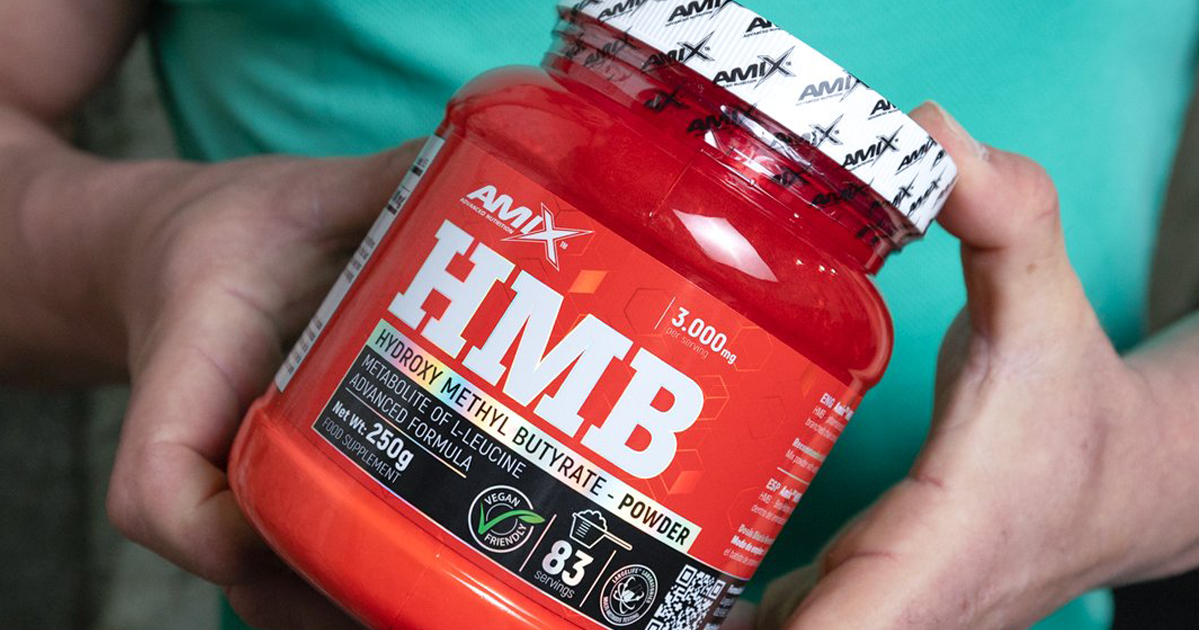
No standardised daily dose of HMB has yet been established. However, studies most often work with a recommended daily dose of 1-3 g, which ideally should not be taken with food. Higher doses have not been shown to increase effects, but HMB appears to be a perfectly safe supplement even at higher doses, and its use carries rather rare risks. Some of the, one might say rare, side effects include nausea, abdominal pain, constipation or diarrhea. If you notice any of these side effects, reduce the dose or stop taking the supplement altogether. If you are taking any prescription medications, you should first consult your doctor about HMB supplementation. Supplementation is also not recommended for pregnant women.
HMB, a water-soluble metabolite of leucine, is excreted in the urine and is not reabsorbed by the kidneys back into the bloodstream. Studies have shown that approximately half of supplemented HMB is lost in the urine. Since HMB is not reabsorbed by the kidneys, a good strategy is to split the daily dose of HMB into three separate doses throughout the day, which can help keep HMB levels in the body at a steady level, and this logically leads to increased supplementation efficacy. It also appears that HMB must be taken for a minimum of two weeks to observe potential benefits .
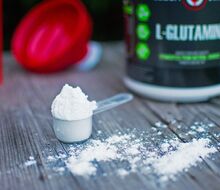
To maximize the effect for muscle mass protection, it is recommended to take a dose of HMB an hour before exercise, or immediately after exercise if for some reason you cannot take this supplement before training. To induce muscle protein synthesis, HMB supplementation is not recommended, as leucine, creatine or whey protein are much more effective in this regard and also considerably cheaper. In order to reduce age-related muscle loss, doses of 1-3 g per day are recommended. In contrast, research indicates that HMB is up to 20 times more effective than leucine for this purpose, and this dose (1-3 g) is considered equivalent to 20-60 g of leucine in supplement form.
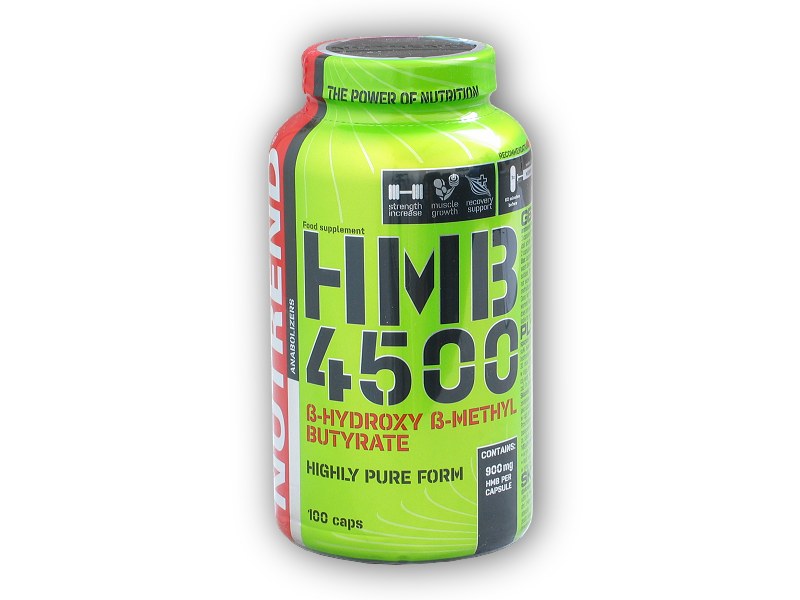
HMB supplements can be purchased in the form of capsules, tablets and powder. HMB can then be found in two different forms. The first form is the calcium salt form (HMB-Ca), the second form is free beta-hydroxy-beta-methyl butyric acid (HMB-FA). Most products available on the market contain the HMB-Ca form, but some research shows that the HMB-FA form is absorbed significantly faster, suggesting that it may become a more popular choice for supplement manufacturing in the future. As mentioned earlier, it is recommended to supplement HMB together with creatine, in the case of the amino acids glutamine or arginine, for increased effectiveness.
Conclusion - what to take away from the article?
HMB (hydroxymethyl butyrate) is a substance that our body naturally produces. HMB is produced as a by-product of the breakdown of leucine, a branched-chain amino acid (BCAA) that is essential for protein synthesis and muscle repair. However, the actual production of HMB is very low, so supplementation is recommended to observe its potential benefits. However, HMB is still a rather controversial supplement whose effects need to be subjected to further research to confirm or refute its effectiveness in various areas. Its speculated benefits include increasing muscle strength, improving recovery processes and protecting against aging-related muscle loss.
Recommended
Sources:
- Nissen, S., Sharp, R., Ray, M., Rathmacher, J. A., Rice, D., Fuller, J. C., Jr, Connelly, A. S., & Abumrad, N. (1996). Effect of leucine metabolite beta-hydroxy-beta-methylbutyrate on muscle metabolism during resistance-exercise training. Journal of applied physiology (Bethesda, Md. : 1985), 81(5), 2095-2104.
- Courel-Ibáñez, J., Vetrovsky, T., Dadova, K., Pallarés, J. G., & Steffl, M. (2019). Health Benefits of β-Hydroxy-β-Methylbutyrate (HMB) Supplementation in Addition to Physical Exercise in Older Adults: A Systematic Review with Meta-Analysis. Nutrients, 11(9), 2082. https://doi.org/10.3390/nu11092082
- Vukovich, M. D., & Dreifort, G. D. (2001). Effect of beta-hydroxy beta-methylbutyrate on the onset of blood lactate accumulation and V(O)(2) peak in endurance-trained cyclists. Journal of strength and conditioning research, 15(4), 491-497.
- Lin, Z., Zhao, A., & He, J. (2022). Effect of β-hydroxy-β-methylbutyrate (HMB) on Muscle Strength in the Elderly Population: A Meta-Analysis. Frontiers in nutrition, 9, 914866. https://doi.org/10.3389/fnut.2022.914866
- Kaczka, P., Michalczyk, M. M., Hawk, R., Gawelczyk, M., & Kubicka, K. (2019). Mechanism of Action and the Effect of Beta-Hydroxy-Beta-Methylbutyrate (HMB) Supplementation on Different Types of Physical Performance - A Systematic Review. Journal of human kinetics, 68, 211-222. https://doi.org/10.2478/hukin-2019-0070
- Holecek M. (2017). Beta-hydroxy-beta-methylbutyrate supplementation and skeletal muscle in healthy and muscle-wasting conditions. Journal of cachexia, sarcopenia and muscle, 8(4), 529-541. https://doi.org/10.1002/jcsm.12208
- Jakubowski, J. S., Nunes, E. A., Teixeira, F. J., Vescio, V., Morton, R. W., Banfield, L., & Phillips, S. M. (2020). Supplementation with the Leucine Metabolite β-hydroxy-β-methylbutyrate (HMB) does not Improve Resistance Exercise-Induced Changes in Body Composition or Strength in Young Subjects: A Systematic Review and Meta-Analysis. Nutrients, 12(5), 1523. https://doi.org/10.3390/nu12051523
- Wu, S. H., Chen, K. L., Hsu, C., Chen, H. C., Chen, J. Y., Yu, S. Y., & Shiu, Y. J. (2022). Creatine Supplementation for Muscle Growth: A Scoping Review of Randomized Clinical Trials from 2012 to 2021. Nutrients, 14(6), 1255. https://doi.org/10.3390/nu14061255
- Nissen, S., Sharp, R. L., Panton, L., Vukovich, M., Trappe, S., & Fuller, J. C., Jr (2000). beta-hydroxy-beta-methylbutyrate (HMB) supplementation in humans is safe and may reduce cardiovascular risk factors. The Journal of nutrition, 130(8), 1937-1945. https://doi.org/10.1093/jn/130.8.1937
- Rahimi, M. H., Mohammadi, H., Eshaghi, H., Askari, G., & Miraghajani, M. (2018). The Effects of Beta-Hydroxy-Beta-Methylbutyrate Supplementation on Recovery Following Exercise-Induced Muscle Damage: A Systematic Review and Meta-Analysis. Journal of the American College of Nutrition, 37(7), 640-649.
- Clark, R. H., Feleke, G., Din, M., Yasmin, T., Singh, G., Khan, F. A., & Rathmacher, J. A. (2000). Nutritional treatment for acquired immunodeficiency virus-associated wasting using beta-hydroxy beta-methylbutyrate, glutamine, and arginine: a randomized, double-blind, placebo-controlled study. JPEN. Journal of parenteral and enteral nutrition, 24(3), 133-139. https://doi.org/10.1177/0148607100024003133
- Wu, H., Xia, Y., Jiang, J., Du, H., Guo, X., Liu, X., Li, C., Huang, G., & Niu, K. (2015). Effect of beta-hydroxy-beta-methylbutyrate supplementation on muscle loss in older adults: a systematic review and meta-analysis. Archives of gerontology and geriatrics, 61(2), 168-175. https://doi.org/10.1016/j.archger.2015.06.020
- Holland, B. M., Roberts, B. M., Krieger, J. W., & Schoenfeld, B. J. (2022). Does HMB Enhance Body Composition in Athletes? A Systematic Review and Meta-analysis. Journal of strength and conditioning research, 36(2), 585-592. https://doi.org/10.1519/JSC.0000000000003461
- Rathmacher, J. A., Nissen, S., Panton, L., Clark, R. H., Eubanks May, P., Barber, A. E., D'Olimpio, J., & Abumrad, N. N. (2004). Supplementation with a combination of beta-hydroxy-beta-methylbutyrate (HMB), arginine, and glutamine is safe and could improve hematological parameters. JPEN. Journal of parenteral and enteral nutrition, 28(2), 65-75. https://doi.org/10.1177/014860710402800265
- Eley, H. L., Russell, S. T., Baxter, J. H., Mukerji, P., & Tisdale, M. J. (2007). Signaling pathways initiated by beta-hydroxy-beta-methylbutyrate to attenuate the depression of protein synthesis in skeletal muscle in response to cachectic stimuli. American journal of physiology. Endocrinology and metabolism, 293(4), E923-E931.
- Fernández-Landa, J., Calleja-González, J., León-Guereño, P., Caballero-García, A., Córdova, A., & Mielgo-Ayuso, J. (2019). Effect of the Combination of Creatine Monohydrate Plus HMB Supplementation on Sports Performance, Body Composition, Markers of Muscle Damage and Hormone Status: A Systematic Review. Nutrients, 11(10), 2528. https://doi.org/10.3390/nu11102528
- Ekinci, O., Yanık, S., Terzioğlu Bebitoğlu, B., Yılmaz Akyüz, E., Dokuyucu, A., & Erdem, Ş. (2016). Effect of Calcium β-Hydroxy-β-Methylbutyrate (CaHMB), Vitamin D, and Protein Supplementation on Postoperative Immobilization in Malnourished Older Adult Patients With Hip Fracture: A Randomized Controlled Study. Nutrition in clinical practice : official publication of the American Society for Parenteral and Enteral Nutrition, 31(6), 829-835. https://doi.org/10.1177/0884533616629628.
- https://www.jimstoppani.com/supplements/supplement-research-update-hmb-fa
No posts have been made yet.








