





How to eat well when the price of food is rising?
 Author:
 As a result of high inflation, prices have risen sharply in recent months in almost all sectors, from construction to services. But while everyone can afford a gym membership that costs a few crowns more, regular purchases of quality food can become increasingly expensive. Is there any way to save money on food but still eat well? In our article today, we have a few tips to help you save some money without compromising the quality of your diet.
Article content:
- 1. Make a shopping list and stick to it
- 2. Stop going to restaurants
- 3. Look for cheaper alternatives
- 4. Get rid of the feeling that quality food has to be expensive
- 5. Don't be afraid of discounts and buying in bulk
- 6. Get a discount card
- 7. Watch the price of seasonal food
1. Make a shopping list and stick to it
Have you ever planned your shopping in advance? If you go to the supermarket in the evening and choose what you fancy, you may end up spending too much money on food. Try to plan what you're going to cook at least a week in advance and then shop accordingly. You can also get inspiration from foods you have already bought that are, for example, running out of shelf life. At the same time, try to think about how much you will need to buy - there is nothing worse for your wallet than having to throw away unused food.
2. Stop going to restaurants
As energy costs are rising alongside food, the price of food in many restaurants must also be rising. A possible solution is to cook at home, which will not only save you money, but also let you know exactly what ingredients you are using in your food. If you don't have time to cook every day, cooking a few days in advance and storing your food in boxes either in the fridge or even in the freezer and taking them out the night before you want to take them to work can be a solution.
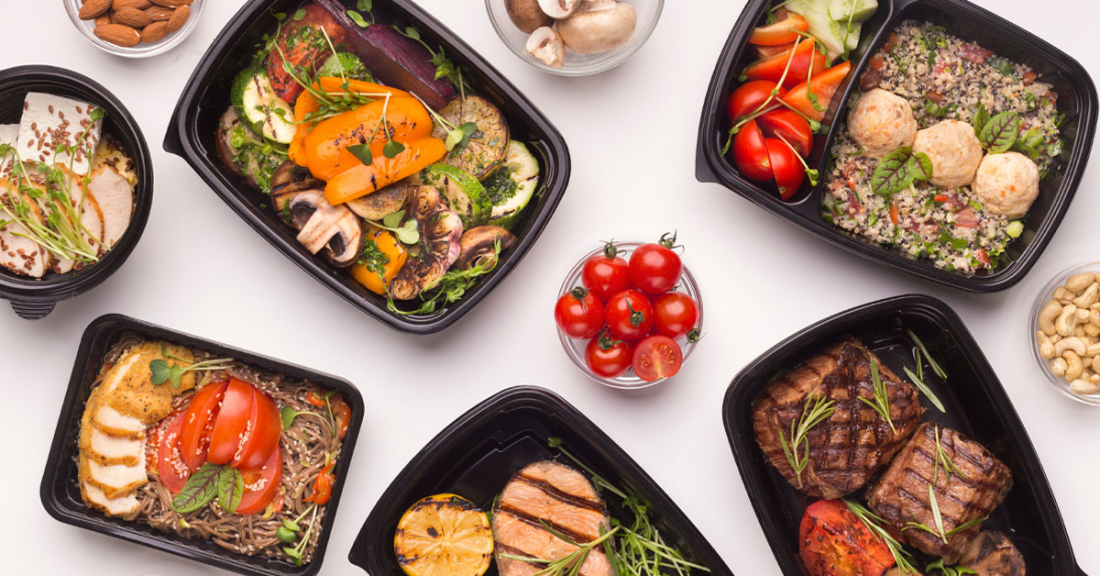
Cooking at home will be cheaper, but it will also give you a detailed overview of what ingredients the food contains.
3. Look for cheaper alternatives
Have you ever noticed that, in addition to, say, your favourite brand of yoghurt, the supermarket you go to offers its own brand that is much cheaper? It may come as a surprise to some of you, but the supplier of both products may well be the same company and therefore the quality of both products may be at least comparable. So if you need to save money, look for cheaper alternatives to your favourite products. However, we always recommend comparing the ingredients and making sure that you are not buying extra additives for a lower price.
4. Get rid of the feeling that quality food has to be expensive
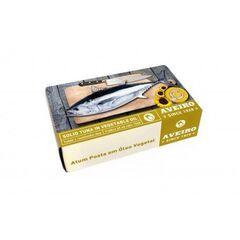
A lot of people feel that quality food is incredibly expensive and will break their budget quite substantially. And of course, you' ll have to pay a little extra for some products, such as fresh fish, but on the other hand, there are a huge number of cheap yet healthy foods out there. As we mentioned in our article on cheap sources of protein, you can reach for things like legumes, canned tuna, peanut butter, sardines, Greek yogurt or even oatmeal. On the other hand, food with a high degree of industrial processing is usually a little more expensive than if you prepare it from fresh ingredients at home.
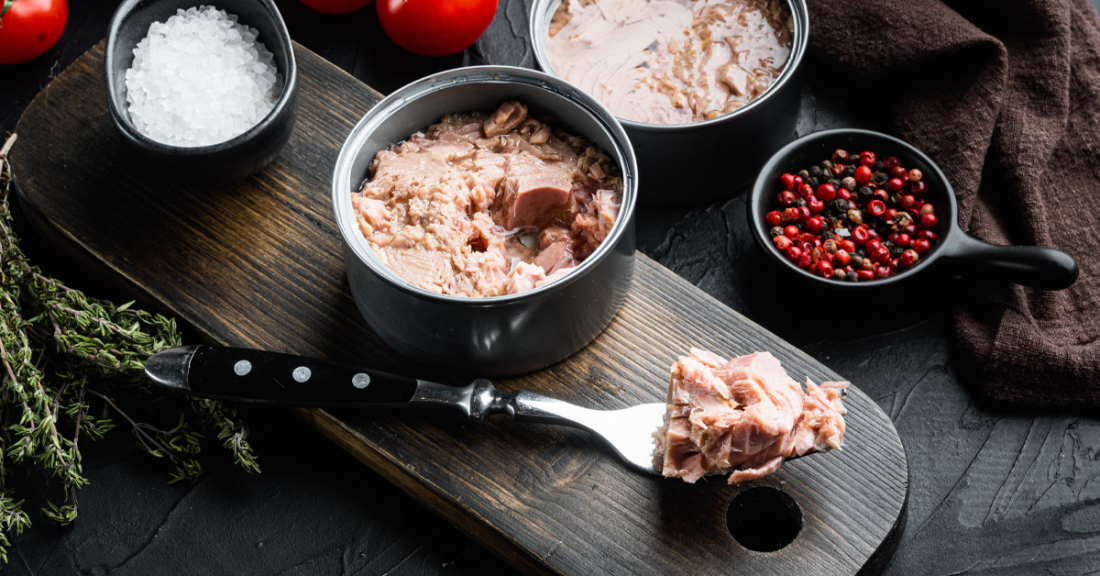
Canned tuna is a great food that won't break the bank.
5. Don't be afraid of discounts and buying in bulk
In case you have a large consumption of certain foods, try to spend some time finding out which chain offers it cheaper. Of course, it's not worth driving across town for two slices of meat, but if you eat several kilos of it a month, it might be worth looking for cheaper alternatives. Although it may sound a bit ridiculous, it pays to go shopping after you've eaten. Because once you're hungry, in addition to buying significantly more food (even food that's not on your list), you'll also tend to reach for processed foods that are ready to eat right away. And that's not good for your wallet or your health.
6. Get a discount card
Once you go to some stores regularly, it's definitely not a bad idea to get a loyalty card, which of course offers a number of different benefits, including discounts on specific foods. Although the discount is usually just a few crowns on selected products, it can add up to a couple of hundred a month if you shop regularly. And since the quality of the food you buy doesn't suffer and it only takes a few minutes of your time, it's definitely not a bad idea to get a discount card.

7. Watch the price of seasonal food
Once a food is in season, it is usually available at a good price. And besides, this also means that it is at the top in terms of taste and vitamin and mineral content. It's always ideal to buy local produce at the same time - once a fruit has to fly halfway around the world to get to your table (typically an avocado or mango, for example), you'll usually have to pay extra for it. But since the fruit and vegetable season only lasts a short while in our area, it's not a bad idea to opt for frozen fruit and vegetables over the winter. While fruits are good in smoothies or porridges, you can add vegetables to almost any recipe. At the same time, freezing doesn't substantially damage the vitamin and mineral content of the produce, so you're not compromising on health.
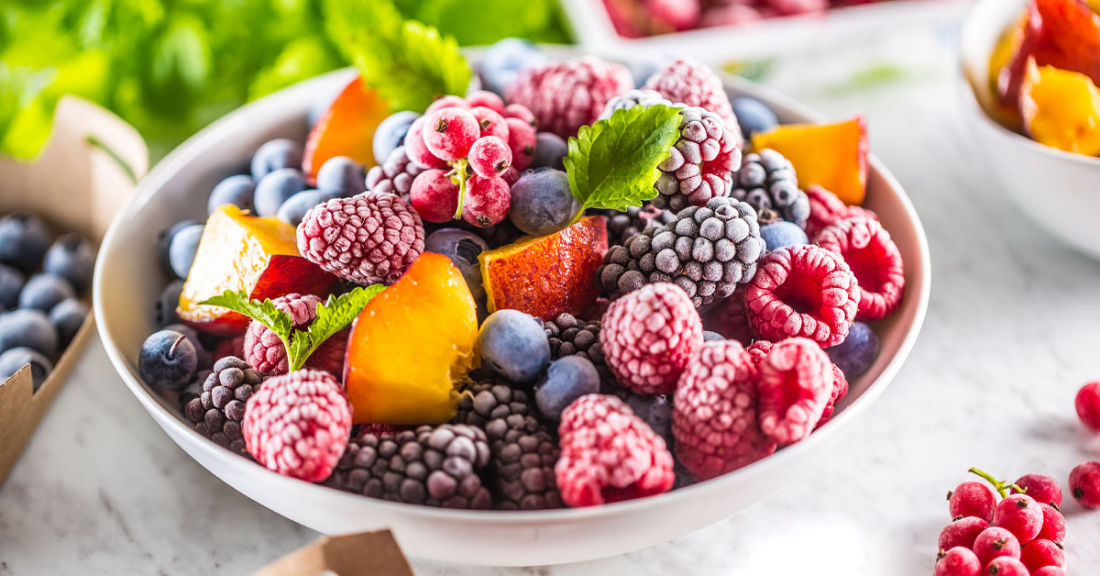
Frozen fruit is inexpensive and is not substantially depleted of vitamins or minerals.
What can you take away from today's article?
The main thing you should take away from today's article is that even with the rising cost of food, you can still eat well. All you have to do is choose the right foods, shop on sale and ideally get loyalty cards for the stores you frequent. While seasonal foods may be the way to go in the summer months, over the winter you can reach for frozen fruit and vegetables, which tend to be cheaper and usually no worse than produce that travels halfway around the world.
Recommended
No posts have been made yet.








