





How big a problem is glutamate in food?
 Author:
 Although it may not seem like it, glutamate is an integral part of our lives. As well as being found as a flavour enhancer in various cured meats and chips, it can also be found in fruit and vegetables, where it enters through fertilisers. However, its negative effects are often exaggerated and, although its consumption should not be overdone, in small quantities it is not such a serious problem. In our article today, we will look at glutamate in detail.
Article content
- What is glutamate anyway?
- Why do people think it is harmful?
- Where was the problem?
- So what is it really like?
- So glutamate doesn't need to be addressed, right?
- So what can I take away from today's article?
What is glutamate anyway?
Although the name glutamate is commonly used, it can be a bit confusing to some. This is because it refers to potassium glutamate and possibly other salts of l-glutamic acid in addition to monosodium glutamate, which is used to enhance flavours. Glutamic acid itself is an important amino acid that functions as an important neurotransmitter. And to make matters worse, it is also referred to as glutamate. Our article today will therefore focus on glutamates as salts of the aforementioned amino acid.
The most prominent representative is monosodium glutamate, which is available as a white powder with no smell and a mild meaty taste. It is because of this property that it has begun to be used in food as an additive to increase the intensity of the flavour of food. It is characteristically used in Vietnamese and Chinese restaurants, but today you can also find it in various potato chips, sausages and other products. According to scientific studies, the average person consumes between 0.3 and 1 gram of glutamate per day.
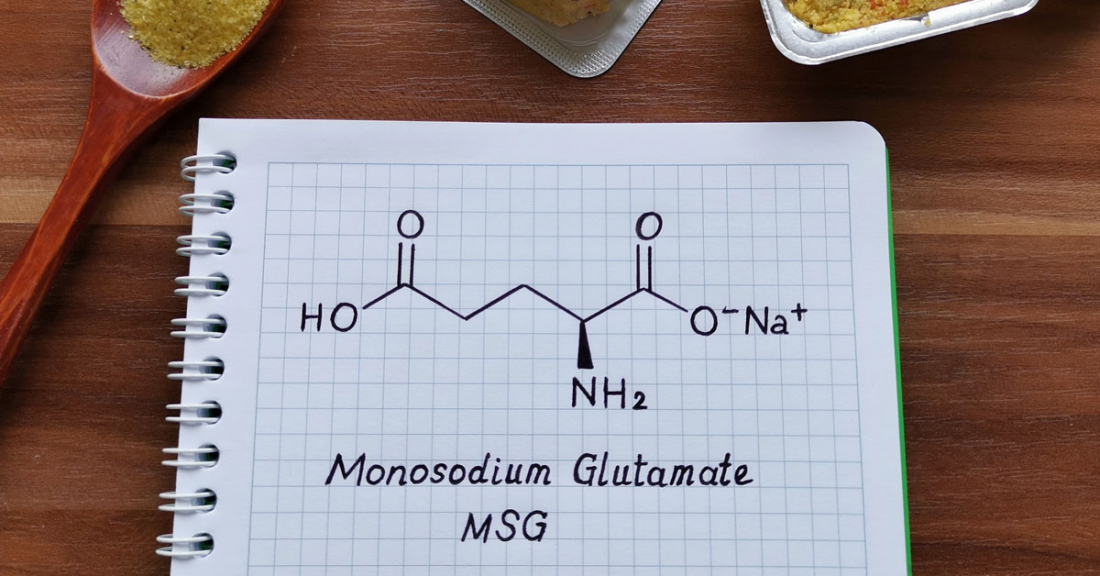
Glutamate is often found in various mixtures intended to flavour food.
Why do people think it is harmful?
Monosodium glutamate is certainly not a new substance and in fact, for several decades people have considered it to be very unhealthy. The story of this substance begins in the 1960s, when a Chinese-American doctor, Robert Ho Man Kwok, sent a letter to The New England Journal of Medicine saying that he had fallen ill after frequenting Chinese restaurants and that monosodium glutamate could be one of the culprits. And since there was considerable anti-immigrant sentiment in parts of America at the time, the idea that Chinese restaurants might be causing some illness took hold and took on a life of its own.
This claim was then confirmed by many scientific studies on the high toxicity of glutamate, which is why most people have internalized the harmfulness of glutamate to this day. Some of the many preconceived notions about glutamate, for example, were that glutamate interferes with the functioning of leptin in the brain and therefore makes us more prone to increase caloric intake, raises blood sugar levels and may be behind diabetes or insulin resistance.
Where was the problem?
There have been a really large number of studies over the years, the vast majority of which initially confirmed all sorts of negative effects of glutamate. How is this possible? Well, mainly because these studies were often biased - for example, they worked with injecting glutamate instead of oral administration, they worked with very few observations or extremely high doses , and they often lacked any relevant control group. All of this may have caused the results of such tests to be highly biased and not at all representative of reality. This was also the case with artificial sweeteners, for example, about which we wrote a separate article on our website.

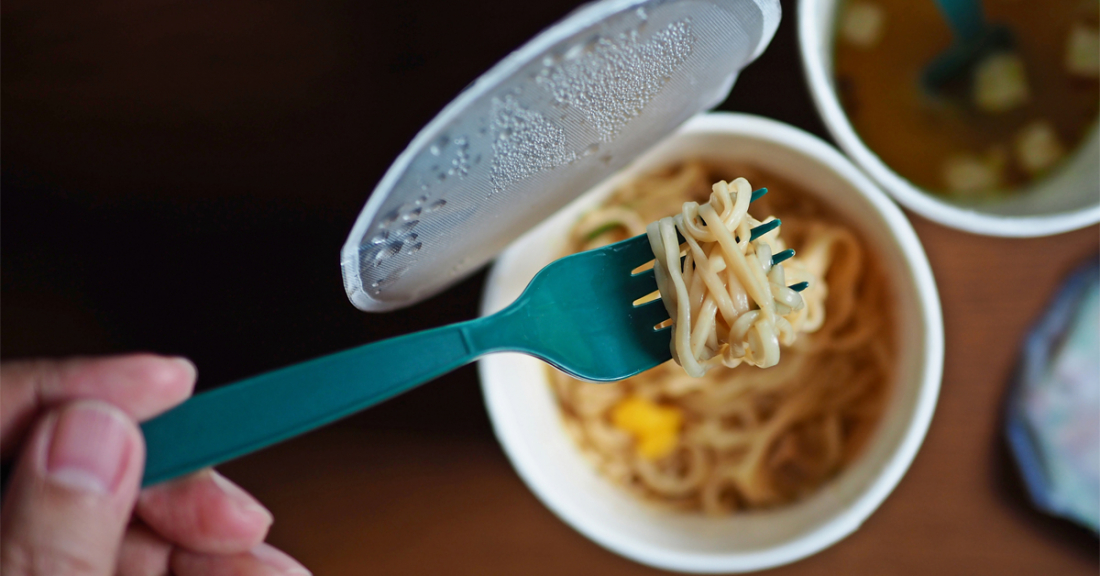
Glutamate is often found in a variety of foods with a high degree of industrial processing.
So what is it really like?
Actually, it's a little more complicated with glutamate. Many of the original studies have of course been refuted by properly set up new research. And while many studies today lean more towards glutamate being harmless at reasonable levels, more studies are still needed. For example, so far it looks like glutamate doesn't cause weight gain, nor is it harmful to the brain. There was something true about the letter written by Dr. Kwok after all - there is a disease known as MSC and its symptoms can indeed be weakness, headaches, difficulty breathing and even loss of consciousness. However, this disease is estimated to affect about 1% of the world's population and if you experience similar symptoms after consuming foods with glutamate, it is advisable to stop consuming it and consider seeing a doctor.
So I don't have to deal with glutamate, right?
It's safe to say that glutamate is definitely not as bad as originally thought and, within reason, you certainly don't need to worry about consuming it. In the same breath, however, it is worth adding that glutamate is often found in foods that have, for example, a high degree of industrial processing. Smoked sausages, chips, fast-food chains or even store-bought dressings are definitely not something that should be on your diet.
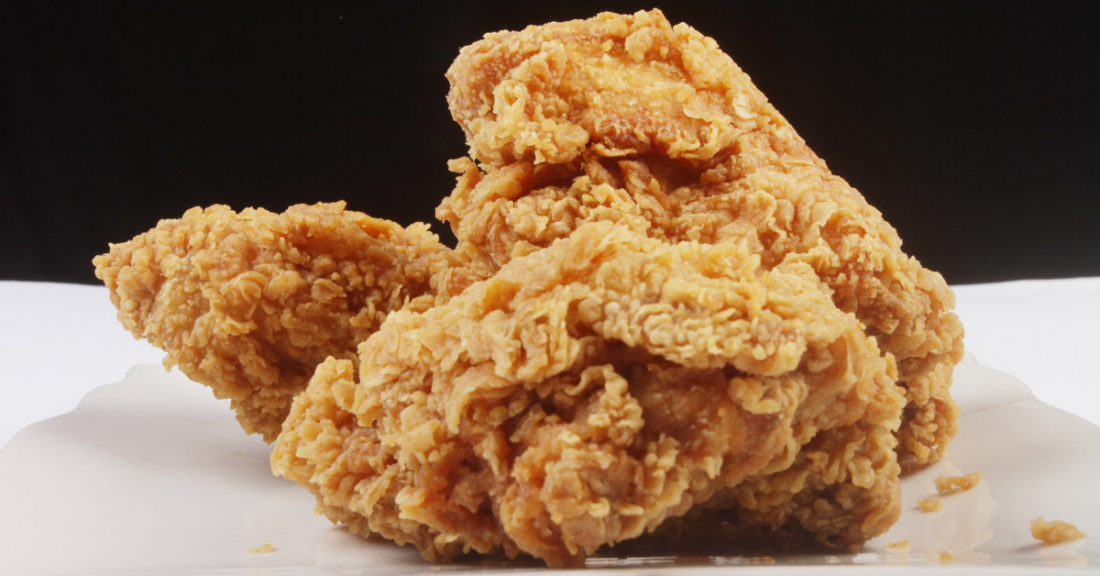
You'll typically find glutamate in fast food too - and it certainly doesn't have to be healthy, regardless of its glutamate content.
So what can you take away from today's article?
The main thing you should take away from today's article is that glutamate is definitely not some substance that you should be terrified of. Unless you are one of the 1% or so of the world's population affected by a disease called MSC, you will be fine after eating food containing glutamate. If you do suffer from it, you may actually experience problems such as weakness, headaches and, in extreme cases, loss of consciousness after eating large amounts of food containing a lot of glutamate. But you certainly don't have to give up a favourite food for the rest of your life just because it contains a certain amount of glutamate.
However, if you would like to start eating healthier, you can buy healthy foodsfrom our shop !
Recommended
Czech Virus L-Tryptophan & Valerian Root

Nebbia Tričko s krátkým rukávem LEGACY 711

Nebbia Fitness bolero s dlouhým rukávem TRUE HERO 257
Eurovo Service Tekuté vaječné bílky
No posts have been made yet.








