How and when to take protein for weight loss?
 Author:
 Proteins play a vital role in the weight loss process. Not only do they help the body regenerate muscle mass, but they also increase satiety and promote fat burning. The right timing and choice of protein can have a big impact on your weight loss success. In this article, we'll take a detailed look at how and when to drink protein when losing weight to achieve optimal results.
Article Content:
- Weight Loss Issues
- The importance of protein in weight loss
- Protein and weight loss: what is good to know?
- When to drink protein for weight loss?
- What types of protein are good for weight loss?
- Practical tips for incorporating protein into your diet
- The most common mistakes when taking protein for weight loss
Weight loss issues
Weight loss is not just about reducing calorie intake, but also about maintaining muscle mass, optimizing metabolism and achieving an overall balance of nutrients. Protein plays a key role in this process - not only does it help maintain muscle mass, but it also increases satiety and promotes the thermic effect of food.
The importance of protein in weight loss
1. Maintaining muscle mass
Reducing caloric intake runs the risk of losing muscle mass, which can slow metabolism and affect overall fitness. Adequate protein intake helps protect muscle tissue from catabolism, which is especially important if you are also doing regular strength training.
2. Increasing satiety
Protein has a significant effect on satiety, making it easier to control appetite and helping to reduce overeating. Consuming protein sources during the day can help stabilize blood sugar levels and reduce the urge for calorie-dense snacks.
3. Thermal effect of food
The process of digesting protein requires more energy than digesting carbohydrates or fats, which means the body burns more calories processing it. This thermic effect can contribute to an overall increase in energy expenditure, which is a welcome bonus when losing weight.
Protein and weight loss: what's good to know?
Protein is a macronutrient with several unique properties that make it indispensable for weight loss:
- It helps regulate blood sugar levels: Protein slows the absorption of carbohydrates, leading to more stable blood sugar levels and lower insulin spikes.
Studies show that higher protein intake (1.6-2.2 g per kg of body weight per day) can significantly promote fat loss, especially with regular exercise.

When to drink protein for weight loss?
1. After a workout
After physical activity, the body needs a rapid supply of nutrients to recover. A protein drink after a workout (ideally within 30-60 minutes) will help:
- Rebuild muscle fibers damaged by exercise.
- Promote muscle growth, which is key to maintaining metabolism during weight loss.
2.
After an overnight fast, the body is in a catabolic state where it begins to break down muscle tissue. A protein shake as part of breakfast will provide protein for recovery while kick-starting the metabolism.
3. As a snack between meals
Protein drinks or snacks can be a great help in fighting hunger. If you drink a protein shake during the day, for example between lunch and dinner, you will reduce the craving for unhealthy snacks.
4. In the evening before bed
Consuming casein protein in the evening before bed ensures the body has a steady supply of protein during the night, which promotes muscle recovery and prevents catabolism.

What types of protein are suitable for weight loss?
1. Whey protein
- Whey protein is quickly absorbed, ideal for use after exercise.
- It contains essential amino acids (including leucine) that promote muscle recovery.
- Studies show that whey protein promotes fat loss and reduces appetite.
2. Casein protein
- Casein protein absorbs more slowly (up to 8 hours), making it an ideal choice before bed.
- It keeps the body in an anabolic state during the night.
3. Plant proteins
- Plant proteins most commonly include rice, pea or hemp protein.
- An excellent choice for vegans or those with lactose intolerance.
- For a complete amino acid profile, it is advisable to combine different plant sources.
4. Multi-ingredient proteins
- Multi-component proteins combine fast and slow absorbing proteins.
- Suitable for all-day use as a meal replacement.
Practical tips for incorporating protein into your diet
- Replace a more calorie-dense meal with protein: If you have a sweet tooth, try making protein pancakes or smoothies.
- Add protein to your meals: For example, in porridge, yoghurt or pastries.
- When travelling or having a hectic day,protein bars or drinks are the ideal choice.
- Don't forget to hydrate: A protein diet requires plenty of water to avoid kidney congestion.
The most common mistakes when taking protein for weight loss
- Exceeding your daily calorie intake: Protein alone will not cause weight loss if you are taking in more calories than you burn.
- Neglecting a varied diet: Protein supplements are only a dietary supplement, not a substitute for a quality and balanced diet.
- Inappropriate timing: For example, consuming a fast-absorbing protein at night may not be optimal.
Conclusion
Taking protein for weight loss is much more than just an additional source of protein. Proper timing, choosing appropriate sources and incorporating them into the overall diet can make a big difference in weight loss success, muscle preservation and overall vitality. Whether you are an athlete looking to optimize recovery or an individual looking to lose weight effectively, tailoring your protein intake to your specific needs is a key factor in achieving your goals.
Recommended
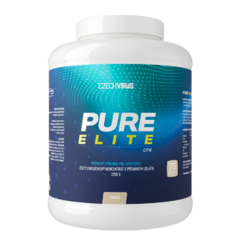
Czech Virus Pure Elite CFM
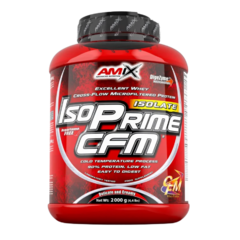
Amix Isoprime CFM
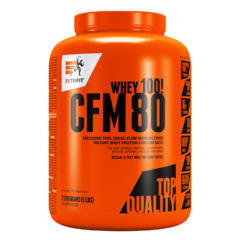
Extrifit CFM Instant Whey 80

No posts have been made yet.