How and from what is protein made?
 Author:
 Proteins are one of the most sought-after dietary supplements today. They are no longer the domain of professional athletes or bodybuilders alone. Increasingly, they are also found in people who want to enrich their diet with quality protein, not only for gaining muscle mass, but also for maintaining robust health and promoting overall vitality. The modern lifestyle emphasizes sufficient protein intake, which is essential for proper muscle function, immune system and tissue regeneration.
The popularity of protein is also due to its versatility in the kitchen - more and more recipes use protein powder as an ingredient in cakes, pancakes, tarts or even sauces. The advantage is that we can prepare nutritionally rich dishes without burdening the body with excessive amounts of carbohydrates or fats. Thanks to the growing popularity of various diets, fitness trends and healthy recipes, proteins are popping up across the entire spectrum of dietary trends - whether it's athletes looking to speed up recovery after a workout, or everyday eaters trying to maintain a healthy weight and vitality.
In this article, we'll take a look together at how protein is made and what protein is most commonly sourced from. You'll find that each raw material and processing method brings specific characteristics to the final product - whether it's absorption rate, amino acid content, or taste. If you want to include protein supplements in your diet and are interested in how they are made, you've come to the right place.
Article Content:
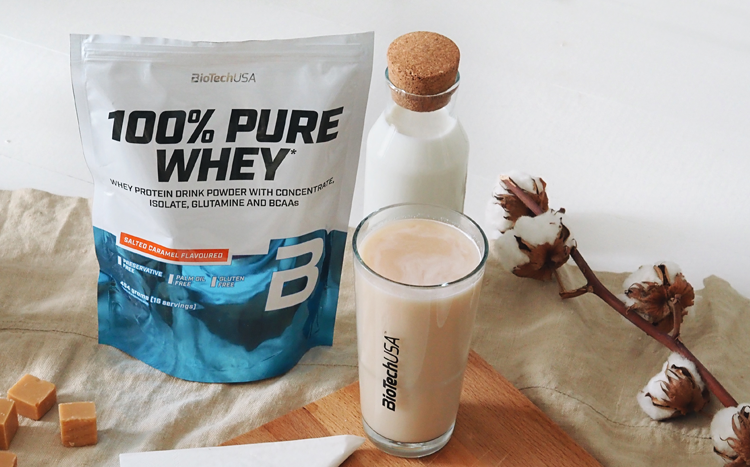
What is protein made of?
Animal sources
- Whey protein
- It comes from milk. Whey is the liquid part of milk that is separated during cheese making. It is rich in rapidly absorbed protein. - Casein protein
- Also comes from milk, but unlike whey, it is a slower digesting component of milk protein. - Egg protein
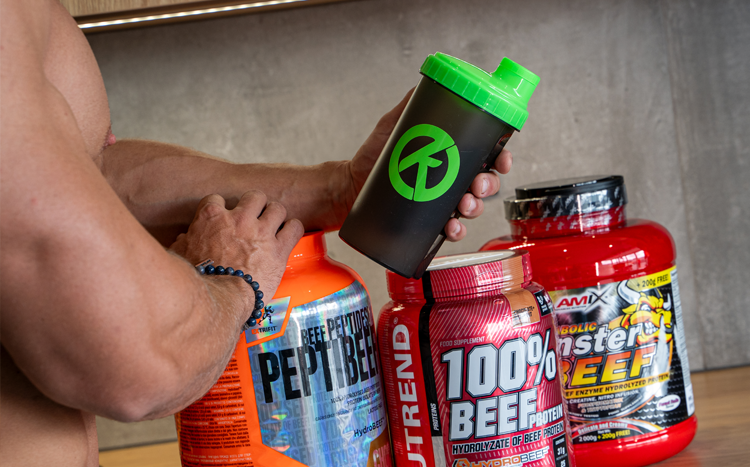
- Produced by drying egg whites, which contain a high proportion of high-quality protein. - Beef protein
- Produced from beef or collagen through processes such as hydrolysis. The result is a high-protein powder that contains a different amino acid spectrum than milk proteins. Beef protein is suitable for people who are lactose intolerant or allergic to milk protein but still prefer an animal source of protein.
Plant sources
- Soy protein
- It is one of the most popular plant proteins because it contains all the essential amino acids. - Pea protein
- It is naturally hypoallergenic and suitable for those who avoid soy or milk. - Hemp protein
- Made from the seeds of the industrial hemp plant, it is popular for its fibre, vitamin and mineral content. - Rice protein
- A great choice for people with gluten or lactose allergies.
Special sources
- Insect protein (e.g. cricket)
- Has a high protein content and is considered an environmentally sustainable alternative.

How protein is made
1. Protein extraction and separation
The basis of the process is to separate the protein from the other components that are in the original raw material (milk, seeds, legumes, etc.). For example, in the case of whey, the milk is first processed into cheese, while the whey liquid is separated. In the case of plant sources, the protein components are pressed, milled and extracted.
2. Filtration and concentration
Extraction is followed by a filtration process to remove remaining impurities, fat and other undesirable components from the protein solution. The most commonly used filtration method is:
- Microfiltration and ultrafiltration (for whey) - These methods use membranes with different pore sizes that can only allow certain particles to pass through.
- Isolation (e.g., for soybeans or peas) - Special techniques that help increase the protein content by filtering out most of the carbohydrates and fiber.
3. Drying
After filtration and concentration is complete, the resulting protein concentrate is dried. The most common is spray-drying, where the protein solution is sprayed into a drying chamber with hot air. This evaporates the water to form a fine powder.
4. Adjustment of taste and other parameters
In the finishing stage, additional ingredients are often added to the protein powder - natural or artificial flavours, sweeteners (e.g. stevia, sucralose) or emulsifiers (e.g. sunflower lecithin) to improve solubility and taste.
Conclusion
Protein supplements are a convenient, practical and concentrated source of protein, which is appreciated not only by top athletes and bodybuilders, but also by people on a reducing diet, vegetarians or in general anyone who is trying to keep their protein intake at a sufficient level. The main advantage is that in a small volume we get a large amount of protein, which we appreciate in moments when there is not enough time to prepare a full meal or when we want to experiment in the kitchen - adding protein to baking, cooking or cold dishes.
How protein is produced can vary considerably depending on the source of ingredients and the technological methods used. Each of the methods (e.g. whey filtration, beef hydrolysis, extraction from legumes and seeds) has its own specifics and affects not only the composition of amino acids, but also the rate of absorption of protein into the body, the taste, and even the consistency of the final product. That is why we can find a wide range of proteins on the market suitable for different purposes - from fast digesting whey and insect proteins, to slowly absorbed casein proteins, to plant-based ones, which are preferred by people with lactose intolerance or who prefer a vegan diet.
Recommended
Nutrend Micellar Casein
Amix OptiMass Beef

Verified sources and studies
- European Food Safety Authority (EFSA) - Food safety and dietary recommendations.
- Harvard T.H. Chan School of Public Health - Recommendations for a healthy diet, including the role of protein.
- Smith, G. L., Jones, A. & Clarke, R. (2020). Protein Extraction and Purification in the Food Industry: Processes and Quality Control. food Science & Technology Journal, 15(3), 45-58.
- European Commission. (2021). Knowledge Centre for Food Fraud and Quality. Publications Office of the European Union.
No posts have been made yet.