





Discover the power and benefits of the dietary supplement Astaxanthin!
 Author:
 Antioxidants are substances that have become very popular in recent years for many different reasons. They can positively influence a wide range of health aspects, promote a youthful appearance of the skin and, last but not least, they are an aid for better sports performance. Astaxanthin, which belongs to the carotenoids, is, according to current research, the most powerful antioxidant ever found in nature. This powerful pigment gives certain types of seafood a red-orange hue and has been shown to be important for eyesight, promote brain and heart health, and even increase male fertility. Today, let's take a closer look at astaxanthin and what this antioxidant has to offer our bodies.
Article content:
- Introduction to Astaxanthin
- Antioxidant properties
- The biggest benefits of consuming or supplementing with astaxanthin
- Benefits for athletic performance
- Food Sources of Astaxanthin
- Don't eat fish? Bet on a supplement!
- Recommended dosage and safety
- What to take away from the article?
Introduction to Astaxanthin
Astaxanthin belongs to the group of carotenoids and, like other representatives of this group, is a fat-soluble substance. It is a natural colouring agent found in various foods. This health-promoting pigment gives its bright red-orange colour to shellfish, fish and algae in particular. Of course, it can also be used in supplement form. In scientific research, astaxanthin is often called the 'king of carotenoids', as it turns out to be the most powerful natural antioxidant ever.
Antioxidant properties
The antioxidant properties of this substance definitely deserve attention. According to many recent studies, the ability of astaxanthin to fight free radicals, the substances that are at the root of many serious cancers, cardiovascular, lung and immune diseases, is many times higher than that of other major antioxidants. Specifically, it is reportedly 6000 times more potent than vitamin C, about 3300 times more potent than resveratrol, about 550 times more potent than vitamin E, 800 times more potent than coenzyme Q10, and about 40 times more potent than beta-carotene - impressive, right?
Its antioxidant properties are not only effective in fighting harmful free radicals and preventing the development of certain types of chronic diseases, but they can also reduce the signs of skin aging and help fight inflammation effectively. Research also suggests that astaxanthin benefits brain and heart health, can have a positive effect on athletic performance, increases endurance, helps maintain stable energy levels, and can even support fertility.
The biggest benefits of consuming or supplementing with astaxanthin include
We've already established that astaxanthin is a very powerful antioxidant and can bring many interesting benefits to our bodies. Let's take a look at the most important ones in more detail.
Effects on health
Promotes brain health and proper brain function
As we age, the risk of developing neurodegenerative disorders such as Alzheimer's or Parkinson's disease slowly increases. These conditions, which are characterised by the progressive loss of neurons in the brain, can lead to memory impairment, confusion, tremors, restlessness and anxiety. A large body of research has concluded that astaxanthin benefits brain health by helping to maintain cognitive function. Scientists believe astaxanthin's action in this regard may be tied to its ability to reduce oxidative stress and inflammation.

Helps protect the heart
Heart disease is one of the world's leading causes of death. There are, of course, many different factors that contribute to the development of heart disease, but oxidative stress and inflammation in the body are often at the top of the list. Scientific studies say that supplementation with astaxanthin can reduce markers of both inflammation and oxidative stress, making this substance a great support for cardiovascular health. Astaxanthin may also protect against atherosclerosis, which causes fat and cholesterol to build up in the arteries. It is even reported to help regulate LDL cholesterol and triglyceride levels, which is also very important for cardiovascular health.
Of course, eating a healthy diet and consuming natural sources of astaxanthin, or supplementing with it, is just one piece of the puzzle. In order to keep our heart in tip-top shape, and actually not only it, we also need to follow other healthy lifestyle principles such as regular exercise, getting enough sleep, limiting consumption of ultra-processed foods and alcohol, and working with stress.
It is important for eye health
Astaxanthin is very important for eye health. It helps increase blood flow to the retina, protects the eyes from light damage, helps relieve eye fatigue and improves blurred vision. In addition, it has also been shown to work as a great prevention against the development of macular degeneration, an eye disease associated with increasing age that manifests itself in impaired vision, and can also help once the disease has already broken out. In addition to astaxanthin, nutrients important for eye health include lutein, zinc, vitamin A and zeaxanthin.
Immune system support
Inflammation is an important part of the body's immune response. However, the truth is that too much of anything is bad for you and chronic inflammation can contribute to the development of diseases such as diabetes, cancer and the aforementioned heart disease. Astaxanthin can reduce markers of inflammation in the body, making it an important substance not only in the treatment of these serious diseases, but in the prevention of their development itself. There is even speculation that astaxanthin could have anti-cancer effects and may help prevent the proliferation and spread of cancer cells. However, more research is needed to understand how astaxanthin may work in this regard.

In addition to protecting the body from harmful radicals and reducing inflammation throughout the body, astaxanthin helps boost immunity in other ways. According to research, it supports the activity and ability to rapidly multiply a wide range of immune cells and immunoglobulins, which are substances that are able to identify and disarm foreign objects (bacteria and viruses) in the body.
Effects on the skin
Astaxanthin also benefits skin health. Studies show that it can improve the overall appearance of the skin and helps in dealing with various skin ailments. It can alleviate the signs of aging, visibly reduce wrinkles and age spots, reduce the appearance of acne, and help restore skin texture and elasticity. In addition, Astaxanthin protects against skin damage caused by UV rays and helps maintain healthy skin in people who do not suffer from any skin problem. For best results, it is recommended to combine astaxanthin with other substances that have a positive effect on skin health, such as tea tree oil or shea butter.
Benefits for sports performance
Of course, our website must not miss the fact that astaxanthin can have a positive effect on sports performance. In addition to being able to improve endurance, it helps energy production, increases strength, and in turn helps to delay the onset of fatigue. Due to its anti-inflammatory properties, it is also highly valued for its positive effect on recovery and serves as a prevention against muscle damage during exercise. In addition, astaxanthin has been found to reduce the production of lactic acid in muscles, which is the source of burning, cramping and muscle tenderness. There are also studies that say that astaxanthin can influence joint health in a positive way and work as a prevention against the development of osteoarthritis. Thus, the current findings clearly show that this substance can be a very good help for athletes to perform well. To make matters worse, in conjunction with physical activity and a properly adjusted diet, astaxanthin can also promote fat burning.
Food sources of astaxanthin
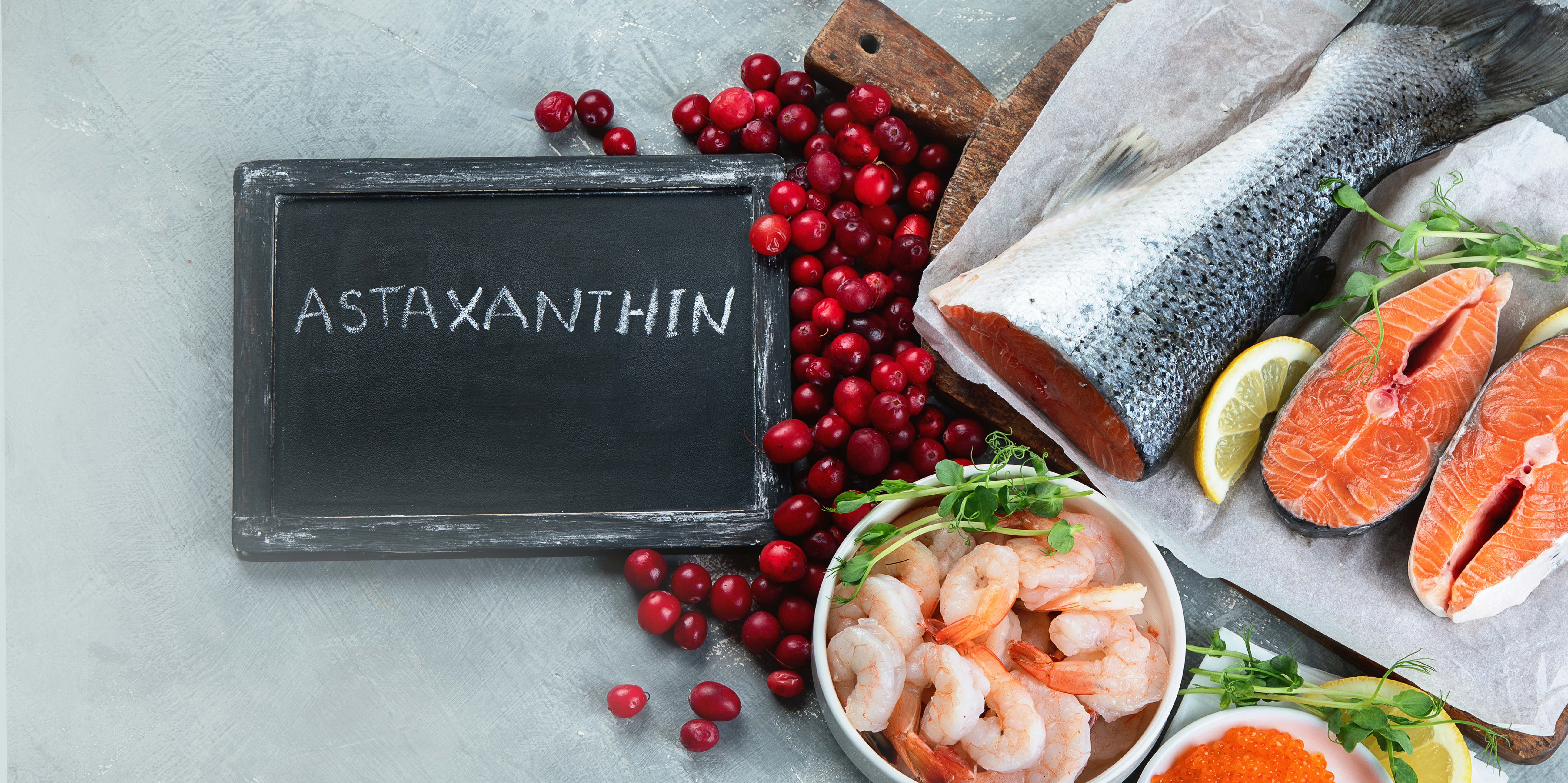
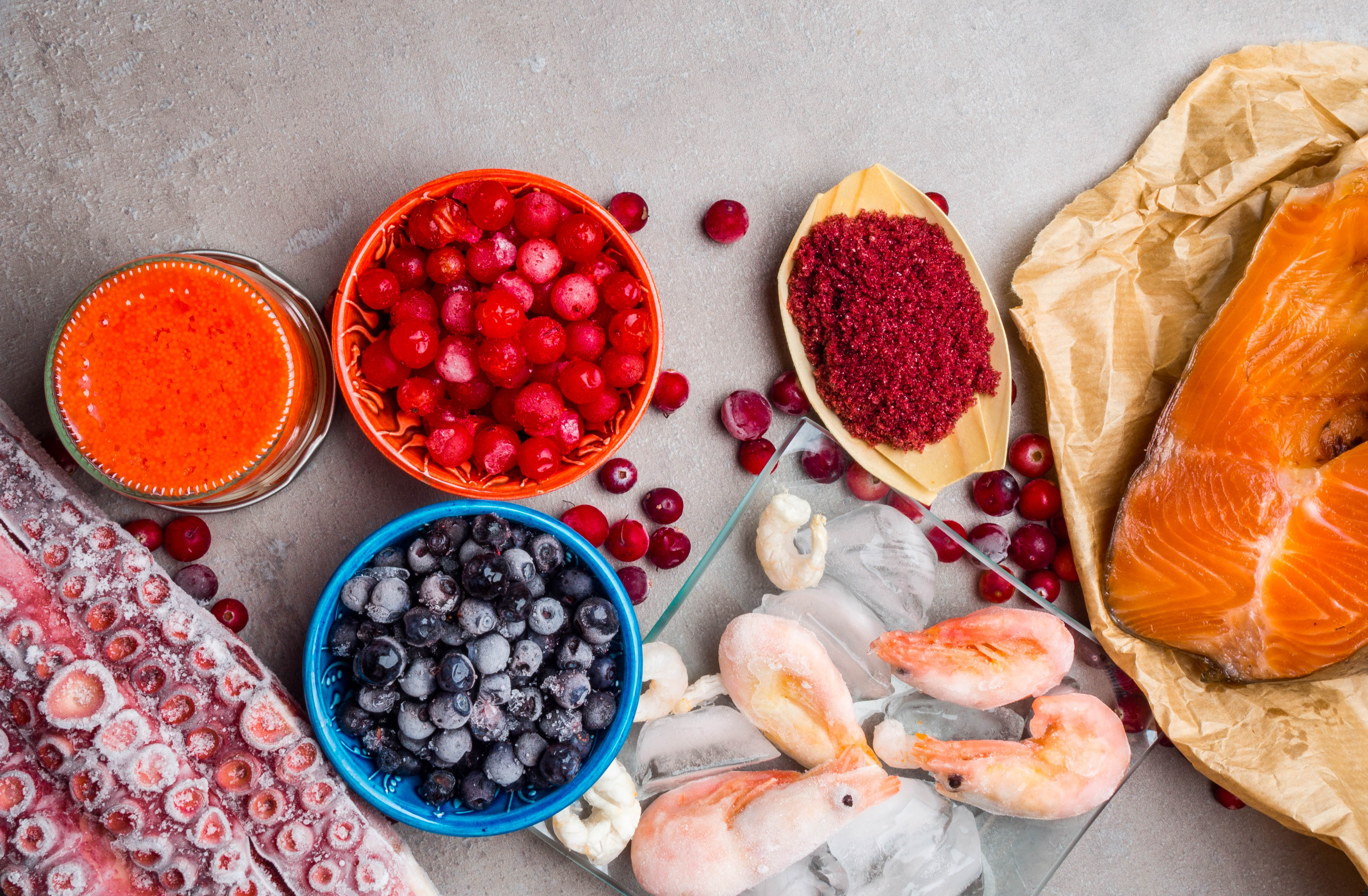
If you are impressed by the list of health benefits and want to experience the effects of this substance for yourself, let's first take a look at the food sources of astaxanthin that you can conveniently include in your diet to ensure a natural supply. At the same time, food sources contain astaxanthin in its most absorbable form. Astaxanthin is mainly found in algae, seafood and fish. Some of the largest sources include krill, lobster, crab, shrimp, wild salmon, seaweed, red trout, red sea bream or salmon roe.
Don't eat fish? Bet on a supplement!
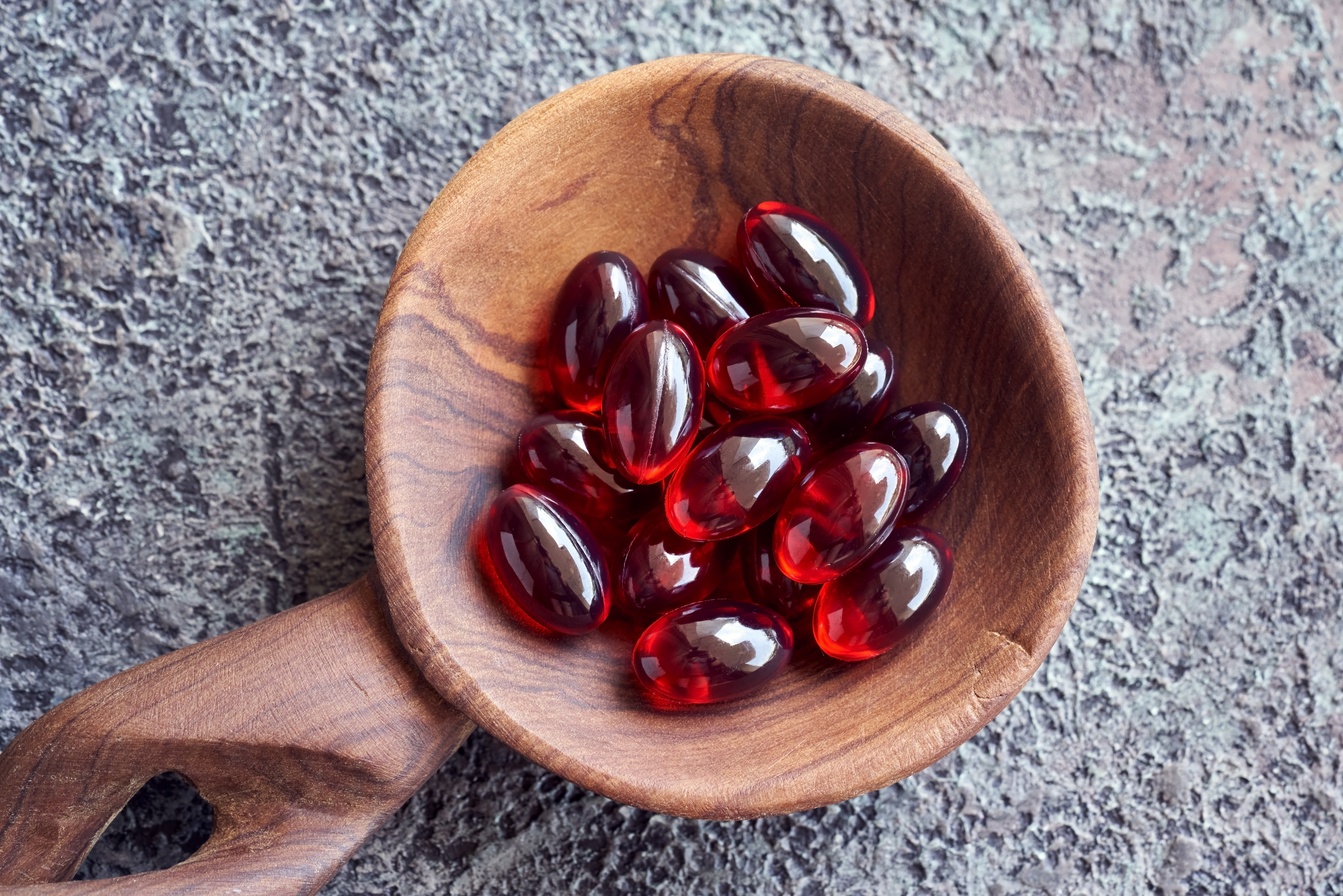
Of course, there is also a solution for those of you who don't want or can't consume seafood and fish. Astaxanthin is also available in the form of a natural supplement. Supplements are usually made by extracting seaweed. Supplements containing astaxanthin are most commonly available in the form of capsules, which provide you with a concentrated dose of this health-giving substance. However, to maximize the health benefits, make sure the supplement you take contains natural astaxanthin extract. Thanks to its growing popularity, you can now find supplements containing astaxanthin in virtually every pharmacy, health food stores, and online supplement shops.
Recommended
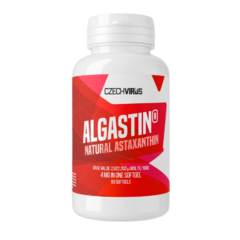
Czech Virus Algastin Natural Astaxanthin
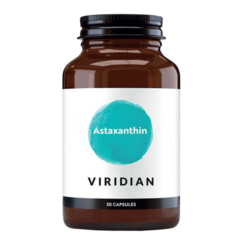
Viridian Astaxanthin
Recommended dosage and safety
You may have wondered how much astaxanthin to actually consume or take. If you take it from whole food sources, it seems a good strategy to include foods rich in this substance in your diet and consume them regularly several times a week. These foods are particularly beneficial because most of them provide a number of other important nutrients in addition to astaxanthin, such as vitamins, minerals, protein and omega-3 fatty acids.
When talking about supplements, the recommended dose is four to eight milligrams, one to three times a day, ideally combined with a fat-rich meal. Initially, it is best to start with a low dose, observe the body's response and increase as necessary. Astaxanthin is a safe substance, but at high doses, minor negative side effects may occur. The most common ones include increased skin pigmentation, low blood pressure, abdominal pain, fluctuations in hormone levels, increased hair growth, decreased libido, or increased bowel peristalsis. Side effects occur exclusively in response to high doses of supplements, not with food sources (unless you are allergic to them, of course). Pregnant women should be wary of high doses and are therefore advised to only take supplements from food sources.
What to take away from the article?
Astaxanthin is the most powerful antioxidant, which has become really popular in recent years for its extensive benefits for human health. It helps fight harmful free radicals, supports heart and brain health, is important for our eyes, skin, strong immunity and last but not least it can be a very good support for quality sports performance. Astaxanthin is found in many food sources, especially seafood, algae and fish. Of course, it can also be taken as a supplement. Astaxanthin is a safe substance, but minor negative effects can occur when taking high doses of supplements.
Sources:
- Ambati, R. R., Phang, S. M., Ravi, S., & Aswathanarayana, R. G. (2014). Astaxanthin: sources, extraction, stability, biological activities and its commercial applications--a review. marine drugs, 12(1), 128-152.
- Yamamoto, K., Hara, K.Y., Morita, T. et al. Enhancement of astaxanthin production in Xanthophyllomyces dendrorhous by efficient method for the complete deletion of genes.Microb Cell Fact 15, 155 (2016).
- Rodríguez-Sáiz, M., de la Fuente, J. L., & Barredo, J. L. (2010). Xanthophyllomyces dendrorhous for the industrial production of astaxanthin. applied microbiology and biotechnology, 88(3), 645-658.
- Ambati RR, Phang S-M, Ravi S, Aswathanarayana RG. Astaxanthin: Sources, Extraction, Stability, Biological Activities and Its Commercial Applications-A Review. Marine Drugs. 2014; 12(1):128-152.
- Aoi, W., Maoka, T., Abe, R., Fujishita, M., & Tominaga, K. (2018). Comparison of the effect of non-esterified and esterified astaxanthins on endurance performance in mice. Journal of clinical biochemistry and nutrition, 62(2), 161-166. https://doi.org/10.3164/jcbn.17-89 Yook, J. S., Okamoto, M., Rakwal, R., Shibato, J., Lee, M. C., Matsui, T., Chang, H., Cho, J. Y., & Soya, H. (2016). Astaxanthin supplementation enhances adult hippocampal neurogenesis and spatial memory in mice. Molecular nutrition & food research, 60(3), 589-599.
- Benjamin, E. J., Blaha, M. J., Chiuve, S. E., Cushman, M., Das, S. R., Deo, R., de Ferranti, S. D., Floyd, J., Fornage, M., Gillespie, C., Isasi, C. R., Jiménez, M. C., Jordan, L. C., Judd, S. E., Lackland, D., Lichtman, J. H., Lisabeth, L., Liu, S., Longenecker, C. T., Mackey, R. H., ... American Heart Association Statistics Committee and Stroke Statistics Subcommittee (2017). Heart Disease and Stroke Statistics-2017 Update: A Report From the American Heart Association. Circulation, 135(10), e146-e603.
- Kishimoto, Y., Yoshida, H., & Kondo, K. (2016). Potential Anti-Atherosclerotic Properties of Astaxanthin. marine drugs, 14(2), 35.
- Tominaga, K., Hongo, N., Karato, M., & Yamashita, E. (2012). Cosmetic benefits of astaxanthin on human subjects. Acta biochimica Polonica, 59(1), 43-47.
- Sun, K., Luo, J., Jing, X., Guo, J., Yao, X., Hao, X., Ye, Y., Liang, S., Lin, J., Wang, G., & Guo, F. (2019). Astaxanthin protects against osteoarthritis via Nrf2: a guardian of cartilage homeostasis. Aging, 11(22), 10513-10531. https://doi.org/10.18632/aging.102474
- Ito, N., Seki, S., & Ueda, F. (2018). The Protective Role of Astaxanthin for UV-Induced Skin Deterioration in Healthy People-A Randomized, Double-Blind, Placebo-Controlled Trial. Nutrients, 10(7), 817.
- Park, J. S., Chyun, J. H., Kim, Y. K., Line, L. L., & Chew, B. P. (2010). Astaxanthin decreased oxidative stress and inflammation and enhanced immune response in humans. Nutrition & Metabolism, 7, 18.
- Zhang, L., & Wang, H. (2015). Multiple Mechanisms of Anti-Cancer Effects Exerted by Astaxanthin. marine drugs, 13(7), 4310-4330.
- Aoi, W., Naito, Y., Sakuma, K., Kuchide, M., Tokuda, H., Maoka, T., Toyokuni, S., Oka, S., Yasuhara, M., & Yoshikawa, T. (2003). Astaxanthin limits exercise-induced skeletal and cardiac muscle damage in mice. Antioxidants & redox signaling, 5(1), 139-144.
- Nakajima, Y., Inokuchi, Y., Shimazawa, M., Otsubo, K., Ishibashi, T., & Hara, H. (2008). Astaxanthin, a dietary carotenoid, protects retinal cells against oxidative stress in-vitro and in mice in-vivo. The Journal of pharmacy and pharmacology, 60(10), 1365-1374.
No posts have been made yet.








