





Cottage cheese: dietary staple or inappropriate choice?
 Author:
 [Author: Pavel Samek]
How to get started? Most of you know that I don't like delusions and dogmatic claims that something is the best or the worst. I will admit that I consider a person who will tell me that this product, food, training system, etc. is the best to be a fool. In the same way, I don't like the scaremongering around food. You know...soy and estrogen, wheat and allergies... We all know it. It's just kind of trendy today to sage without knowing the facts. And so today we have foods that are traditional, valuable, and can almost be classified as super foods if you know the facts.
I've decided to focus on cottage cheese. It is, in my opinion, a victim of persecution quite wrongly. And I'll explain why in a moment.
Cottage cheese - what is it?
Cottage cheese is a traditional dairy product with a very long history. It has a milky, creamy taste, white colour and a slightly creamy or lumpy consistency. It is produced by precipitating the protein from milk using cultured micro-organisms or enzymes. It is clear from this description that it is a completely natural food.
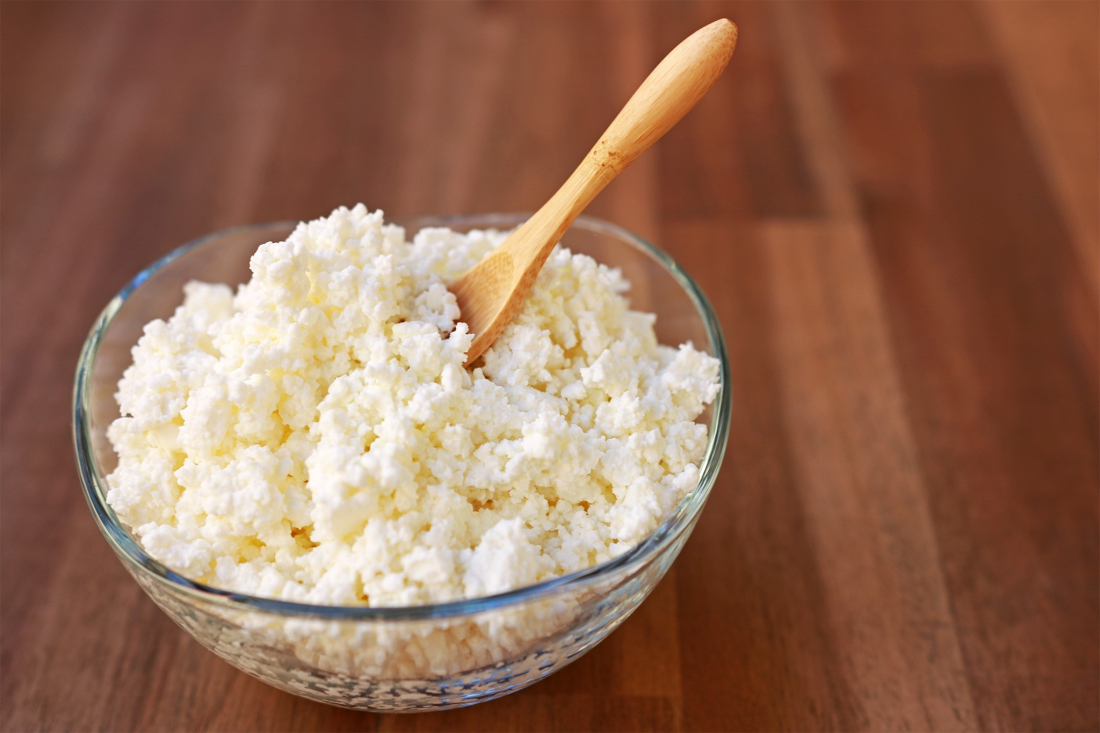
So how is cottage cheese actually made, or a little lesson in technology
To explain how curd is made, it should be pointed out that there are two subgroups of curd. In the first group, we find curds produced using only pure dairy cultures. These are typically represented by 'hard curds'. The second subgroup is represented by soft curds with varying fat content. These subgroups differ slightly in their method of preparation.
The first group uses lactic acid produced by lactic acid bacteria to coagulate the milk protein. These are homofermentative or heterofermentative streptococci. It is therefore a familiar and often referred to fermentation (unfortunately often referred to by people who have absolutely no idea what it is about ?). Using this fermentation-prepared lactic acid, the milk protein is precipitated. To make hard curd, the milk is heated to a temperature of 22-28 °C, a mixture of dairy micro-organisms (called cream starter) is added and the milk is left to ferment for 16-18 hours. The curd is slowly stirred and heated to a temperature of 35-38 °C. The aim is to firm the curd and separate the whey.
Note how low temperatures are used in the curd preparation. The milk is not heated above 72 °C at any stage of the preparation. This preserves the specific enzyme content.
The curd thus prepared has a uniform, cohesive and firm consistency, a pure white colour, and a slightly sour taste and aroma.
The second subgroup of curds is the more familiar and more widely used in the fitness community: soft curds with varying fat content. The production process is similar to the previous group, but the curdling process also partly uses rennet enzymes.
Remark:Curdling is not a chemical process. It is solely the action of enzymes. Classically, chymosin is used for this purpose, more recently also pepsin. Yes, this is the exact enzyme you use to aid digestion. When milk protein precipitates, the milk protein is enzymatically broken down (what do you think hydrolysis is ?).
The curd thus obtained is pressed in what are called cheesecloths (which are cloth bags) a more modern process is centrifugation, where on one side you get the liquid part (whey) and on the other side you get the curd (dry matter around 20%). And here we come to one negative. On our market, it is possible to buy mainly curds with a longer shelf life. This is achieved by subsequent thermisation of the curd, which unfortunately leads to the destruction of the desired microflora, thereby reducing the beneficial effect on the gut microbiome that the curd definitely has.
Note: It is also possible to purchase curds with added probiotic cultures. These then combine the benefits of cottage cheese and yoghurt. From my point of view, these are true superfoods . The downside, however, is their higher price.
From the above, it is clear that cottage cheese is a very valuable food which, when properly prepared and combined with other food ingredients, becomes a very healthy food.
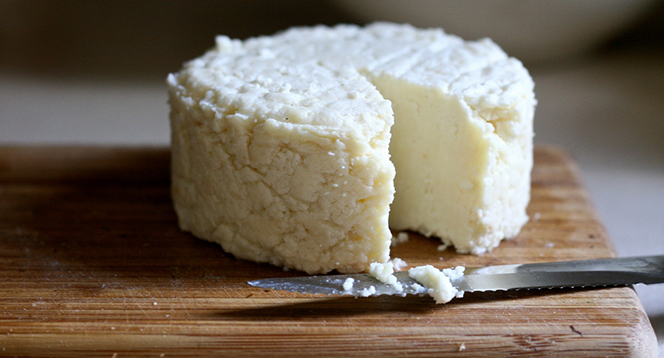
We have now had a lengthy introduction, but one which I considered important. It should be clear to you by now that the view of cottage cheese is very distorted. And just for the sake of interest, let's mention a few of the sometimes ridiculous myths that the internet has to offer.
So what is myth and what is truth?
Myth: Cottage cheese is a source of hard-to-digest calcium caseinate.
This is either a misunderstanding or simple ignorance. The casein in cottage cheese is in the form of micelles. There are ions bound to the surface of these micelles, and it is these ions, mostly calcium ions, which protect the inner hydrophobic content (perhaps this is why some believe that there is calcium caseinate in cottage cheese). But calcium caseinate is only formed when casein is neutralized by calcium hydroxide. It is clear from the text above that cottage cheese is a purely natural product and neutralisation is not used. Neither sodium nor calcium hydroxide is used in any fresh milk product. Thus, no caseinates are formed.
Myth: All biological fractions are destroyed in the production of cottage cheese.
This myth is likely to be a continuation of the previous myth. Again, this is just ignorance. The structure of the original raw material is disturbed in the production of caseinates by chemical agents in the preparation of caseinates, not in the production of curd. As we explained above, these chemical reagents are not used in the manufacture of curd.
Myth: Cottage cheese is difficult to digest.
This myth probably arose because "internet experts" equated the words slow and difficult. But the opposite is true. Cottage cheese is very easy to digest (leaving aside those of you with milk protein allergies) and thanks to the gradual release of amino acids made possible by its unique micellar structure, it also plays a major role in protein utilization. In addition, as we have indicated above, the proteins of cottage cheese are partially unsplit by enzymes (for the record: Olomoucké tvarůžky, which is also made from cottage cheese, is the first in terms of digestibility), which again improves digestibility. Thanks to its excellent digestibility and the fact that it has a positive effect on the digestive tract, it will find a place in a sparing diet for diseases of the gallbladder, intestines and liver.
And now some facts about cottage cheese
Fact: Cottage cheese has a positive effect on the gut microbiome.
Yes. Cottage cheese acidifies the contents of the intestines and thus destroys the putrefactive microbes that form carcinogens. In addition, the production of hard cottage cheese does not involve thermalization and thus preserves the beneficial microflora, which has a very positive effect on gut health.
Fact: Cottage cheese is a source of minerals and vitamins.
Calcium comes to mind for most of you. Yes, cottage cheese is a source of calcium. But we must not forget that it is also a source of potassium and the often deficient vitamin B2-riboflavin. Minerals are very well absorbed from cottage cheese thanks to the milk sugar (lactose), which is converted into lactic acid. This increases calcium absorption by acidifying the intestinal contents and by forming more easily digestible mineral compounds, such as calcium lactate. These compounds ensure very good mineral absorption.
Fact: Cottage cheese is an extremely versatile food.
Cottage cheese is perfectly suited to both cold and hot cuisine - it does not lose its excellent nutritional values even with heat treatment. It is very versatile - cottage cheese will give you a fluffy taste in your dessert even without added fat. In savoury cuisine, it can be used in salads to replace fatty Balkan cheese. And homemade bread with cottage cheese spread is simply a classic that will reliably drive away cravings for various CHEAT MEALS.
What to say in conclusion? Perhaps only that after reading the article you will surely understand that if some "specialist" on the Internet claims that cottage cheese burdens digestion and in a few days you will see photos from his CHEAT DAY on his profile, it is quite obvious that his knowledge about nutrition will not be great. If you learn to use quality foods, which definitely includes cottage cheese, you won't need any CHEAT DAYS. Your body will be supplied with quality nutrients, and you will still enjoy yourself. Remember that the basis of any well-set nutrition plan is all about variety and enjoyment. So if you like cottage cheese, have it. It is a traditional and valuable food. If you don't like it, it's certainly okay if you avoid it.
And if you have no idea how to use cottage cheese, you can take inspiration from one of our recipes.
AVOCADO AND COTTAGE CHEESE SPREAD
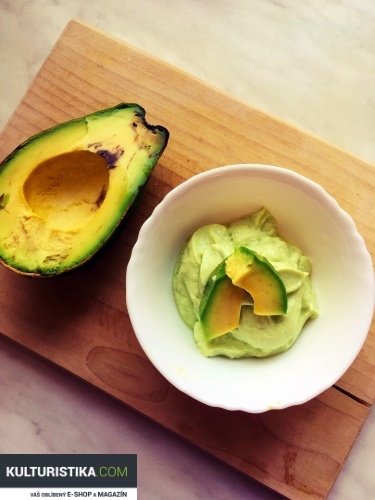
- 100g soft cottage cheese
- 1/2 avocado
- garlic clove
- your favourite spices (salt, pepper, chilli, herbs)
Cottage cheese is a wonderful ingredient for making light spreads in countless variations. For example, try this simple avocado one! Mash the avocado with a fork, press in a garlic clove, add yogurt and your favourite spices.
Other savoury variations where cottage cheese goes great include baked potatoes with cottage cheese, stuffed pancakes both sweet and savoury. It can be used to make dips and even a kind of 'parody pastry'.
When it comes to sweet recipes, cottage cheese is the perfect ingredient for creating healthy desserts! Cheesecake, cottage cheese dumplings with fruit, ice cream, or simply the classic that never fails - cottage cheese with fruit (banana is ideal) and nuts.
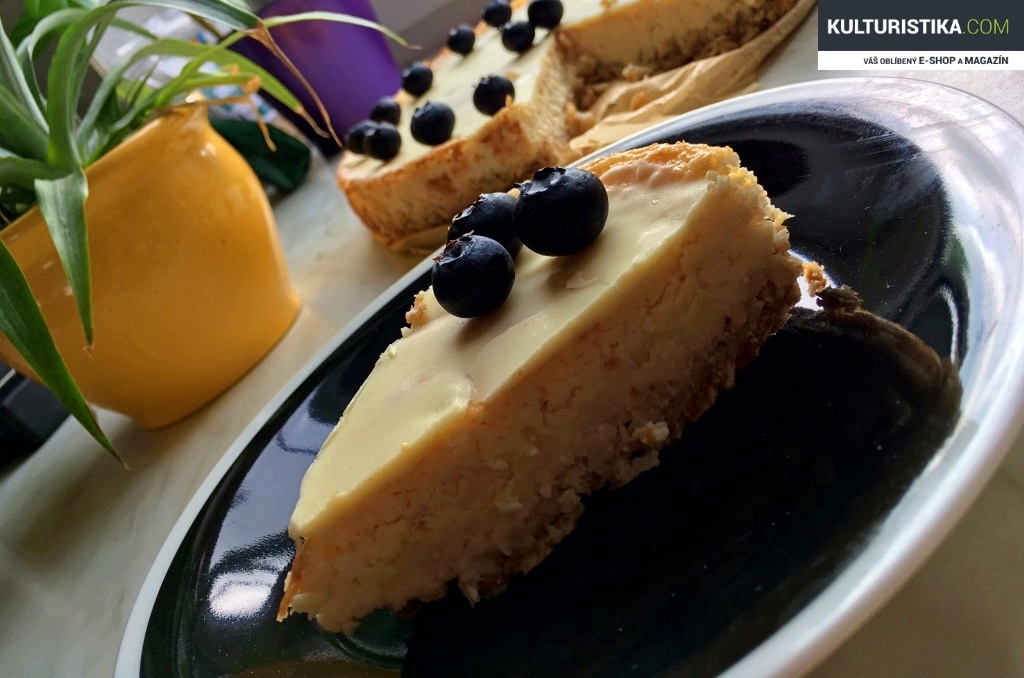
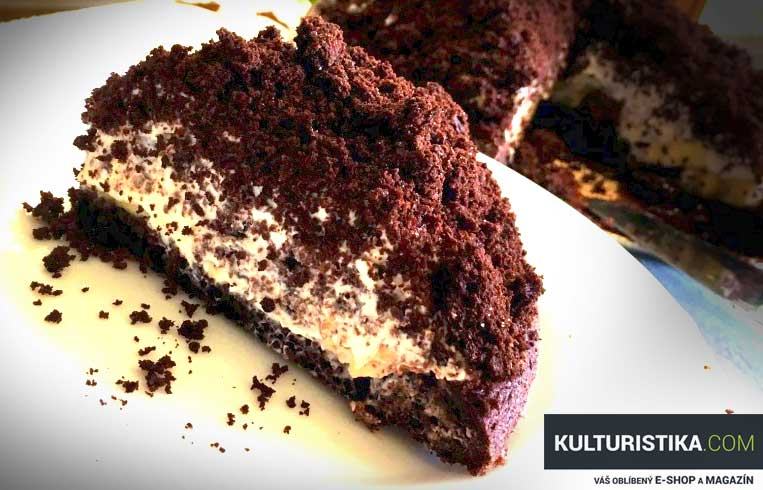
COCONUT CHEESECAKE WITH WHITE CHOCOLATE
CHEESECAKE DUMPLINGS WITH FRUIT
- 150g cottage cheese
- 1 egg
- 70g ground oats
- Vanilla sweetener
- Favourite fruit (strawberries/raspberries/apricots/blueberries)
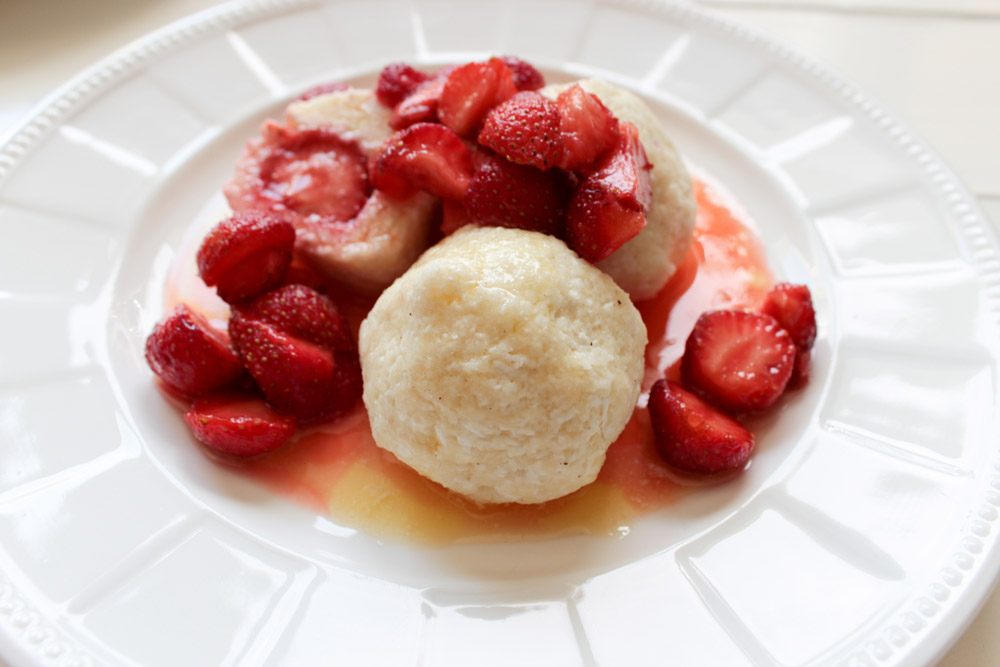
Mix all ingredients together. This will make a sticky dough and using wet hands, form about 5 patties and place the fruit in the centre. Then shape into a dumpling. Cook the dumplings for 3 minutes in boiling water until they float. Serve with fruit, yoghurt, and some topping (like these from bodylab)
Sources:
1.Kadlec P., et al.: Technologie potravin II., VŠCHT Praha, 2002, 236
2.Březina P., Jelínek J., Chemistry and Technology of Milk, Part I, Prague, 1990, 1 - 167
3.Březina P., Jelínek J., Chemistry and Technology of Milk, Part II, Prague, 1990, 167 - 325
4.HYLMAR B., HAVLOVÁ J., ERBAN V., Concentrates of pure dairy culturesproduction, control, use, Prague 1989, Research Institute of Food Industry, 186s., ISBN 80-85120-06
5.HRABĚ J., BUŇKA F., HOZA I., BŘEZINA P., Technology of production of food of animal origin, Zlín UTB, 2007, ISBN: 978-80-7318-521-3
No posts have been made yet.








