





Collagen vs. gelatin - benefits, differences, uses
 Author:
 Collagen and gelatin have been among the hottest supplements in the beauty and health industry over the past few years. Not only do both ingredients boast a long list of health benefits, but each can also be used in a variety of recipes, from soups to sweets to supplements. However, although both raw materials share many common characteristics and features, many people are stumped as to what actually differentiates collagen from gelatin and which raw material is ultimately the better choice. Let's talk today about what the difference between collagen and gelatin actually is and whether there is actually a "preferable option".
Article content:
- A theoretical window, what are collagen and gelatine?
- Common health benefits of collagen and gelatin
- Where to get collagen and gelatine?
- Risks and side effects
Theoretical window, what are collagen and gelatine?
Collagen is one of the most important proteins in the mammalian body - it makes up about one-third of all proteins. It is found in connective tissues, skin, muscles, tendons, joints and even bones. So, logically, the moment we don't produce enough of it, our health can be seriously compromised in various ways. In the body, collagen goes through a series of processes that break down long-chain proteins into their original amino acids, which are then absorbed and used for collagen synthesis throughout the body. The best source of collagen ever is those bits of cartilaginous meat that we prefer to throw away today.
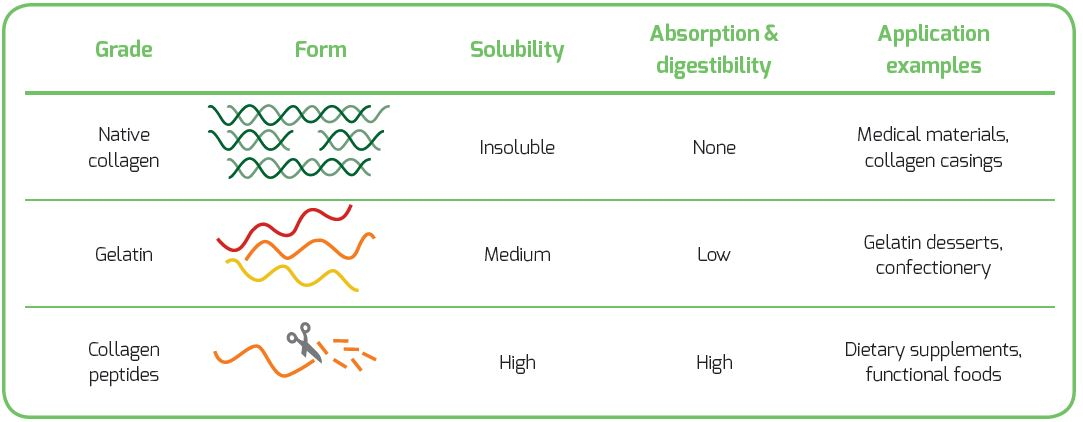
Source : https://peptan.com/learn-more-about-the-history-of-porcine-collagen/
Gelatin is a form of denatured collagen, which means it is essentially a part of collagen that has been broken down. It is created by boiling collagen-rich tissues in hot water. A plate of raw cartilage probably isn't something we'd happily have for lunch, but when you say broth or gelatin gummy bears, it immediately sounds more favorable.
We may also come across the term hydrolyzed collagen, which is a commonly used ingredient in pharmaceuticals, foods and supplements around the world and is recognized by the FDA as a perfectly safe substance to consume. It is obtained by the enzymatic hydrolysis of gelatin (or collagen), which means that the protein is further broken down into simpler particles at higher temperatures and in the presence of protease enzymes.

Collagen and gelatine are very similar substances and share many properties because they contain the same amino acids. Therefore, there are not many differences between gelatin and hydrolysed collagen. These include the fact that gelatine dissolves only in hot water, whereas hydrolysed collagen can be dissolved in cold water. When mixed with water, gelatine forms a gel-like substance, whereas collagen does not. This means that gelatine can have a more practical use in cooking - for example, it can be used to make a variety of succulents, sweets or possibly as a thickening agent for sauces. Their bioavailability and digestibility are also similar.
Common health benefits of collagen and gelatin
Although there are several differences between collagen peptides and gelatin, both substances share several important health benefits. So how do gelatin or collagen actually benefit health?
Prevention and treatment of joint pain
Joint pain and inflammation are two of the main symptoms that appear when collagen production begins to decline. However, research confirms that supplementation with collagen or gelatin can reduce joint pain, improve mobility and reduce the risk of joint and joint cartilage damage. And not only that! Collagen also provides relief to those suffering from rheumatoid arthritis, a type of autoimmune disorder characterized by pain and swelling in the joints.
Gelatin and collagen for strong bones
Both substances contain many nutrients needed to support bone health. In particular, copper, which is associated with many bone health benefits, is an important mineral contained in both substances. Other research also suggests that collagen hydrolysate could be very beneficial for treating problems such as osteoarthritis and osteoporosis. For example, this study showed that daily supplementation can reduce pain in patients with osteoarthritis of the knee or hip and can also block the breakdown of bone collagen to promote bone health. At the same time, it is also true that the bone health benefits of collagen and gelatin can be enhanced when taken together with vitamin D.

Key nourishing ingredients for radiant skin and a youthful appearance
Since collagen plays a central role in skin health, increasing its intake through supplementation can help reverse the signs of aging and provide skin with elasticity, freshness and a youthful appearance. Unlike various chemical preparations, supplementation with collagen peptides appears to be a very effective way to improve skin elasticity and moisture, and most importantly - without unwanted side effects. There are even studies that confirm that the use of a collagen supplement is a promising fighter against the signs of aging, can reduce the visibility of wrinkles and give firmness to the skin. At the same time, collagen and gelatin are also confirmed to speed up the wound healing process.

They support the health and proper function of the intestines
New research suggests that collagen and gelatin can help treat leaky gut syndrome, a condition in which toxins and particles move from the digestive tract into the bloodstream and trigger widespread inflammation throughout the body. Not only can gelatin and collagen reduce gut inflammation, but they can also strengthen the barrier of the digestive tract, helping to optimize gut health and proper function.
Collagen and gelatin also have a positive effect on fat metabolism. They help to reduce the body's fat content, regulate serum levels of total cholesterol, triacylglycerides and low-density lipoprotein. They also help restore the mucosal layer in the intestines. To make matters worse, they regulate glucose metabolism, giving both substances potential antidiabetic properties. However, more extensive studies are needed to confirm this and to describe in sufficient detail how gelatin and collagens work in this respect.
Keep in mind, however, that one of the key differences between gelatin and collagen is in digestibility. Gelatin and hydrolyzed collagen have a low molecular weight and can be more easily absorbed by the body, which is an advantage if you have any digestive issues. Regular collagen, on the other hand, is a little more difficult to process, which can be a problem for individuals with more sensitive digestion.
Great satiating effect
Nutritionally, gelatin and collagen are very similar, especially when it comes to protein content. In fact, both substances are composed mostly of protein, and each dose contains a number of essential amino acids. Adequate protein intake is important for many aspects of health - from building muscle and bone strength, to regulating hunger and maintaining a healthy weight. In addition to promoting satiety and reducing overall caloric intake, studies also show that adequate dietary protein intake can help reduce levels of ghrelin, the hormone responsible for stimulating feelings of hunger. Of course, not all sources of gelatine are entirely appropriate in this regard - a bag of gummy bears, for example, will give your body a huge dose of sugar, which is not ideal for maintaining a healthy weight.

Where do I get my collagen and gelatin?
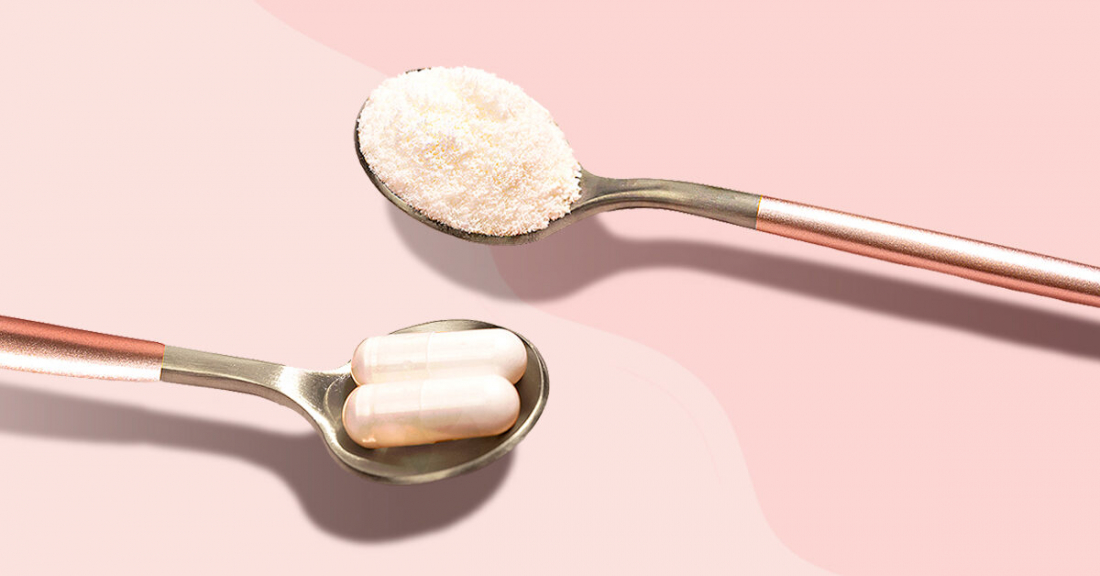
Both gelatin and collagen are widely available in supplement form and are highly versatile. You can easily add hydrolyzed gelatin powder or collagen peptides to drinks, smoothies, soups and stews. This will take your meals and drinks to the next level and add many extra health benefits.
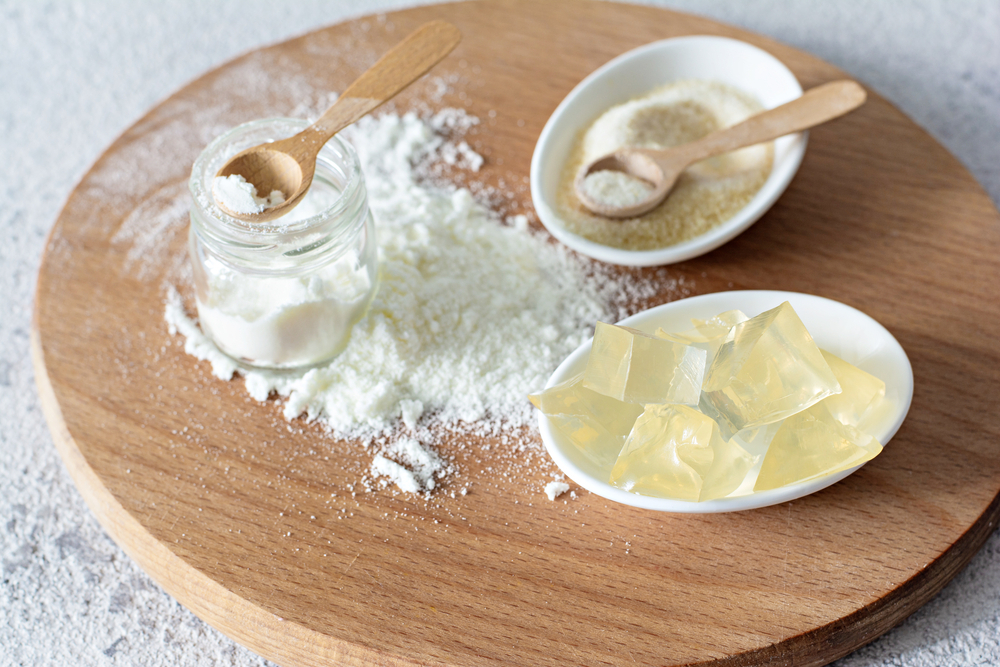
Gelatin is a great kitchen helper and can be purchased in the form of slices or powder. Be sure to soak gelatine in cold water for a few minutes before using it in recipes such as various cakes, jellies, candies, soups and sauces. This will make it swell, dissolve more easily when heated and make it easier to work with. For collagen, you can easily obtain it at home by making an honest bone broth - ideally strained overnight.
Alternatively, of course, it is possible to reach for a supplement. Modern joint supplements contain high quality forms of collagens and are thus a very convenient way to support joint health, bone health, and of course not only that. The recommended dosage of both collagen and gelatin can vary quite a bit depending on the specific supplement and whether you choose to take collagen hydrolysate or gelatin. In general, it is recommended to stick to around 10-20 grams of collagen per dose.
Risks and side effects
With both collagen and gelatin, there are very few side effects to consider. For most healthy adults, both substances will be problem-free and can be a regular part of a healthy diet. However, if you suffer from any food allergies, it is important to check food labels carefully to make sure the products do not contain something that will make you unwell. In fact, collagen supplements can come from fish, shellfish, poultry or beef, so be careful if you have an allergy or intolerance to any of the ingredients mentioned.
Recommended
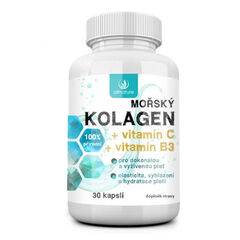
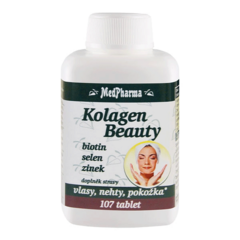
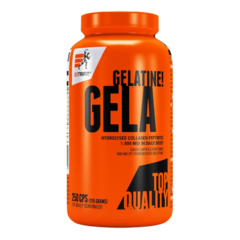
Extrifit Gela 1000
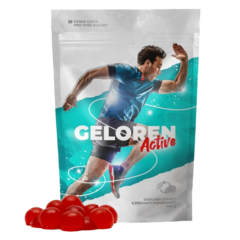
Geloren ACTIVE
Unflavoured collagen and gelatine are not great tasting and can leave an aftertaste in the mouth. In supplements, this is masked quite well by the use of flavourings or the processing. However, if you have one or the other in powder form at home, you can mask the unpleasant taste by adding it to drinks or smoothies and make it much more tolerable. The aftertaste is then no longer present in soups and other foods, as the collagens or gelatine blend with the flavour of the other ingredients.
What to take away from the article?
Collagen and gelatin have been very hot substances in beauty and overall health in recent years. Today, we're told that both substances are very similar, have virtually identical uses, and provide a variety of health benefits. For example, they are beneficial for joints, tendons and bones, promote gut health and proper function, are integral to a youthful and vital appearance, and can also be a useful aid in fat reduction. Gelatin is better suited for use in the kitchen, while collagens are found in most supplements used to support joint or skin health. Considering how similar the two substances are, there is actually no better option and both substances can be a regular part of a healthy diet.
Sources:
Moskowitz R. W. (2000). Role of collagen hydrolysate in bone and joint disease. Seminars in arthritis and rheumatism, 30(2), 87-99. https://doi.org/10.1053/sarh.2000.9622
Clark, K. L., Sebastianelli, W., Flechsenhar, K. R., Aukermann, D. F., Meza, F.., Millard, R. L., Deitch, J. R., Sherbondy, P. S., & Albert, A. (2008). 24-Week study on the use of collagen hydrolysate as a dietary supplement in athletes with activity-related joint pain. Current medical research and opinion, 24(5), 1485-1496. https://doi.org/10.1185/030079908x291967
Trentham, D. E., Dynesius-Trentham, R. A., Orav, E. J., Combitchi, D., Lorenzo, C., Sewell, K. L., Hafler, D. A., & Weiner, H. L. (1993). Effects of oral administration of type II collagen on rheumatoid arthritis. Science (New York, N.Y.), 261(5129), 1727-1730. https://doi.org/10.1126/science.8378772
Frasca, G., Cardile, V., Puglia, C., Bonina, C., & Bonina, F. (2012). Gelatin tannate reduces the proinflammatory effects of lipopolysaccharide in human intestinal epithelial cells. Clinical and experimental gastroenterology, 5, 61-67. https://doi.org/10.2147/CEG.S28792
Camilleri M. (2019). Leaky gut: mechanisms, measurement and clinical implications in humans. Gut, 68(8), 1516-1526. https://doi.org/10.1136/gutjnl-2019-318427
Chen, Q., Chen, O., Martins, I. M., Hou, H., Zhao, X., Blumberg, J. B., & Li, B. (2017). Collagen peptides ameliorate intestinal epithelial barrier dysfunction in immunostimulatory Caco-2 cell monolayers via enhancing tight junctions. Food & function, 8(3), 1144-1151.
Proksch, E., Segger, D., Degwert, J., Schunck, M., Zague, V., & Oesser, S. (2014). Oral supplementation of specific collagen peptides has beneficial effects on human skin physiology: a double-blind, placebo-controlled study. Skin pharmacology and physiology, 27(1), 47-55.
Weigle, D. S., Breen, P. A., Matthys, C. C., Callahan, H. S., Meeuws, K. E., Burden, V. R., & Purnell, J. Q. (2005). A high-protein diet induces sustained reductions in appetite, ad libitum caloric intake, and body weight despite compensatory changes in diurnal plasma leptin and ghrelin concentrations. The American journal of clinical nutrition, 82(1), 41-48. https://doi.org/10.1093/ajcn.82.1.41
Blom, W. A., Lluch, A., Stafleu, A., Vinoy, S., Holst, J. J., Schaafsma, G., & Hendriks, H. F. (2006). Effect of a high-protein breakfast on the postprandial ghrelin response.The American journal of clinical nutrition, 83(2), 211-220. https://doi.org/10.1093/ajcn/83.2.211
Qu, X., He, Z., Qiao, H., Zhai, Z., Mao, Z., Yu, Z., & Dai, K. (2018). Serum copper levels are associated with bone mineral density and total fracture. Journal of orthopaedic translation, 14, 34-44. https://doi.org/10.1016/j.jot.2018.05.001
No posts have been made yet.








