





Cholesterol in your diet may play no role at all!
 Author: Šárka Randáčková
 It seems that a disproportionate amount of the approximately 5 million terabytes of information on the internet is devoted to advice on how to lower cholesterol. Most of this advice also seems to consist of a debate about whether it's okay to eat eggs, shrimp, or other high-cholesterol foods; whether they are "safe"; or whether they will cause your arteries to clog as tightly as the toilet when your four-year-old nephew tried to flush a large potato.
I'll try to shine some light through the murky sea of terabytes and say that the amount of cholesterol in the food you eat probably doesn't matter at all.
Regularly attend Tuesday night "Shrimp Party" events at your local seafood restaurant. It probably won't make any difference. Crack eggs like you're in jail and your cellmates, to relieve the boredom, bet you a carton of cigarettes that you can't eat fifty of them straight. It probably won't matter anyway.
Neither situation would probably matter much, because your body makes its own cholesterol, basically no matter what. That's an oversimplification, but eat a lot of cholesterol and it will make less. If you eat less cholesterol, it will make more. Sure, food matters in determining cholesterol levels, but it has little to do with the actual amount of cholesterol in the food.
Cholesterol levels are related to several other factors:
- The amount and type of carbohydrates in a given meal.
- The amount of saturated fat combined with the cholesterol intake.
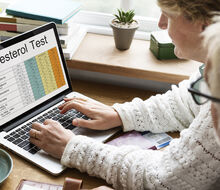
Carbohydrates and cholesterol
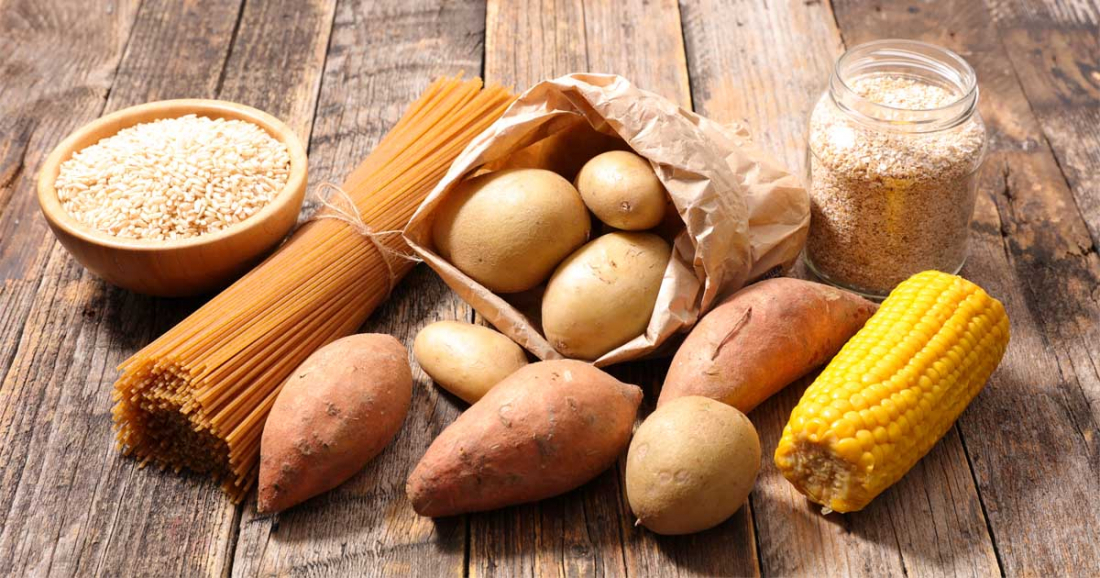
If someone eats a lot of simple carbohydrates on a regular basis, they often develop insulin resistance, which leads to elevated blood sugar levels. Along with this, the rate of fat breakdown also increases. This leads to increased levels of blood fats or triglycerides. You will also find a decrease in good cholesterol (HDL) and an increase in bad cholesterol (LDL).
This triumvirate of cardiac terror - high triglycerides, low HDL and high LDL - is thought to play a large role in the build-up of plaque in the arteries. When there's too much plaque, you get the aforementioned Idaho toilet-potato effect, your chest tightens, and you start hearing your grandmother calling to you from beyond the grave to come home.

But you don't necessarily have to be insulin resistant for carbohydrates to negatively affect cholesterol levels. All you have to do is be a carbohydrate addict and have more than 60% of your daily calories coming from carbohydrates (especially heavily processed carbohydrates) and your liver gets the perfume-scented message to start making more cholesterol.
Saturated fat and cholesterol
Here's where I may seem to be contradicting myself a bit. You know how I said that cholesterol in food doesn't matter? Well, it matters if you eat a lot of cholesterol combined with a lot of saturated fat.
Let's say you like to eat steak. Most red meat usually contains a lot of saturated fat and a significant amount of cholesterol, so when you eat it regularly, you usually see an increase in LDL cholesterol.
The good news is that steak with saturated fat also raises HDL cholesterol, so your ratio of total cholesterol to HDL (a supposed indicator of cardiovascular disease) doesn't change.
So, in general, high-cholesterol foods that don't contain much saturated fat, like eggs and shrimp, won't affect LDL cholesterol levels, but foods high in cholesterol and saturated fat, like steak and other cuts of red meat, will.
However, as noted, red meat should not affect your long-term cardiovascular health because it does not appear to affect the LDL/HDL ratio. So the question is, should you eat steaks, hamburgers, and the like with impunity?
The research is sometimes confusing. A 1991 study funded by the U.S. Surgeon General found that if Americans reduced their saturated fat intake, they could delay 42,000 deaths a year by an average of two weeks.
That's not as bad as it sounds, because "average" means that some people could extend their lives by several years, while others could extend their lives just enough to microwave their Hot Pockets.
But even so, life extension probably has little to do with cholesterol itself.
So what's causing the heart attacks?
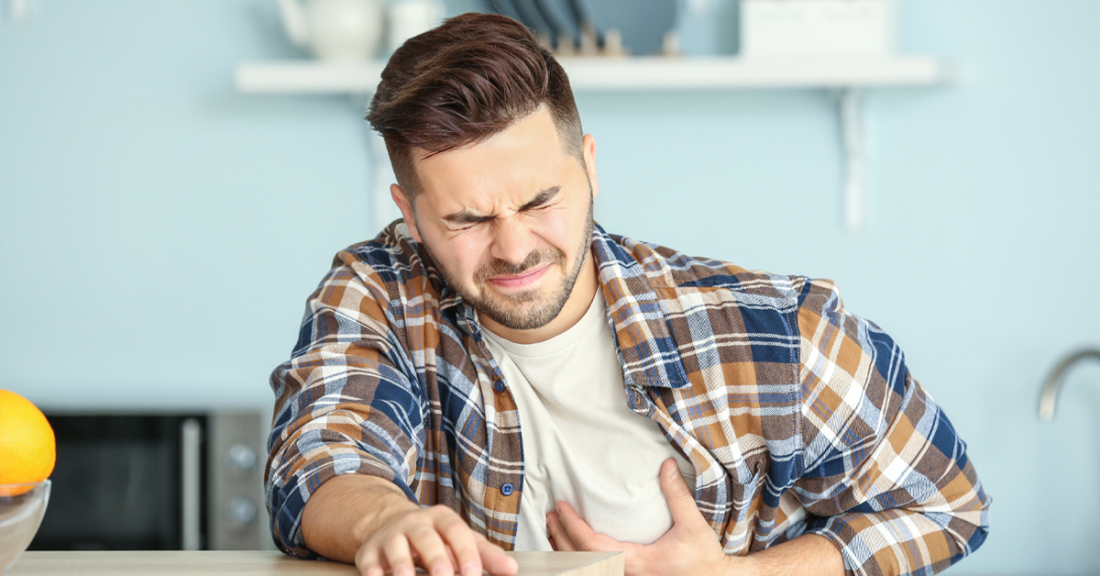
Doctors mostly disagree on what causes heart disease. Sure, there are some statistical probabilities that point to the wisdom of lowering blood pressure and cholesterol, but they mean nothing if you are among the roughly 50% of men or 63% of women who die of heart attacks without showing any symptoms or strong risk factors.
The only thing doctors and scientists seem to agree on when it comes to heart disease is that it is an inflammatory disease.
What is common to almost everyone who dies of a heart attack is a large collection of white blood cells known as macrophages. These macrophages gather around fat deposits and secrete enzymes that digest proteins.
The inside of blood vessels is, of course, made up of proteins, and in an effort to remove fatty deposits, blood vessels become jagged, thin and more prone to plaque formation or rupture.
What surprised the researchers, however, was that they found these macrophages even in supposedly healthy arteries. This suggested that the inflammation was systemic and not localized.
So, what do I do?
Obviously, the science of cholesterol is evolving, but in the meantime, there seems to be solid evidence to support the following:
- Avoid large amounts of carbohydrates, especially highly processed carbohydrates. Carbohydrates raise cholesterol and triglyceride levels while lowering HDL, but perhaps more importantly, the resulting insulin resistance leads to inflammation, which is definitely bad for the heart.
- Improve insulin sensitivity in general to keep inflammation low.
- Eating foods high in cholesterol but low in saturated fat, such as eggs and shrimp, doesn't seem to have a negative effect on your health.
- Meats high in saturated fat and cholesterol are probably fine to eat in moderation because they raise both HDL and LDL levels, thus not affecting the total cholesterol ratio - However, eating too much saturated fat on a regular basis leads to inflammation, which, as mentioned, the heart doesn't like.
- Replacing saturated fats with polyunsaturated fats (for example, in cooking) lowers LDL cholesterol and total cholesterol, so you get a better cholesterol ratio (LDL to HDL).
- Try to reduce inflammation in general. Support your body with enough anti-inflammatory omega-3 fatty acids. Consider taking baby aspirin if your doctor gives you permission. Add micellar curcumin to your list of dietary supplements. Get rid of stress. Walk naked in the wheat fields at dawn. Whatever it takes.
If by any chance...
Okay, now I'm gonna piss you off. It's possible that high cholesterol will one day turn out to be the demon it's been portrayed as. Maybe scientists will reconcile the apparent contradictions in the data.
Given that possibility, it's probably wise to be at least a little proactive on the cholesterol issue and do more than just accept the recommendations I made in the last piece.
Besides, I don't want to dismiss cholesterol numbers that are high, as high as the number of Spartans who withstood a million Persians during the Battle of Thermopylae.
Even though I follow/accept all the observations/recommendations I described in this article, along with exercise and dietary supplements I try like hell, my total cholesterol routinely averages around 220 mg/dl ("normal" is anything below 200). It's probably related to genetic factors, especially since I'm Finnish and Finns as a nation boast some of the highest cholesterol levels in the world.
Despite all the conflicting evidence about the consequences of "high" cholesterol, I still take it somewhat seriously. That's why I take one dose of psyllium before breakfast and another before dinner.
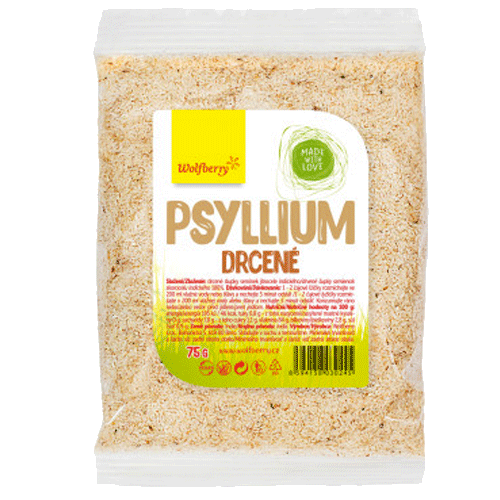
Psyllium removes bile from the body, causing the liver to make more bile using cholesterol available in the blood. This in turn lowers cholesterol levels. (If you don't physically remove the cholesterol, with kicking and screaming, it simply gets recycled). Psyllium works similarly to a group of drugs known as bile acid-binding resins, such as cholestyramine.
This strategy allowed me to lower my hereditarily high cholesterol back into the normal range. As the saying goes, better safe than sorry, or rather, better safe than dead.
You can purchase the aforementioned psyllium, as well as many other natural extracts, in our E-Shop.
Recommended
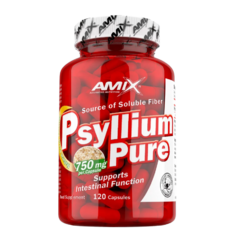
Amix Psyllium pure 1500mg
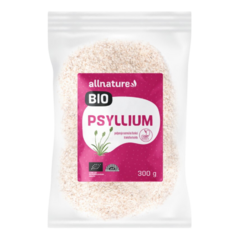
Allnature Psyllium BIO
Wolfberry Psyllium drcené
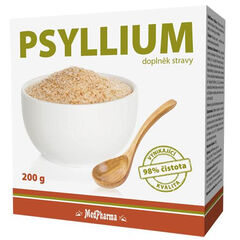
MedPharma Psyllium
Source: www.t-nation-com - The Cholesterol in Your Food Doesn't Matter
Author: TC Luoma
Translated by Jaromír Uhlíř
Author: Šárka Randáčková No posts have been made yet.








