





Can plant meat ever replace animal meat?
 Author:
 Until a few years ago, plant-based meat was more of an underground thing that could only be found in a few specialty stores. But that's a thing of the past and today supermarkets in every major city have a natural alternatives section. There you can find meatless sausages, (un)hamburger meat and many other interesting foods. But does plant-based meat ever have the potential to replace conventional meat? That's what we look at in our article today.
Is man a carnivore?
Recently, quite heated debates have arisen about what seemed obvious only a few years ago. Is man an evolutionary carnivore? Yes, he is. And there is no need to debate or doubt this at length. Despite many vegan myths, man has been consuming meat since time immemorial. Just look at the fact that all great apes consume meat (even if it's mostly just insects or larvae), and even our ancient ancestors consumed, for example, morels made from the bones of other animals.
Of course, we are sympathetic to anyone who decides to stop eating animal products for ethical reasons, but we are bothered by the bending of scientifically proven facts. While we will be discussing plant-based alternatives to meat in today's article, we certainly do not take any radical positions that contradict scientific claims or common sense.
What is plant-based meat anyway?
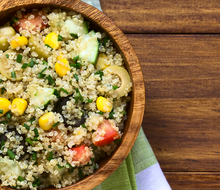
When most of you hear the term plant-based meat, you probably can't help but raise an eyebrow. And while it may indeed sound a little strange, there is actually a certain logic behind it. Vegetable meat is a mixture of purely plant-based ingredients that is intended to create a product whose texture, and supposedly taste, is quite close to meat. It is therefore, at least according to the manufacturers, a meat without meat. When we look at the composition of these products, we can very often find, for example, proteins from beans, peas, soya or quinoa, about which we have also published a detailed article on our website.
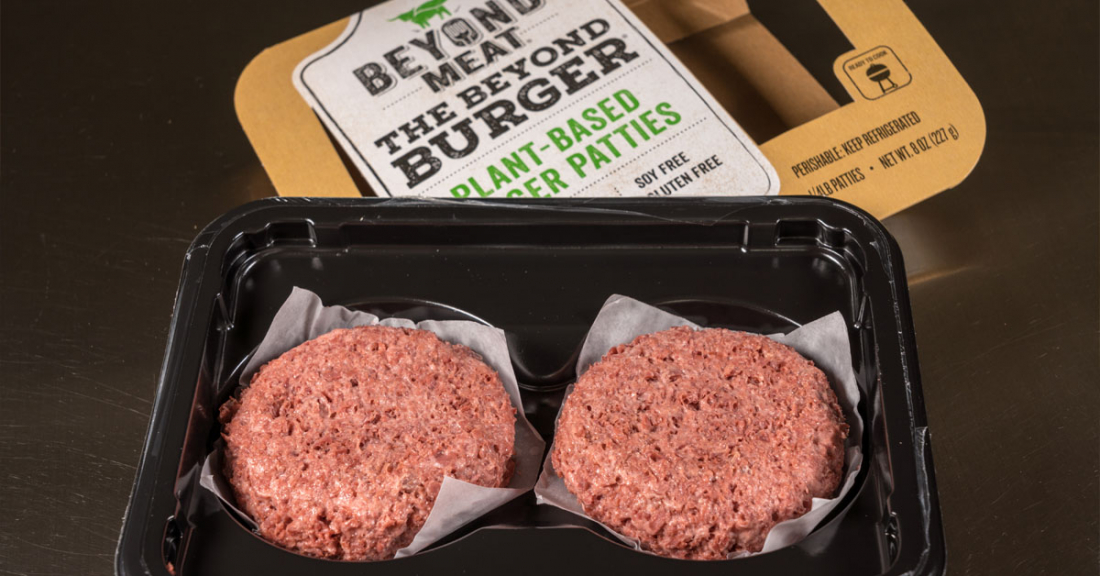
At first glance, the vegetable burger looks indistinguishable from classic meat.
Well, that's great, isn't it?
The idea of taking a plant-based protein source and simply using it to replace meat seems great, don't you think? And what really can't be denied with many plant-based alternatives is the full spectrum of amino acids created by properly combining multiple plant sources. But as you can guess, there's a catch. On its own, no plant protein could taste like meat.
So while the macronutrient value of meat and "non-meat" may be nearly identical, while conventional meat consists of just meat, plant-based alternatives may contain a list of different additives that improve its texture, consistency, color, and other aspects to make it as close to a piece of real meat as possible. And by this we also allude to the fact that plant-based meats often have some higher degree of industrial processing that can negatively impact the micronutrient profile - while macros may fit the bill, there can be significant differences between options in terms of vitamin, mineral and trace element content.
A brief look into the composition of a vegan burger
Taking a look at the official website of, for example, Beyond Burger, which was one of the first products of its kind in our country, we can read that it contains the following list of ingredients:
Water, pea protein, pressed rapeseed oil, refined coconut oil, natural flavouring, contains less than 2% of the following ingredients: bamboo fibre, methyl cellulose, potato starch, maltodextrin, yeast extract, salt, sunflower oil, vegetable glycerin, dried yeast, gum arabic, ascorbic acid, beetroot juice, modified starch, acetic acid, apple extract, lemon juice concentrate.
And we can hardly fault such a composition. The peas are a very good choice for the proportions of vegetable protein sources (although they should ideally be present in a product with another protein source), the oils used are also well chosen and none of the ingredients cause any major controversy (although they are, of course, stabilisers or flavourings). But. We are still talking about the fact that, unlike the single-ingredient animal meat, the vegetable meat contains 21 different substances to be at least a little closer to what we are used to.
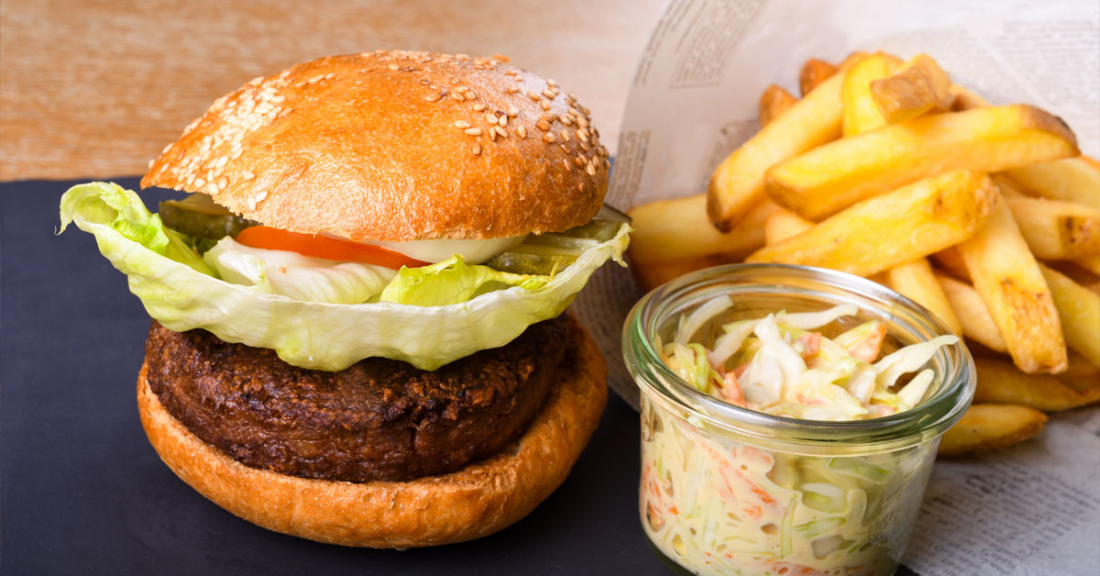
While you may not be able to tell the difference at first glance, it's immediately obvious to you after you taste it.
A brief look into the caloric values of a vegan burger
Now that you know that a veggie burger (logically) contains significantly more ingredients than a regular burger made with ground meat and at most some spices, it's a good idea to look at how this translates into calories and individual macronutrients. We can draw on our popular Calorie Tables, which provide reliable insight into the nutritional side of frequently consumed foods.
One hundred grams of Beyond Burger contains 266 kcal according to the available data, which is made up of 22% protein, 7% carbohydrates and 18% fat. In contrast, minced beef, which only needs to be salted and lightly seasoned, contains an average of 221 kcal made up of 17% fat and 17% protein. Carbohydrates are found in only minimal quantities. Even though Beyond Burger is thus close to classic animal meat in its macronutrients, it is still not the same.
How does plant-based meat taste?
It is the taste that is often the most feared aspect of vegetable meat, and many people doubt very much that it could actually taste like meat. And rightly so. While the consistency and texture of meat in its raw and roasted state is surprisingly similar to meat, there is still a noticeable difference in terms of taste. Vegetable meat tastes sort of vegetal, whereas animal meat does not. But that certainly doesn't mean that vegetable meat is bad. On the contrary! It tastes suspiciously good and, for example, in the case of the burger we have reviewed, you will actually enjoy it - perhaps in a bun with vegetables and some good dressing. But if you're expecting meat, you might be slightly disappointed.
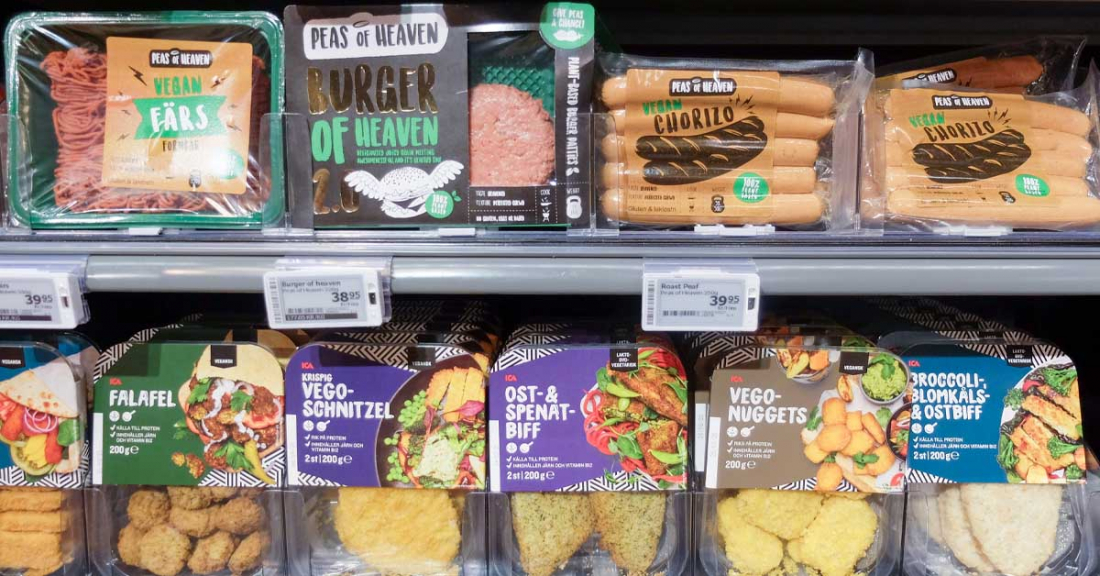
Nowadays, you can easily find vegan steaks or sausages in addition to burgers.
Does plant meat have the potential to replace animal meat?
It is almost impossible to predict what the future of the diet will be, and therefore it is impossible to say for sure whether plant meat could one day replace animal meat. However, in today's optics, plant meat has a slightly poorer composition, more calories (which is not a problem if you factor it into your calorie intake) and a rather different taste. But don't necessarily see plant meat as a replacement for animal meat, try to look at it more as a complement.
It is, after all, a rather interesting product that can spice up your diet from time to time. As well as other products that may ultimately have a lower degree of industrial processing than a whole bruger. Toasted tofu, tempeh or some of the vegetable protein sources mentioned in our separate article are certainly not bad choices .
Recommended
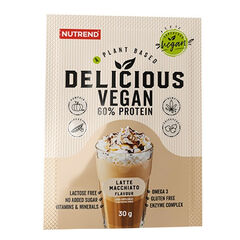
Nutrend Delicious Vegan protein
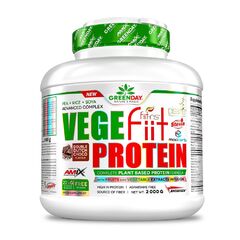
Amix Vegefiit Protein
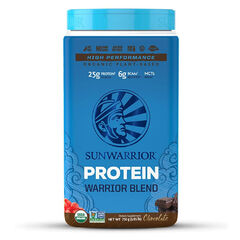
Sunwarrior Protein Blend Bio
No posts have been made yet.








