





Burn fat with the combination of coffee and cocoa!
 Author: Šárka Randáčková
 Does your morning coffee burn fat? It could!
Is there even a food that burns fat? Nutrition experts love to debate this. Coffee will come in handy here, too, and it'll keep you from falling asleep during those debates.
But we do know one thing:
Adding cocoa to coffee may be the closest we can get to a food that actually burns fat!
We already know that cocoa boosts coffee's ability to kick concentration. And now it seems it can help with fat burning, too. And that's just the beginning for the wonderful effects of cocoa.
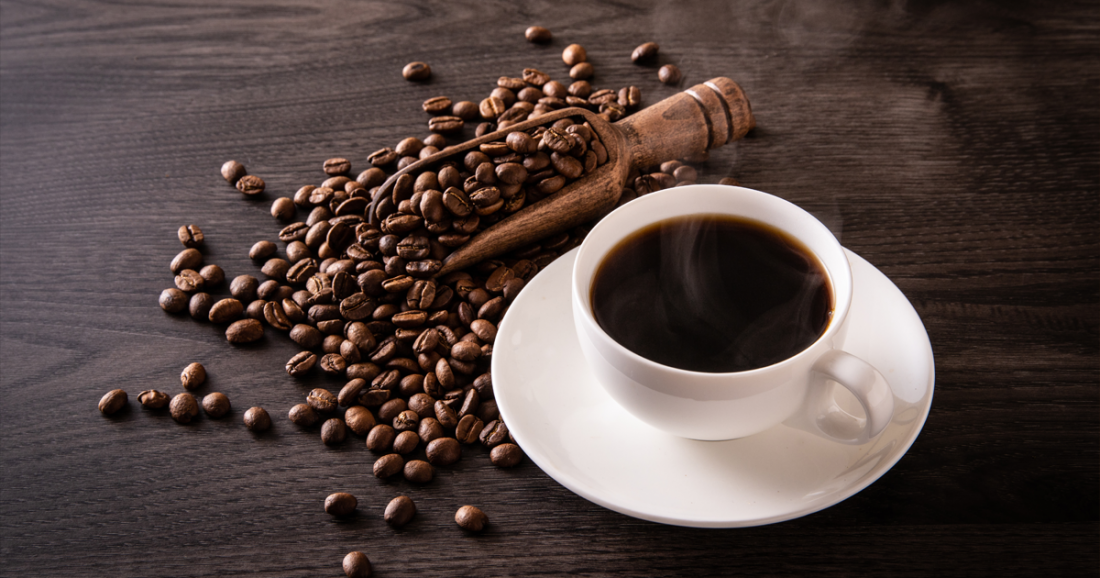
All the good qualities of coffee, none of the bad.
In 2017, researchers conducted a range of cognitive tests, looking at motivation, mood, attention and error rates. People who added cocoa to their coffee were less stressed and performed better on the tests compared to those who used just coffee or a placebo.
The researchers' theory is that theobromine and polyphenols bound to adenosine or benzodiazepane receptors, reducing feelings of anxiety.
The conclusion was that the combination of fatigue and anxiety suppressants was best for attention. However, they added that the full effects could only be achieved after 30 days of cocoa supplementation, probably due to receptor regulation.
So it's a mystery to me why more people don't do it. It would be good advertising for Starbucks too, for example, such a brain function kicker on their menu.
It's possible that people don't care about creativity. Maybe they like anxiety or find the idea of chocolate flavor in their coffee revolting. But burning fat with cocoa might put them on the right track.
Chocolate burns fat? What about donuts?
To be clear, the two studies I linked to used raw cacao (in the form of chocolate) but did not add it to coffee. I do, however, recommend it as a way to kill two biochemical birds with one stone.
Back to the studies. The first (Garcia-Yu, et al., 2020) found that a daily dose of chocolate (10g of cocoa-rich chocolate) reduced fat levels in a group of women when given for 6 months. Moreover, no associated factors such as training or diet were confounded. The only difference between the groups was the 10g of chocolate per day.
It should be added that all of the women tested were menopausal, but there is no reason to believe that cocoa would have worked differently on younger women (or men).
The second study (Presler and Webster, 2021) used 18 younger (18-30) trained women. Subjects were given 20g of chocolate (70% cocoa) or a calorie-matched serving of white chocolate (no cocoa) each day for a total of 30 days.
Prior to this adventure, each of the women underwent a thorough calorimetric assessment examining resting and training energy expenditure. This involved 20 minutes of resting cycling, 10 minutes of sprint cycling and 10 minutes of cycling.
After 30 days, they repeated the tests and the women had a 9.6% higher resting energy expenditure after eating dark chocolate.
These results call for further investigation into the effect of chocolate on body composition. Even without this, however, the evidence for the positive effects of cocoa is promising.

More superpowers of cocoa
Maybe mental performance and weight loss aren't enough reasons for you to start putting cocoa in your coffee. I, however, have more.
Consuming cocoa powder in the form of chocolate bars has been found by various studies to be beneficial for increased testosterone levels, led to firm erections, improved digestive health, and mild myostatin inhibition even led to improved muscle growth.
Recommended
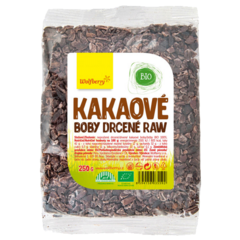
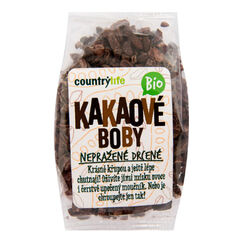
There's no cocoa like cocoa
This is crucial. Cocoa that has been processed using the so-called Dutch process should be avoided. Although it sounds innocent, as if pretty Dutch women were treading on cocoa in their clogs, the cocoa beans are actually treated alkaline in the process.
This gives the cocoa a darker colour, reduces bitterness and makes it easier to blend, but it also greatly reduces its flavanol content and antioxidant properties. Finding such cocoa will not be easy, but it will be worth it.
Anything manufacturers do to cocoa, from fermentation to further processing, reduces its phytochemical content. And it doesn't stop there. Once you mix cocoa at home with baking soda to make a cake for grandma, you are again depriving cocoa of its beneficial chemical properties.
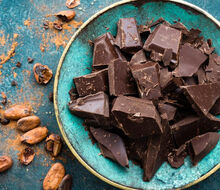
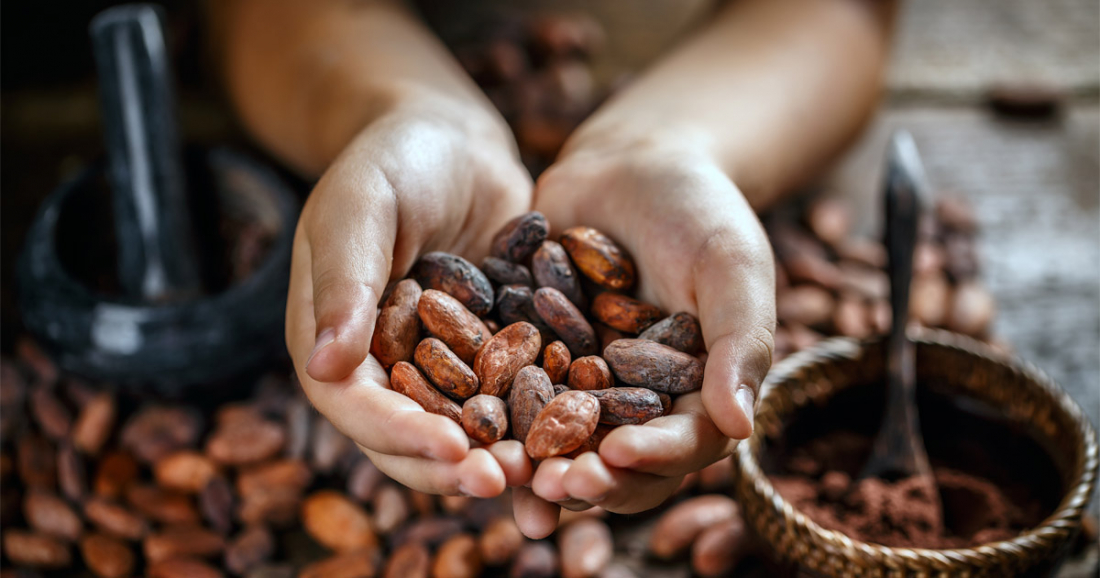
So we have to choose the least processed form of cocoa that can still be considered food. You can't use raw beans at all, because they're simply disgusting. We have to wait until they are at least fermented, dried and cold-pressed.
So go for raw cocoa, which retains its virgin qualities. The product should not be roasted at high temperatures, and certainly not subjected to Dutch processing.
Chocolate experts can argue endlessly about what form of cocoa is best, but you may not be so interested in this. In short, try to find the least chemically processed product possible.
How to use cocoa
- I recommend adding 2-3g (about one teaspoon) to your coffee. It contains some fat, so it should mix well.
- It also tastes good in a protein shake, yogurt, cereal milk, or anything else you may want to jazz up.
- You can also buy cocoa as a powdered supplement or in the form of bars that are flavoured with it.
Source: www.t-nation.com - Cacao Spiked Coffee:
A Real Fat Burning Food?
Author.
Author: Šárka Randáčková No posts have been made yet.








