




Ashwagandha - an adaptogenic herb that offers a decent list of benefits!
 Author:
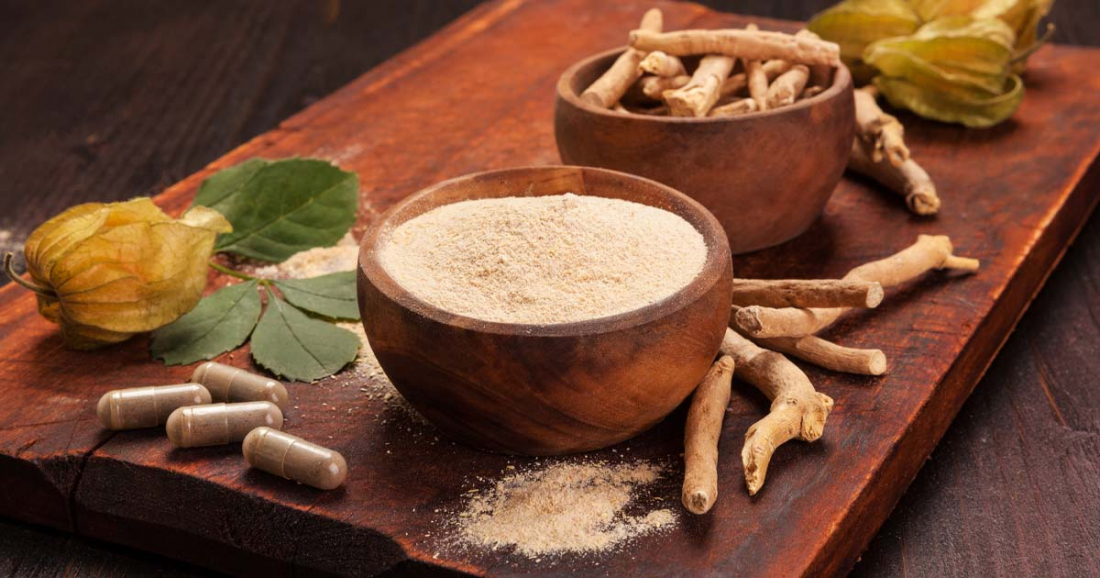
Don't worry, today's article is not a lesson in magic incantations, even though the title may make it seem that way. Ashwagandha (in Czech this word reads "ashvaganda"), or Indian ginseng, is an adaptogenic herb that is especially popular in Ayurvedic medicine. This herb has been used for over 2500 years and has many amazing benefits for the human body.
Ashwagandha is one of the best known and most researched adaptogenic herbs ever. Ashwagandha has a positive effect on thyroid function, has neuroprotective and anti-inflammatory effects, helps treat depression and anxiety, can strengthen the immune system and much more. Apart from the above mentioned, Ashwagandha is also valued for its ability to relieve the symptoms of excessive stress. However, this is by no means the end of the list of Ashwagandha benefits. Today, let's introduce this herb in a little more detail and find out what its use can actually offer us.
Article content:
Theoretical window - what is ashwagandha?
The Ashwagandha plant is botanically known as the root of Withania somnifera. It belongs to the aubergine family. Ashwagandha root is also commonly called Indian ginseng(but has nothing to dowith true ginseng ), winter cherry or Vitania snodar. From time to time, you may see the term "Smell of horse" used to name Ashwagandha for two reasons - the fresh roots are said to be reminiscent of the smell of horses, and the use of Ashwagandha is said to provide horse strength and health. Ashwagandha has been known for a good number of years and is therefore one of the most unexplored adaptogens.
Of the plant, the leaves and root are the most commonly used. These parts contain a high proportion of withanolides, which are steroidal lactones that are very beneficial to the body in many ways. Ashwagandha benefits many body systems, from immune, neurological, endocrine and reproductive. It is often used as ashwagandha oil (sometimes called ashwagandha essential oil). In Ayurvedic medicine, this herb is characterized as a "rasayana" - that is, it is used to promote physical and mental health, to increase the body's defenses against disease and other harmful external factors, and to slow the aging process.
It has aphrodisiac, antiviral, bactericidal, antioxidant, stimulant and anti-inflammatory effects. It can be used as an aphrodisiac by both women and men. It can be helpful in the treatment of sexual disorders, frigidity or infertility and increases the appetite for the act of love itself. Besides, it is also used for longevity, vitality and promoting a youthful appearance. Ashwaganda helps maintain overall balance in the body and is suitable for all ages.

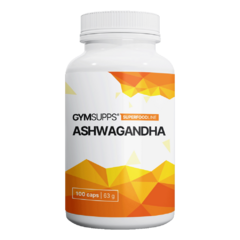
Ashwagandha from GymSupps is a unique herb that holds many health benefits and is starting to become an important part in the everyday hectic day.
The main benefits that taking Ashwadandha provides
Okay, we already know that Ashwagangha is not an incantation, but that it is a plant with many amazing effects. Below, we'll take a look at its biggest benefits!
It fights stress, anxiety and depression and boosts your concentration and memory
One of the most well-known benefits of Ashwagandha is its ability to act as a natural remedy for anxiety and stress. Studies even suggest that it can be just as effective as some prescription medications, plus without the side effects. Antidepressants and anti-anxiety medications can cause drowsiness, loss of libido, and increased appetite, among other things. The main advantage of Ashwagandha is that there are no or minimal adverse reactions when taking it. In addition, Ashwagandha not only benefits people who struggle with anxiety and chronic stress, but it can also be helpful for people who have symptoms of depression.
In fact, Ashwagandha helps to reduce levels of the stress hormone cortisol, which can make it a great helper during challenging and stressful times. Its regular use helps to better overcome stressful stress, counteracting anxiety, depression and general exhaustion. It also acts as a mild stimulant for fatigue and can provide better concentration, and even its supplementation can sharpen memory. Its use has a positive effect on brain function, absorption and subsequent retention of information.
Helps regulate blood sugar levels
Ashwagandha is also often used as a supportive agent for the treatment of diabetes because of its ability to positively affect blood sugar levels. The flavonoids contained in the roots and leaves of Ashwagandha are probably responsible for these effects. Research suggests that Ashwagandha extract may be useful in improving insulin sensitivity and reducing inflammatory markers, both in diabetics and healthy individuals.
May help to lower cholesterol
In addition to its anti-inflammatory effects, Ashwagandha may help support heart health by having cholesterol and triglyceride lowering abilities. In one study conducted on chronically stressed adults, the group taking the highest dose of Ashwagandha over 60 days showed an average 17% reduction in LDL, or "bad" cholesterol, and an 11% reduction in triglycerides. Therefore, to confirm the medicinal effects on cholesterol levels in humans, however, further research is needed.

Increases strength, promotes athletic performance and acts as a natural fat burner
Studies show that Ashwagandha may increase endurance during physical activity by sharpening concentration and may also suppress the onset of fatigue. Due to its positive effects on the brain and its ability to reduce stress hormones, it helps improve concentration, maintain motivation and promote endurance. In addition, it is reputed that it can also promote muscle building while reducing fatty tissue, making it a handy helper for all athletes.
It works as a natural aphrodisiac and can boost libido
Chronic stress, depression and living in a hurry, have a negative impact on sexual libido. If at the same time the patient is taking medications such as antidepressants, sexual dysfunction can be exacerbated. As we already know, Ashwagandha has the ability to regulate levels of the stress hormone cortisol, can help the body cope more easily with stress, and can even boost sexual desire. As a bonus, there are also studies that say Ashwagandha serves as a natural aphrodisiac - it can help promote fertility, especially in women who are unable to conceive due to stress. The positive effects in terms of stimulating libido when taking Ashwagandha obviously apply to both sexes. In men, it may improve sperm quality and also promote higher fertility.
It can prevent the development of cancer
And the best part at the end. Vitania also has anti-cancer effects according to available studies. Studies suggest that Ashwagandha has the ability to block the growth of cancer cells and can also induce the programmed death of cancer cells (called apoptosis). The anti-cancer effect of ashwagandha is attributed to steroidal lactones, referred to as withanolides. Withaferin is thought to promote the production of reactive oxygen species (ROS) inside cancer cells and disrupt their function. Animal studies suggest that Ashwagandha may help treat several types of cancer - such as breast, lung, colon, brain and ovarian cancers.
For example, in one study conducted on rats, ovarian tumors were treated with Ashwagandha either alone or in combination with another anti-cancer drug. The conclusion of the research was a 70-80% reduction in tumor growth, and it was also shown during the research that there was no spread of cancer cells to other organs in the subjects given Ashwagandha. However, more research needs to be done on human subjects to confirm these almost magical effects in humans.
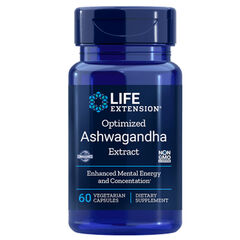
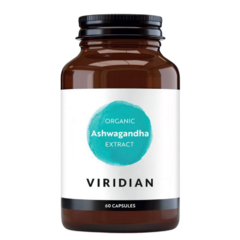
For whom is Ashwagandha suitable?
Ashwagandha is a perfectly safe supplement for most people and can be taken by representatives across all age categories. Pregnant and breastfeeding women in particular should beware. Ashwagandha can affect blood sugar levels and blood pressure, so individuals taking blood pressure medication or being treated for diabetes need to consult a doctor about taking it, as it may contraindicate with medications they are taking. Patients being treated for thyroid and autoimmune diseases should also be cautious.
How to take Ashwagandha?
The optimal daily dose of Ashwagandha should be around 300 - 500 mg. For optimal effects, Ashwagandha should be taken regularly every day and for a long period of time. However, you need to keep in mind that even though Ashwagandha has many amazing benefits, it is still only a supplement and in order for it to be functional, you need to follow other principles of a healthy lifestyle - a healthy and balanced diet, plenty of exercise, fresh air and sleep, you already know that from us!
What can you take away from this article?
Ashwagandha is an adaptogenic herb that is especially popular in Ayurvedic medicine. It has been known for quite a number of years and is one of the most researched adaptogens ever. Thanks to this, we know what amazing effects this herb has. It can help in times of stress as it can regulate cortisol levels, it can also affect blood sugar and cholesterol levels. It also supports cognitive function, memory and motivation. For athletes, it offers the benefit of supporting athletic performance, can be useful in building muscle mass, and may have a small effect in fat reduction as well. Ashwagandha is even being investigated as a supportive treatment for various types of cancer. In any case, it is important to keep in mind that Ashwagandha is only a supplement and other principles of healthy living need to be followed as well.
Sources:
Raut, A. A., Rege, N. N., Tadvi, F. M., Solanki, P. V., Kene, K. R., Shirolkar, S. G., Pandey, S. N., Vaidya, R. A., & Vaidya, A. B. (2012). Exploratory study to evaluate tolerability, safety, and activity of Ashwagandha (Withania somnifera) in healthy volunteers. Journal of Ayurveda and integrative medicine, 3(3), 111-114. https://doi.org/10.4103/0975-9476.100168
Agnihotri, A. P., Sontakke, S. D., Thawani, V. R., Saoji, A., & Goswami, V. S. (2013). Effects of Withania somnifera in patients of schizophrenia: a randomized, double blind, placebo controlled pilot trial study. Indian journal of pharmacology, 45(4), 417-418. https://doi.org/10.4103/0253-7613.115012
Andallu, B., & Radhika, B. (2000). Hypoglycemic, diuretic and hypocholesterolemic effect of winter cherry (Withania somnifera, Dunal) root. Indian journal of experimental biology, 38(6), 607-609.
Vyas, A. R., & Singh, S. V. (2014). Molecular targets and mechanisms of cancer prevention and treatment by withaferin a, a naturally occurring steroidal lactone. The AAPS journal, 16(1), 1-10. https://doi.org/10.1208/s12248-013-9531-1
Nishikawa, Y., Okuzaki, D., Fukushima, K., Mukai, S., Ohno, S., Ozaki, Y., Yabuta, N., & Nojima, H. (2015). Withaferin A Induces Cell Death Selectively in Androgen-Independent Prostate Cancer Cells but Not in Normal Fibroblast Cells. PloS one, 10(7), e0134137. https://doi.org/10.1371/journal.pone.0134137
KRYSY - Kakar, S. S., Ratajczak, M. Z., Powell, K. S., Moghadamfalahi, M., Miller, D.. M., Batra, S. K., & Singh, S. K. (2014). Withaferin a alone and in combination with cisplatin suppresses growth and metastasis of ovarian cancer by targeting putative cancer stem cells. PloS one, 9(9), e107596.
Gorelick, J., Rosenberg, R., Smotrich, A., Hanus, L., & Bernstein, N. (2015). Hypoglycemic activity of withanolides and elicited Withania somnifera. Phytochemistry, 116, 283-289. https://doi.org/10.1016/j.phytochem.2015.02.029
Chandrasekhar, K., Kapoor, J., & Anishetty, S. (2012). A prospective, randomized double-blind, placebo-controlled study of safety and efficacy of a high-concentration full-spectrum extract of ashwagandha root in reducing stress and anxiety in adults. Indian journal of psychological medicine, 34(3), 255-262. https://doi.org/10.4103/0253-7176.106022
Candelario, M., Cuellar, E., Reyes-Ruiz, J. M., Darabedian, N., Feimeng, Z., Miledi, R., Russo-Neustadt, A., & Limon, A. (2015). Direct evidence for GABAergic activity of Withania somnifera on mammalian ionotropic GABAA and GABAρ receptors. Journal of ethnopharmacology, 171, 264-272. https://doi.org/10.1016/j.jep.2015.05.058
Andrade, C., Aswath, A., Chaturvedi, S. K., Srinivasa, M., & Raguram, R. (2000). A double-blind, placebo-controlled evaluation of the anxiolytic efficacy ff an ethanolic extract of withania somnifera. Indian journal of psychiatry, 42(3), 295-301.
No posts have been made yet.