





Are you worried about the news linking olive oil to cancer? You have absolutely nothing to worry about!
 Author:
 You may have recently come across some shocking newspaper headlines that read something like this: “Olive oil accelerates cancer!” In today’s world of information chaos, it’s easy to panic and start throwing bottles of extra virgin olive oil straight into the trash.
While this report is based on an actual scientific study, the conclusions drawn by some media outlets are completely misleading. Here’s an explanation of what the scientists really found and why you can continue to enjoy your favorite oil with peace of mind.
Article Contents:
- What the Study Actually Investigated
- The Fat Showdown: Omega-3 vs. Oleic Acid
- Why People Don’t Need to Worry
What the study actually examined ( and what the headlines left out)
The fundamental problem with such clickbait articles is that they completely ignore the context. The study did not address the causes of cancer in humans at all. In fact, it was a study conducted on mice that had been genetically modified to develop pancreatic cancer.
The researchers created 12 high-fat diets with exactly the same number of calories. The only difference was the source of the fat. They examined how these different fats affected the growth of existing tumors.
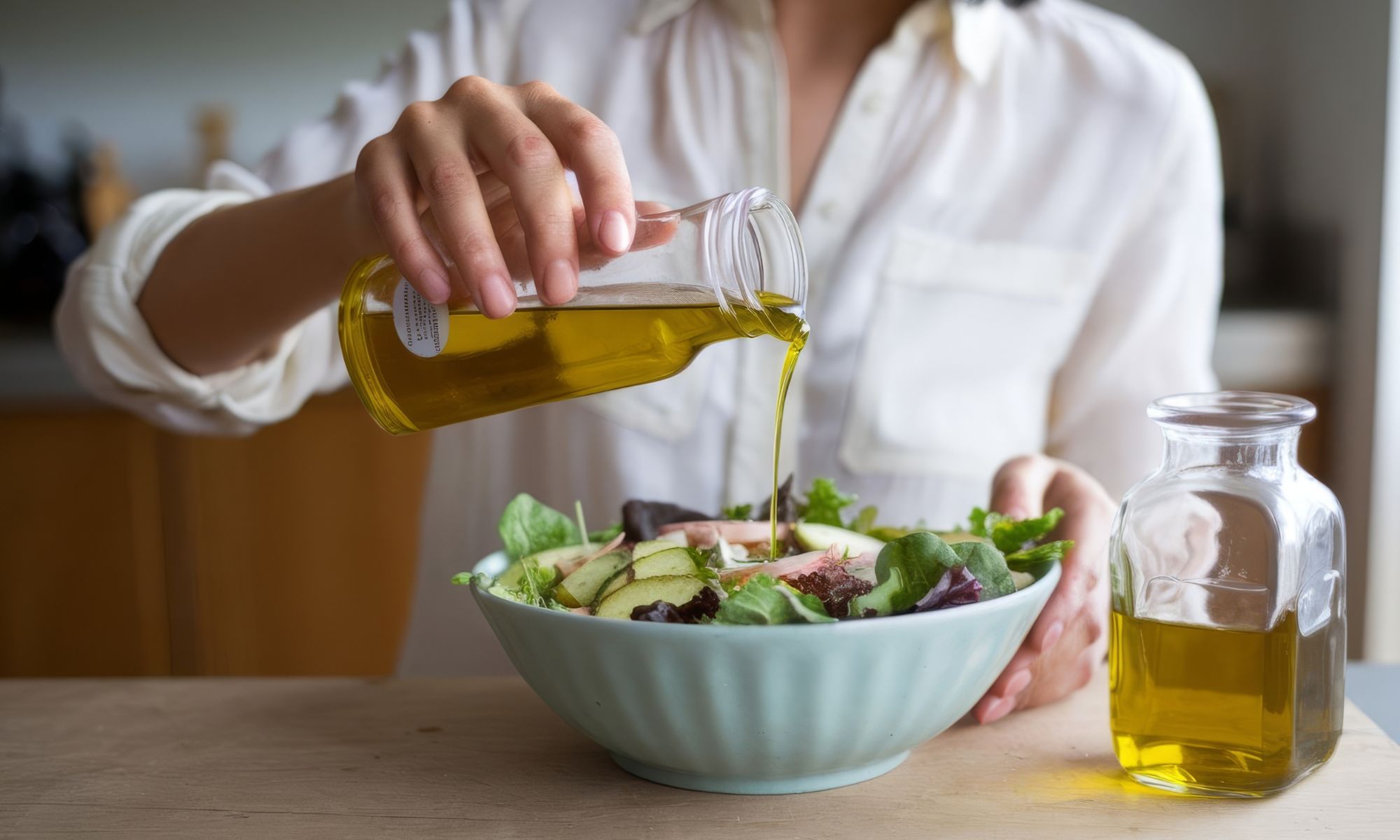
The Fat Showdown: Omega-3 vs. Oleic Acid
The results provided a fascinating insight into how cells function in the fight against disease:
- Polyunsaturated Fats (Omega-3): Diets rich in omega-3 fatty acids (typically from fish oil) slowed tumor growth. Mice on this diet had roughly half the incidence of the disease compared to mice on a standard high-fat diet. This is because polyunsaturated fats oxidize easily, thereby causing cancer cells to undergo cell death.
- Monounsaturated fats (oleic acid): Diets rich in oleic acid—the main component of olive oil, avocados, and nuts—accelerated tumor growth in these specific diseased mice. This is because monounsaturated fats resist oxidation and help repair cell membranes, thereby paradoxically protecting cancer cells from destruction.
Why People Don’t Need to Worry
This is an extremely interesting data point for understanding how the body might behave when it is already fighting cancer. But does this mean that olive oil causes cancer? Absolutely not.
We must not forget the most important point: the researchers did not feed olive oil to healthy people and monitor whether they developed the disease. They studied animals that were already predisposed to cancer.
Moreover, when we look at hundreds of well-designed, long-term studies in humans, we find exactly the opposite. Consuming more than half a tablespoon of olive oil a day is consistently associated with a lower incidence of cancer and a lower risk of death from cardiovascular disease in humans.
Recommended
What can you take away from this for your diet?
If you want to stay in good health and not let every new headline throw you off balance, stick to these three simple points:
- Don’t throw out your olive oil: You can continue to enjoy olive oil, avocados, and nuts without worry. A single study on mice does not contradict the mountain of evidence regarding their health benefits.
- Take an Omega-3 supplement: The study confirmed the enormous protective benefits of fish oil. Ideally, enjoy two servings of fatty fish per week, or consider a high-quality dietary supplement in capsule form.
- Consult a doctor about specific medical conditions: The only reasonable exception applies to people currently undergoing treatment for cancer. In such cases, it makes sense to discuss the overall ratio of monounsaturated to polyunsaturated fats in your diet with your doctor.
For healthy individuals, however, the following still holds true: high-quality olive oil is one of the best fats you can give your body.

No posts have been made yet.








