





Myth versus reality: what fish oil can do and what is just an inflated bubble
 Author:
 Imagine a dietary supplement that will help you get rid of stress, anxiety, depression, improve your sleep and sharpen your memory in just three months. Sounds like a dream, doesn't it? That's exactly the claim that a viral study on the effects of fish oil(Omega-3 fatty acids) recently went viral.
But before you head out to the pharmacy, it's a good idea to look at this study with a sober eye. Here's a breakdown of why scientists and experts are raising a warning finger and what you can realistically expect from fish oil.
Article Content:
- Red flags or what the thumbnail headlines don't tell you
- What does the real, proven science say?
- What to look out for when buying
Red flags or what the thumbnail headlines don't tell you
A study that promises such a massive across-the-board improvement automatically makes experts suspicious. When we look under the hood of the research (which involved 64 adults), we find several major cracks:
- Problematic placebo: The control group was given corn oil as a placebo. It is rich in Omega-6 fatty acids, which compete metabolically with Omega-3s in the body. So instead of a neutral substance, the control group was given something that could worsen their condition, artificially increasing the difference between the two groups.
- No hard data: all the amazing results on sleep and memory were based entirely on questionnaires that the participants filled out themselves. There were no objective measurements (e.g., a sleep lab) or blood tests to confirm that the supplement was actually absorbed by the body.
- Correcting a deficiency, not improving health: the study was conducted in a population with historically very low Omega-3 intake. Thus, the extremely positive results probably don't show how fish oil improves the average healthy person, but rather how the body responds when you finally supply it with a nutrient it has been sorely lacking for a long time.
- Too perfect results: to achieve statistical significance on fifty different measures in such a small group of people is highly unusual in statistical terms. In the real world, few interventions work this flawlessly on all fronts at once.

What does real, proven science say?
This criticism does not mean that fish oil is useless. On the contrary, Omega-3 fatty acids (especially EPA and DHA) have very strong support in the scientific literature when it comes to brain functioning and mood.
- Relieving anxiety and improving mood: Meta-analyses of dozens of other, better-constructed studies show that roughly 1 to 2 grams of EPA + DHA per day are associated with a modest reduction in anxiety symptoms.
- Brain support: Omega-3s play a role in brain cell function and may influence how neurotransmitters like serotonin work.
In short, fish oil can do real things, but it's not a panacea that will solve poor lifestyle choices, chronic stress or lack of sleep for you.
What to look out for when buying
If you don't eat oily fish regularly and want to supplement with Omega-3, it makes sense. But there's one huge catch: the fish oil market is full of low-quality products.
Many cheap supplements in stores are oxidized (rancid), which means they do more harm than good to the body. So always look for products that have third-party certification guaranteeing purity, freshness and the exact content of the active ingredients (EPA and DHA).
Recommended
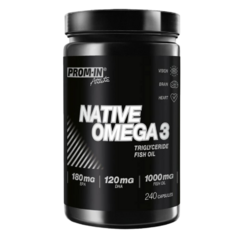
Prom-in Native Omega 3
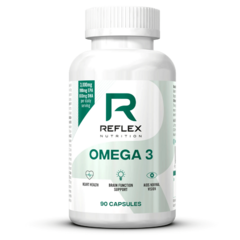
Reflex Omega 3

GymSupps Omega 3

Omega 3 240cps 1+1
No posts have been made yet.








