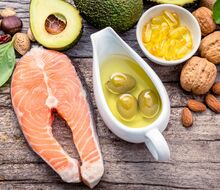
Omega 3-6-9: Effects and relative differences
 Author:
 We've all heard of fat as something to avoid. But the truth is much more complicated. Fats, specifically fatty acids, are absolutely crucial to our bodies - they act as a source of energy, building blocks for cells and regulators of vital processes. Among them, three famous groups stand out: omega-3, omega-6 and omega-9. Although their names sound similar, their roles in our bodies differ dramatically. This article will guide you through their world, explain their effects and show why their balance is the key to health.
Article content:
- What are omega fatty acids?
- Omega-3: The anti-inflammatory hero
- Omega-6: The double-edged weapon
- Omega-9: The helpful sidekick
What are omega fatty acids?
Think of a fatty acid as a chain made up of carbon atoms. What distinguishes omega-3, -6 and -9 is a purely technical detail - the position of a specific chemical bond in this chain¹. However, this small structural difference has a huge impact on how a given acid behaves in the body and what function it performs.
Two of these groups, omega-3 and omega-6, are essential. This means that our bodies cannot make them on their own and we must take them from our diet. Omega-9 is not essential because the body can synthesize it when needed.
Omega-3: The anti-inflammatory hero
Omega-3 fatty acids are rightly considered the superstars of a healthy diet. Their most important property is their powerful anti-inflammatory effect. While short-term inflammation is the body's natural defense response, chronic inflammation is associated with a range of civilizational diseases, from heart disease to autoimmune disorders.
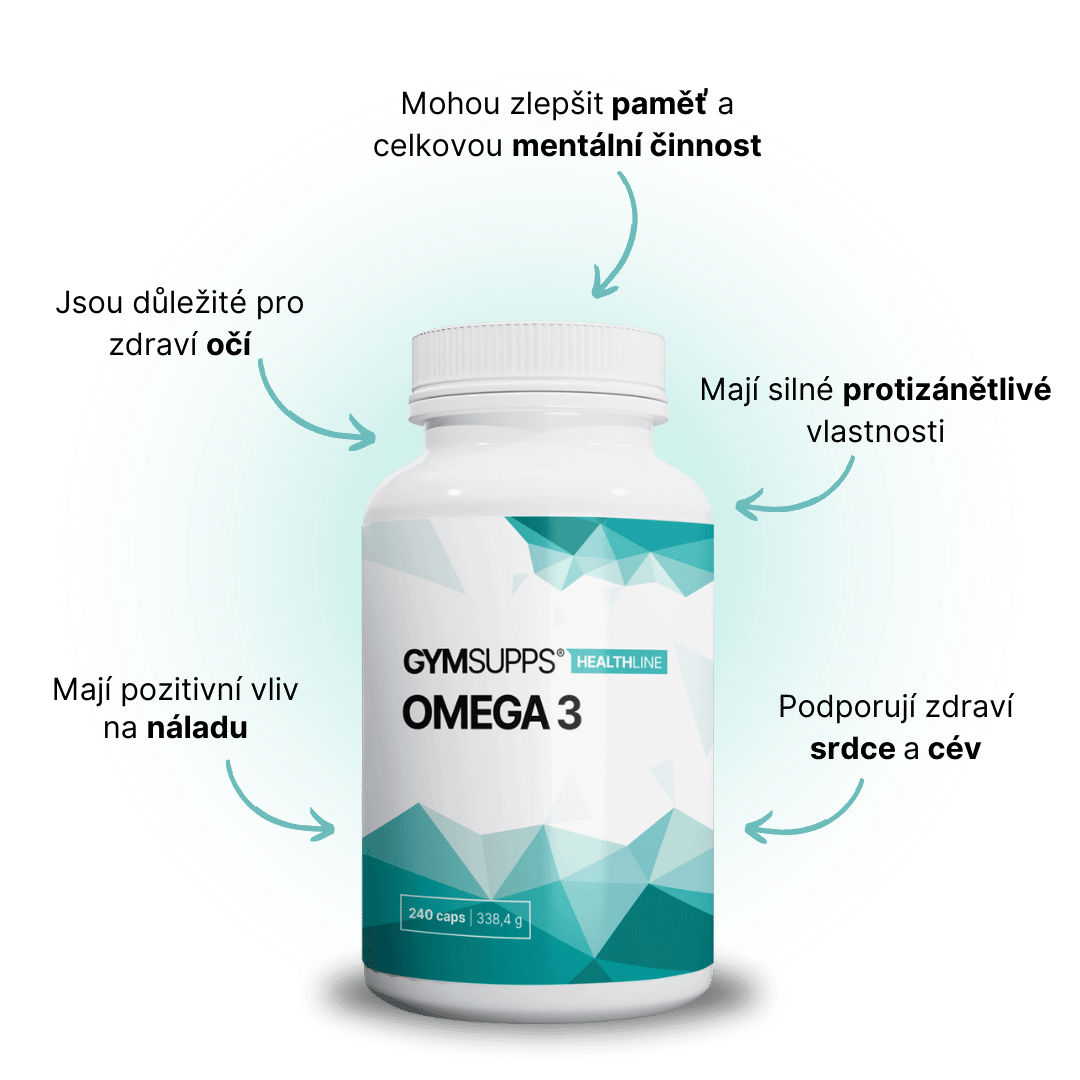
The most well-known representatives are EPA (eicosapentaenoic acid) and DHA (docosahexaenoic acid), which are mainly found in oily marine fish (salmon, mackerel, sardines). They are crucial for proper brain function, heart and eye health. The third type, ALA (alpha-linolenic acid), is found in plant sources such as flaxseeds or walnuts. Although the body can convert it into EPA and DHA, this process is very inefficient².
Main sources: oily fish, flaxseeds, chia seeds, walnuts.
Omega-6: The Double-Edged Weapon
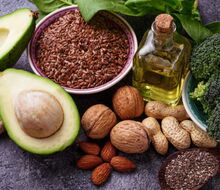
Omega-6 fatty acids are also essential for the body. They are involved in the regulation of metabolism, skin and hair health. However, the problem arises when we have too much of them in our diet, especially in proportion to omega-3s. While omega-3s reduce inflammation, some types of omega-6s (such as arachidonic acid) can be pro-inflammatory in excess.
The modern Western diet, rich in vegetable oils (sunflower, soybean) and processed foods, has caused the ratio of omega-6 to omega-3 to shift dramatically. While the ideal ratio should be closer to 4:1 or even less, today it is commonly 15:1 or even 20:1. This disparity is being intensively studied by scientists as one of the possible contributing factors to the rise in chronic inflammatory diseases³.
Main sources: sunflower, corn and soybean oils, margarines, most processed foods.
.jpg)
Omega-9: A useful helper
Omega-9, of which oleic acid is the main representative, is the most abundant monounsaturated fatty acid in our bodies. As mentioned, it is not essential. However, this does not mean that it is not beneficial.
Its consumption has been linked, in particular, to the health of the cardiovascular system. Studies show that replacing saturated fats in the diet with monounsaturated fats, such as oleic acid, can help lower "bad" LDL cholesterol and promote overall blood vessel health⁴. It is a cornerstone of the so-called Mediterranean diet, which is recognised worldwide for its health benefits.
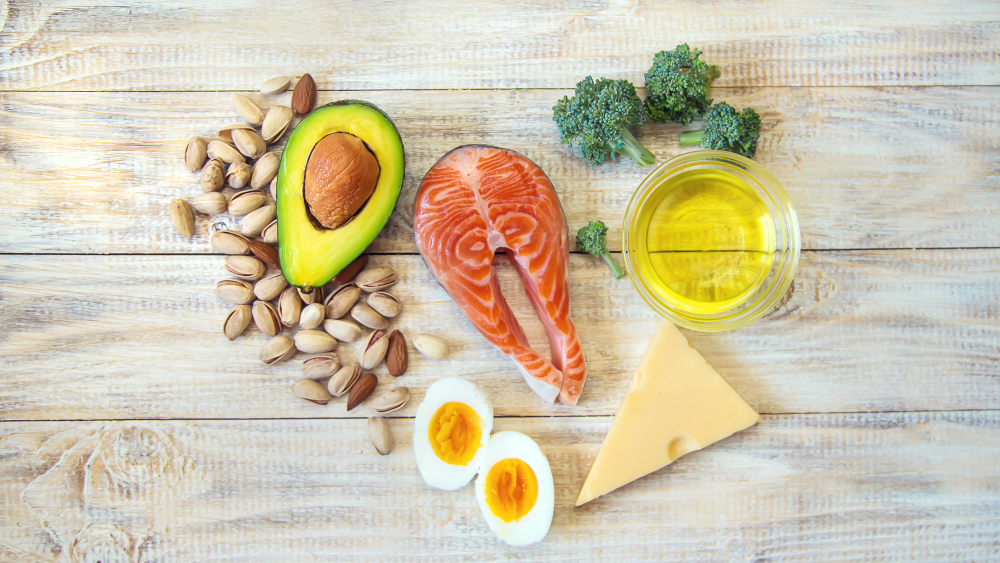
Main sources: olive oil, avocado, almonds, rapeseed oil.
Conclusion.
The story of omega fatty acids is not about demonizing one and glorifying the other. It's a story about balance. The key to health is not the complete elimination of omega-6s and endless consumption of omega-3s, but achieving the right balance.
Practically, this means:
- Increase your omega-3 intake: Include fatty marine fish in your diet twice a week, add a tablespoon of flaxseeds or a handful of walnuts daily.
- Reduce excess omega-6: Limit consumption of processed foods and omega-6 rich vegetable oils (sunflower, soy).
- Include good quality omega-9: Use good quality extra virgin olive oil for cooking and in salads.
Understanding the differences between these fatty acids gives you the power to take control of your health through simple but effective changes in your diet.
Recommended


Sources:
- ² Simopoulos, A. P. (2002). The importance of the ratio of omega-6/omega-3 essential fatty acids. Biomedicine & Pharmacotherapy, 56(8), 365-379.
- ³ DiNicolantonio, J. J., & O'Keefe, J. H. (2018). Importance of maintaining a low omega-6/omega-3 ratio for reducing inflammation. Open Heart, 5(2), e000946.
- ⁴ Gillingham, L. G., Harris-Janz, S., & Jones, P. J. (2011). Dietary monounsaturated fatty acids are protective against metabolic syndrome and cardiovascular disease risk factors. Lipids, 46(3), 209
No posts have been made yet.