Omega-6 fatty acids: Effects and sources
 Author:
 In today's world of conflicting nutrition information, it's easy to get lost. Fats in general, and specific types of fatty acids in particular, are often the subject of heated debate. Among the most debated are omega-6 fatty acids. On the one hand, they are described as essential, i.e. necessary for life. On the other hand, they are associated with promoting inflammatory processes in the body. So where is the truth?
Article content:
- What are omega-6 fatty acids?
- Two sides of the same coin: Effects on the body
- Practical recommendations.
What are omega-6 fatty acids?
Omega-6 fatty acids are a group of polyunsaturated fats (often abbreviated as PUFAs). The term "essential" means that the human body cannot make them on its own and must take them from the diet. They are absolutely crucial for the proper functioning of the body - they are involved in the construction of cell membranes, brain development, regulation of metabolism and many other processes.
The best known and most abundant representative of omega-6 in our diet is linoleic acid (LA). The body can then make other important substances from it, such as arachidonic acid (AA).
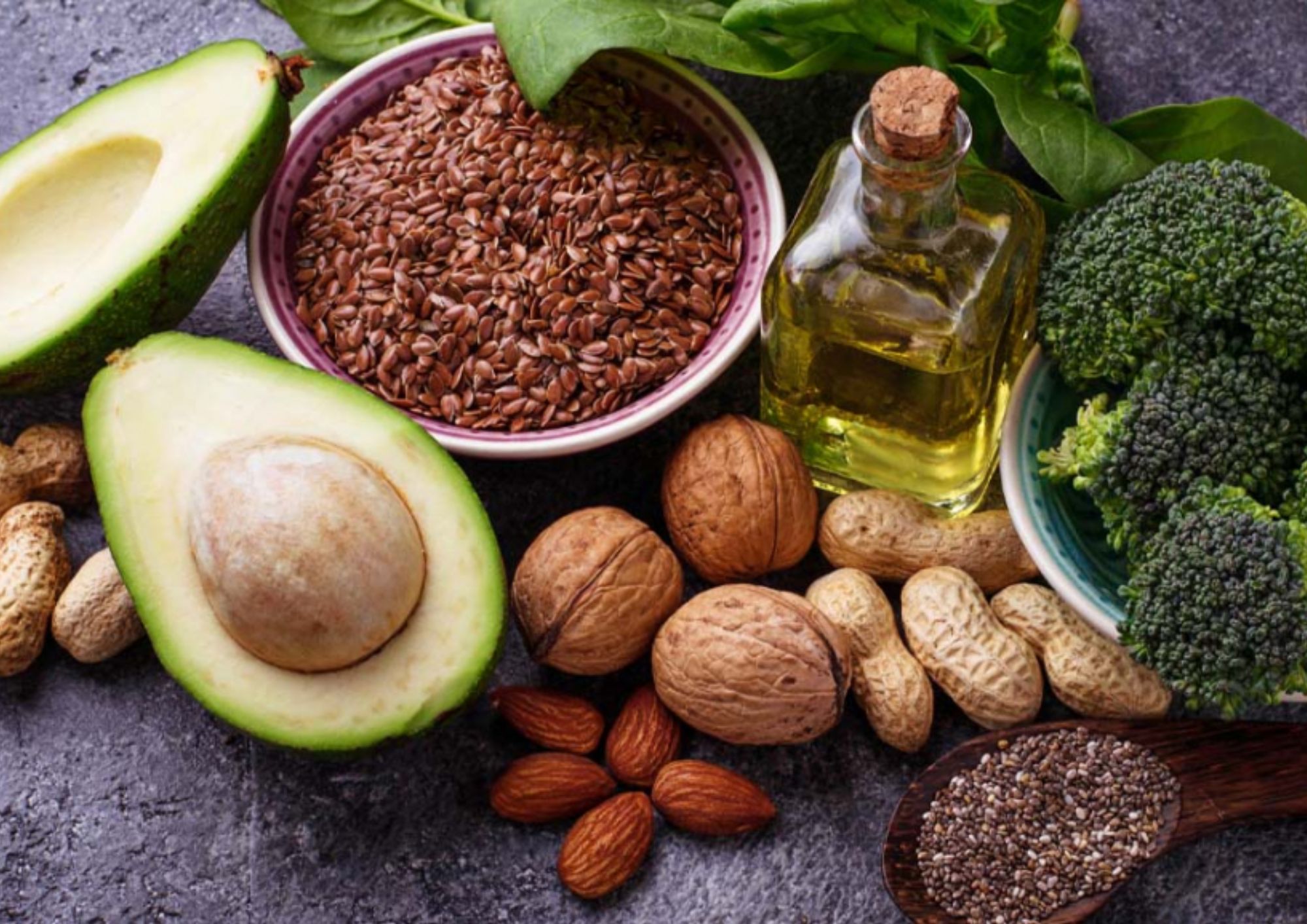
The richest sources of omega-6 fatty acids include:
- Vegetable oils (sunflower, corn, soybean, canola)
- Nuts (walnut, pecan) and seeds (sunflower, pumpkin, sesame)
- Margarines and mayonnaises made from these oils
- Meat, poultry and eggs (in smaller quantities, depending on animal feed)
Two sides of the same coin: Effects on the body
The controversy surrounding omega-6s stems from their dual role in the body, particularly in relation to inflammation. To understand this, we need to look at their counterpart - omega-3 fatty acids.
The key is the ratio: omega-6 vs. omega-3
Both omega-6 and omega-3 fatty acids are converted in the body into signaling molecules called eicosanoids. These substances act as local hormones that regulate key processes, especially inflammation and blood clotting. However, there is a crucial difference here:
- Eicosanoids made from omega-6 (specifically arachidonic acid) tend to be pro-inflammatory. That's not necessarily a bad thing - acute inflammation is a vital immune response that helps us fight infections and heal injuries.
- In contrast, eicosanoids made from omega-3s (such as EPA and DHA) are predominantly anti-inflammatory.
The problem with the modern Western diet is not the existence of omega-6s per se, but their overwhelming prevalence over omega-3s. Whereas our ancestors consumed these two groups of acids in a ratio of roughly 1:1 to 4:1, today's ratio is estimated to be 15:1 to 20:1 in favour of omega-6¹. This massive disparity can lead to the body being in a constant "pro-inflammatory" state, which has been linked to the development of chronic diseases such as cardiovascular disease, type 2 diabetes and autoimmune disorders¹.

The myth of inflammation and the surprising benefits
An older theory assumed that a high intake of linoleic acid (LA) automatically leads to increased production of pro-inflammatory molecules and is thus detrimental to health. However, more recent and extensive scientific reviews have challenged this simple view. It turns out that despite theoretical assumptions, high dietary intake of linoleic acid does not increase blood levels of inflammatory markers in most people.
On the contrary, some studies suggest that linoleic acid may have significant health benefits. A 2025 review study highlights that the majority of evidence supports a positive effect of linoleic acid on cardiometabolic health². That is, it may contribute to heart and vascular health and promote proper metabolism of sugars and fats. Thus, it appears that concerns about the pro-inflammatory effects of LA alone have been overstated and that the overall dietary context and ratio to omega-3s is more important.
Practical recommendations: how to find a balance?
The goal should not be to demonize and completely eliminate omega-6s from the diet - they are, after all, essential. The key is to restore a healthy balance between omega-6 and omega-3.
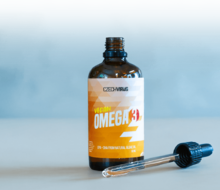
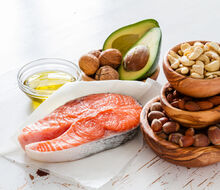
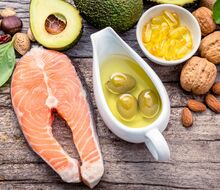
- Increase your omega-3 intake: This is the most important step. Incorporate fatty marine fish (salmon, mackerel, sardines), flax and chia seeds, walnuts, or consider a quality supplement containing EPA and DHA into your diet.
- Choose your sources of omega-6 wisely: Instead of highly processed vegetable oils and foods made from them (cookies, chips, fast food), prefer whole sources such as nuts and seeds. These contain fiber, vitamins and minerals in addition to fats.
- Read the ingredients: many processed foods contain large amounts of cheap omega-6 rich oils (sunflower, soy). Watching labels can help you get a better idea of their intake.
- Don't panic about oils: It's okay to use vegetable oils in the kitchen. However, consider including oils with a better ratio of fatty acids, such as olive oil (rich in omega-9) or canola oil, and use them sparingly.
Conclusion
Omega-6 fatty acids are neither a pure evil nor an absolute good. They are an essential part of our diet that plays a complex role in the body. Scientific evidence shows that the main problem lies not in their consumption per se, but in the dramatic disproportion to omega-3 fatty acids that is typical of the modern diet.
Instead of focusing on strict elimination of omega-6s, we should aim for overall harmony in the diet. Focusing on increasing omega-3 intake from fish, seeds and quality supplements, while favoring whole foods over highly processed products, is the best strategy for promoting long-term health and keeping inflammatory processes in check
Recommended
Prom-in Native Omega 3
Reflex Omega 3

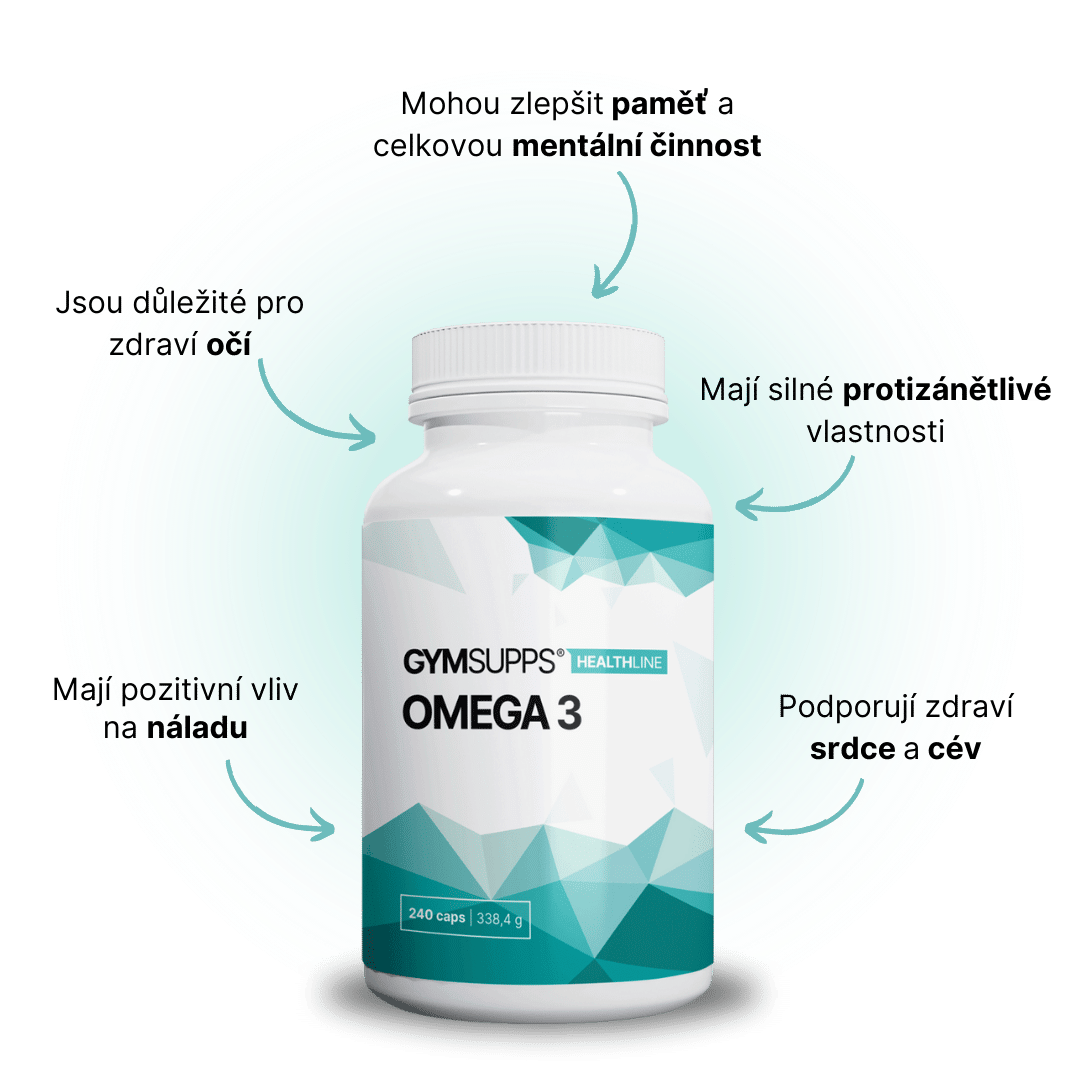
GymSupps Omega 3

Omega 3 240cps 1+1
Sources:
- ¹ Simopoulos, A. P. (2012). Health implications of high dietary omega-6 polyunsaturated fatty acids. Journal of the American College of Nutrition, 31(6), 454-463.
- ² Weech, M., & Calder, P. C. (2025). Omega 6 fatty acids: helpful, harmless or harmful? Current Opinion in Clinical Nutrition and Metabolic Care, 28(2), 99-106.
No posts have been made yet.