Omega-5 fatty acid and everything about it
 Author:
 In the world of nutritional supplements, terms like omega-3 and omega-6 are well known. They are talked about in relation to heart health, brain health and the fight against inflammation. However, slowly but surely growing in their shadow is a lesser-known but all the more fascinating relative - omega-5 fatty acids, scientifically known as punicic acid. This powerful bioactive lipid, whose main source is pomegranate seed oil, is the subject of intense scientific scrutiny. And the results are astonishing.
This is not just another marketing trend. A growing number of scientific studies published in prestigious databases such as PubMed reveal its extraordinary potential in areas that plague modern civilization: from chronic inflammation to metabolic diseases to cancer prevention and nervous system protection.
Article content:
- What is punicic acid?
- A powerful ally in the fight against inflammation
- Potential in the prevention and fight against cancer
- Metabolic Health: Obesity and diabetes under control?
- Protecting the brain and supporting cognitive function
What is punicic acid?
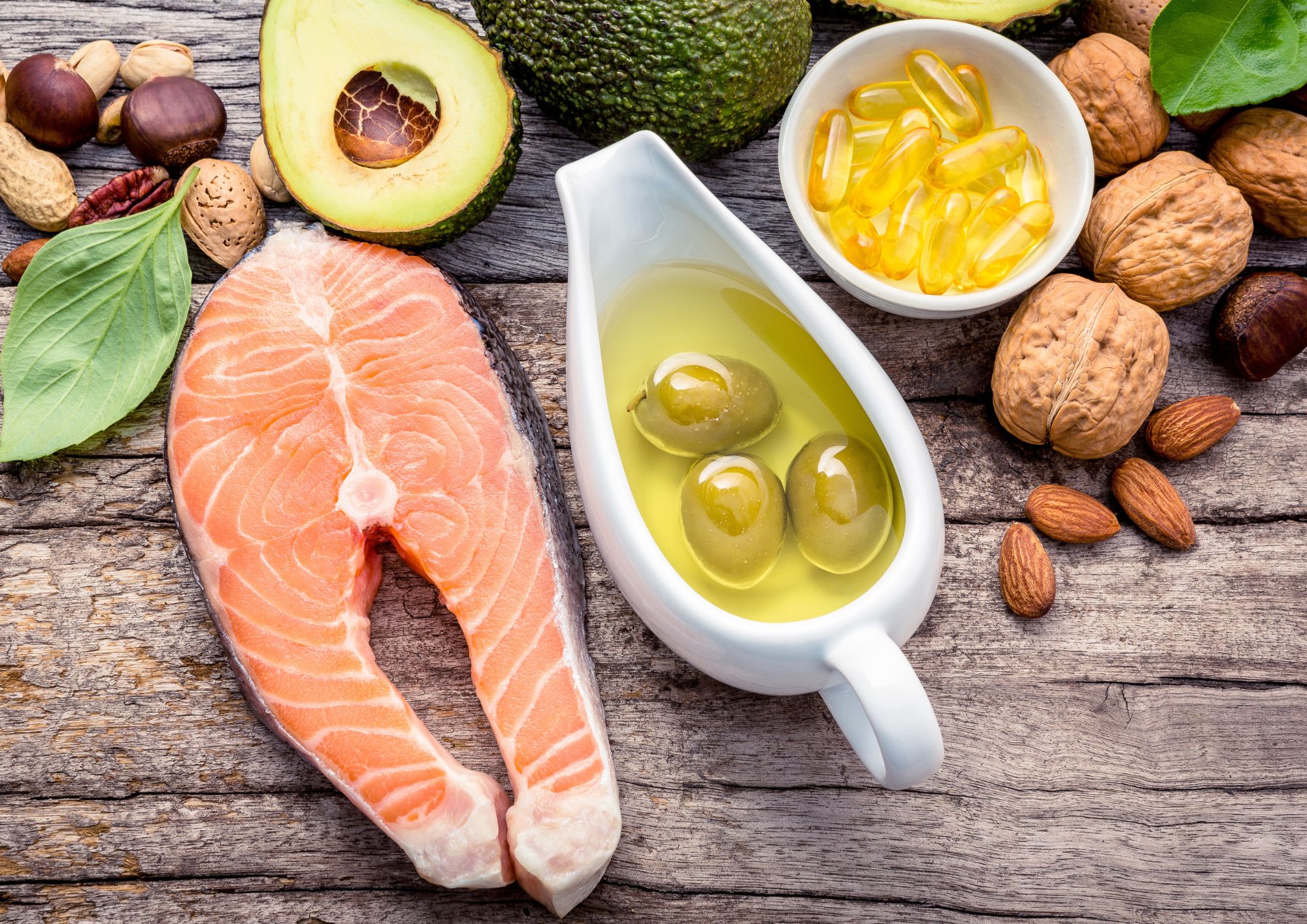
Punicic Acid(PA) is a polyunsaturated fatty acid that belongs to a specific group called conjugated linolenic acids (CLnA). It is often referred to as a "super CLnA" because of its unique properties. As already mentioned, its richest natural source is pomegranate seed oil(Punica granatum), where it can account for up to 80% of the total fat content. It is this concentration that makes it ideal for study and supplementation.
A powerful ally in the fight against inflammation
Chronic low-grade inflammation is the silent culprit behind many diseases of civilization, including cardiovascular disease, type 2 diabetes, and some neurodegenerative disorders. The ability to modulate inflammatory processes in the body is therefore crucial for maintaining long-term health.
Scientific studies show that punicic acid is extremely effective in this area. For example, research published in the journal PLoS One focused on its effect in experimental colitis. Scientists found that punicic acid was able to suppress 'neutrophil hyperactivation' - a condition in which white blood cells are overactive and damage body tissues. This mechanism effectively protected the tissue of the intestine from damage¹. This discovery suggests its potential use in inflammatory diseases of the digestive tract, such as Crohn's disease or ulcerative colitis.
Potential in the prevention and fight against cancer
The field of oncology is one of the most promising in terms of punicic acid research. It is important to stress that it is not a cure for cancer, but a substance with proven preventive and supportive potential.
One of the key studies focused on breast cancer cells. Scientists have found that punicic acid can inhibit their proliferation (uncontrolled multiplication) while triggering apoptosis - the process of programmed cell death. Apoptosis is a natural and desirable process by which the body gets rid of damaged or dangerous cells. The ability of a substance to specifically induce apoptosis in cancer cells without harming healthy ones is considered the holy grail of cancer research².
More recent research has revealed yet another fascinating mechanism. A 2021 study showed that punicic acid is highly toxic to colon and pharyngeal cancer cells because it triggers a specific type of cell death in them called ferroptosis, which is linked to iron metabolism and oxidative stress. This discovery opens new avenues for the development of targeted therapies³.

Metabolic health: Obesity and diabetes under control?
The obesity and type 2 diabetes pandemic is placing a huge burden on health systems worldwide. A key factor in the development of these diseases is insulin resistance - a condition in which the body's cells stop responding properly to the hormone insulin.
A study conducted on mice fed a high-fat diet produced very encouraging results. The group that received pomegranate seed oil rich in punicic acid was protected from developing obesity and insulin resistance compared to the control group⁴. Although results from animal models should always be taken with a grain of salt, they suggest that punicic acid could play an important role in the regulation of glucose and fat metabolism and thus be a beneficial supplement for individuals at risk of metabolic syndrome.

Brain protection and cognitive support
As the population ages, the incidence of neurodegenerative diseases such as Alzheimer's disease is increasing. Protecting the brain from damage and supporting cognitive function is therefore increasingly relevant. Here, too, punicic acid shows its enormous potential.
A comprehensive review study from 2022 summarizes its neuroprotective effects. Thanks to its powerful antioxidant and anti-inflammatory properties, it can protect nerve cells from damage caused by oxidative stress and inflammation - two key factors in the development of neurodegeneration⁵.
The most recent and perhaps most impressive evidence comes from a clinical study published in 2024 that focused on patients with mild cognitive impairment (MCI), which is often considered a precursor to Alzheimer's disease. Participants who took pomegranate oil for six months showed statistically significant improvements in several areas: overall cognition, verbal memory, and executive functions (planning and problem solving). This result from a human clinical study is extremely valuable and suggests that punicic acid may be an effective tool for promoting brain health in old age⁶.
Conclusion: more than just an exotic oil
Punicic acid, a hidden treasure from pomegranate seeds, is no longer just a subject of interest to a few scientists. It is a bioactive substance with robust scientific evidence supporting its extraordinary health benefits. Its ability to act comprehensively on multiple fronts - from suppressing inflammation and fighting cancer cells to regulating metabolism and protecting our brains - makes it one of the most promising natural supplements today.
Incorporating a quality supplement with pomegranate seed oil into your diet can be a significant step toward proactive care of your health. As with any dietary supplement, however, it is advisable to consult a doctor or qualified professional about its use, especially if you suffer from a chronic condition or are taking medication. Science has given us clear signals - it's time to start listening.
Recommended
Prom-in Native Omega 3
Reflex Omega 3

GymSupps Omega 3

Omega 3 240cps 1+1
Sources:
- ¹ Bousseta, T. et al. (2009). Punicic Acid and Conjugated Linolenic Acid Inhibits TNFα-Induced Neutrophil Hyperactivation and Protects from Experimental Colon Inflammation in Rats. PLoS One.
- ² Grossmann, M. E. et al. (2010). Punicic acid is an omega-5 fatty acid capable of inhibiting breast cancer proliferation. International Journal of Oncology.
- ³ Shibata, M. et al. (2021). Punicic Acid Triggers Ferroptotic Cell Death in Carcinoma Cells. Cancers (Basel).
- ⁴ Ashton, J. J. et al. (2011). Pomegranate seed oil, a rich source of punicic acid, prevents diet-induced obesity and insulin resistance in mice. British Journal of Nutrition.
- ⁵ Al-Fatlawi, A. A. et al. (2022). Punicic Acid and Its Role in the Prevention of Neurological Disorders: A Review. Molecules.
- ⁶ Forouzan, P. et al. (2024). The Effects of Pomegranate Seed Oil on Mild Cognitive Impairment. Current Developments in Nutrition.
No posts have been made yet.