





Omega-3 overdose and its symptoms
 Author:
 Omega-3 fatty acids, particularly EPA and DHA, are celebrated for their myriad benefits to human health. From supporting the cardiovascular system to brain function to suppressing inflammation, their importance is undeniable. However, with the increasing popularity and availability of highly concentrated dietary supplements, a logical question arises: is there a limit beyond which a benefit can become a risk? Can we "overdose" on omega-3s? That's what we'll look at in this article!
Article content:
- It's not about "overdosing", it's about the safety profile
- The most discussed risk
- Effect on cholesterol and heart rhythm
- Supplement quality is key
- Most common but least serious
Correct name: This is not an 'overdose' but a safety profile
First, it is important to set the terminology straight. In the context of omega-3 fatty acids, the term "overdose" as we know it for drugs is hardly encountered in the literature. Instead, researchers focus on the 'safety profile' and 'potential side effects' associated with long-term, high-dose therapy.
The U.S. Food and Drug Administration (FDA) has designated omega-3 intake (specifically EPA and DHA) as generally safe (GRAS status) up to 3 grams per day. Even doses above this limit are commonly used in clinical trials and generally well tolerated. Nevertheless, there are a few key areas that are being closely monitored by researchers and deserve our attention¹.
1. the most discussed risk: The myth of increased bleeding
The most common concern associated with high doses of omega-3s is the theoretical risk of increased bleeding. This is because omega-3s affect platelet function and reduce platelet clumping, a process known as "blood thinning." This sounds worrying, especially for people who are already taking blood thinners (such as Warfarin) or are about to have surgery.
But what does the hard data say? The aforementioned scientific study comes to a very important conclusion: despite theoretical assumptions, large-scale clinical trials have not shown a significant increase in the risk of major bleeding, even at doses of 3 to 4 grams per day. Even in cases where patients combined high doses of omega-3 with anti-clotting drugs, no statistically significant increase in bleeding events was observed. The authors of the study therefore conclude that although concerns about bleeding are justified in terms of mechanism of action, they do not prove to be a significant problem in clinical practice¹.
.png)
2. Effect on cholesterol and heart rhythm: What to know
Another area of interest is the effect of omega-3s on blood lipid levels, particularly LDL ("bad") cholesterol. While omega-3s have been shown to significantly lower triglyceride levels, studies show that high-dose therapy (especially a combination of EPA and DHA) can also slightly raise LDL cholesterol levels. This increase is in the order of one percent and its clinical significance is still debated. However, it is good to be aware of this phenomenon, especially if you are being treated for high cholesterol¹.
In recent years, the possible link between very high doses of omega-3 and the risk of atrial fibrillation (a form of cardiac arrhythmia) has also been investigated. Some studies have suggested a slightly increased risk in patients taking 4 grams a day. However, the data are still inconclusive and require further research to draw definitive conclusions¹.

3. The quality of the supplement is key: Oxidation and environmental toxins
The safety of a dietary supplement is not only in the dose itself, but also in its quality and purity. The study highlights two key aspects:
- Oxidation (rancidity): Omega-3 fatty acids are chemically susceptible to oxidation when exposed to heat, light or oxygen. Oxidized oil not only loses its benefits, but may also contain potentially harmful by-products. It is therefore essential to choose products from reputable manufacturers who guarantee the freshness and stability of the oil, for example by adding antioxidants (vitamin E)¹.
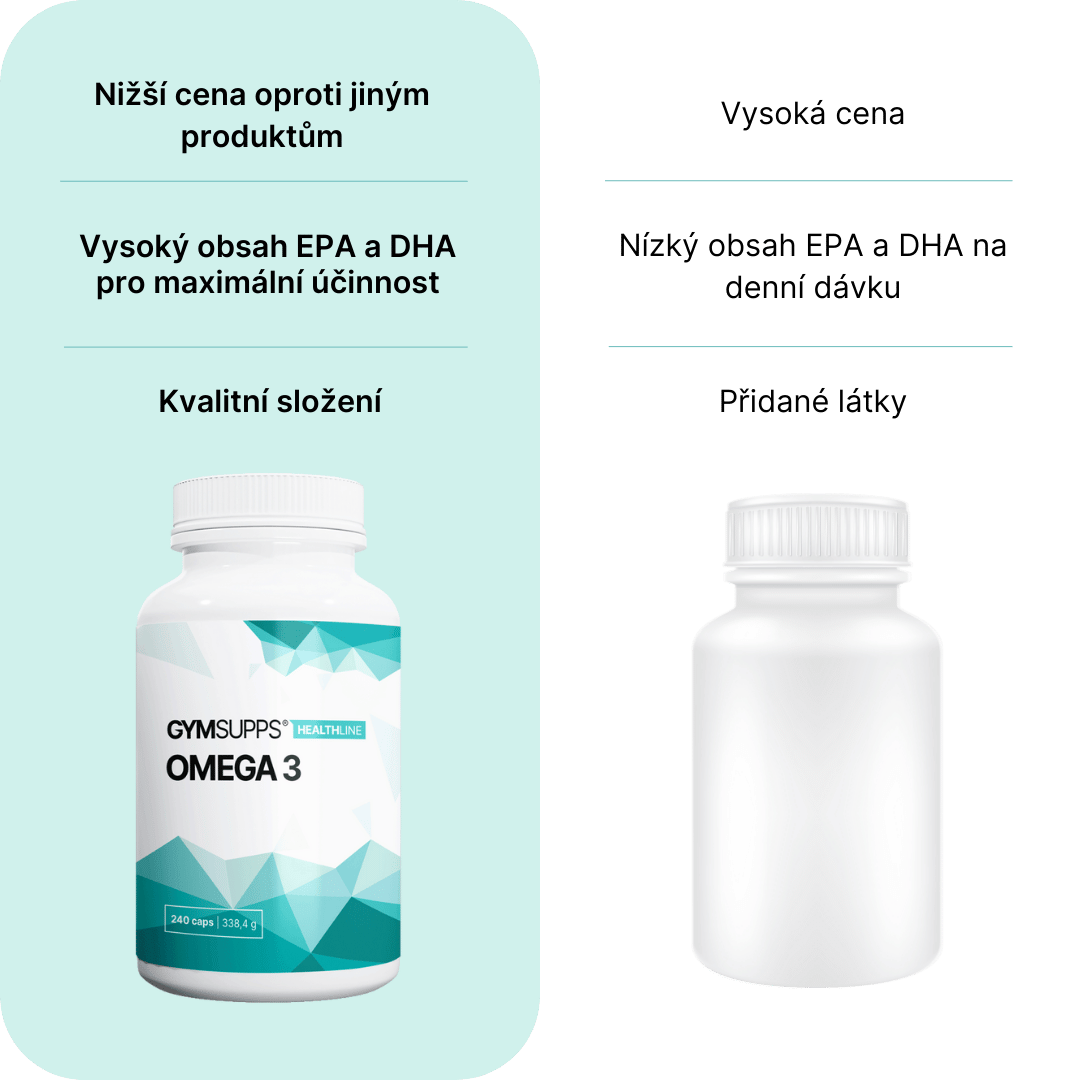
- Environmental toxins: The fish from which the oil is extracted may contain trace amounts of heavy metals (such as mercury) and other toxins (polychlorinated biphenyls - PCBs). However, quality dietary supplements undergo a molecular distillation and purification process that effectively removes these undesirable substances to a safe minimum. Investing in a proven and purified product is therefore an investment in your own safety¹.
.png)
4. The most common but least serious: Digestive upset
The most commonly reported side effects when taking omega-3s, especially at higher doses, are mild indigestion. These include mainly fish burps, indigestion (dyspepsia) and diarrhea. These symptoms are generally considered mild, do not pose a health risk and can often be alleviated by taking the supplement with meals or by dividing the daily dose into several smaller portions throughout the day¹.
Conclusion: awareness and quality are the path to safety
The analysis of the scientific literature provides a clear conclusion: omega-3 fatty acids are an extremely safe dietary supplement when taken in reasonable doses. Concerns about the most serious risks, such as bleeding, have largely not been borne out in clinical trials. Nevertheless, it is important to approach their use responsibly.
Remember three key principles:
- Trust quality: Choose trusted brands that guarantee the purity and freshness of their products.
- Follow the dosage: For normal health support, the dosage recommended by the manufacturer is sufficient. Always consult your doctor for high dose therapy (over 3 grams per day).
- Listen to your body: If you experience any unpleasant digestive discomfort, try reducing the dose or dividing it throughout the day.
Omega-3s are a powerful tool to support your health. With an informed approach, you can safely use them to their maximum potential.
Recommended
Prom-in Native Omega 3
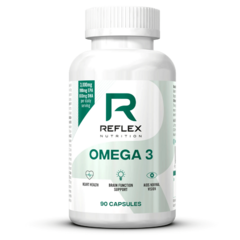
Reflex Omega 3

GymSupps Omega 3

Omega 3 240cps 1+1
Source:
- ¹ Bradberry, J. C., & Hilleman, D. E. (2013). Safety considerations with omega-3 fatty acid therapy. P&T : a peer-reviewed journal for formulary management, 38(11), 681-691.
No posts have been made yet.








