





Are crickets a complete source of protein?
 Author:
 Eating insects may be common in many cultures, but it certainly doesn't have a good reputation here. On the contrary, most of us are certainly quite sceptical about crickets or worms on our plates. Nevertheless, cricket flour products, rich in protein, are gaining a place in specialist shops and on the shelves of ordinary supermarkets. What are crickets like in terms of nutritional value? And what do cricket products actually taste like? That's what our article today is all about.
Article content:
- Why eat crickets?
- How to eat crickets? Whole?
- How do they taste? Are they worth a try?
- What to take away from today's article?
Why eat crickets?
Eating crickets, like any other insect, may sound a bit repulsive, but it has a whole host of benefits. Although it may sound unbelievable, crickets are made up of roughly 60% protein. And not just any protein - available research suggests that the utility of this protein is comparable to, say, high-quality chicken breast. What 's more, they contain huge amounts of vitamins and minerals from B12 to iron, and the utilisation of these micronutrients from crickets is demonstrably better than from quality beef. In addition, crickets contain similar amounts of calcium to milk and even have as much omega 3 fatty acids as salmon.
But besides the nutritional side, there is also an ethical side to eating crickets. Crickets require much less water and feed to grow and, logically, they also produce much less greenhouse gas emissions. At the same time, crickets do not have to be killed inhumanely; they are exposed to low temperatures that put them to sleep within seconds and they do not wake up again. So even as a die-hard conservative carnivore, you have to admit that crickets may have something going for them.
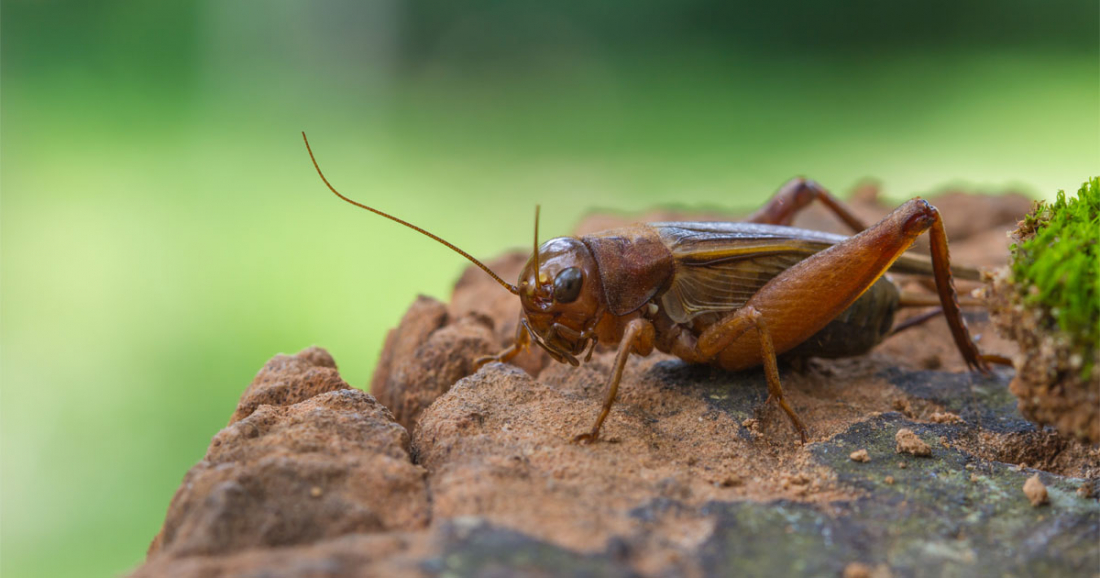
Crickets may not look appealing at first glance, but you absolutely cannot tell their taste in various recipes.
How to eat crickets? Whole?
Eating whole crickets (fried, for example) is certainly possible, but definitely not practical for most of you and quite frankly not a gastronomic experience. A much better option is to buy cricket flour, which, although not flour in the true sense of the word, is referred to as such because of its powdery consistency. This can be used for a variety of recipes, not as a substitute for flour, but simply to replace 10-20% of the conventional flour used in the recipe. Occasionally it can even be in a whole range of recipes that don't mention flour. We have found it useful to use ground cricket powder to add protein to, for example:
Recommended

Nebbia Washed bavlnený rag top GOLDEN AGE 788

Mars Snickers Low Sugar High Protein Bar
Czech Virus Magnesium Bisglycinate

Nebbia Boxy crop košile s kapsami URBAN MUSE 598
The great thing about cricket flour is that you can get it in almost any health food store. Recently, Penny Market has even partnered with SENS, a company that sources crickets directly from its Thai farms, so you can find cricket products on supermarket shelves.
How do they taste? Are they worth a try?
Perhaps the best thing about eating cricket flour is that you can't actually taste it. The moment you add a few grams to your recipes, all the flavour disappears, leaving just a few grams of protein and a whole host of extra vitamins and minerals. Cricket flour itself is completely flavor neutral, so you have nothing to worry about. The only negative for some may be the price, as a packet of cricket flour costs from 130 CZK upwards. However, since you will probably only use it in very limited quantities, you may not be put off by this either. From our point of view, crickets are really worth a try, whether in the form of flour or various protein bars, which are produced, among other things, by the aforementioned company SENS.
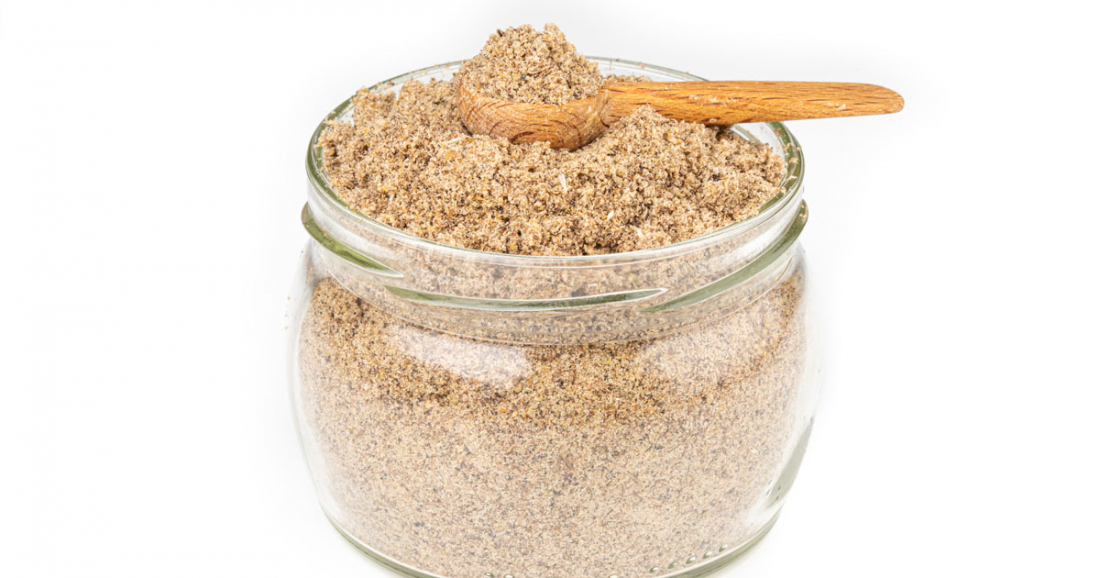
Cricket flour is quite expensive, but on the other hand, the packet will last you a really long time.
What to take away from today's article?
The main thing you should take away from today's relatively short article is that crickets are a complete protein and if you come across them in a restaurant, it's not a reason to be scared. The flour from them is completely neutral and can be added to any recipe. It adds a variety of proteins, vitamins and minerals to your food without compromising taste. Although crickets are increasingly being talked about as the food of the future, they certainly don't need to have an important place in your diet or, heaven forbid, replace conventional meat. Still, it might be a good idea to spice up your diet from time to time.
No posts have been made yet.








