





A quick dinner or a gamble with your heart? What science has really found out about instant noodles
 Author:
 They're cheap, they're ready in three minutes, and they can be found in the pantry of almost any student or busy person. Instant noodle soups are a global phenomenon. However, a recent warning on social media suggests that eating them just 2-3 times a week increases the risk of heart attack, stroke and diabetes.
Is this just scaremongering or fact? We took a look at the original scientific study on which this claim is based.
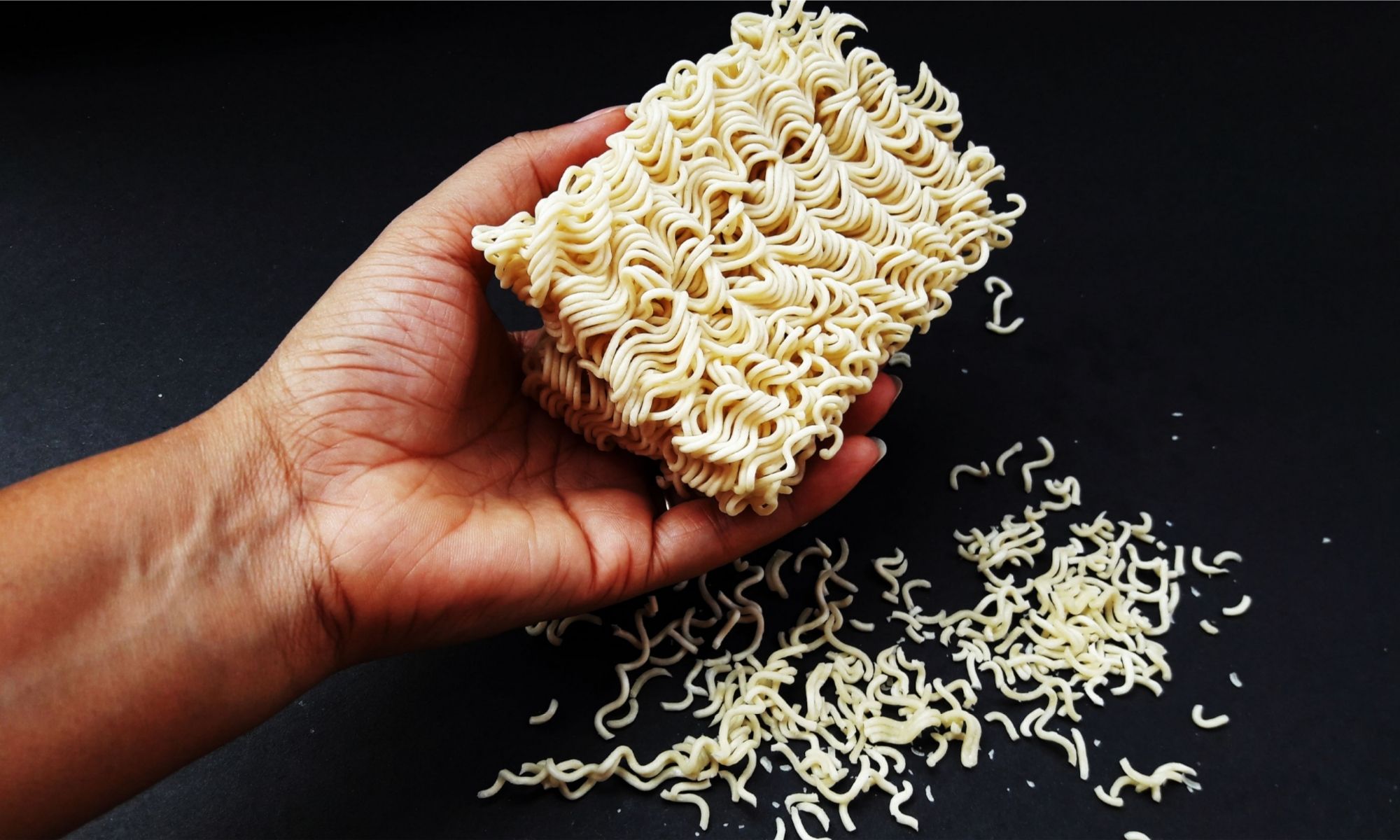
What exactly did the study find?
The source of this warning is extensive research published in the prestigious journal The Journal of Nutrition. Scientists from Baylor Scott & White Health and Harvard University focused on South Korea - the country that holds the world's number one spot for instant noodle consumption per person.
The study analyzed data from 10,711 adults aged 19 to 64. The results were surprisingly specific:
People who consumed instant noodles two or more times a week had a 68% higher risk of developing so-called metabolic syndrome.
Metabolic syndrome is not a single disease, but a dangerous "cocktail" of health problems that includes:
- High blood pressure.
- High blood sugar (the onset of diabetes).
- Excess abdominal fat.
- Abnormal cholesterol levels.
This very syndrome is a direct ticket to heart disease and stroke.
Why are noodles a problem even if you eat otherwise healthy?
One of the scariest findings of the study was that it didn't matter what else people ate. Even if the study participants had a diet rich in vegetables, fish and healthy fats in the time remaining, regular consumption of instant noodles "overpowered" the negative effect.
There are three reasons why these noodles are such a burden on the body:
1. Sodium bomb
One packet of noodles often contains the entire recommended daily allowance of salt. Excess sodium directly raises blood pressure and puts a strain on the kidneys and cardiovascular system.
2. Refined carbohydrates and low-quality fats
Noodles are made from white flour and then fried (often in palm oil) to dry them out. This means a high glycaemic load - blood sugar levels shoot up after eating and the body has to flush out large amounts of insulin.

3. Chemical cocktail (TBHQ and BPA)
To make the noodles last on the shelf for months, they contain the substance TBHQ (tertiary butylhydroquinone). This is a petroleum-based preservative. Although it is allowed in small amounts, it can be toxic to the body when consumed regularly. Another concern is Bisphenol A (BPA), which is used in packaging (polystyrene cups) and can disrupt hormonal balance.
.jpg)
Women at risk
An interesting finding of the study was that the negative impacts were much more pronounced in women. Men, although they also ate the noodles, did not show as strong a statistical association with metabolic syndrome.
The researchers believe that biological differences (women are more sensitive to hormone disruptors like BPA and to glucose fluctuations) and different fat metabolism are to blame.
Conclusion.
If you have instant soup once a month when you can't catch a train or are on a bender, your body can handle it. The problem comes when the "emergency" becomes a habit.
The verdict of science is clear: If you want to have a healthy heart and blood vessels, eating instant noodles 2-3 times a week is too frequent. Try replacing them with couscous, oatmeal, or at least always add a serving of fresh vegetables and protein (eggs, tofu) to your noodles to lower the glycemic index of the meal.
Recommended
Czech Virus Day Starter

Nebbia FIT & SMART cyklistické šortky FIT 575

Nebbia Lounge mikina CLUB D’OR 642

Puhdistamo Triple Magnesium
No posts have been made yet.








