





Wondering how to gain weight the healthy way? We've got the guaranteed tips for you!
 Author:
 You can find millions of guides and procedures how to lose weight on the internet, but not many resources are devoted to how to gain weight HEALTHILY. Yet being underweight can be absolutely as frustrating as being overweight, maybe even more so in many cases, and it comes with a heap of health risks. For people who have trouble gaining weight, it can actually be quite difficult to figure out how to gain weight in a healthy way. However, there is of course a good way to achieve this. It very simply consists of eating nutrient-rich foods and building muscle through strength training and, most importantly, a good dose of patience!
As with weight loss regimes and diets, to gain weight the right way you need to take a rational approach, focusing on the composition of your diet, how often you eat, your portion sizes and also what your training looks like to build muscle. Bulking up by increasing your calorie intake from processed and refined foods won't help you gain a healthy weight - rather, you'll be rewarded with low energy levels, increased inflammation in the body, digestive and skin problems, and other health issues. Instead, the key is to stick to nutrient-rich foods that are beneficial to the body, give you energy, and allow you to gain weight in a healthy way.
WHY DO SOME PEOPLE WANT OR NEED TO GAIN WEIGHT?
Are you saying to yourself that you don't understand why anyone wants to gain weight when the majority of people are trying to lose weight, and even you personally would like to give your pounds away? While there is a lot of science-based information about the health risks associated with being overweight or obese, it 's important to remember that there are health risks associated with being underweight too. Often, being underweight is caused by poor nutrition or unhealthy eating habits, and sometimes it can actually be very hard to gain weight in a healthy way - often even harder than losing weight. Another group of people who need to gain weight are those suffering from an eating disorder.

Technically, a body mass index (BMI) that is less than 18.5 is considered underweight. However, as we have mentioned in several previous articles, the BMI index is not completely accurate because it does not take into account the ratio of muscle to fat tissue in the body, so underweight needs to be determined by evaluating multiple factors. There are many health risks associated with being underweight that many people are not even aware of. The most common health risks of being underweight include:
- Weakening of the immune system
- Vitamin and mineral deficiencies
- Fertility problems
- Weakening of bones
- Kidney disease
- Excessive fatigue
- Excessive hair loss
- Dry skin
- Developmental problems in children
- Impaired concentration
- Chills
- Development of depression and other negative psychological symptoms
- Anemia
HOW TO GAIN WEIGHT IN A HEALTHY WAY?
Enough of the negatives! Maybe you're not feeling your best as a weight watcher and want to gain weight to boost your health, or maybe you're not happy with the way you look and want to build muscle - either way, let's talk about some basic tips you can use when trying to gain weight. But be prepared to arm yourself with patience, because they didn't build Rome overnight either! Be persistent, be diligent and your results will surely come.
TIP 1: FOCUS ON NUTRIENT-DENSE FOODS
When trying to increase your calorie intake, perhaps a little surprisingly, quality is actually much more important than quantity. Thus - gorging on unhealthy, processed and nutritionally unbalanced foods is definitely not the way to a healthy weight gain. Instead, add high calorie density foods to your diet to increase your daily calorie intake and get more energy into you. Adding nuts, seeds, avocados, cheese, and coconut or olive oil to your meals will increase your calorie content even with just a tiny amount, while providing other important nutrients.
Calorie density: how to eat well on a diet and lose weight without counting calories?
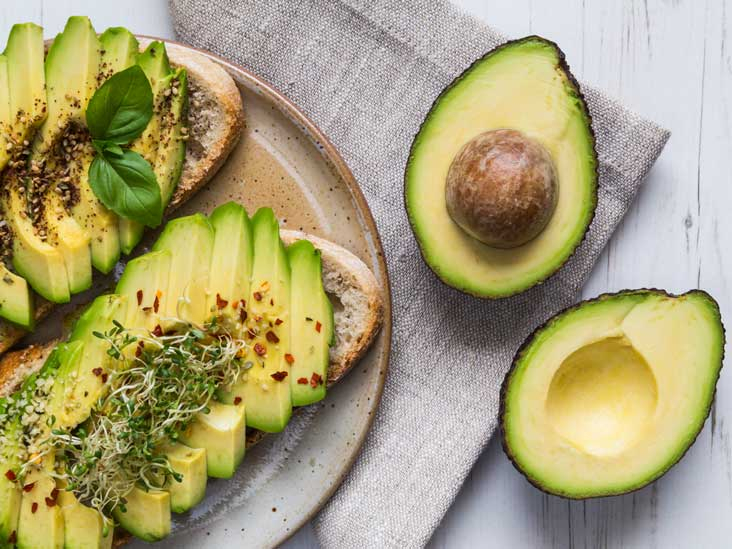
If you're trying to put on weight, there's no need to be too fussy about calorie counting, but for many it's a great way to get a handle on how much they're actually eating. Many underweight people tend to vastly overestimate their intake, but when they try to write down and count their food, they find that they're actually eating very little. The exact amount of calories you need to take in to gain weight depends on your metabolism, age, gender, genetics, daily activity, type, length and intensity of training and many other factors, but the general rule you must follow when trying to gain weight is that you must eat more calories than you burn per day, that is, not be in a caloric deficit, which is very often inflated in the context of weight loss, but in a CALORIC SURPLUS.
The key is to find out your total daily energy expenditure (TDEE). Your TDEE consists of your basic metabolic needs, i.e. the amount of calories you burn at rest when you are just doing nothing (this is to give you an idea of the energy needed for basic life functions such as breathing, blood circulation, body temperature regulation, etc.) and the number of calories you burn during physical exertion such as training or any other movement. If you want to gain weight, you need to eat more than your TDEE. If you want to gain weight and eat less, increase your intake gradually so that your body has enough time to adjust to the new intake, so that it doesn't bother your digestion, and so that you can monitor your weight gain - if the increase is too significant, you can decrease your calories a little, and conversely, if there is no increase, you can increase your calories again.
TIP 2: EAT REGULARLY
If you're trying to put on weight, it's very advisable to eat regularly, in multiple portions per day. Each of your meals should contain good quality protein, plenty of complex carbohydrates (ideally none, or at least a minimum of refined carbohydrates) and fats in the right proportions. Dividing your intake into several smaller meals, rather than larger meals with less frequency, seems to be a better tactic when bulking up, as it will be easier for your digestive system to process these "extra calories", you won't feel bloated, too full and your metabolism will kick in properly. If you are increasing your intake, it may seem unreal at first how much you need to eat in a day, but trust that your body will happily get used to the higher calorie intake and over time you will start to feel hungry at regular intervals when you eat because your body will get used to receiving energy intake at those times. As mentioned in the previous paragraph, increase your intake gradually to avoid digestive problems and unpleasant feelings of fullness. If you have trouble eating solid food, try making a smoothie of cereal, yoghurt or protein, fruit and nuts, for example, which you can have from time to time instead of a snack.
TIP 3: SNACK!
If you include snacks that you don't normally have among your main meals, this can be a great and very simple way to increase your daily calorie intake. Again, focus on nutrient-dense foods that will give you plenty of energy. Examples of simple snacks might be yoghurt with nuts, seeds, fruit and cereal, a rye bread sandwich with ham and cheese, a good spread or perhaps a boiled egg. You can also create your own healthy treats like muffins, cakes or homemade protein biscuits. Avoid eating empty calories in the form of bought-in sugar bars and the like.
Recommended
It is also advisable to add a second dinner as a smaller meal before bedtime. Now you may be wondering a little bit because you've probably heard that you shouldn't eat too close to bedtime, but our bodies are actually trying to recover from the day's workload and sports just as we are sleeping, so some extra protein and carbohydrate intake at bedtime can be a very beneficial strategy if you want to gain weight and especially when building muscle. However, choose lighter meals such as yoghurt with nuts or perhaps porridge with casein protein. In addition, eating carbohydrates before bed can promote falling asleep and sleep quality.
TIP 4: GET MOVING
We may have just subverted another idea of what gaining weight should look like - I mean, no, it' s really not about "eating and doing nothing". It's about finding a balance, if you want to gain weight, eat nutritious, healthy and calorie-dense meals and choose the right workout to get you to your goal. Exercises like strength training, yoga and other types of weight training exercises will help you build muscle and gain a healthy weight. If you want to gain weight, you probably don't want to gain unnecessary amounts of fat, which is associated with health risks such as high triglyceride and LDL cholesterol levels, high blood pressure and insulin resistance. The best way to gain weight in a healthy way is to focus on building muscle, which requires MEASURED physical activity at least three to five times a week.
TIP #5: GET ENOUGH REST AND SLEEP
Even when gaining weight, it is not advisable to underestimate the importance of sleep and sufficient recovery. Muscles do not grow when exercising, but precisely when resting. After training, you need to give your body enough quality nutrients and then give them enough space to regenerate and grow. Try to sleep at least 7-8 hours a day and make sure you don't exercise too often. Many processes take place during sleep, so a lack of it can have a major impact on our mood, performance, weight, and therefore our ability to gain weight and regulate hormones, including those that affect hunger. Also avoid excessive stress, which can very easily block your progress.

TIP 6: ADJUST YOUR HEAD
For women in particular, it can be hard to come to terms with the fact that they need to put on weight. You need to remember that you are doing this for your health and for the proper functioning of your body. If you are significantly underweight, you need to not make a big deal out of comments about gaining weight, but instead take them as a sign that your efforts are succeeding and that you are on the right track.Try not to get too attached to food, just eat to live and be healthier, not to make your whole life revolve around food.
WHAT TO EAT AND NOT TO EAT IF I WANT TO GAIN WEIGHT?
If you want to gain weight and build muscle rather than fat, you need to make some changes in your diet. Cut out foods that don't supply your body with the necessary nutrients you need to maintain proper hormonal balance, optimal body functions, optimal energy levels and muscle growth. Definitely forget that the best way to gain weight healthily is to go to the mecca 5 times a week. Yes, it's definitely the way to gain weight fast, butdefinitely not the best way. Focus on eating healthy and nutrient-dense foods that provide you with the macronutrients you need: fats, proteins and carbohydrates, and equally important micronutrients such as vitamins and minerals. What matters is the quantity and the composition of the foods. So if your goal is healthy weight gain, then focus on the exact same foods as you would for weight loss, just adjust the quantity to your goals.
SO WHAT TO INCLUDE IN YOUR DIET?
IMPORTANT FAT
There are several types of fats that we need to live and all groups are important in their own way. We discussed the need for all types of fats in this article:
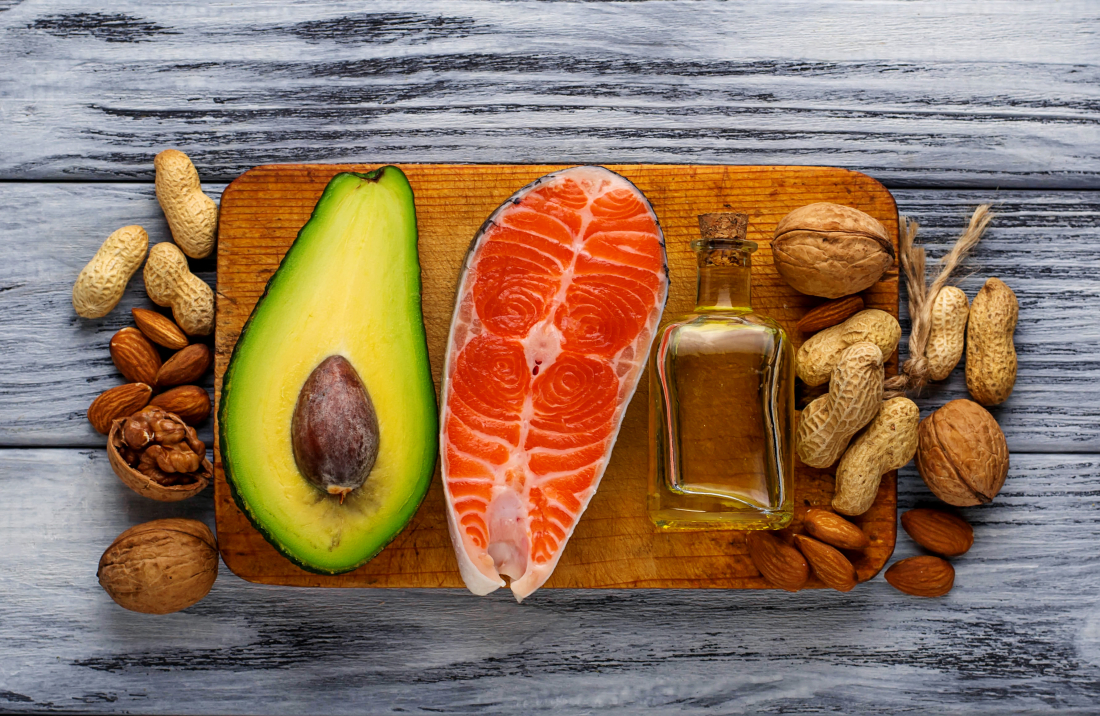
And so we already know that there is no such thing as a good or bad fat, but we do need to be careful about the right proportions of each type. However, there are two types of fats that are slightly more beneficial than others and will help you gain weight and muscle in a healthy way. Omega-9 fatty acidsare a type of unsaturated fat found in vegetable and animal fats. The benefits of omega-9 include increased energy availability and better use of energy during athletic activities. Some of the best sources of omega-9 include avocados, olive oil, almonds and macadamia nuts. Short- and medium-chain fatty acids(called MCT oils) from ghee and coconut oil help you gain weight quickly, gain muscle, and the body doesn't tend to store them as fat. Omega-3s are also an important type of fat , so eat plenty of egg yolks, walnuts, chia and flaxseeds. Fatty fish, ideally free-range, are also a good source of omega-3s, as they are a very good source of not only beneficial fats but also protein.
PROTEIN
Not only when you want to lose weight and build muscle, but also when trying to put on some healthy pounds, it is very important to get enough protein. Choose lean meats such as poultry, lean beef or pork, consume fish, dairy products, eggs regularly and if you have trouble eating enough protein, don't be afraid to look for a protein that will help you fill your intake very easily and very simply.
You can choose your protein from our e-shop HERE!
PLENTY OF COMPLEX CARBOHYDRATES
If you want to gain weight, you must not miss enough complex carbohydrates in your diet. Research shows that combining carbohydrates with protein produces a greater anabolic response than consuming protein alone. The best sources includequinoa, rice, potatoes, flakes, sweet potatoes, whole grain breads and pastas, amaranth, buckwheat and polenta. It is also advisable to consume fruit, which, although rather simple in carbohydrate content, will provide you with plenty of energy, spice up your diet, help with vitamin and mineral intake and make it easier to meet your calorie requirements. Choose seasonal fruits such as apples, berries and if you need to replenish your energy, reach for bananas, mangoes or pineapples.
WHAT TO AVOID?
ADDED SUGAR
It goes without saying that white sugar is not significantly beneficial to the body. Eating too much refined sugar has been linked to a higher risk of cardiovascular disease, metabolic problems, diabetes and the development of obesity. Focus on foods without added sugar, or use suitable calorie-free sweeteners or natural sugar substitutes.

FAST FOODS
Even if the first advice you get when trying to gain weight is to start eating fast food, don't do it, or at least not in bulk. Yes, weight gain will occur after excessive consumption of fast foods that are highly processed with low nutrient content and inappropriate fat ratios, but we certainly can 't talk about healthy weight gain. If your goal is to gain weight without unnecessary subcutaneous fat, then it's advisable to focus on more nutritionally rich foods.
HOW TO EXERCISE WHILE GAINING WEIGHT?
If you're trying to figure out how to gain weight and you want to be active at the same time, then it's definitely not mutually exclusive. It's just a matter of choosing the right type of exercise to help you build muscle and support your efforts to gain weight. Limit the amount of aerobic exercise you do in a day. Cardio exercise burns quite a few calories and can work very counterproductively against your weight gain goals, so instead of long runs, go for shorter walks at a more moderate pace.
Focus on strength training, which will help you build muscle mass while keeping you from storing excessive fat, as the calories will be used by the body more for muscle building and recovery. Studies show that as little as ten weeks of strength training increases the proportion of muscle mass, improves physical performance, improves cognitive function, has a positive effect on cardiovascular health and increases bone mineral density. Strength training can also alleviate the unpleasant symptoms associated with arthritis, reduce lower back pain, and reverse specific skeletal muscle aging factors.
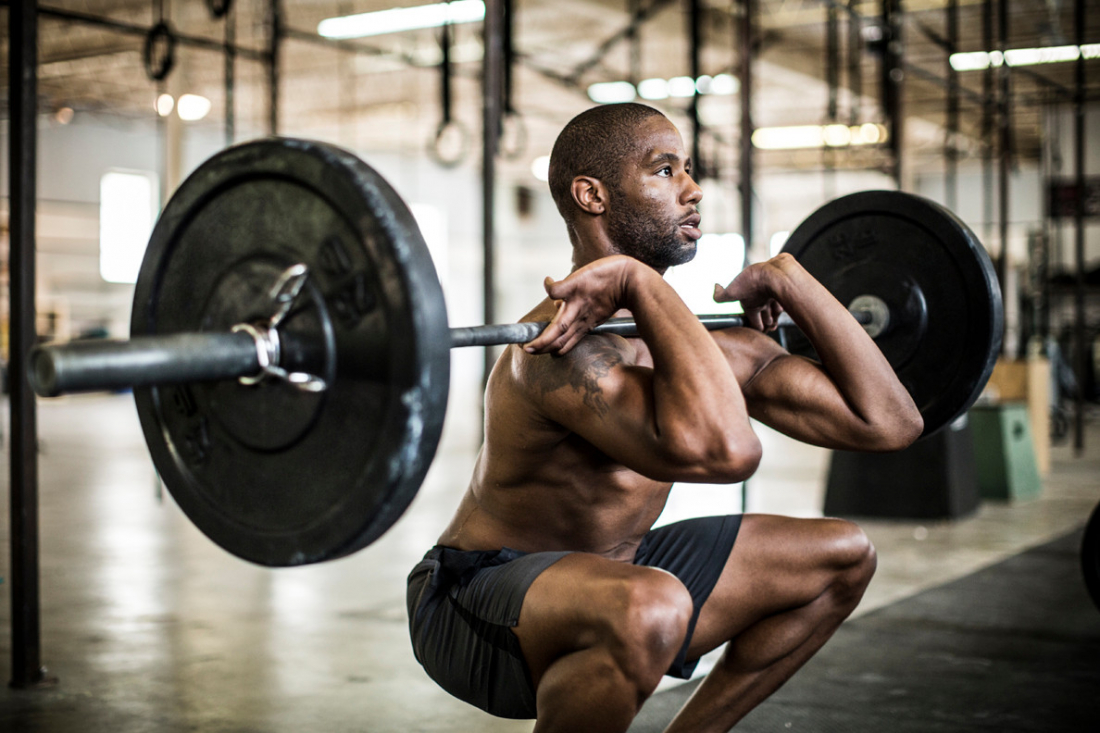
The important thing is to approach training sensibly. Include strength training 3-5 times per week, remembering to balance your output with adequate food intake and proper recovery. Focus on strength training to build muscle. Avoid excessive time on the treadmill or stepper and get to the barbell rack! Are you afraid you won't make it? Ask for help from someone who has experience with the workout, or get a trainer for a few sessions. There's no shame in asking, and it will definitely prevent you from causing yourself any injuries or dysbalance due to poor execution technique.
WHAT TO TAKE AWAY FROM THE ARTICLE?
How to gain weight in a healthy way can be quite a nut to crack. It's actually harder than losing weight, especially if you want to gain weight so that your gains are not just in fat, but also in muscle. All you need to do is eat good quality foods in sufficient quantities, engage in strength training, limit stress and rest properly.Arm yourself with patience, because gaining weight is not easy, neither in time nor mentally. For many, gaining weight can be a hassle, but keep in mind that you are gaining weight because your body needs it for optimal health, that's a pretty compelling reason, isn't it?
Sources:
https://www.ncbi.nlm.nih.gov/pubmed/28671859
https://www.ncbi.nlm.nih.gov/pmc/articles/PMC5017745/
https://www.ncbi.nlm.nih.gov/pmc/articles/PMC4021191/
https://www.ncbi.nlm.nih.gov/pubmed/16118649
https://www.ncbi.nlm.nih.gov/pmc/articles/PMC4033492/
https://www.ncbi.nlm.nih.gov/pmc/articles/PMC4428353/
https://www.ncbi.nlm.nih.gov/pmc/articles/PMC3396439/
https://www.ncbi.nlm.nih.gov/pubmed/10470448
https://www.ncbi.nlm.nih.gov/pubmed/22150425
https://www.ncbi.nlm.nih.gov/pmc/articles/PMC3850644/
https://www.ncbi.nlm.nih.gov/pubmed/24731894
https://www.ncbi.nlm.nih.gov/pubmed/22777332
https://www.ncbi.nlm.nih.gov/pmc/articles/PMC
No posts have been made yet.








